

Lasius rabaudi
- Scientific Name
- Lasius rabaudi
- Tribe
- Lasiini
- Subfamily
- Formicinae
- Author
- Bondroit, 1917
- Distribution
- Found in 6 countries
Lasius rabaudi Overview
Lasius rabaudi is an ant species of the genus Lasius. It is primarily documented in 6 countries , including Austria, Switzerland, Spain. Detailed taxonomic data and occurrence records can be further explored via authoritative databases such as AntWeb or the Global Biodiversity Information Facility (GBIF).
Lasius rabaudi
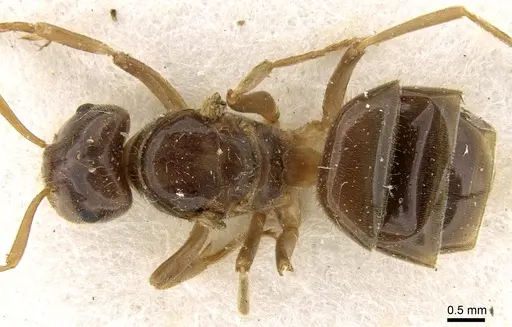
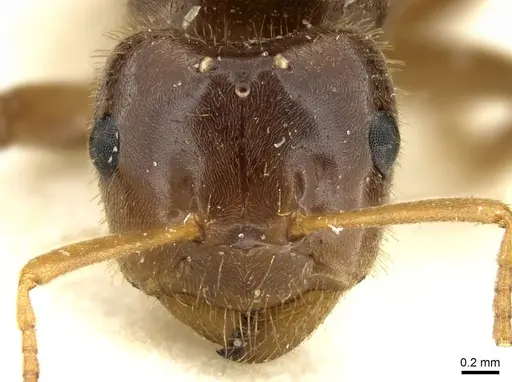
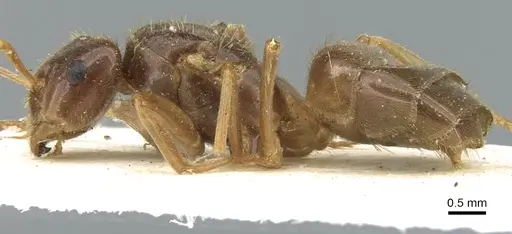
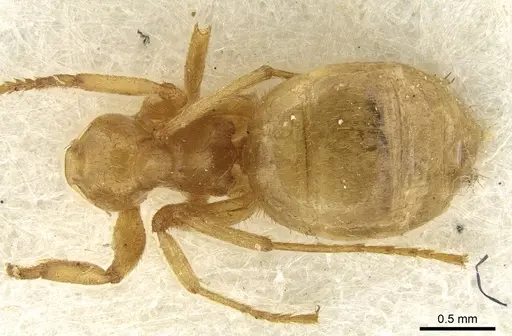
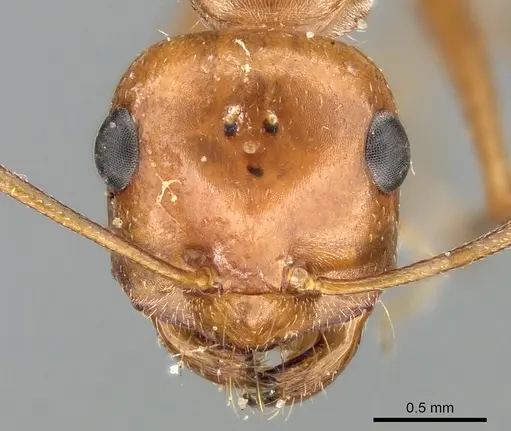
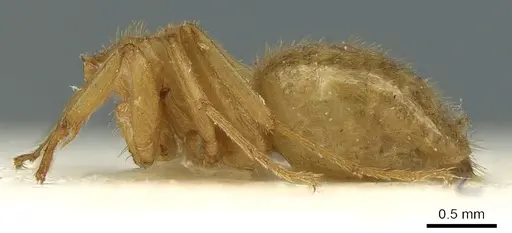
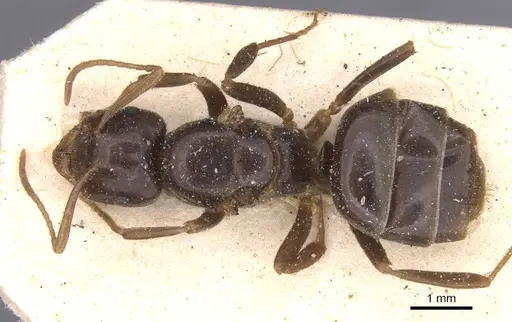
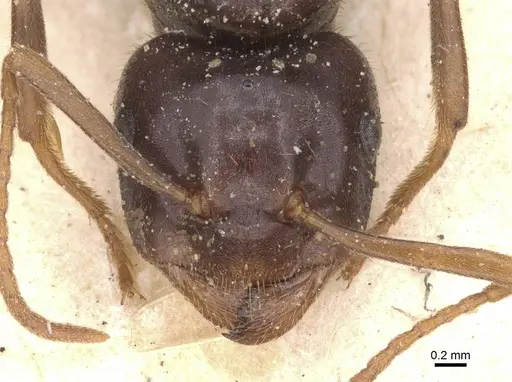
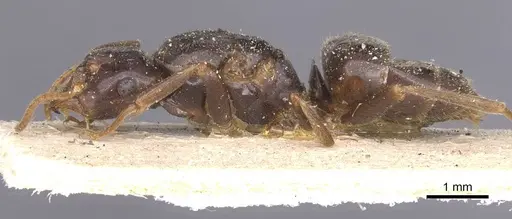
Lasius rabaudi is a small to medium-sized ant belonging to the subgenus Chthonolasius, part of the flavus clade. Workers measure around 1.2-1.3mm in body length, while queens are notably larger at 1.4-1.5mm in thorax length with a total length around 7-8mm. The species is characterized by distinctly flattened scapes and tibiae, very dark and shiny body with sparse pubescence, and elongated funicle segments. Queens have a high, thick petiole scale with a notched summit and orange-red appendages. This species has a patchy Palaearctic distribution, found across southern France, the Pyrenees, Iberian Peninsula, Morocco, parts of Central Europe (Poland, Slovakia), Georgia, and Turkey [1][2].
What makes Lasius rabaudi particularly interesting is its status as a temporary social parasite. Like all Chthonolasius species, queens cannot found colonies independently. Instead, a newly mated queen must infiltrate an established colony of Lasius s. str. species (primarily Lasius niger), kill or replace the host queen, and use the host workers to raise her first brood [1]. This parasitic relationship makes them challenging but rewarding to keep for experienced antkeepers.
Quick Summary
- Difficulty: Expert
- Origin & Habitat: Found across the Palaearctic region including southern France, Pyrenees, Iberian Peninsula, Morocco, Poland, Slovakia, Georgia, and Turkey. In Europe, they inhabit warm, sandy areas like fixed sand dunes and lowland sandy heaths, often at higher elevations in mountainous regions (found up to 1000m in the Pyrenees) [1][3].
- Colony Type: Temporary social parasite, colonies are founded when a queen invades a host Lasius niger colony. Once established, the colony functions with a single queen. The species belongs to the Chthonolasius subgenus, all of which are temporary social parasites [1].
- Colony: Monogyne
- Queen: Temporary parasitic
- Size & Growth:
- Queen: Queens: 1.44-1.50mm thorax length (LoT),1.67-1.75mm alitrunk width (LaT), total approximately 7-8mm [1]
- Worker: Workers: 1.24-1.26mm body length [1]
- Colony: Colony size is moderate for the genus, likely reaching several hundred workers. Based on related Chthonolasius species, colonies probably max out around 300-500 workers [1]
- Growth: Moderate, growth depends on successful host colony integration
- Development: Unknown for this specific species. Based on related Lasius species, expect 6-10 weeks from egg to first worker at optimal temperature (Development is slower than non-parasitic Lasius species because the queen relies on host workers to raise brood. The timeline may be extended during the integration period.)
- Antkeeping:
- Temperature: Keep nest areas at 20-24°C. This species prefers warm conditions typical of Mediterranean habitats. A gentle temperature gradient allows ants to regulate their own exposure
- Humidity: Moderate humidity around 50-60%. These ants prefer drier conditions compared to forest-dwelling Lasius species, reflecting their preference for open, sandy habitats
- Diapause: Yes, like most temperate Lasius species, colonies require a winter dormancy period. Provide 3-4 months at 5-10°C during winter
- Nesting: In nature, they parasitize Lasius niger colonies which typically nest in soil, under stones, or in rotting wood. For captive care, provide a test tube setup for the founding queen (introduced to a host colony), then transition to a formicarium with soil chambers once established. Y-tong or plaster nests work well for established colonies.
- Behavior: Workers are relatively docile and not aggressive. The species is not known for stinging. As a social parasite, the queen relies entirely on host colony acceptance during founding, this is the critical and challenging phase. Once established, colonies behave similarly to their Lasius hosts. Workers are small but active foragers. Escape prevention is important due to their small size, use standard barriers.
- Common Issues: queen rejection by host colony is the primary failure point, host acceptance is never guaranteed, finding a suitable host colony (Lasius niger) for the queen to invade can be difficult, colonies may fail if the host queen is not successfully replaced, small worker size means escape prevention must be adequate, slow colony establishment compared to non-parasitic species
Understanding Temporary Social Parasitism
Lasius rabaudi belongs to the subgenus Chthonolasius, and like all species in this group, they are temporary social parasites. This means queens cannot found colonies independently like most ants. Instead, a newly mated queen must find an established colony of Lasius s. str. (typically Lasius niger), infiltrate it, kill or replace the host queen, and then use the host workers to raise her own first brood [1]. This is a critical part of their life cycle and the most challenging aspect for antkeepers.
The queen uses chemical mimicry to gain entry into the host colony. She produces pheromones that trick the host workers into accepting her. Once inside, she locates the host queen and typically kills her through direct combat or pheromonal suppression. After the host queen is gone, the host colony gradually accepts the parasite queen as their new reproductive. Over time, the original host workers die off and are replaced by the parasite queen's own workers [1].
This parasitic lifestyle means you cannot establish a colony from a single queen alone, you need a host Lasius niger colony for her to invade. This makes Lasius rabaudi an expert-level species suitable only for experienced antkeepers who understand the intricacies of social parasitism.
Housing and Colony Establishment
Establishing Lasius rabaudi requires a two-step process. First, you need a healthy Lasius niger colony to serve as the host. Second, you introduce the Lasius rabaudi queen to the host colony and hope for acceptance. There are several methods: the queen can be introduced directly to the host colony's outworld, or the queen can be placed in a separate container with some host workers to allow gradual scent exchange before introduction.
Success rates vary significantly, and rejection/attack of the parasite queen is common. Host colonies may kill introduced queens that they do not accept. Some keepers recommend cooling both the queen and host colony briefly before introduction to reduce aggression, or using queen-less host colonies to improve acceptance chances.
Once the queen is accepted and begins laying eggs, the colony develops similarly to other Lasius species but at a potentially slower rate. The host workers will care for the parasite queen's brood until the first rabaudi workers emerge. After that, the colony gradually transitions to being primarily rabaudi as host workers die off [1].
Feeding and Nutrition
Once established, Lasius rabaudi colonies have similar dietary needs to other Lasius species. They are omnivorous with a preference for sugary liquids. Offer sugar water or honey water regularly, this should be available at all times once workers are present. For protein, provide small insects such as fruit flies, small crickets, or mealworms. In the wild, they likely forage for honeydew from aphids and small arthropods.
During the founding stage while integrated with host workers, the host colony will feed both themselves and the parasite queen. After rabaudi workers emerge, they will begin foraging for themselves. Feed protein sources 2-3 times per week, and ensure sugar water is always available. Remove uneaten prey after 24-48 hours to prevent mold issues.
Temperature and Seasonal Care
Lasius rabaudi originates from warm Mediterranean regions and higher elevations in the Pyrenees, so they prefer temperatures in the range of 20-24°C. Maintain a stable temperature within this range for optimal colony development. Avoid temperatures below 18°C for extended periods or above 26°C.
Like all temperate European Lasius species, they require a winter dormancy period. During autumn, gradually reduce temperatures over 2-3 weeks, then maintain 5-10°C for 3-4 months (roughly November through February in the Northern Hemisphere). During hibernation, reduce food offerings and keep the colony in a cool, dark location. Do not feed during the dormant period. Resume normal feeding and temperatures gradually in spring.
Behavior and Colony Dynamics
Once established, Lasius rabaudi colonies display typical Lasius behavior, workers are active, relatively calm, and not particularly aggressive. They are not known for stinging, making them safe to handle. Workers forage for sugar sources and protein throughout their territory.
The transition period from host-dominated to parasite-dominated colony can take several months to over a year. Initially, you may see a mix of the darker Lasius niger workers and the paler rabaudi workers. Over time, as host workers die off, the colony becomes predominantly rabaudi. This transition is a fascinating process to observe and is one of the unique aspects of keeping temporary social parasites [1].
Frequently Asked Questions
Can I keep Lasius rabaudi as a single queen like other ants?
No. Lasius rabaudi is a temporary social parasite and cannot found a colony independently. You need a host Lasius niger colony for the queen to invade and take over. This makes them an expert-level species that requires advance planning and a host colony.
How do I establish a Lasius rabaudi colony?
You need two things: a Lasius rabaudi queen (preferably recently mated) and a healthy Lasius niger colony. Introduce the parasite queen to the host colony and hope for acceptance. Success is not guaranteed, host colonies often reject or kill unfamiliar queens. Some keepers improve chances by using queen-less host colonies or cooling both before introduction.
What do Lasius rabaudi eat?
They eat the same foods as other Lasius ants, sugary liquids (honey water or sugar water) and protein (small insects like fruit flies, crickets, mealworms). Sugar water should be available at all times once workers are present. Offer protein 2-3 times per week.
What temperature do Lasius rabaudi need?
Keep them at 20-24°C. They prefer warm conditions reflecting their Mediterranean and mountainous habitat origins. Avoid temperatures below 18°C for extended periods or above 26°C.
Do Lasius rabaudi need hibernation?
Yes. Like all temperate Lasius species, they require a winter dormancy period. Provide 3-4 months at 5-10°C during winter (roughly November to February). Gradually reduce temperatures in autumn and increase gradually in spring.
How long does it take for the first workers to appear?
The exact timeline is unknown for this species. After successful host integration, expect 6-10 weeks from egg to first worker based on related Lasius species. The overall establishment process is slower than non-parasitic species because the queen relies on host workers to raise her brood.
Are Lasius rabaudi good for beginners?
No. They are an expert-level species due to their temporary social parasitic lifestyle. Establishing a colony requires a host Lasius niger colony and successful queen integration, which has a high failure rate. They are best suited for experienced antkeepers who understand social parasitism.
How big do Lasius rabaudi colonies get?
Based on related species, colonies likely reach several hundred workers (estimated 300-500). They are not among the largest Lasius species but can still form substantial colonies once established.
Where is Lasius rabaudi found in the wild?
They have a patchy Palaearctic distribution across southern France, the Pyrenees, Iberian Peninsula, Morocco, Poland, Slovakia, Georgia, and Turkey. They prefer warm, sandy habitats like fixed sand dunes and lowland sandy heaths, often at higher elevations in mountainous regions.
References

This caresheet is licensed under CC BY-SA 4.0 .
Literature
Loading...Loading products...