

Lasius pubescens
- Scientific Name
- Lasius pubescens
- Tribe
- Lasiini
- Subfamily
- Formicinae
- Author
- Buren, 1942
- Distribution
- Found in 1 countries
Lasius pubescens Overview
Lasius pubescens is an ant species of the genus Lasius. It is primarily documented in 1 countries , including United States of America. Detailed taxonomic data and occurrence records can be further explored via authoritative databases such as AntWeb or the Global Biodiversity Information Facility (GBIF).
Lasius pubescens
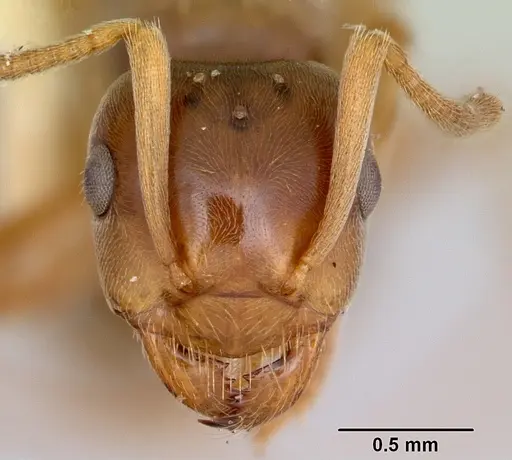
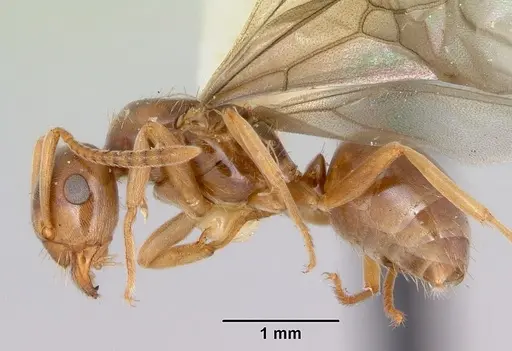
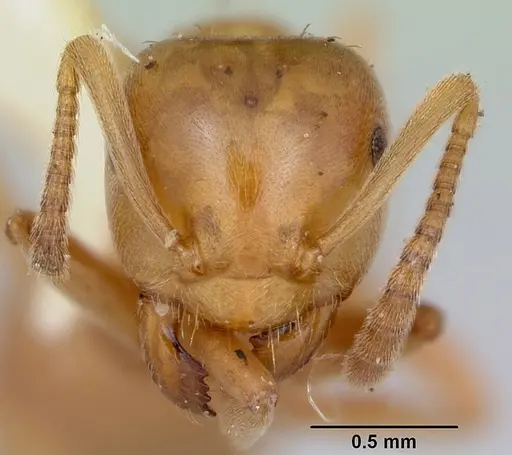
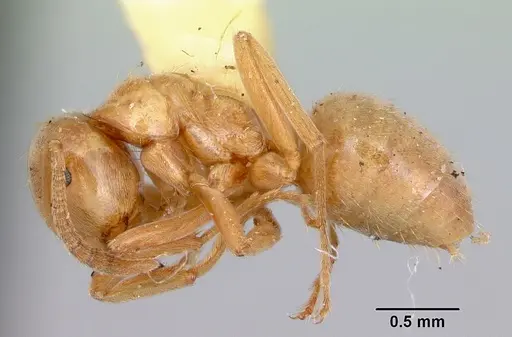
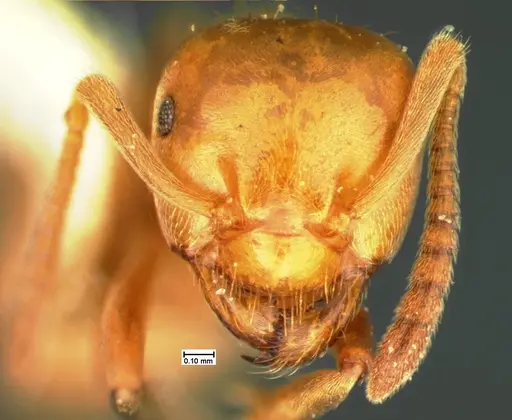
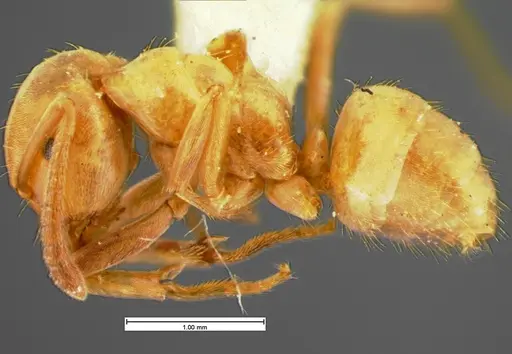
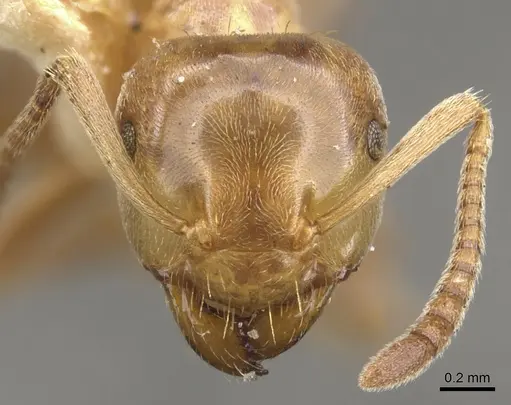
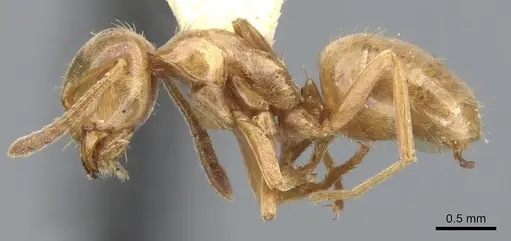
Lasius pubescens is a small to medium-sized ant native to the central and eastern United States. Workers are yellow to brownish yellow with a dense short pubescence covering most of their body, measuring around 4-5mm. Queens are darker, deep grayish brown with lighter appendages, and have a head width of 1.10mm or less. The species is distinguished by its erect petiolar scale with a blunt crest positioned below the propodeal spiracles. This ant belongs to the flavus clade within the genus Lasius and was formerly classified under Acanthomyops before being reclassified back to Lasius in 2005. The species is closely related to Lasius bureni but averages smaller in size.
Quick Summary
- Difficulty: Medium
- Origin & Habitat: Native to the Nearctic region, specifically the United States. Known from Minnesota and Tennessee, nesting in sandy low mounds in open woodlands [1]. Colonies have been found in open woods with low mound nests in sandy soil.
- Colony Type: Likely temporary social parasite (host unknown). Single-queen colonies are probable based on the type series having only 4 queens, though colony structure is not well documented in the scientific literature.
- Colony: Monogyne
- Queen: Temporary parasitic
- Size & Growth:
- Queen: Head width 1.10mm or less
- Worker: 4-5mm (estimated based on related species)
- Colony: Populous colonies observed, exact numbers unknown
- Growth: Moderate, typical for Lasius species
- Development: 6-10 weeks (estimated based on related Lasius species at optimal temperature) (Development timeline is not directly studied for this species. Estimates based on typical Lasius patterns.)
- Antkeeping:
- Temperature: Keep at room temperature, roughly 20-24°C. A gentle gradient allowing workers to self-regulate is ideal.
- Humidity: Moderate humidity around 50-60%. These ants prefer drier conditions compared to many other Lasius species, reflecting their open woodland habitat.
- Diapause: Yes, as a temperate species from Minnesota, they require a winter dormancy period. Provide 4-6 weeks at 5-10°C during winter.
- Nesting: Y-tong nests or acrylic formicaria work well. They prefer drier nest conditions than most Lasius. A test tube setup is suitable for founding colonies.
- Behavior: Workers are active foragers, typical of Lasius species. They likely tend aphids for honeydew and forage for small insects. The species is not particularly aggressive but will defend the nest. Escape prevention is important, use standard barriers as workers are small but not extremely tiny. Queens are likely claustral founders that seal themselves in during founding, typical of the genus.
- Common Issues: limited distribution data makes precise care requirements uncertain, host species for temporary parasitism is unknown, cannot replicate natural colony founding, winter dormancy is required but timing and duration may differ from common species, very few keepers have experience with this species, community knowledge is limited, wild-caught colonies may be difficult to locate due to restricted range
Natural History and Distribution
Lasius pubescens is a North American ant with a limited known distribution in the upper Midwest and southeastern United States. The species has been documented in Minnesota (where the type series was collected near Jenkins in Crow Wing County) and Tennessee. In their natural habitat, these ants build low mounds in sandy soil within open woodlands. The original type collection by W.F. Buren in 1941 found a colony nesting in a sandy, low mound in open woods. Another colony was documented by Wing in 1968 near McGrath, Minnesota, also in a low mound in open woods. The August collection date with no males present suggests that nuptial flights occur earlier in the summer, likely in June or July. This species was originally described under Acanthomyops by Creighton in 1950 before being returned to the genus Lasius by Ward in 2005 based on modern taxonomic review. [1]
Taxonomy and Identification
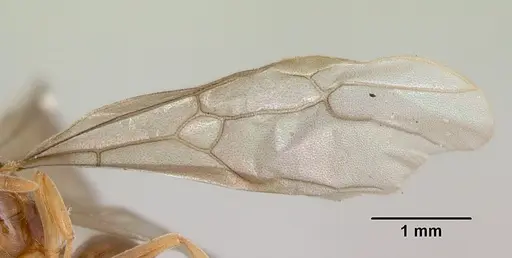
Lasius pubescens belongs to the claviger species group within the flavus clade of the genus Lasius. The species is most easily confused with its close relative Lasius bureni. Workers can be distinguished by having a Scape Index (SI) of 83 or more, an erect petiolar scale with a blunt (not emarginate) crest positioned below the level of the propodeal spiracles, and standing hairs on the gula measuring 0.10mm or less. The body color ranges from yellow to brownish yellow, and they average smaller than L. bureni. Queens are similar to L. bureni but have a smaller head width (1.10mm or less), a blunt petiolar scale crest below the propodeal spiracle, and very dense pubescence on the dorsum of the gaster. The body color is deep grayish brown with lighter appendages.
Housing and Nesting
For captive care, a Y-tong (AAC) nest or acrylic formicarium works well for established colonies. These ants prefer drier conditions than many other Lasius species, reflecting their open woodland habitat with sandy soil. A test tube setup is ideal for founding colonies, queen sealed in a dark chamber with a water reservoir. Ensure the nest material stays slightly moist but not wet. Because they are not extreme escape artists, standard fluon barriers on the outworld are sufficient. Provide a foraging area with access to protein foods and sugar water. The colony should be allowed to establish before moving from test tube to formicarium.
Feeding and Diet
Like other Lasius species, Lasius pubescens workers will readily consume sugar water or honey as an energy source. They are likely to tend aphids for honeydew in captivity. For protein, offer small insects such as fruit flies, small crickets, or mealworm pieces. In the wild, they forage for small invertebrates and honeydew from aphids and scale insects. Feed protein 2-3 times per week and keep a constant sugar water supply. Remove uneaten prey after 24-48 hours to prevent mold.
Seasonal Care and Overwintering
As a temperate species from Minnesota, Lasius pubescens requires a winter dormancy period. Provide 4-6 weeks of cold temperatures around 5-10°C during the winter months. This can be achieved by moving the colony to a cold garage, basement, or refrigerator. Reduce feeding during this period as the colony will be less active. The exact timing of diapause is not documented, but following the natural cycle of keeping them cool from late fall through early spring is recommended. Do not feed during deep dormancy but ensure the nest substrate does not dry out completely.
Colony Development
The colony development timeline is not directly documented for this species. Based on typical Lasius patterns, expect 6-10 weeks from egg to first worker (nanitic) at optimal room temperature. Queens are likely claustral founders that seal themselves in a chamber and survive on stored fat reserves until the first workers emerge. The first workers will be smaller nanitics that help expand the colony. Growth rate is moderate, not as fast as some tropical species but faster than some slow-growing Formica species. Colonies can become populous over several years.
Frequently Asked Questions
How long does it take for Lasius pubescens to produce first workers?
The exact timeline is not documented, but based on related Lasius species, expect 6-10 weeks from egg to first worker at room temperature (around 20-24°C). The first workers will be smaller nanitics.
Do Lasius pubescens ants need hibernation?
Yes, as a temperate species from Minnesota, they require a winter dormancy period. Provide 4-6 weeks at 5-10°C during winter months.
What do Lasius pubescens eat?
They accept sugar sources (honey or sugar water) and protein from small insects. Like other Lasius, they will tend aphids for honeydew if available.
Is Lasius pubescens a good species for beginners?
This is a medium-difficulty species with limited availability and documented care information. Most Lasius species are beginner-friendly, but this particular species is rarely kept and has specific requirements as a likely temporary parasite.
How big do Lasius pubescens colonies get?
Colonies can become populous, with documented field colonies containing hundreds of workers. The exact maximum is unknown.
What temperature should I keep Lasius pubescens at?
Room temperature around 20-24°C is suitable. A gentle temperature gradient allows the ants to self-regulate.
Do Lasius pubescens queens need to parasite another species to found colonies?
The species is believed to be a temporary social parasite, but the specific host species is unknown. This makes replicating natural colony founding difficult. Captive colonies likely establish through claustral founding without a host.
Where is Lasius pubescens found in the wild?
This species is native to the United States, specifically known from Minnesota and Tennessee. They nest in sandy low mounds in open woodlands.
When do Lasius pubescens have nuptial flights?
Based on collection data showing no males in August colonies, flights likely occur in early to mid-summer (June-July). Exact timing is not documented.
References

This caresheet is licensed under CC BY-SA 4.0 .
CASENT0103495
View on AntWeb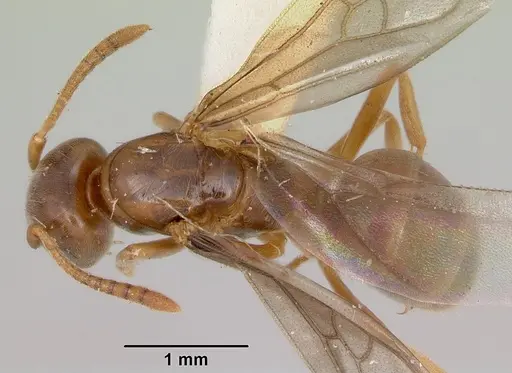
CASENT0103497
View on AntWeb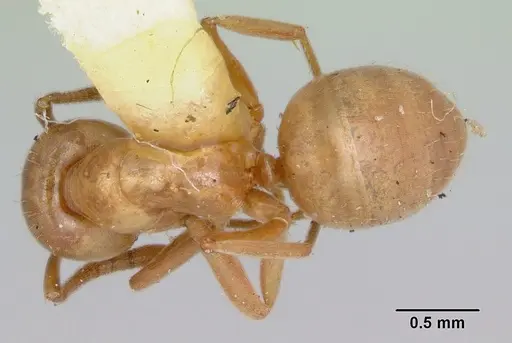
CASENT0105576
View on AntWeb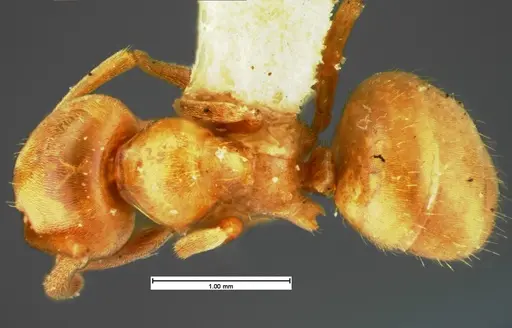
CASENT0903202
View on AntWeb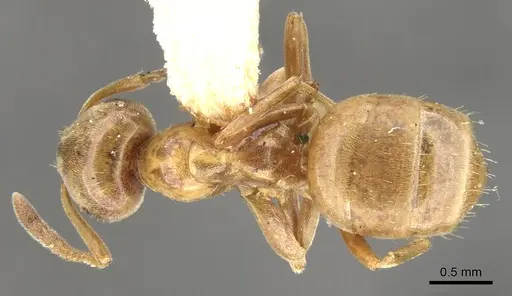
Literature
Loading...Loading products...