

Lasius longipalpus
- Scientific Name
- Lasius longipalpus
- Tribe
- Lasiini
- Subfamily
- Formicinae
- Author
- Seifert, 2020
- Distribution
- Found in 2 countries
Lasius longipalpus Overview
Lasius longipalpus is an ant species of the genus Lasius. It is primarily documented in 2 countries , including China, Korea, Republic of. Detailed taxonomic data and occurrence records can be further explored via authoritative databases such as AntWeb or the Global Biodiversity Information Facility (GBIF).
Lasius longipalpus
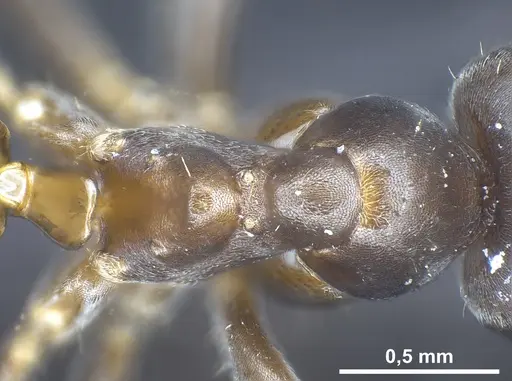
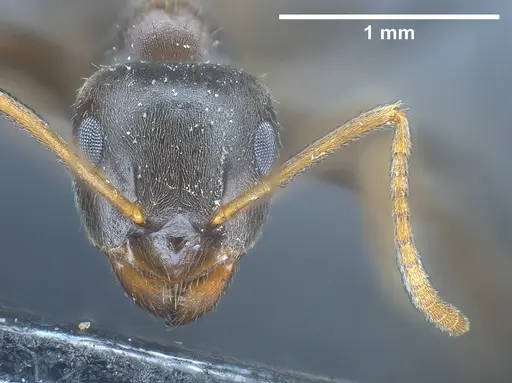
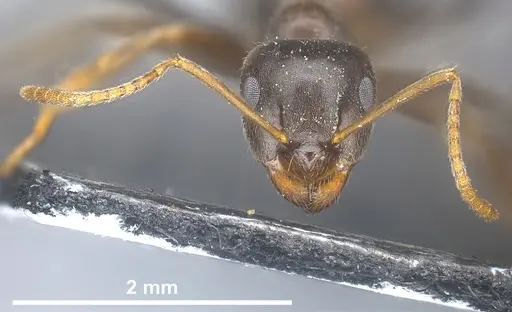
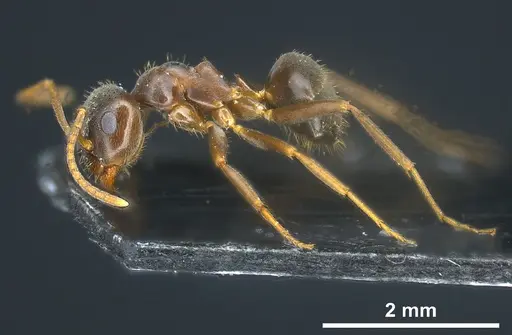
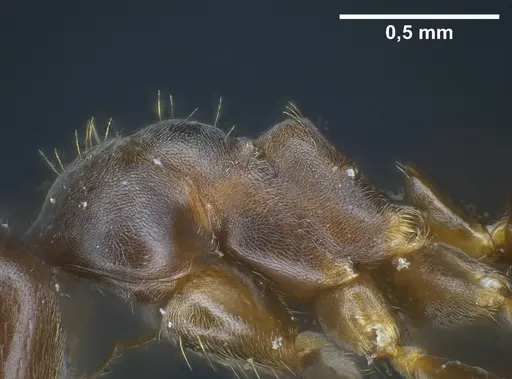
Lasius longipalpus is a small, dark-colored ant species recently described in 2020,belonging to the niger species group within the Lasius genus. Workers measure around 3-4mm with a characteristic dark brown to blackish brown body and pale yellowish head, mandibles, antennae, and leg tips. The species gets its name from its notably long terminal maxillary palp segment. It is closely related to Lasius sichuensis but is smaller and has longer antennae scapes. This ant is widely distributed across eastern Asia, found in China's western provinces at high elevations (1300-3155m), as well as in the Russian Far East, Hokkaido, and South Korea [1][2].
What makes Lasius longipalpus particularly interesting is its adaptability to varied habitats. It thrives in woodland areas and semi-open habitats like city parks, showing higher tolerance to shaded forest edges compared to similar species like L. japonicus. At higher elevations in its range, it occupies more open situations, demonstrating considerable ecological flexibility. This euryoecious nature (tolerance to varied conditions) makes it an interesting species for antkeepers who want a adaptable, resilient ant [1][2].
Quick Summary
- Difficulty: Easy
- Origin & Habitat: Eastern Asia, native to China (Qinghai, Gansu, Sichuan, Shaanxi), Russian Far East, Hokkaido (Japan), and South Korea. Found in woodland areas, semi-open habitats like city parks, and at higher elevations in more open situations. Elevation range 35-3155m [1][2].
- Colony Type: Single-queen colonies (monogyne). Colony size likely moderate, similar to other Lasius niger-group species.
- Colony: Monogyne
- Founding: Claustral
- Size & Growth:
- Queen: Estimated 7-9mm based on genus patterns
- Worker: 3-4mm (CS 888 µm) [1]
- Colony: Estimated 1000-5000 workers based on genus typical size for niger-group
- Growth: Moderate, typical Lasius development
- Development: Estimated 6-8 weeks at optimal temperature based on genus patterns for Lasius species in temperate regions (Development time inferred from typical Lasius niger-group patterns. Higher elevation and latitude populations may have slightly longer development due to cooler conditions.)
- Antkeeping:
- Temperature: Keep at room temperature, roughly 18-24°C. Given the species' wide elevation range (35-3155m) and distribution in temperate Asia, it tolerates moderate temperatures. A gradient of 20-24°C is ideal. Room temperature is often suitable [1].
- Humidity: Moderate humidity around 50-70%. This species tolerates varied conditions but prefers typical woodland floor moisture. Keep nest substrate slightly moist but not waterlogged. Provide a water tube as a drinking source [1][2].
- Diapause: Yes, likely requires winter diapause given temperate Asian distribution. Provide 2-3 months at 5-10°C during winter, simulating natural seasonal cycle. This supports healthy colony development and reproductive cycles [1].
- Nesting: Y-tong (AAC) nests work well for this small species. Can also use test tube setups or plaster nests. Provide soil or sand substrate if using naturalistic setups. They accept various nest types due to their adaptable nature. Given their small worker size (3-4mm), ensure chambers are appropriately scaled [1].
- Behavior: Generally calm and non-aggressive temperament typical of Lasius species. Workers are active foragers, primarily tending honeydew and collecting small insects. Like other Lasius, they may form temporary trails to food sources. Escape risk is moderate, small workers can fit through small gaps, so use standard barrier methods (Fluon, talc). They are not known for stinging and pose no danger to keepers. Active during warmer months, with reduced activity during winter diapause [1][2].
- Common Issues: colonies may fail if kept too warm year-round without winter diapause period, small worker size means escape prevention should be taken seriously, use fine mesh and tight-fitting lids, overfeeding can lead to mold in nest setups, remove uneaten food promptly, wild-caught colonies may harbor parasites, quarantine and observe new colonies, slow initial colony growth during founding phase is normal, avoid disturbing queen
Housing and Nest Setup
Lasius longipalpus adapts well to various captive setups thanks to its euryoecious nature. For founding colonies, a standard test tube setup works perfectly, fill the tube one-third with water, plug with cotton, and place the queen in the dark. The queen will seal herself into a chamber and begin laying eggs. For established colonies, Y-tong (AAC) nests are ideal due to their small chamber sizes appropriate for these tiny workers. Acrylic nests and plaster nests also work well. If using a naturalistic setup, provide a soil or sand layer deep enough for the ants to dig chambers. The species accepts various nesting materials, so choose based on your preference for observation versus aesthetics. Always ensure the nest has a water source, a test tube with water and cotton works as both humidity source and drinking station [1].
Feeding and Diet
Like other Lasius species, Lasius longipalpus is omnivorous with a preference for sugar sources and protein. In captivity, offer sugar water or honey water regularly, this should be available at all times for adult workers. For protein, provide small insects like fruit flies, pinhead crickets, or mealworms. They will also eat small amounts of seeds or bird seed. In the wild, they tend honeydew from aphids and collect small insects, so their diet reflects this omnivorous foraging pattern. Feed protein sources 2-3 times per week, and remove any uneaten prey within 24 hours to prevent mold. Young colonies may take smaller prey items, offer appropriately sized portions. Some keepers report that Lasius longipalpus accepts a wide variety of foods, consistent with their adaptable nature in the wild [1][2].
Temperature and Seasonal Care
Lasius longipalpus originates from temperate Asia with a wide elevation range, meaning it tolerates moderate temperature variations. Keep the nest at 20-24°C during the active season, room temperature often falls within this range. During winter, the colony requires a diapause period of 2-3 months at 5-10°C. This can be achieved by moving the colony to an unheated garage, basement, or refrigerator (if dedicated for ant use). Do not skip diapause, it is essential for colony health and triggering reproductive cycles. In summer, avoid temperatures above 28°C, which can stress the colony. The species' presence in both lowland (35m in Russian Far East) and high-elevation (3155m in China) habitats demonstrates its temperature tolerance, but stable moderate conditions yield the best results [1].
Colony Development and Growth
Lasius longipalpus follows typical Lasius colony development patterns. The claustral queen seals herself in a chamber and raises the first brood using stored fat reserves, she does not forage during founding. First workers (nanitics) typically emerge smaller than mature workers and help expand the nest before the colony grows. Based on genus patterns, expect 6-8 weeks from egg to first worker at optimal temperature. Colony growth is moderate, it may take several months to reach 50 workers and a year or more to reach several hundred. Mature colonies may reach several thousand workers. The founding phase is the most critical period, avoid disturbing the queen and do not expose the nest to direct light or vibrations. Once workers emerge, the colony becomes more resilient and can tolerate occasional minor disturbances [1].
Behavior and Temperament
This species exhibits typical Lasius behavior, calm, non-aggressive workers that focus on foraging and brood care. Workers are active foragers and will establish trails to food sources when available. They are not territorial or aggressive toward keepers, making them easy to handle during nest maintenance. Unlike some Lasius species, they do not form supercolonies and maintain typical colony boundaries. Their small size (3-4mm workers) means they can squeeze through small gaps, so escape prevention is important. They do not possess a painful sting and pose no danger to humans. In the wild, they are often found in forest edges and semi-open areas, suggesting they tolerate some light but prefer sheltered locations. In captivity, they will explore and forage actively once the colony is established [1][2].
Frequently Asked Questions
How long does it take for Lasius longipalpus to produce first workers?
Expect 6-8 weeks from egg to first worker at optimal temperature (around 20-24°C). This is typical for Lasius species. The exact timing depends on temperature and feeding, warmer conditions slightly accelerate development while cooler temperatures slow it down.
What do Lasius longipalpus ants eat?
They are omnivorous. Offer sugar water or honey water constantly as an energy source. For protein, feed small insects like fruit flies, pinhead crickets, or mealworms 2-3 times per week. They will also accept seeds and other small protein sources.
Do Lasius longipalpus ants need hibernation?
Yes, they require a winter diapause period. Keep the colony at 5-10°C for 2-3 months during winter. This mimics their natural seasonal cycle in temperate Asia and is essential for colony health and triggering reproductive cycles.
Are Lasius longipalpus good for beginners?
Yes, this is an excellent species for beginners. They are small, calm, and adaptable to various conditions. They are not aggressive and do not require specialized care beyond standard Lasius husbandry. Their recently described status and interesting distribution make them appealing to more experienced keepers as well.
How big do Lasius longipalpus colonies get?
Mature colonies likely reach several thousand workers, typical of Lasius niger-group species. Growth is moderate, expect several months to reach 50 workers and potentially years to reach full size. Colony size depends on conditions and queen health.
What size are Lasius longipalpus workers?
Workers are small, measuring approximately 3-4mm in total length. The head size (CS) is 888 µm according to the original description. This is on the smaller end for Lasius species.
Can I keep multiple Lasius longipalpus queens together?
No, this species is monogyne (single-queen). Queens will fight if housed together. Only keep one queen per colony. Multiple-queen colonies have not been documented for this species.
What temperature is ideal for Lasius longipalpus?
Keep nest temperatures between 20-24°C during the active season. They tolerate moderate variations but prefer stable conditions. Room temperature is often suitable. Avoid temperatures above 28°C or below 15°C for extended periods.
When should I move Lasius longipalpus to a formicarium?
Wait until the colony has at least 50-100 workers before moving to a formicarium. The test tube setup is sufficient for founding colonies and early growth. Moving too early can stress the colony. A Y-tong or acrylic nest works well for this small species.
References

This caresheet is licensed under CC BY-SA 4.0 .
ANTWEB1041446
View on AntWeb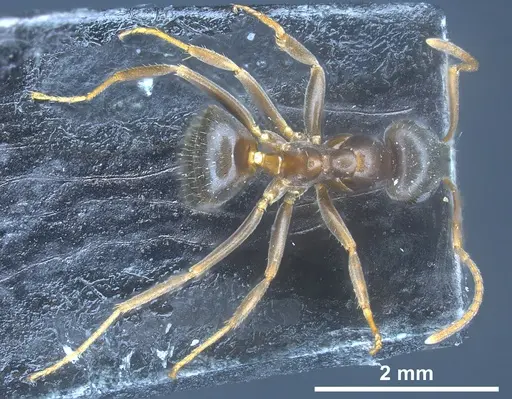
Literature
Loading...Loading products...