

Lasius fuji
- Scientific Name
- Lasius fuji
- Tribe
- Lasiini
- Subfamily
- Formicinae
- Author
- Radchenko, 2005
- Distribution
- Found in 2 countries
Lasius fuji Overview
Lasius fuji is an ant species of the genus Lasius. It is primarily documented in 2 countries , including Japan, Korea, Republic of. Detailed taxonomic data and occurrence records can be further explored via authoritative databases such as AntWeb or the Global Biodiversity Information Facility (GBIF).
Lasius fuji
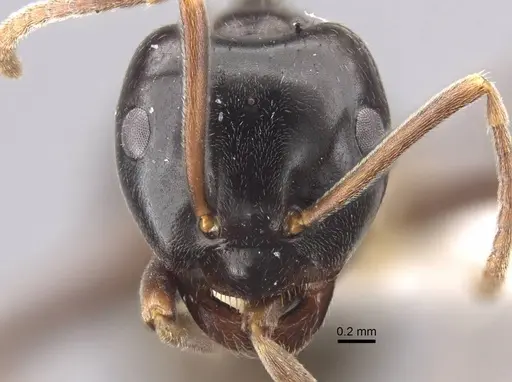
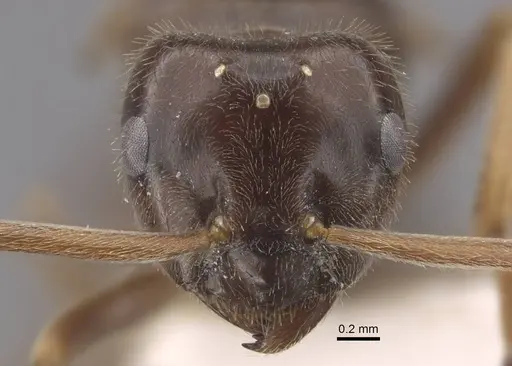
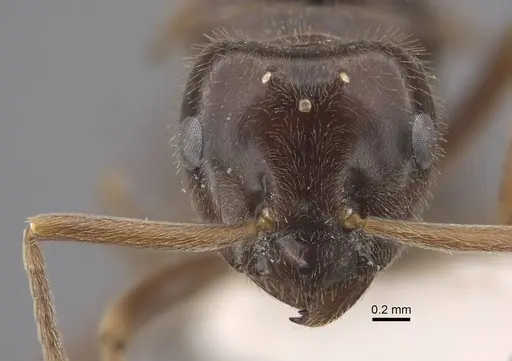
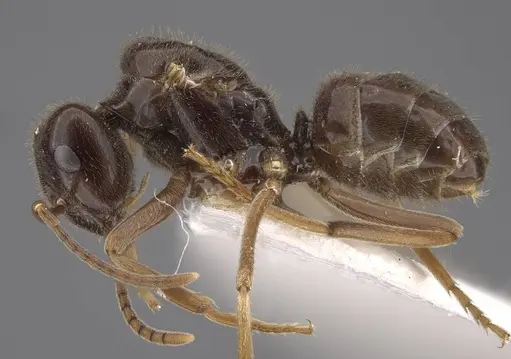
Lasius fuji is a medium-sized ant belonging to the Dendrolasius subgenus within the Lasius genus. Workers measure 4-5mm and have the characteristic shiny, dark appearance typical of the fuliginosus species group, with relatively long scapes and distinctive petiolar scale hairs. This species was long considered the eastern form of Lasius fuliginosus before being described as a separate species in 2005. It inhabits forested areas across eastern Asia, from Japan and the Korean Peninsula through northeastern China to the Russian Far East, typically nesting at elevations between 700-1500m in Mongolia. The species is most notable for its mutualistic relationship with the aphid Stomaphis yanonis, where chemical mimicry allows the aphids to live safely among the ants.
Quick Summary
- Difficulty: Medium
- Origin & Habitat: Eastern Asia including Japan, Korean Peninsula, northeastern China, and Russian Far East. Inhabits forested areas at 700-1500m elevation, nesting under the base of living trees and decaying stumps [1].
- Colony Type: Likely single-queen (monogyne) colonies based on typical Dendrolasius patterns. No specific data on colony size, but related Lasius fuliginosus colonies typically reach several thousand workers.
- Colony: Monogyne
- Founding: Claustral
- Size & Growth:
- Queen: Queens measure approximately 1.36-1.40mm head length [1]
- Worker: Workers are 4-5mm in total length [2]
- Colony: Unknown for this specific species, but likely several thousand workers based on related L. fuliginosus patterns
- Growth: Moderate, typical for Lasius species
- Development: Estimated 6-8 weeks at optimal temperature based on typical Lasius development (Development time inferred from related species in the genus, no specific data for L. fuji)
- Antkeeping:
- Temperature: Keep at 18-24°C, with a slight gradient allowing cooler areas. This is a temperate forest species that prefers cooler conditions than tropical ants [1].
- Humidity: Moderate humidity around 50-70%. Forest-dwelling ants that prefer somewhat damp conditions but not wet substrate. Provide a water tube for drinking water.
- Diapause: Yes, this species requires a winter dormancy period. Keep at 5-10°C for 3-4 months during winter, mimicking natural seasonal cycles [1].
- Nesting: Y-tong (AAC) nests work well, or plaster/naturalistic setups. They naturally nest under trees and in decaying wood, so provide conditions that mimic forest floor microhabitats. Acceptable humidity range is moderate.
- Behavior: Generally non-aggressive and shy compared to some Lasius species. Workers are active foragers that tend aphids for honeydew. They are not strong climbers and prefer to stay at ground level. Escape risk is moderate, standard barrier precautions are sufficient but they can squeeze through small gaps if motivated. They have the typical Formicinae ability to spray formic acid when threatened, though this is rarely a concern for keepers.
- Common Issues: colonies may fail if not given proper hibernation, this temperate species needs winter dormancy, aphid mutualism means they may ignore sugar water if not hungry, offer protein regularly, slow founding phase can cause keepers to abandon colonies before workers arrive, wild-caught colonies may have parasites that can devastate captive colonies, test tube setups must have proper escape prevention, workers can squeeze through small gaps
Nest Preferences and Housing
Lasius fuji naturally nests under the base of living trees and in decaying stumps in forested areas. For captive care, Y-tong (acrylic) nests work well, as do plaster nests or naturalistic setups with appropriate substrate. They prefer darker, more enclosed nest chambers rather than exposed setups. A water tube connected to the nest helps maintain humidity and provides drinking water. Since they are forest-dwelling ants, avoid placing their setup in direct sunlight, they prefer stable, moderate temperatures with some shade. The nest should have chambers sized appropriately for a colony that will eventually grow to several thousand workers. [2][1]
Feeding and Diet
Like other Lasius species, L. fuji is omnivorous but strongly倾向于 honeydew and sugar sources from aphids. In captivity, offer sugar water or honey regularly, along with protein sources like mealworms, crickets, or other small insects. This species has a documented mutualistic relationship with Stomaphis aphids in the wild, so they are well-adapted to processing sugar from aphid honeydew. Feed protein 2-3 times per week and keep sugar water available constantly. Remove uneaten prey after 24-48 hours to prevent mold. Workers will tend any aphids you provide if given access to them.
Temperature and Seasonal Care
Lasius fuji is a temperate species from northern latitudes, so it prefers cooler conditions than many tropical ants. Keep the nest area at 18-24°C, with a temperature gradient allowing workers to choose their preferred zone. Room temperature in most homes (20-22°C) is often ideal. During winter, this species requires a diapause (hibernation) period of 3-4 months at 5-10°C. This is essential for colony health and mimics their natural seasonal cycle. Reduce feeding during hibernation and do not disturb the colony unnecessarily. In spring after hibernation, colony activity will increase as the queen begins laying eggs again. [1]
Behavior and Colony Dynamics
Lasius fuji workers are active foragers that search for honeydew and small prey. They are not particularly aggressive and will typically flee rather than engage threats. When threatened, they can spray formic acid as a defense, though this is mild and rarely a concern for keepers. The colony grows moderately, expect the first workers (nanitics) to emerge 6-8 weeks after founding, then gradual growth over several months. Colonies can eventually reach several thousand workers. Queens are long-lived and can survive for many years, with worker populations expanding annually after the initial founding phase. [1]
Unique Relationship with Aphids
One of the most interesting aspects of Lasius fuji is its mutualistic relationship with Stomaphis yanonis aphids. These aphids have evolved cuticular hydrocarbons that mimic those of the ants, allowing them to live among the colony without being attacked. The ants protect the aphids and in return receive honeydew as a food source. In captivity, you may observe this behavior if you provide aphids to your colony. The chemical integration is so precise that the aphids can move freely through the nest. This relationship also means L. fuji is particularly well-adapted to sugar-rich diets.
Frequently Asked Questions
How long does it take for Lasius fuji to raise first workers?
Expect first workers (nanitics) to emerge 6-8 weeks after the queen lays eggs, at optimal temperature around 20-22°C. This is typical for Lasius species. The queen will remain sealed in her founding chamber until workers arrive.
Do Lasius fuji ants need hibernation?
Yes, this species requires a winter dormancy period. Keep the colony at 5-10°C for 3-4 months during winter. This is essential for colony health and mimics their natural seasonal cycle in temperate forests.
What do Lasius fuji ants eat?
They are omnivorous but prefer sugar sources. Offer sugar water or honey constantly, along with protein (mealworms, crickets, or other small insects) 2-3 times per week. They are well-adapted to processing honeydew from aphids.
Are Lasius fuji good for beginners?
This species is rated as medium difficulty. While not as challenging as some exotic species, they do require proper hibernation and moderate humidity. Beginners should research their specific needs before purchasing.
How big do Lasius fuji colonies get?
Based on related species, colonies likely reach several thousand workers over several years. They are not as prolific as some Lasius species but can still form substantial colonies.
Can I keep multiple Lasius fuji queens together?
This species is likely monogyne (single queen) based on typical Dendrolasius patterns. Combining unrelated queens is not recommended as they will likely fight. Only keep one queen per colony.
What temperature is best for Lasius fuji?
Keep nest temperatures between 18-24°C. Room temperature (20-22°C) is often ideal. They prefer cooler conditions than tropical ants since they come from temperate forests.
When should I move Lasius fuji to a formicarium?
Keep newly caught or purchased queens in a test tube setup until the colony reaches at least 20-30 workers. Moving them too early can stress the colony. Once established, they can be moved to a Y-tong or plaster nest.
Why is my Lasius fuji colony not growing?
Common causes include: improper temperature (too cold or too hot), lack of proper hibernation, insufficient protein, or the queen has died. Check that temperatures are stable at 18-24°C, protein is being offered regularly, and ensure hibernation was provided in previous winter.
References

This caresheet is licensed under CC BY-SA 4.0 .
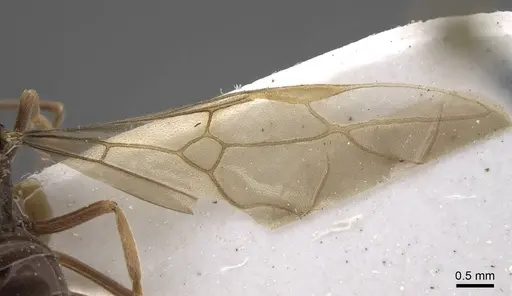
CASENT0917491
View on AntWeb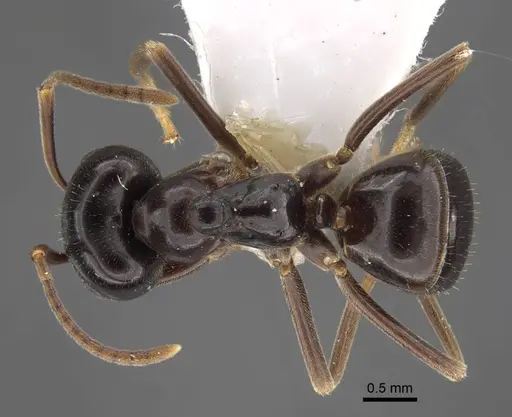
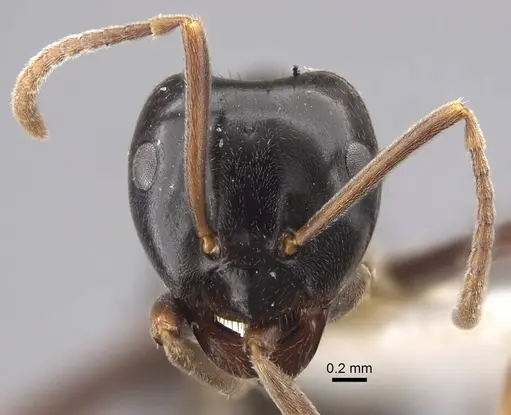
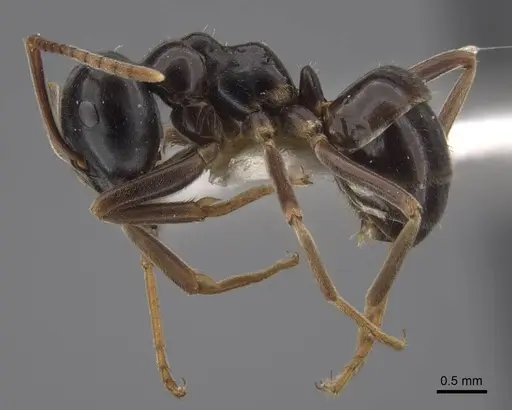
CASENT0917492
View on AntWeb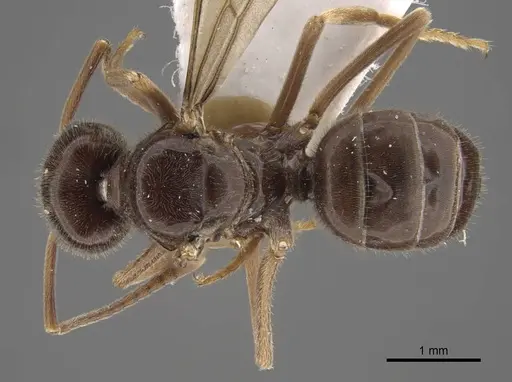
Literature
Loading...Loading products...