

Lasius flavescens
- Scientific Name
- Lasius flavescens
- Tribe
- Lasiini
- Subfamily
- Formicinae
- Author
- Forel, 1904
- Distribution
- Found in 3 countries
Lasius flavescens Overview
Lasius flavescens is an ant species of the genus Lasius. It is primarily documented in 3 countries , including Afghanistan, Kyrgyzstan, Uzbekistan. Detailed taxonomic data and occurrence records can be further explored via authoritative databases such as AntWeb or the Global Biodiversity Information Facility (GBIF).
Lasius flavescens
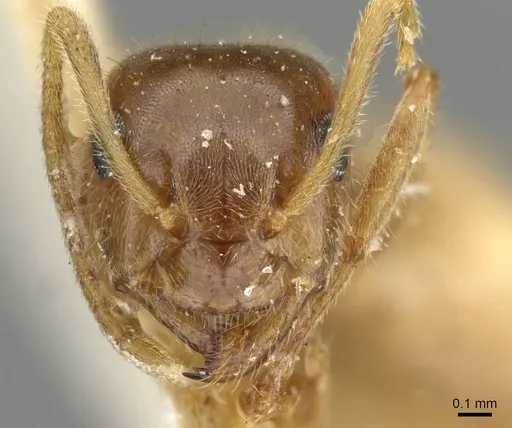
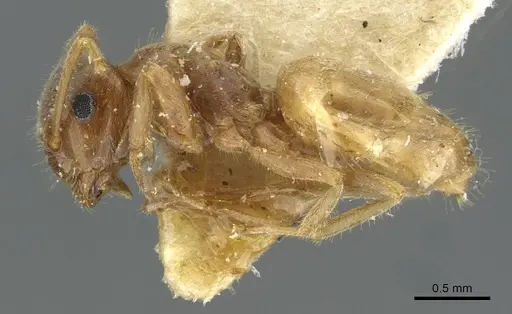
Lasius flavescens is a small, hairy ant species native to the mountainous regions of Central Asia, including Afghanistan, Kyrgyzstan, Uzbekistan, and Iran. Workers are quite small at around 3-4mm, with a distinctive very fuzzy appearance due to numerous erect setae (stiff hairs) covering their body and legs [1]. Their most striking feature is their strong yellow coloration, which can range from bright clear yellow to yellowish-brown depending on the specimen, darker specimens often have a brownish head and gaster while the middle body remains lighter [1][2]. This species belongs to the niger clade within the Lasius genus and is considered a distinct species after being revived from synonymy with Lasius niger in 1961 [3].
What makes L. flavescens particularly interesting is its high-altitude mountain habitat. It lives at elevations between 2040-3600m in the Tian Shan mountains and surrounding regions, making it one of the more cold-tolerant Lasius species [1]. Unlike many Lasius species that are primarily subterranean, this species shows significant above-ground activity thanks to its relatively large eyes, it forages actively both day and night, hunting aphids and collecting honeydew from plants [4].
Quick Summary
- Difficulty: Medium
- Origin & Habitat: Native to Central Asia, specifically NE Afghanistan, western Tian Shan mountains, Kyrgyzstan, Uzbekistan, and northern Iran. Found at high elevations between 2040-3600m in mountainous habitats including Ferula-Prangos steppes, high-grassy meadows in fir forest zones, and subalpine meadows [1][2]. In Iran, they have been found in moist forest habitats on the ground [5].
- Colony Type: Single-queen colonies (monogyne), typical for Lasius s.str. subgenus. Colonies are populous with multiple workers [1]. Ergatoid replacement reproductives may be present as is common in Lasius, but this is not documented specifically for this species.
- Colony: Monogyne
- Founding: Claustral
- Size & Growth:
- Queen: Estimated 7-9mm based on Lasius genus patterns, not directly measured in literature
- Worker: 3-4mm (CS 844 ± 48 µm) [1][2]
- Colony: Populous colonies, likely several thousand workers based on typical Lasius growth patterns [1]
- Growth: Moderate, development timeline estimated at 6-10 weeks from egg to first worker at optimal temperature, based on related Lasius species
- Development: 6-10 weeks (estimated based on typical Lasius genus development at 20-24°C) (Development time inferred from related Lasius species, direct measurements not available for this species)
- Antkeeping:
- Temperature: Keep cool to moderate, aim for 18-22°C. This species comes from high-altitude mountain habitats and prefers cooler conditions than many common Lasius species. Avoid overheating. Room temperature is often suitable. A slight temperature gradient allows workers to choose their preferred zone.
- Humidity: Moderate humidity, they prefer somewhat moist conditions. Keep the nest substrate damp but not waterlogged. In nature they inhabit areas with moisture access, including moist forests and subalpine meadows. Provide a water tube for drinking access.
- Diapause: Yes, requires winter dormancy. As a high-altitude Central Asian species, they need a cold period around 5-10°C for 3-4 months during winter. This mimics their natural cycle in the Tian Shan mountains where temperatures drop significantly at elevation.
- Nesting: Use test tubes for founding colonies, then transition to formicariums with soil or plaster. They nest under stones in the wild and will accept various nest types. Provide damp substrate and avoid excessive heat. Y-tong nests or plaster nests with soil chambers work well. They are adaptable and will nest in dead wood, soil, or under stones.
- Behavior: Active and agile foragers with a mixed lifestyle, they actively forage above ground rather than being strictly subterranean. Workers are non-aggressive and typically calm in captivity. They have well-developed eyes and search for food both day and night [4]. They feed on honeydew from aphids and nectar from flowers, plus small insects. Escape risk is moderate, they are small but not extremely tiny, standard escape prevention measures work well. They do not have a strong chemical defense (no aromatic smell unlike some Lasius) [4].
- Common Issues: high-altitude cold adaptation means they can die from overheating, keep them cool, colonies may fail if not given proper winter dormancy, diapause is essential, small size means escape prevention is still important despite moderate escape risk, slow founding phase, claustral queens need patience during the first few months, moisture balance is critical, too wet causes fungal problems, too dry causes desiccation
Housing and Nest Setup
Lasius flavescens adapts well to various captive setups. For founding colonies, use a standard test tube setup with a water reservoir, the queen will seal herself into a dark chamber and raise her first brood there. Once you have 20+ workers, you can transition to a formicarium. They accept most nest types including Y-tong (acrylic), plaster nests, and naturalistic setups with soil. The key is providing damp substrate that stays moist but not waterlogged. In the wild, they nest under stones and in soil at high elevations, so they appreciate having a cool, stable environment. Avoid placing the nest in direct sunlight or near heat sources, this species prefers cooler conditions. A small outworld for foraging completes the setup. [1][2][4]
Feeding and Nutrition
Like other Lasius species, L. flavescens is omnivorous with a preference for sweet liquids and protein. Feed them sugar water or honey water regularly, they readily accept these and will form clusters around the food. For protein, offer small insects like fruit flies, small crickets, or mealworms. In nature, they actively forages for honeydew from aphids and nectar from flowers, and hunts small prey [4]. They are day-and-night foragers, so food can be offered at any time. Remove uneaten protein after 24-48 hours to prevent mold. A constant sugar source is recommended once the colony reaches 50+ workers.
Temperature and Seasonal Care
This is one of the cooler-tolerant Lasius species due to its high-altitude mountain origin. Keep the nest at 18-22°C, room temperature is often ideal. Avoid temperatures above 25°C as this species is adapted to cooler conditions. During summer, ensure the colony is not exposed to heat stress. In winter, they require a proper diapause (hibernation) period of 3-4 months at 5-10°C. This can be provided by moving the colony to an unheated garage, basement, or refrigerator during winter months. The diapause is essential for colony health and mimics their natural cycle in the high-altitude Tian Shan mountains where winters are severe [1].
Behavior and Foraging
Lasius flavescens is notably more active above ground than many Lasius species, thanks to its larger eyes and epigaeic (ground-surface) lifestyle [4]. Workers forage actively both day and night, searching for honeydew, nectar, and small prey. They are not aggressive and typically ignore threats rather than attacking. In the wild, they crawl on various plants including trees and grasses, and are even commonly observed in houses in their native range [4]. This makes them relatively easy to observe in captivity. They do not possess the strong formic acid smell that some Lasius species have. Workers are fuzzy (covered in erect setae) which gives them a distinctive appearance under magnification.
Colony Development
Starting a colony from a newly mated queen requires patience. The queen is claustral, she seals herself in a chamber and raises her first brood without leaving to forage, living entirely on her stored fat reserves [2]. The first workers (nanitics) will be smaller than normal workers and typically appear after 6-10 weeks depending on temperature. After the nanitics emerge, the queen will stop foraging and the workers take over all colony tasks. Growth is moderate, expect several months before you have a thriving colony. Colonies become populous over several years, with mature colonies potentially containing several thousand workers [1]. The founding phase is the most critical time, avoid disturbing the queen during this period.
Frequently Asked Questions
How long does it take for Lasius flavescens to raise first workers?
Expect 6-10 weeks from egg to first worker at optimal temperature (around 20°C). This is typical for Lasius species. The queen is claustral, she seals herself away and raises the first brood alone using stored fat reserves. Be patient during founding as disturbance can cause queen abandonment.
Do Lasius flavescens need hibernation?
Yes, they require a winter dormancy period. As a high-altitude mountain species from Central Asia (elevations 2040-3600m), they need 3-4 months at 5-10°C each winter. This can be provided by moving the colony to an unheated garage, basement, or refrigerator during winter. Skipping hibernation will weaken the colony over time.
What temperature is best for Lasius flavescens?
Keep them cool, aim for 18-22°C. This species prefers cooler conditions than many common ant species because of its mountain habitat. Room temperature is often ideal. Avoid overheating and keep them away from direct heat sources. Temperatures above 25°C can be harmful.
Are Lasius flavescens good for beginners?
They are moderate difficulty, easier than some exotic species but require attention to temperature and seasonal care. They are forgiving of minor mistakes and adapt well to captivity. The main requirements are keeping them cool and providing proper winter dormancy. Their small size and active foraging make them interesting to watch.
What do Lasius flavescens eat?
They are omnivorous. Feed sugar water or honey water regularly, they accept these readily. For protein, offer small insects like fruit flies, small crickets, or mealworms. In nature they feed on honeydew from aphids and nectar from flowers, plus small prey [4]. Remove uneaten protein after a day to prevent mold.
How big do Lasius flavescens colonies get?
Colonies become populous, likely reaching several thousand workers over several years. They are described as having populous nests in the wild [1]. Growth is moderate, expect 1-2 years to reach a few hundred workers, with larger colonies developing over time.
Can I keep multiple Lasius flavescens queens together?
This species is monogyne (single-queen) in structure. Unlike some Lasius species that can be polygynous, L. flavescens typically has one queen per colony. Combining unrelated queens is not recommended and would likely result in fighting. Only one queen should be introduced per colony.
When should I move Lasius flavescens from a test tube to a formicarium?
Move them once you have 20-30 workers and the test tube is becoming crowded. They can stay in test tubes longer than many species since they tolerate cool, damp conditions well. Transition to a formicarium with soil or plaster when you see workers clustering near the cotton or the brood pile is large.
Why is my Lasius flavescens colony dying?
Common causes include: overheating (keep below 25°C), improper humidity (too wet causes mold, too dry causes desiccation), skipping hibernation, or stress during founding. This species is adapted to cool mountain conditions, warmth-loving ant setups will kill them. Check that temperatures are in the 18-22°C range and proper winter dormancy was provided.
References

This caresheet is licensed under CC BY-SA 4.0 .
CASENT0911048
View on AntWeb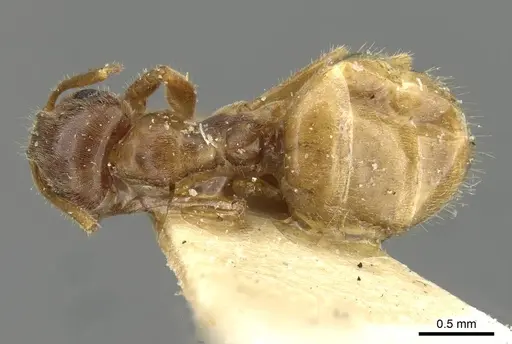
Literature
Loading...Loading products...