

Lasius citrinus
- Scientific Name
- Lasius citrinus
- Tribe
- Lasiini
- Subfamily
- Formicinae
- Author
- Emery, 1922
- Distribution
- Found in 13 countries
Lasius citrinus Overview
Lasius citrinus is an ant species of the genus Lasius. It is primarily documented in 13 countries , including Belgium, Bulgaria, Switzerland. Detailed taxonomic data and occurrence records can be further explored via authoritative databases such as AntWeb or the Global Biodiversity Information Facility (GBIF).
Lasius citrinus
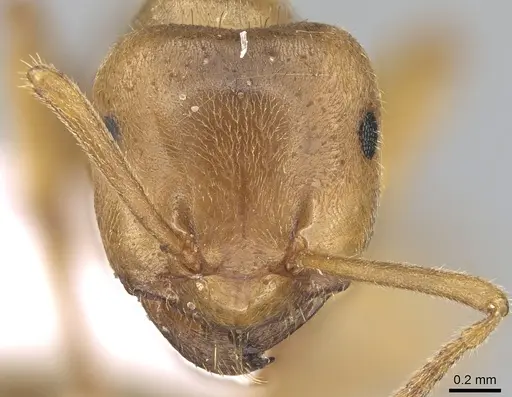
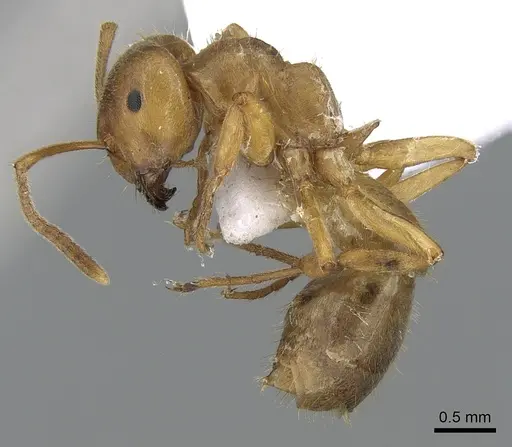
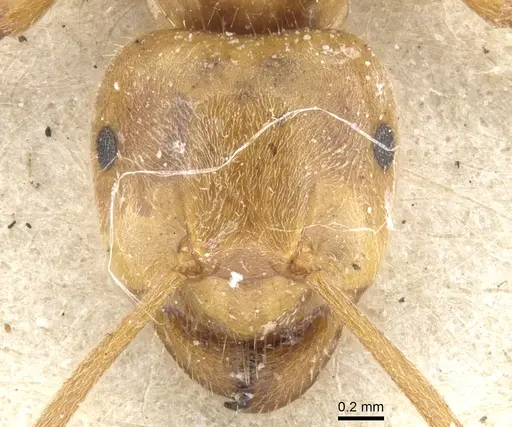
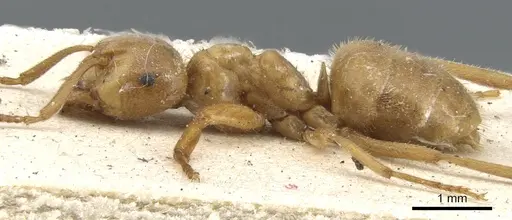
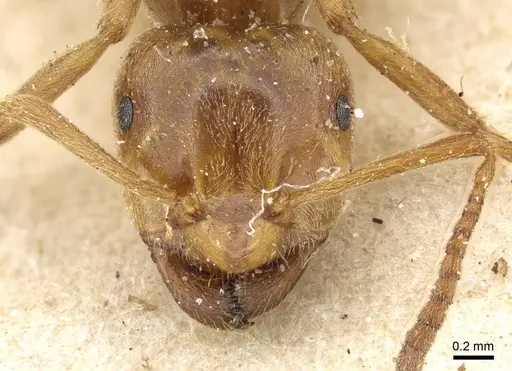
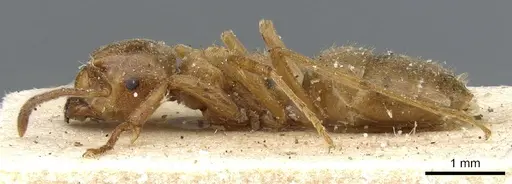
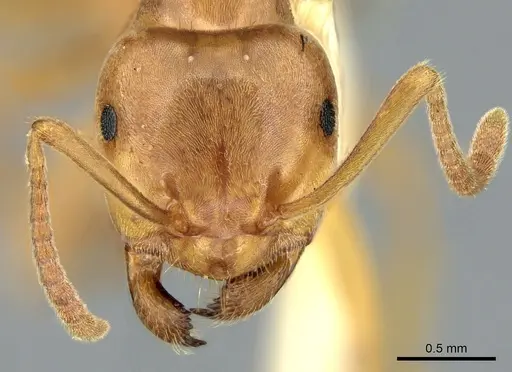
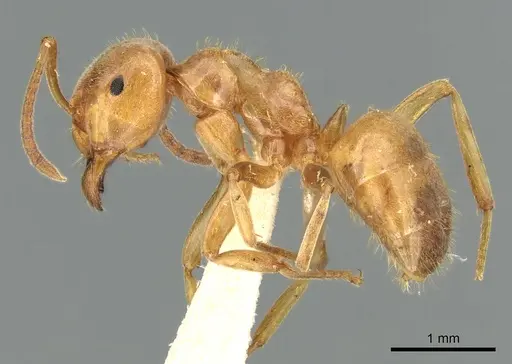
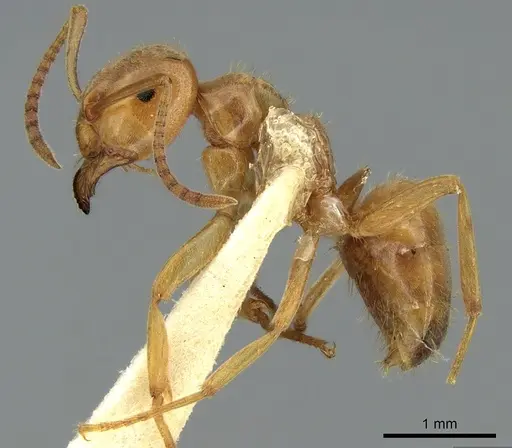
Lasius citrinus is a small, pale yellow ant belonging to the subgenus Chthonolasius, known for its unusual temporary social parasitic lifestyle. Workers measure 3.4-4.9mm with a distinctive deep notch on the petiolar scale and erect hairs covering the entire abdominal surface [1][2]. Queens reach 6-7.5mm and are similarly pale yellow [1]. This species has a broad but scattered distribution across the Palaearctic region from Western Europe to East Asia, though it is extremely rare in most countries [3]. The species produces a peculiar aromatic scent and has a hidden, less mobile lifestyle with reduced eyes [4]. What makes L. citrinus particularly interesting is its temporary social parasitism, queens must invade established colonies of Lasius brunneus (the host species), kill the resident queen, and use the host workers to raise their first brood [2][1]. This parasitic founding method makes them exceptionally challenging to keep in captivity.
Quick Summary
- Difficulty: Expert
- Origin & Habitat: Palaearctic region including Central Europe, Caucasus, and East Asia. In Greece, found in mountain deciduous forests and old quarries near coniferous forest at altitudes of 567-1325m [5]. Prefers warm, sunny forest edges and clearings in deciduous forests, nesting in rotting logs, tree stumps, and the root zone of living or dead trees [6][7].
- Colony Type: Temporary social parasite, single queen colonies that establish by invading host Lasius brunneus colonies. The parasitic queen kills the host queen and uses the host workers to raise her first brood before the colony becomes independent [2][1].
- Colony: Monogyne
- Queen: Socially parasitic, Temporary parasitic
- Size & Growth:
- Queen: 6-7.5mm [1]
- Worker: 3.4-4.9mm [1][2]
- Colony: Colonies can become very populous and extensive [7], though exact maximum is not documented
- Growth: Moderate, estimated based on related Lasius species
- Development: Estimated 6-8 weeks at optimal temperature based on genus-level data for related Chthonolasius species (Development likely occurs within the host colony initially, then continues independently after the host queen is replaced)
- Antkeeping:
- Temperature: Keep at 20-24°C. As a forest-edge species, they prefer warm but not hot conditions with some temperature variation [6]. A gentle gradient is beneficial.
- Humidity: Moderate humidity around 50-60%. These ants naturally nest in decaying wood which provides some moisture. Keep the nest substrate slightly moist but not waterlogged.
- Diapause: Yes, related Lasius species require winter hibernation. Provide a cold period around 5-10°C for 3-4 months during winter.
- Nesting: Y-tong (AAC) or plaster nests work well. Provide decaying wood or cork pieces within the nest for them to establish their characteristic carton structures. The nest should have narrow chambers scaled to their small size.
- Behavior: These ants are cryptic and rarely come to the surface except during nuptial flights. They have reduced eyes and a hidden lifestyle [4]. Workers are not aggressive and will quickly retreat if disturbed. Escape risk is moderate, they are small but not particularly good climbers. They feed primarily on honeydew from aphids and other insect excretions [4]. The most critical aspect is their temporary social parasitic founding, which is essential for colony establishment.
- Common Issues: temporary social parasitism makes colony founding extremely difficult, queens require a host L. brunneus colony to establish, host species L. brunneus may be difficult to obtain and maintain simultaneously, colonies are rare in the wild and may have low genetic diversity, cryptic lifestyle makes them difficult to observe and monitor, poor record in captivity due to founding challenges
Understanding Temporary Social Parasitism in Lasius citrinus
Lasius citrinus is a temporary social parasite, meaning its queens cannot found colonies independently like most ant species. Instead, a newly mated queen must find an established colony of Lasius brunneus (the primary host species), infiltrate the nest, kill the resident queen, and trick the host workers into caring for her brood [2][1]. This behavior is typical of the Chthonolasius subgenus, which includes several socially parasitic Lasius species. The host workers initially raise the parasite's brood, and once the first workers emerge, the colony gradually transitions to being composed of the parasitic species' workers while the host workers die off. This makes keeping L. citrinus extraordinarily challenging, you would need to maintain both a host colony and introduce a L. citrinus queen at the right moment. For antkeepers, this species is generally not recommended unless you have specific interest in studying social parasitism and can source both species.
Housing and Nest Setup
Since L. citrinus nests in decaying wood in nature, a Y-tong (AAC) nest or plaster nest with wood elements works best. Provide small pieces of cork or decaying wood within the nest chamber, this allows the ants to build their characteristic fragile yellowish-brown carton structures [1]. The nest chambers should be small and scaled to their tiny worker size (3.4-4.9mm). Use a test tube setup for the outworld with standard sugar water and protein food offerings. Because they are cryptic and rarely leave the nest, you may not see much activity. Escape prevention should be moderate, they are small but not particularly agile climbers. Ensure the nest area maintains moderate humidity (around 50-60%) by occasional misting or a water reservoir, but avoid excessive moisture that could damage the carton nest material.
Feeding and Diet
Like other Lasius species, L. citrinus primarily feeds on honeydew, the sugary excretions from aphids and scale insects kept as cohabitants in their nests [4]. In captivity, offer sugar water (1:1 sugar to water ratio) or honey water as a constant sugar source. For protein, they will accept small insects like fruit flies, small mealworms, and other tiny arthropods. Feed protein 2-3 times per week. Because of their hidden lifestyle, they may be less active foragers than other Lasius species, place food near nest entrances and in multiple locations. Do not overfeed as uneaten protein can quickly mold in the humid nest environment.
Temperature and Seasonal Care
Keep L. citrinus at 20-24°C, which matches their preference for warm forest edges in nature [6]. A slight temperature gradient across the nest is beneficial, allow them to choose their preferred microclimate. During summer, room temperature is usually sufficient, but you may need to add gentle heating in cooler rooms. Like all temperate ants, they require a winter diapause period. Provide 3-4 months of cold temperatures around 5-10°C during winter (roughly October through February in the Northern Hemisphere). Reduce or stop feeding during hibernation and keep the nest slightly cooler. This rest period is essential for colony health and reproductive development.
The Challenge of Colony Establishment
The biggest challenge with L. citrinus is establishing a colony in the first place. Unlike most ants where you can simply house a founding queen in a test tube, L. citrinus queens are obligate social parasites that require a host colony. To attempt establishment, you would need to: 1) Maintain a healthy Lasius brunneus colony,2) Introduce a newly mated L. citrinus queen when the host colony is established but not too aggressive, and 3) Hope the infiltration succeeds. Even then, success rates are naturally low. For these reasons, L. citrinus is considered an expert-only species best suited for researchers or advanced antkeepers specifically interested in social parasitism. Most antkeepers should consider alternative Lasius species that can be founded independently. [2][1][6]
Frequently Asked Questions
Can I keep Lasius citrinus as a beginner antkeeper?
No, Lasius citrinus is not suitable for beginners. This species is an expert-only ant because it requires temporary social parasitism to establish a colony. The queen cannot found a colony independently, she must infiltrate and take over an established Lasius brunneus colony. This makes colony establishment extremely difficult and requires advanced knowledge of antkeeping.
How do I start a Lasius citrinus colony?
You cannot start a L. citrinus colony the traditional way. Unlike most ants where you house a founding queen alone, L. citrinus queens are temporary social parasites that must invade an established L. brunneus host colony. You would need to maintain both species and introduce the parasite queen at the right moment. This is exceptionally challenging and rarely attempted even by experienced antkeepers.
What do Lasius citrinus eat?
They primarily eat honeydew, the sugary secretions from aphids. In captivity, offer sugar water or honey water as a constant sugar source. For protein, they accept small insects like fruit flies, small mealworms, and other tiny arthropods. Feed protein 2-3 times per week.
What temperature do Lasius citrinus need?
Keep them at 20-24°C. This matches their natural habitat in warm forest edges. A slight temperature gradient across the nest is beneficial. They also require a winter hibernation period of 3-4 months at 5-10°C.
How big do Lasius citrinus colonies get?
Colonies can become very populous and extensive according to field observations [7]. Based on related Lasius species, colonies likely reach several hundred to over a thousand workers. However, actual colony size in captivity is rarely documented due to the difficulty of establishing colonies.
What is the host species for Lasius citrinus?
Lasius brunneus (the hairy wood ant) is the primary host species. The L. citrinus queen infiltrates an established L. brunneus colony, kills the resident queen, and uses the host workers to raise her initial brood [2][1][6].
Are Lasius citrinus rare in the wild?
Yes, they are extremely rare. The species has been considered extinct in Belgium since 1920 [8] and in the Netherlands since 1980 [9]. They are listed as strongly endangered in Thüringen, Germany [10] and threatened in several other Central European countries. Their scattered distribution and cryptic lifestyle make them difficult to study.
Do Lasius citrinus need hibernation?
Yes, like all temperate Lasius species, they require a winter diapause. Provide 3-4 months of cold temperatures around 5-10°C during winter. This is essential for colony health and reproductive development. Reduce feeding during this period.
References

This caresheet is licensed under CC BY-SA 4.0 .
CASENT0281204
View on AntWeb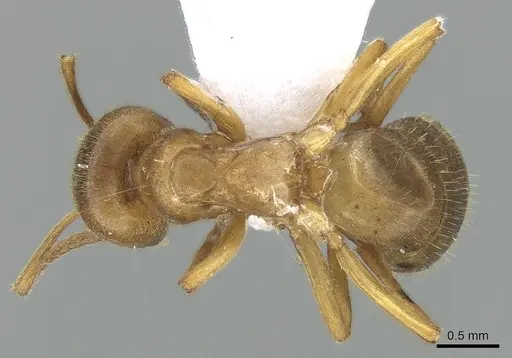
CASENT0281205
View on AntWeb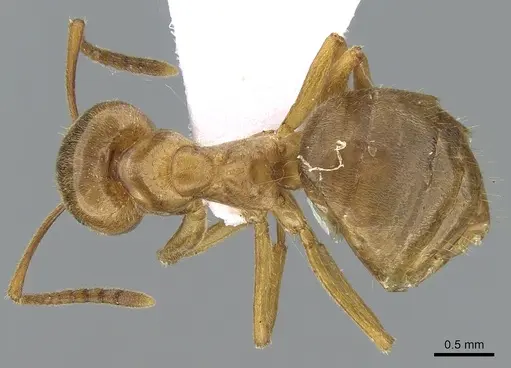
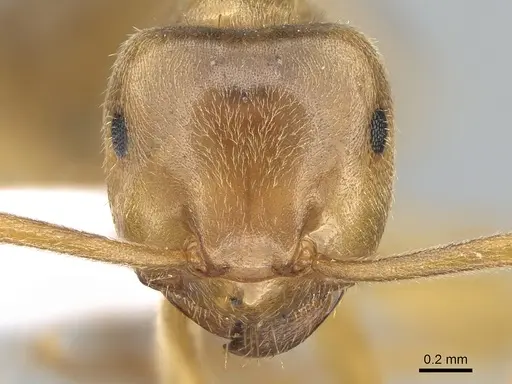
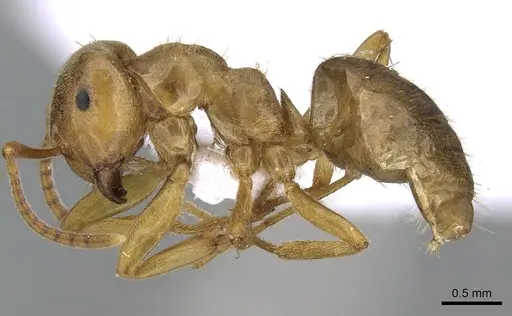
CASENT0903214
View on AntWeb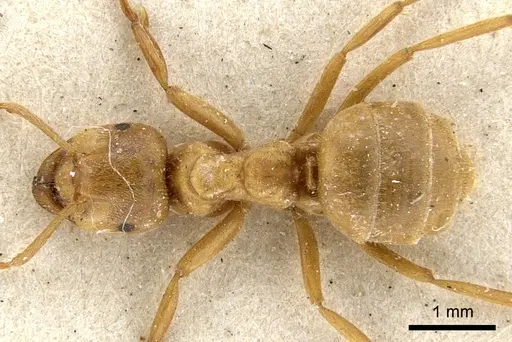
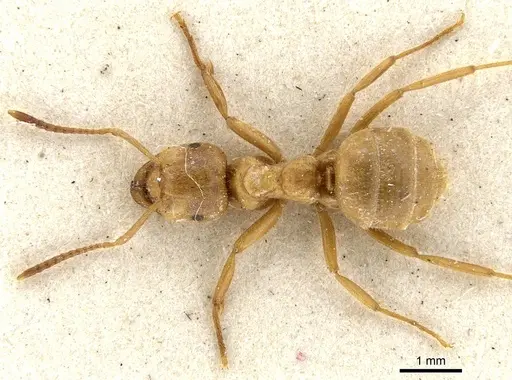
CASENT0905679
View on AntWeb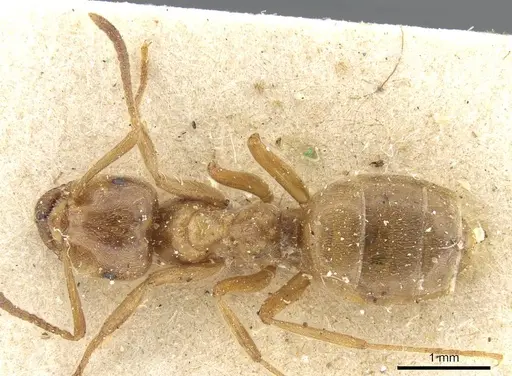
CASENT0906277
View on AntWeb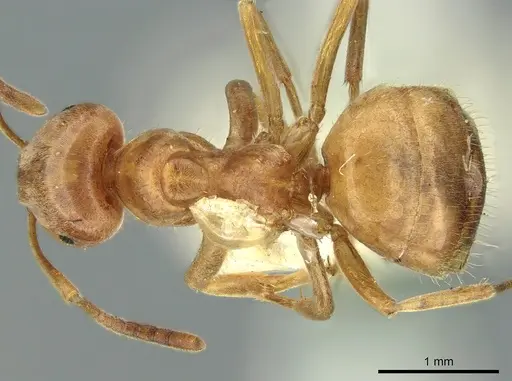
Literature
Loading...Loading products...