

Lasius chinensis
- Scientific Name
- Lasius chinensis
- Tribe
- Lasiini
- Subfamily
- Formicinae
- Author
- Seifert, 2020
- Distribution
- Found in 1 countries
Lasius chinensis Overview
Lasius chinensis is an ant species of the genus Lasius. It is primarily documented in 1 countries , including China. Detailed taxonomic data and occurrence records can be further explored via authoritative databases such as AntWeb or the Global Biodiversity Information Facility (GBIF).
Lasius chinensis
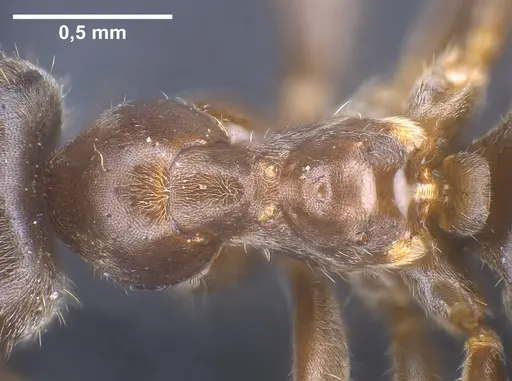
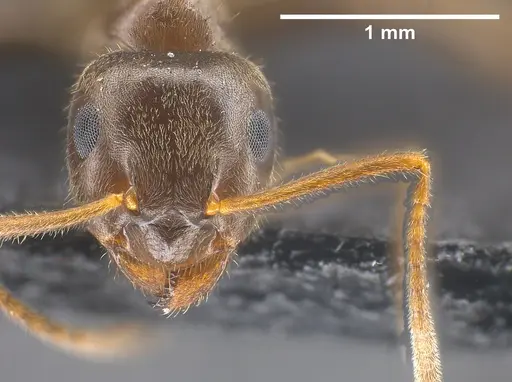
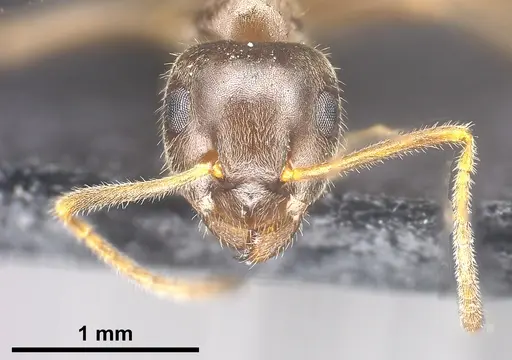
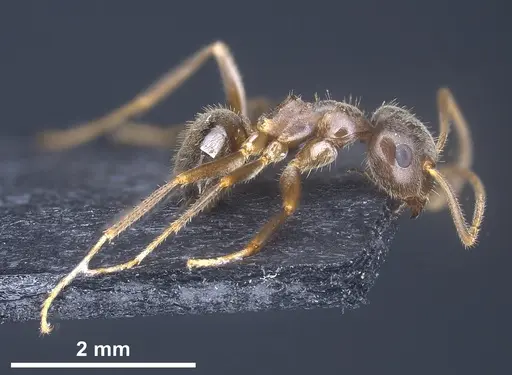
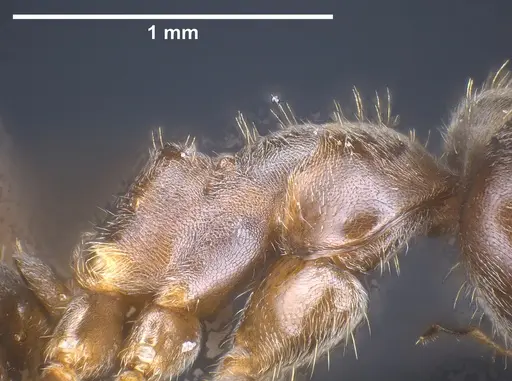
Lasius chinensis is a medium-sized ant native to northeastern China, first described by Seifert in 2020. Workers measure around 3.5-4mm and have a dark to blackish brown coloration with paler yellowish tinges on the antennal funiculus, leg joints, and anterior clypeal border. This species is characterized by very numerous and long standing setae (hairs) across all body parts, which distinguishes it from its close relative Lasius japonicus. It occupies a niche comparable to Lasius niger, being a highly adaptable 'eurypotent' species found in diverse habitats from river banks and open forests to urban parks and even concrete-sealed city centers [1]. This is a western parapatric sibling species of L. japonicus, with their contact zone spanning between 116-117°E from Beijing south to Shandong [1].
Quick Summary
- Difficulty: Easy
- Origin & Habitat: Northeastern China, from eastern Qinghai (36.6°N,101.7°E) east to Shandong (36.4°N,117.4°E), with the most southern record in Chengdu (30.64°N) and northern in Yong Deng (36.7°N). Altitudinal range from 370m to 3500m. Found at river banks, in open forest, and in parks. Regularly occurs in concrete-sealed city centers with few trees or some greenery [1].
- Colony Type: Single-queen (monogyne) colonies, following typical Lasius niger group patterns. Queens likely seal themselves in during founding (claustral) and raise first workers alone.
- Colony: Monogyne
- Founding: Claustral
- Size & Growth:
- Queen: Estimated 7-9mm based on Lasius genus patterns
- Worker: 3.5-4mm (CS 965 ± 57 µm) [1]
- Colony: Likely several thousand workers at maturity, similar to L. niger
- Growth: Moderate, typical Lasius development timeline
- Development: 6-10 weeks at optimal temperature (estimated from Lasius genus patterns) (Development time varies with temperature, warmer conditions within range accelerate development, cooler slow it down)
- Antkeeping:
- Temperature: Keep at 20-25°C. This is a temperate species from northern China that can tolerate cooler conditions. Room temperature (around 20-22°C) is ideal. A heating cable on one side of the nest creates a gradient allowing ants to self-regulate [1].
- Humidity: Moderate humidity preferred. Keep nest substrate moist but not waterlogged. These ants naturally occur near river banks so they appreciate some moisture, but can handle drier conditions than many species given their urban adaptability. Provide a water tube as their primary water source.
- Diapause: Yes, this is a temperate species from northern China with documented high-altitude records up to 3500m. You should hibernate colonies at 5-10°C for 2-3 months during winter, typically October/November through March in the Northern Hemisphere.
- Nesting: Y-tong (AAC), plaster, or test tube setups work well. They adapt to various nest types similar to L. niger. Provide a dark nesting chamber. They do well in both naturalistic setups with soil and in artificial formicaria.
- Behavior: Generally calm and non-aggressive, typical of Lasius genus. Workers are active foragers that readily accept sugar water and protein. They are not strong climbers but can escape through small gaps, use fluon on edges. This species is more tolerant of urban conditions than many ants, making them forgiving for beginners. They establish colonies quickly once founding is complete.
- Common Issues: escape prevention, use fluon barriers as workers can squeeze through tiny gaps, hibernation failure, colonies often die if not given proper winter rest at appropriate temperatures, founding colony loss, claustral queens sometimes fail if disturbed during sealing period, overfeeding mold, excess sugar water or protein can cause mold issues in enclosed nests, test tube flooding, ensure water reservoirs are properly sized to avoid drowning the colony
Housing and Nest Setup
Lasius chinensis adapts well to various captive setups. Test tubes work perfectly for founding colonies, use a standard test tube with a cotton ball separating the water reservoir from the ants. For established colonies, Y-tong (AAC) nests, plaster nests, or acrylic formicaria all work well. These ants are not particularly fussy about nest materials, similar to their close relative L. niger. Provide a dark area for the nest chamber. Since they naturally occur in urban environments, they tolerate vibration and disturbance better than many ant species. Ensure your setup has proper escape prevention, apply fluon or barrier gel around the edges of any formicarium. [1]
Feeding and Diet
Like other Lasius species, Lasius chinensis is omnivorous with a strong sweet tooth. Offer sugar water (1:1 ratio) or honey as a constant energy source. For protein, provide small insects like fruit flies, small crickets, or mealworms. In the wild, they tend aphids and feed on honeydew, so sugar sources are essential for colony health. Feed protein 2-3 times per week depending on colony size. Remove uneaten prey after 24-48 hours to prevent mold. A varied diet helps, try different protein sources to see what your colony prefers. Fresh water should always be available.
Temperature and Seasonal Care
This species does well at room temperature (20-25°C). Being from northern China with altitudinal ranges up to 3500m, they are adapted to cooler temperatures than many tropical ants. During summer, avoid overheating, temperatures above 30°C can be harmful. In winter, you must provide a hibernation period. Reduce temperature gradually in autumn, then store colonies at 5-10°C for 2-3 months. A refrigerator or cool basement works well. Do not feed during hibernation. Bring them back to room temperature gradually in spring. This diapause period is essential for colony health and queen reproduction. [1]
Colony Development
A claustral queen will seal herself into a small chamber and not leave until her first workers emerge. During this founding period (typically 4-8 weeks depending on temperature), she relies entirely on stored fat reserves. Do not disturb a founding queen, any vibration or light exposure can cause her to abandon or consume her eggs. Once nanitic (first) workers emerge, they will begin foraging. The colony grows gradually at first, then accelerates as worker numbers increase. A mature colony may contain several thousand workers. Queens can live for 15-20 years with proper care.
Behavior and Temperament
Lasius chinensis workers are active and efficient foragers. They are not aggressive and rarely sting, their sting is mild and rarely penetrates human skin. Workers communicate using chemical trails and will quickly exploit food sources once discovered. This species shows good adaptation to urban environments, similar to L. niger, making them tolerant of the minor vibrations and disturbances that come with captive keeping. They establish clear foraging patterns and will readily take sugar water once discovered. Their dark coloration with the characteristic yellowish leg joints makes them distinctive in the ant keeper's setup. [1]
Frequently Asked Questions
How long does it take for Lasius chinensis to produce first workers?
From egg to first worker typically takes 6-10 weeks at optimal temperature (around 20-25°C). The claustral queen seals herself in and raises the first brood alone without foraging. Nanitic workers are smaller than mature workers but will begin foraging immediately after emerging.
What temperature should I keep Lasius chinensis at?
Room temperature (20-25°C) is ideal. This temperate species from northern China can tolerate cooler conditions better than heat. Avoid temperatures above 30°C. A slight temperature gradient in the nest allows ants to self-regulate.
Do Lasius chinensis need hibernation?
Yes, this species requires a winter diapause period. Reduce temperatures to 5-10°C for 2-3 months during winter (typically November through March in the Northern Hemisphere). This rest period is essential for colony health and queen reproduction.
Can I keep multiple Lasius chinensis queens together?
No, Lasius chinensis is monogyne (single-queen). Unlike some Lasius species, they do not form multi-queen colonies. Introducing multiple unrelated queens will result in fighting. Only keep one queen per colony.
What do Lasius chinensis eat?
They are omnivorous. Offer constant access to sugar water or honey for energy, and protein sources like small insects (fruit flies, mealworms, small crickets) 2-3 times per week. They naturally tend aphids for honeydew in the wild.
Are Lasius chinensis good for beginners?
Yes, this is an excellent beginner species. They are adaptable, tolerant of urban conditions, and not aggressive. They establish colonies readily and are forgiving of minor care mistakes. Their moderate size and calm temperament make them easy to observe and handle.
When should I move Lasius chinensis from a test tube to a formicarium?
Move them when the test tube becomes crowded or the water reservoir runs dry. This is typically when the colony reaches 50-100 workers. Make sure the formicarium has appropriate humidity and a water source before transferring.
How big do Lasius chinensis colonies get?
Mature colonies can reach several thousand workers, similar to Lasius niger. The queen can live 15-20 years, so with proper care your colony can grow substantially over time.
Why is my Lasius chinensis colony dying?
Common causes include: improper hibernation (too warm or too short), disturbance during founding, mold from overfeeding, or escape leading to colony loss. Check that temperatures are appropriate, the queen was not disturbed during claustral founding, and that you are not overfeeding.
References

This caresheet is licensed under CC BY-SA 4.0 .
ANTWEB1041437
View on AntWeb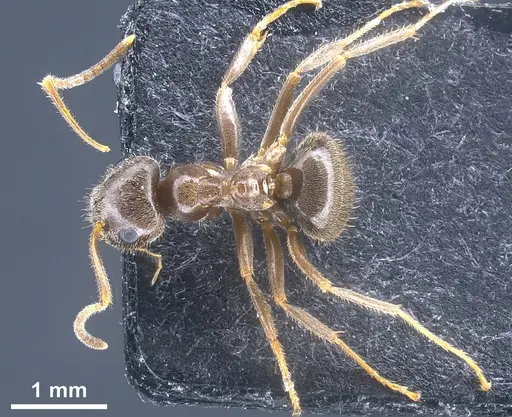
Literature
Loading...Loading products...