

Lasius carniolicus
- Scientific Name
- Lasius carniolicus
- Tribe
- Lasiini
- Subfamily
- Formicinae
- Author
- Mayr, 1861
- Distribution
- Found in 9 countries
Lasius carniolicus Overview
Lasius carniolicus is an ant species of the genus Lasius. It is primarily documented in 9 countries , including Switzerland, Spain, France. Detailed taxonomic data and occurrence records can be further explored via authoritative databases such as AntWeb or the Global Biodiversity Information Facility (GBIF).
Lasius carniolicus
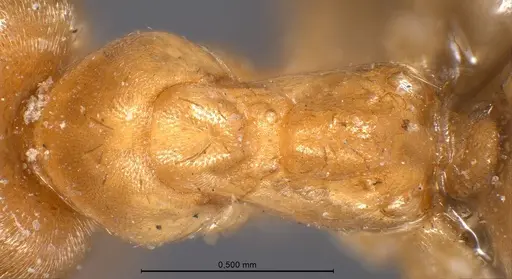
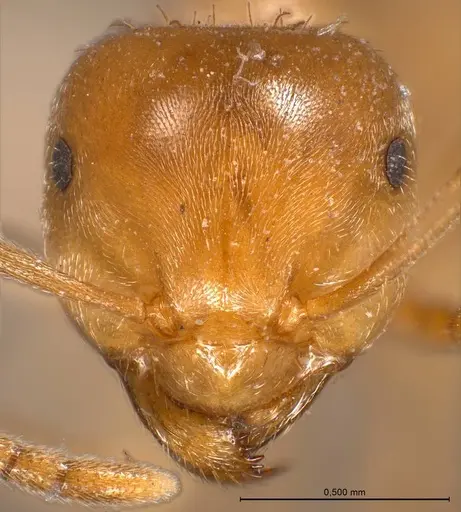
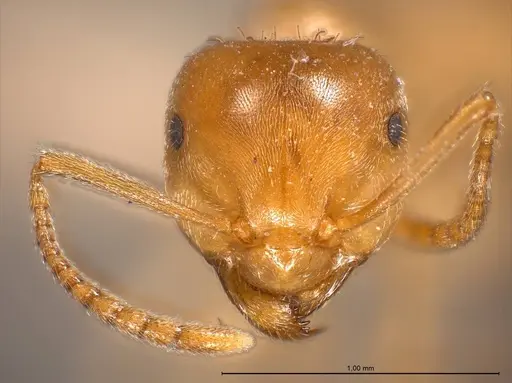
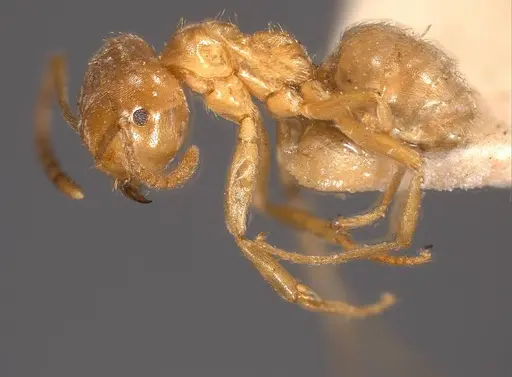
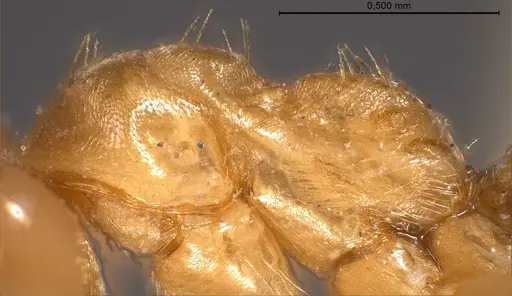
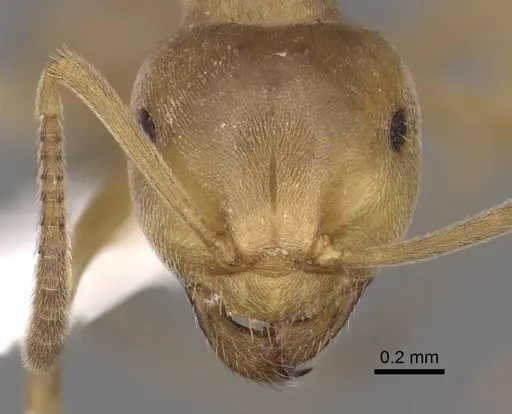
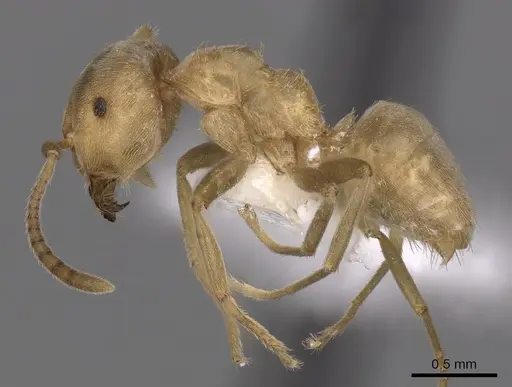
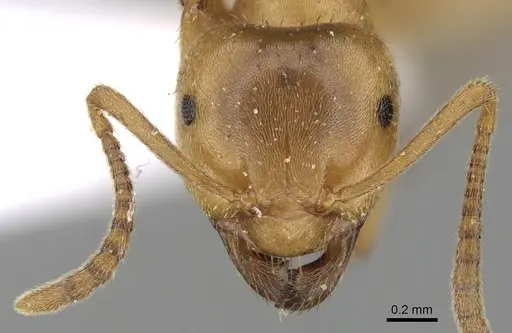
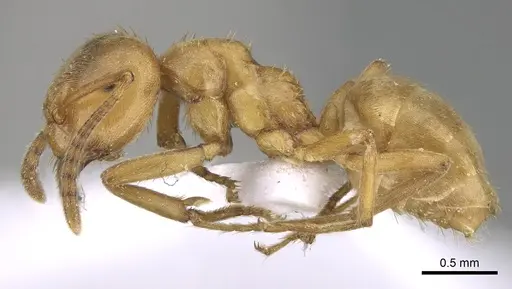
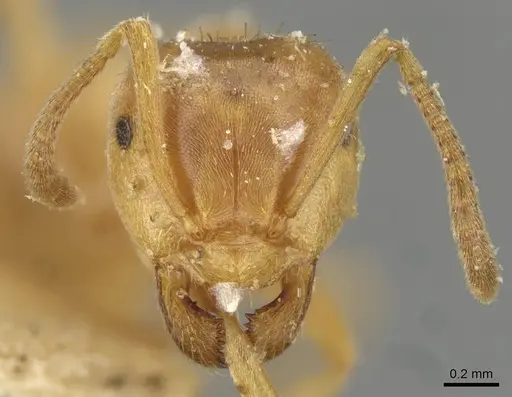
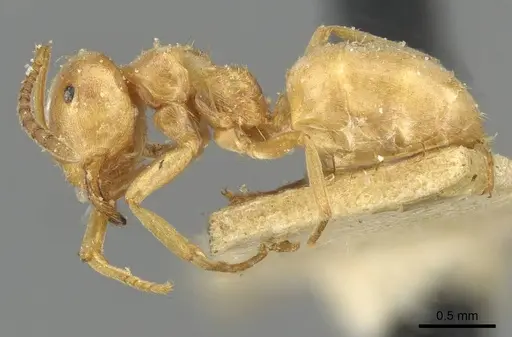
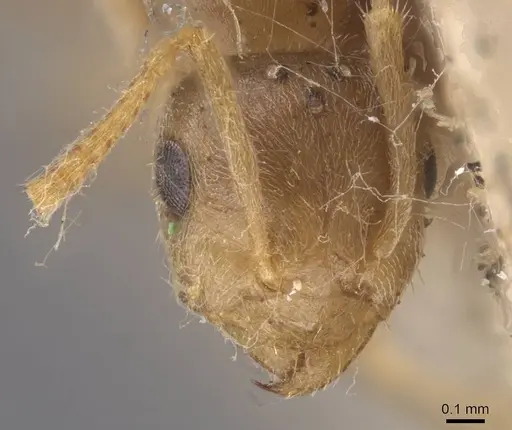
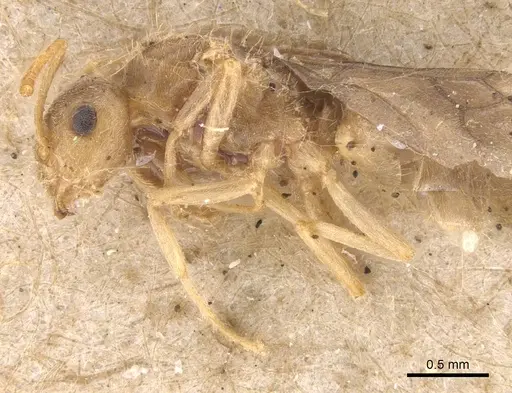
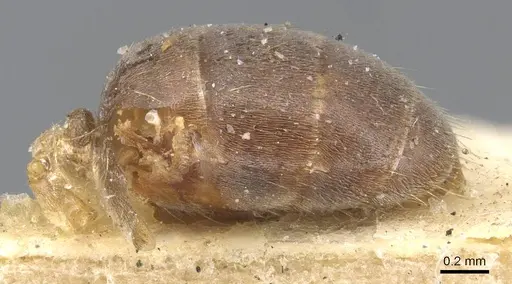
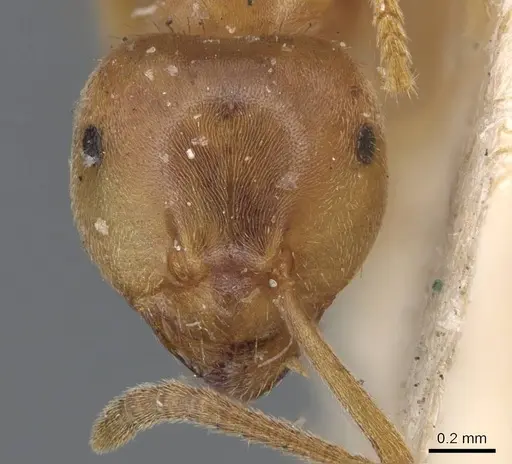
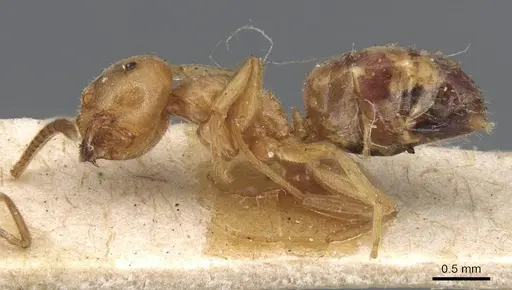
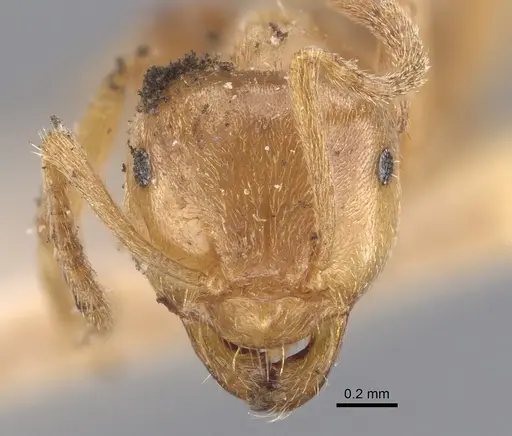
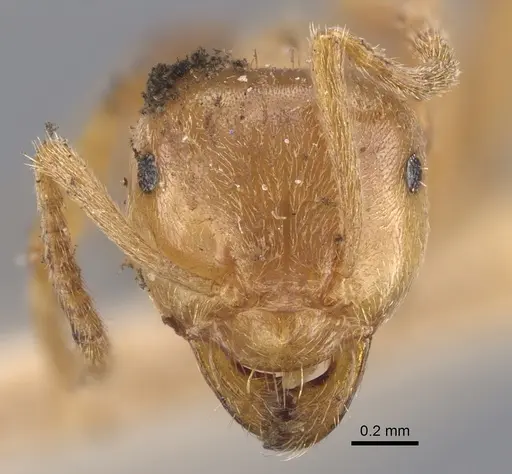
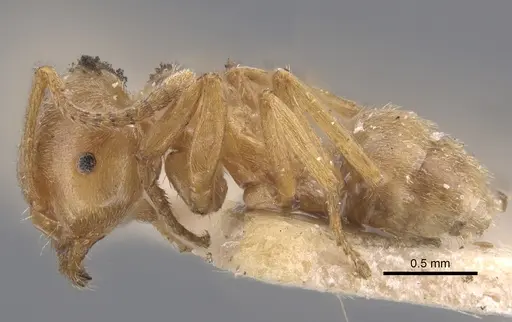
Lasius carniolicus is a small, pale yellow to reddish-yellow ant measuring 3.5-3.7mm workers. It belongs to the subgenus Austrolasius and is one of the smallest Lasius species, queens are barely larger than workers, which is unusual for the genus. This species ranges across the Palearctic region from the Pyrenees through Central Europe to Siberia, with isolated populations in Afghanistan, the Himalayas, and Pakistan. It inhabits xerothermous grasslands, mountain pastures, and dry pine forests, often nesting under stones in sandy or limestone-based soils [1][2].
What makes L. carniolicus remarkable is its lifestyle as a temporary social parasite. Unlike most ants that found colonies independently, this species invades nests of other Lasius species (primarily Lasius flavus and Lasius alienus), kills the host queen, and takes over the colony using the host workers. The queens are physogastric (able to produce eggs without fully developing wings) and remarkably small, one of the tiniest Lasius queens known. They also produce a distinctive lemon-scented alarm pheromone when threatened [3][4].
Quick Summary
- Difficulty: Expert
- Origin & Habitat: Palearctic region, from Western Europe (France, Spain) through Central Europe (Germany, Poland, Austria) to Siberia, with populations in Afghanistan, Kyrgyzstan, and Pakistan. Inhabits xerothermous grassland, short-grassy mountain pastures, and dry pine forests at elevations up to 1650m in Europe and 2600m in Pakistan [1][2].
- Colony Type: Temporary social parasite, queen invades host colony (L. flavus or L. alienus), kills host queen, and establishes her own colony using host workers. Colonies contain 48-265 queens,1-21 males, and 105-358 workers. Gynes and males overwinter in nests as adults and fly in May [2][3].
- Colony: Polygyne
- Queen: Socially parasitic, Temporary parasitic
- Size & Growth:
- Queen: 3.5-4mm, barely larger than workers [2][1], queens are among the smallest in Lasius
- Worker: 3.5-3.7mm [1]
- Colony: Up to several hundred workers in mixed colonies with host species [2]
- Growth: Moderate
- Development: Estimated 6-8 weeks based on typical Lasius development patterns (Development likely similar to other Lasius species, queen uses host workers to raise her brood from the start, which may accelerate colony establishment compared to claustral founding)
- Antkeeping:
- Temperature: Keep around 20-24°C. This species prefers warm, dry conditions matching its xerothermous habitat. A gentle gradient is beneficial.
- Humidity: Moderate, dry to moderately damp. In nature they inhabit dry grasslands and pine forests, so avoid overly humid conditions. Provide some dry areas in the nest.
- Diapause: Yes, likely required. As a European species with nuptial flights in autumn and overwintering reproductives, colonies should experience a winter rest period of 3-4 months at 5-10°C.
- Nesting: Y-tong or plaster nests work well. Provide a dry to moderately humid environment with a temperature gradient. Since this is a parasitic species that naturally lives in host colonies, a naturalistic setup with connections to a host colony setup would be ideal but is complex to maintain.
- Behavior: Shy and secretive, this species is largely subterranean, rarely coming to the surface except during nuptial flights. Workers are not aggressive and will retreat when threatened. They produce a distinctive lemon scent when disturbed, which serves as an alarm pheromone [4][5]. Escape risk is low, workers are moderate-sized and not particularly agile, but standard containment practices should still be followed. The species is cryptic and often overlooked due to its underground lifestyle and small colony sizes.
- Common Issues: obtaining a colony is extremely difficult, this is a temporary social parasite, so you cannot simply collect a queen and start a colony, you need an established host colony, host species dependency makes this species impractical for most hobbyists, L. carniolicus requires L. flavus or L. alienus as hosts, colonies remain small even when established, typically only a few hundred workers, cryptic lifestyle makes detection difficult, they rarely emerge onto surfaces, lemon scent production may startle keepers unfamiliar with this defense mechanism
Understanding the Parasitic Lifestyle
Lasius carniolicus is one of the few truly parasitic ants in the Lasius genus. Unlike typical ants where a queen founds a new colony alone, L. carniolicus queens must invade established colonies of other Lasius species, primarily Lasius flavus (the yellow meadow ant) or Lasius alienus. The queen enters the host nest, kills the resident queen using chemical warfare, and then uses the existing host workers to raise her own brood. This is called 'temporary social parasitism' because the parasite queen eventually establishes her own reproductive colony while using the host workers initially [2][3].
This lifestyle explains why L. carniolicus queens are so small, they don't need the large fat reserves that claustral queens have, since they'll be feeding on the host colony's resources from day one. The queens are physogastric, meaning they can produce eggs without fully developing their wings, which is an adaptation for entering host nests [2].
For antkeepers, this means L. carniolicus cannot be kept in the traditional way. You cannot simply catch a queen and expect her to found a colony. Instead, you would need either an established mixed colony or the ability to introduce a L. carniolicus queen into an existing L. flavus or L. alienus colony, which is extremely challenging and rarely successful.
Housing and Nest Setup
Since L. carniolicus is a subterranean species that naturally lives in underground chambers within host ant nests, they do best in setups that allow for some humidity control while maintaining dry areas. A Y-tong (acrylic) nest or plaster nest with a water reservoir works well, these allow you to create a humidity gradient where the ants can choose their preferred zone. Keep the nest relatively dry with moderate humidity (think 40-60% relative humidity) rather than the damp conditions that some ant species require.
Temperature should be maintained around 20-24°C with a gentle gradient if possible. This species naturally inhabits warm, sunny grasslands and pine forests, so they appreciate warmth. However, avoid extreme heat, temperatures above 30°C should be avoided.
Because this is a parasitic species requiring a host, the practical housing setup is complex. Most antkeepers would need to maintain both the host species (L. flavus or L. alienus) and introduce the parasite queen, which requires advanced husbandry skills. The outworld should be simple and escape-proof, with standard Lasius-style setup. [1][2]
Feeding and Nutrition
In the wild, L. carniolicus workers feed primarily on honeydew from root aphids and other subterranean insects kept as 'cohabitants' in their underground nests. They are not active foragers like some other Lasius species, instead, they tend to underground aphid farms and consume the sugary secretions [6].
In captivity, offer sugar water or honey water as a constant food source, supplemented with small protein sources like fruit flies, small crickets, or mealworms. However, since they live in host colonies, they may be outcompeted for food by the host workers. The host species (L. flavus) also primarily feeds on honeydew, so both species have similar dietary requirements.
Feed sugar water or honey water constantly (refreshed every 2-3 days), and offer protein prey 1-2 times per week. Remove uneaten prey after 24 hours to prevent mold. Given their small size and secretive nature, they may not consume much, don't be alarmed if feeding seems minimal.
Seasonal Care and Diapause
As a European species with a documented nuptial flight season in September-October and overwintering reproductives, L. carniolicus requires a winter diapause period. In the wild, gynes (potential queens) and males overwinter in nests as adult winged forms, then conduct their nuptial flights in May [2]. This suggests the species is adapted to cold winters and would benefit from a 3-4 month hibernation period at temperatures between 5-10°C.
During the active season (roughly April through October), maintain room temperature (around 20-24°C) with normal feeding schedules. In late autumn, gradually reduce temperature to induce hibernation. Place the colony in a cool location (unheated garage, basement, or refrigerator) for the winter months. This rest period is essential for the colony's long-term health and reproductive development.
The nuptial flight period in September-October is notable, unlike most ants that fly in summer, L. carniolicus conducts its mating flights late in the year, which is unusual among European Lasius species [1][7].
Behavior and Defense
Lasius carniolicus is a shy, secretive species that spends most of its time underground. Workers are not aggressive and will typically retreat when threatened. However, they have a unique defense mechanism: when disturbed, they release a distinctive lemon-scented alarm pheromone from their mandibular glands. This scent (containing citronellal compounds) serves to alert nestmates and may deter potential predators or competitors [4][5][8].
The lemon scent is quite noticeable when the ants are handled or when a nest is disturbed, it's one of the field identification characters for this species in Sweden [4]. This is not a stinging or biting species, their primary defense is retreat and chemical deterrence.
Activity levels are low compared to many Lasius species. They are not prolific foragers and will not be visible outside the nest frequently. This makes observing the colony somewhat challenging compared to more active species.
Finding and Obtaining Colonies
Finding L. carniolicus in the wild is challenging due to several factors: their small colony sizes, subterranean lifestyle, cryptic nesting behavior, and scattered distribution. They nest under stones in sandy or limestone-based soils in warm, dry habitats. The nests often have a small flat mound of excavated soil but are otherwise inconspicuous [1].
In Europe, they are considered rare everywhere, in Germany, they are the rarest Lasius species recorded [2]. They are often overlooked because they don't form the large visible mounds that L. flavus does, and they rarely come to the surface.
For antkeepers, obtaining a colony is the primary challenge. Options are extremely limited: (1) finding a mixed colony in the wild (requires expert identification skills), (2) purchasing from specialized dealers who have successfully established parasitic colonies (rare), or (3) attempting to introduce a queen into a host colony (advanced technique with low success rate). For most antkeepers, this species is not practical to keep, consider L. flavus or L. alienus as more accessible alternatives with similar care requirements.
Frequently Asked Questions
Can I keep Lasius carniolicus as a pet ant?
Practically speaking, no, this is one of the most difficult ants to keep in captivity. As a temporary social parasite, you cannot simply collect a queen and start a colony. You would need either an established mixed colony or the extremely challenging ability to introduce a parasite queen into a host colony (L. flavus or L. alienus). Most antkeepers should consider more accessible species like L. niger or L. flavus instead.
How do I start a Lasius carniolicus colony?
You cannot start a traditional colony. L. carniolicus is a temporary social parasite that requires a host colony to establish. The queen must invade an existing L. flavus or L. alienus nest, kill the host queen, and take over the worker force. This process is extremely difficult to replicate in captivity and is not recommended for hobbyists. If you're interested in parasitic ants, consider working with more established parasitic species or focus on the host species instead.
What do Lasius carniolicus eat?
Like other Lasius species, they primarily feed on honeydew from aphids (especially root aphids in the wild) and sugar sources. In captivity, offer constant access to sugar water or honey water, supplemented with small protein sources like fruit flies or small crickets 1-2 times weekly. They are not active hunters and may be outcompeted for food by host workers.
What temperature do Lasius carniolicus need?
Keep them around 20-24°C with a gentle gradient. This species naturally inhabits warm, xerothermous grasslands and pine forests, so they prefer warmer conditions than some other Lasius species. Avoid temperatures above 30°C and provide a cooler area in the nest for thermoregulation.
Do Lasius carniolicus need hibernation?
Yes, they require a winter diapause period. In the wild, reproductives overwinter in the nest as adult winged forms and conduct nuptial flights in May. Provide 3-4 months of hibernation at 5-10°C (late October through February) to maintain colony health and support reproductive development.
How big do Lasius carniolicus colonies get?
Colonies remain relatively small compared to many Lasius species. Documented colonies contain 48-265 queens,1-21 males, and 105-358 workers. The largest colonies likely reach only a few hundred workers total. This is much smaller than species like L. niger which can have thousands of workers.
Why does my Lasius carniolicus smell like lemons?
This is completely normal! L. carniolicus produces a distinctive lemon-scented alarm pheromone from its mandibular glands. This scent (containing citronellal compounds) is released when the ants are disturbed or threatened. It's one of the species' distinguishing characteristics and is even used for field identification in Sweden.
Are Lasius carniolicus good for beginners?
Absolutely not, this is an expert-level species at best, and realistically not recommended for any hobbyist. The fundamental challenge is that you cannot establish a colony without a host species. Even experienced antkeepers would struggle with this species. If you're interested in Lasius ants, start with L. niger, L. flavus, or L. alienus which have straightforward care requirements.
References

This caresheet is licensed under CC BY-SA 4.0 .
ANTWEB1008432
View on AntWeb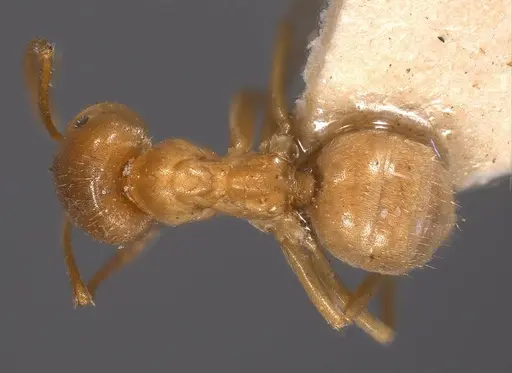
CASENT0280471
View on AntWeb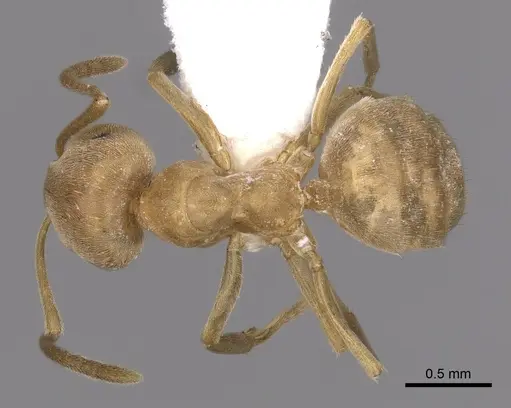
CASENT0906074
View on AntWeb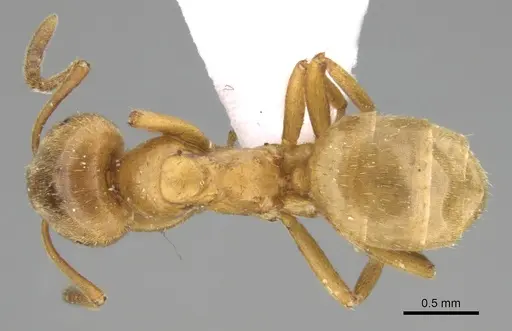
CASENT0911053
View on AntWeb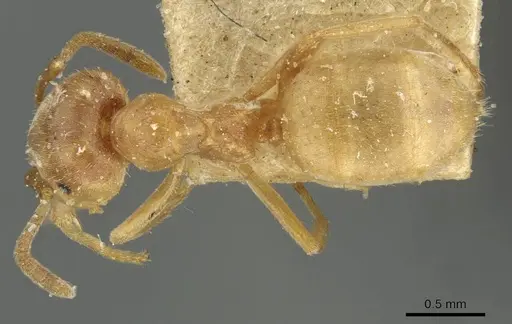
CASENT0913597
View on AntWeb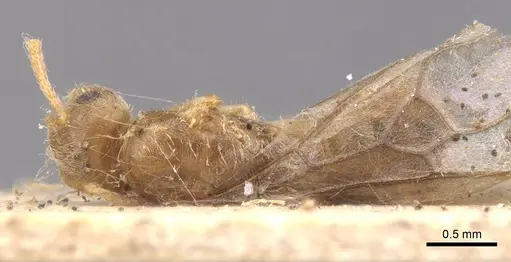
CASENT0915588
View on AntWeb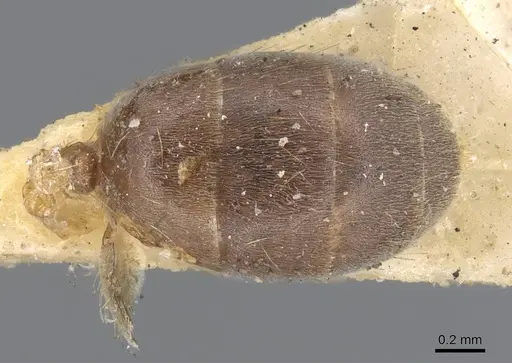
CASENT0915589
View on AntWeb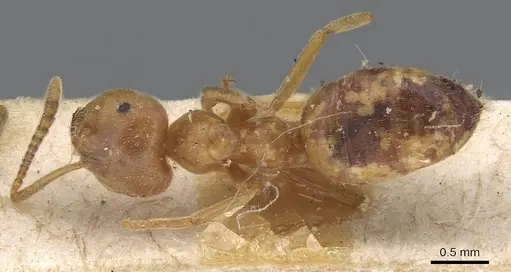
CASENT0917312
View on AntWeb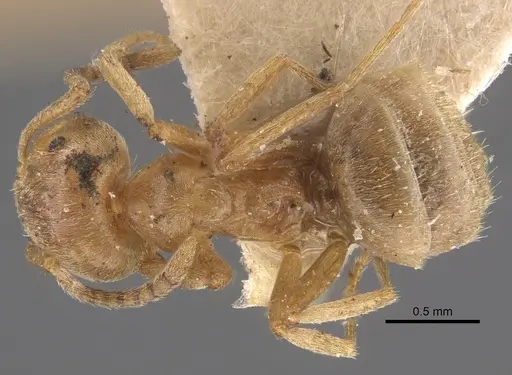
Literature
Loading...Loading products...