

Lasius austriacus
- Scientific Name
- Lasius austriacus
- Tribe
- Lasiini
- Subfamily
- Formicinae
- Author
- Schlick-Steiner <i>et al.</i>, 2003
- Distribution
- Found in 2 countries
Lasius austriacus Overview
Lasius austriacus is an ant species of the genus Lasius. It is primarily documented in 2 countries , including Austria, Czechia. Detailed taxonomic data and occurrence records can be further explored via authoritative databases such as AntWeb or the Global Biodiversity Information Facility (GBIF).
Lasius austriacus
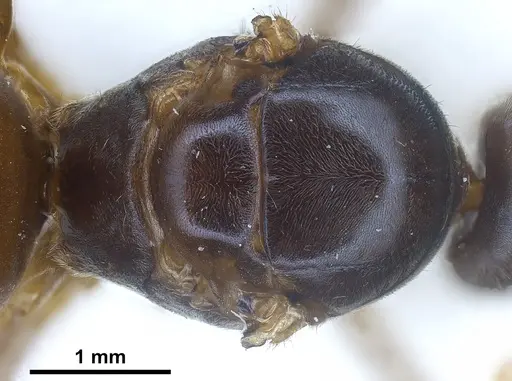
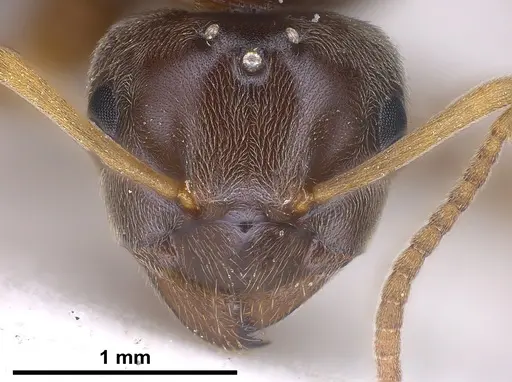
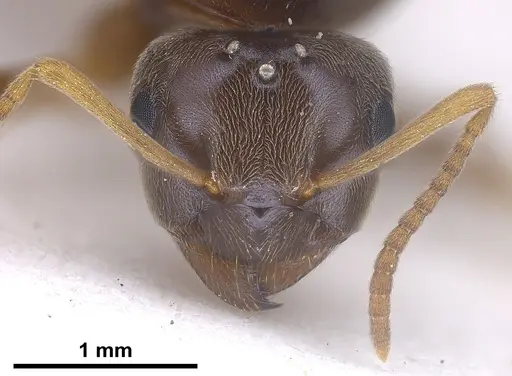
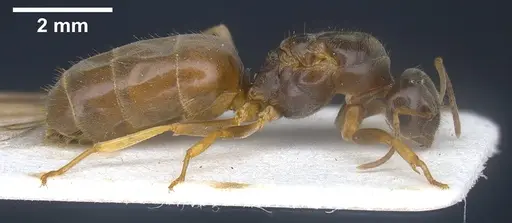
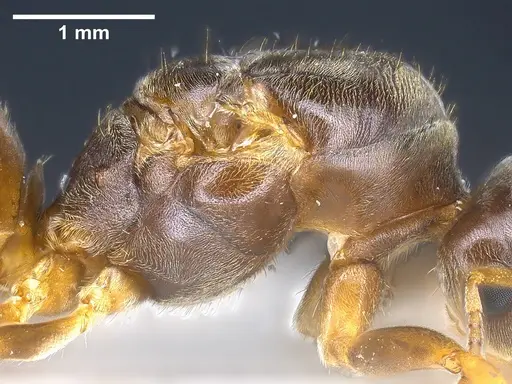
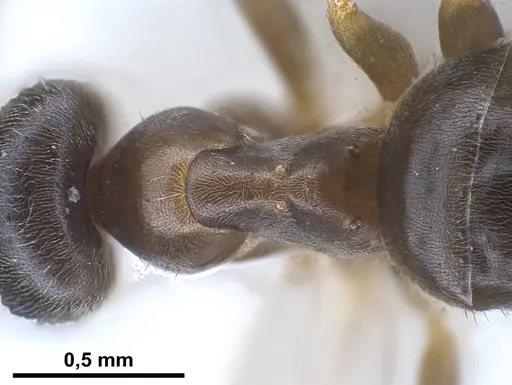
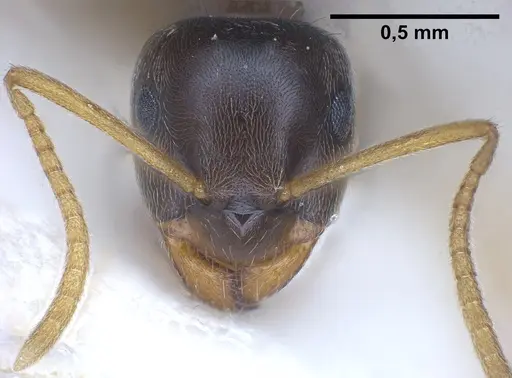
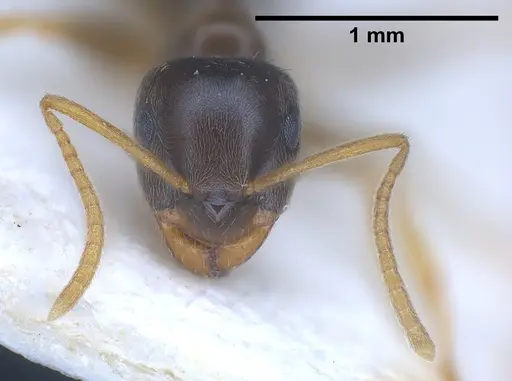
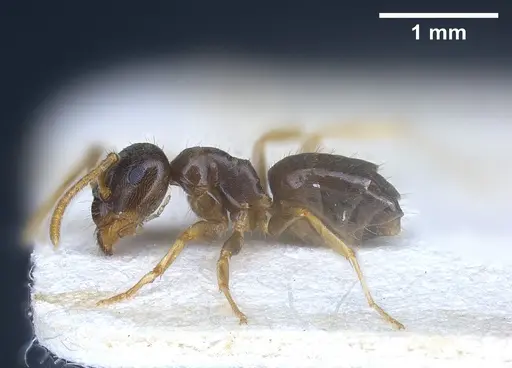
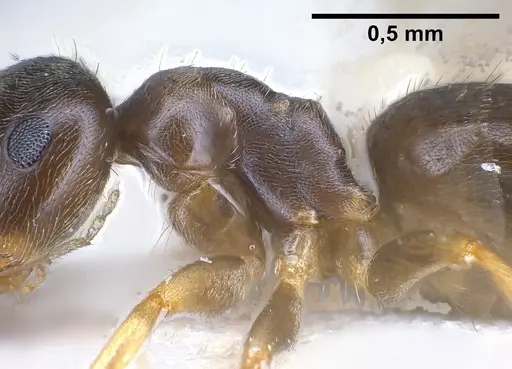
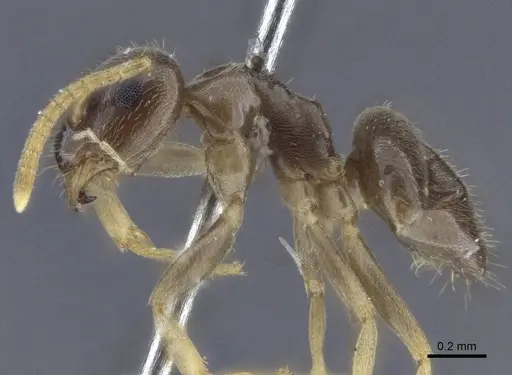
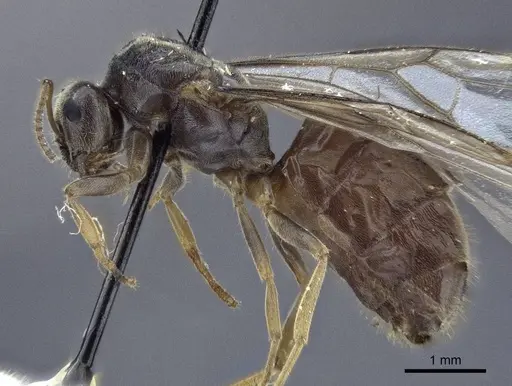
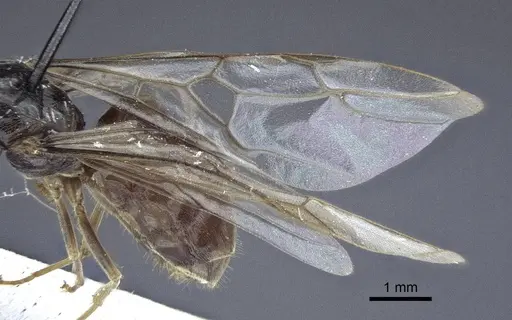
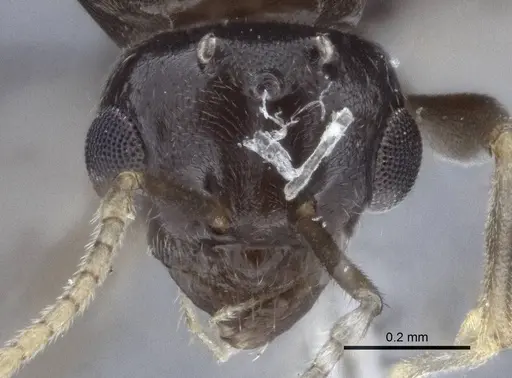
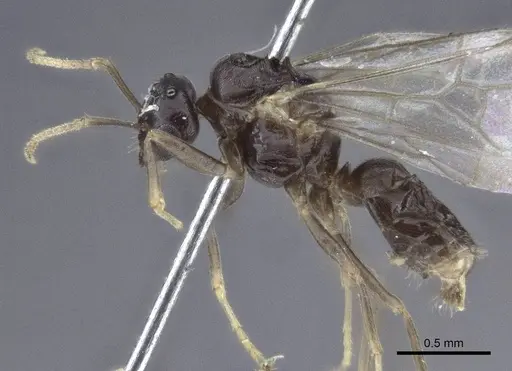
Lasius austriacus is an extremely small, almost completely subterranean ant species native to Central Europe. Workers measure just 0.7mm in body size, making them one of the smallest Lasius species in the Palaearctic region. They have notably reduced eyes, a clear adaptation to their underground lifestyle, and dark brown coloration with yellowish antennae and legs. This rare species inhabits hot, dry, rocky grasslands in Austria, Czech Republic, and Turkey, living almost exclusively underground where they tend to mealybugs for honeydew. The species was only described in 2003 and is closely related to the invasive garden ant Lasius neglectus [1][2].
Quick Summary
- Difficulty: Hard
- Origin & Habitat: Central Europe (Austria, Czech Republic, Turkey). Inhabits xerothermous grassland with interspersed silicate rocks at elevations around 300-1900m. Lives almost exclusively underground in dry, rocky habitats [1][3][2].
- Colony Type: Monogyne (single queen) colonies. Hypothesized based on the absence of inseminated gynes found inside nests despite repeated sampling. Colonies contain approximately 1,000-10,000 workers [1].
- Colony: Monogyne
- Size & Growth:
- Queen: Medium size, exact measurements not specified in available literature [4]
- Worker: 0.7mm (CS 705 ± 32 µm), one of the smallest Palaearctic Lasius species [2]
- Colony: 1,000-10,000 workers [1]
- Growth: Unknown, no development studies available
- Development: Unknown, no direct measurements available. Based on typical Lasius patterns, expect 6-10 weeks at warm temperatures. (Development timeline has not been directly studied. Related Lasius species typically take 6-10 weeks from egg to worker at optimal temperatures.)
- Antkeeping:
- Temperature: Keep at room temperature (18-24°C). This is a temperate species from Central Europe, so moderate temperatures are appropriate. Avoid extremes, they are adapted to stable underground conditions.
- Humidity: Low to moderate. This species inhabits dry, xerothermic rocky grasslands and lives underground where humidity is stable but not high. Allow the nest to dry out between waterings rather than keeping it constantly moist.
- Diapause: Likely yes. As a Central European temperate species, expect a winter rest period. Reduce temperature to around 10-15°C for 2-3 months during winter.
- Nesting: Y-tong (AAC) or plaster nests work well for this tiny species. The key is providing narrow chambers and passages scaled to their minute size. Because they are subterranean, they prefer enclosed nest spaces with minimal light exposure. A small outworld is sufficient since workers rarely emerge.
- Behavior: Extremely reclusive and almost completely subterranean. Workers are never observed on the soil surface, in the herb layer, or on trees, they spend their entire lives underground. They are hypogaeic (ground-dwelling) foragers that maintain trophobiosis with mealybugs inside the nest. Workers show non-aggressive behavior toward conspecifics from different colonies. Escape risk is low for workers since they stay underground, but the tiny size means any that do escape could slip through standard barriers. Stinging behavior is unknown for this species, Lasius ants can sting but most are too small to penetrate human skin effectively.
- Common Issues: this species is nearly impossible to find in the antkeeping hobby, it was only described in 2003 and remains critically endangered in its native range, subterranean lifestyle makes them nearly invisible, you may not see workers outside the nest for months, they depend on mealybugs for honeydew in the wild, captive diet acceptance is completely unknown, slow growth and tiny size make them vulnerable to stress and starvation, habitat destruction threatens wild populations, never collect from the wild
Why This Species Is Challenging
Lasius austriacus is one of the most difficult ant species to keep because it was only described in 2003 and remains one of the rarest ants in Central Europe. There is almost no captive husbandry information available, no one has documented keeping this species in captivity. The biggest challenge is that these ants are almost completely subterranean. Workers never come to the soil surface, meaning they forage and move entirely underground. This makes observing your colony nearly impossible and makes feeding difficult since you cannot simply place food in an outworld and expect workers to find it. Additionally, they appear to depend heavily on trophobiosis with mealybugs in the wild, so their acceptance of artificial diets is completely unknown. This is a species for advanced antkeepers who want to study a species that has never been kept in captivity before [1].
Housing and Nest Setup
Because Lasius austriacus is almost completely subterranean, you need a nest setup that accommodates their underground lifestyle. A Y-tong (AAC) nest or plaster nest with very small chambers works best, the passages must be tiny to match their 0.7mm worker size. Keep the nest dark most of the time since they avoid light. Provide minimal outworld space since workers rarely emerge. If they do come to the surface, use fine mesh for barriers, their tiny size means they can escape through gaps that larger ants cannot. The nest should have some dry areas since this species inhabits dry, xerothermic rocky grasslands in the wild. Avoid keeping the nest constantly wet, allow it to partially dry between waterings [1][3].
Feeding Challenges
This is perhaps the biggest unknown for keeping Lasius austriacus. In the wild, they maintain trophobiosis with mealybugs (Euripersia europaea) inside their nests, the ants tend these scale insects and consume their honeydew. This is their primary food source in nature. It is completely unknown whether they will accept sugar water, honey, or other artificial sugar sources. Protein acceptance is also unstudied, they may be able to capture small prey underground, or they may rely entirely on the honeydew from their mealybug partners. If you can obtain mealybugs (a root-feeding species), keeping them in the nest alongside the ants might be necessary for survival. This represents a major husbandry challenge that would require experimentation [1][5].
Temperature and Seasonal Care
As a Central European species from Austria and Czech Republic, Lasius austriacus experiences cold winters and warm summers in its native habitat. Keep the colony at moderate room temperature (18-24°C), this matches the stable underground conditions they prefer. A heating cable on one side of the nest can create a temperature gradient if needed, but this species does not require high heat. For winter, provide a diapause period of 2-3 months at reduced temperatures (around 10-15°C). This mimics the seasonal cycle they would experience in their natural xerothermic grassland habitat. Do not keep them warm year-round, they likely need the winter rest period for colony health [1][3].
Conservation Status and Ethical Considerations
Lasius austriacus is critically endangered in its native range. It is classified as Category 1 (critically endangered) in Lower Austria and is known from only a handful of populations in Central Europe. The species inhabits extremely specialized xerothermic rocky habitats that are threatened by habitat destruction, scrub encroachment, and reforestation (particularly by black locust). Only a few populations exist in a 6,500 km² area. You should never collect this species from the wild, doing so would be ecologically damaging to an already imperiled species. If you ever obtain captive-bred stock, it would represent the first known successful captive breeding of this species. Always ensure any colony was captive-bred and never wild-collected [3][6][5].
Frequently Asked Questions
Can I keep Lasius austriacus as a beginner antkeeper?
No. This species is not suitable for beginners. It was only described in 2003 and has never been documented in captive husbandry. The ants are almost completely subterranean, making them nearly impossible to observe. Most critically, their diet is completely unknown, they may depend on mealybugs in captivity. This is an expert-level species for antkeepers who want to attempt something that has never been done before.
How do I feed Lasius austriacus in captivity?
This is unknown and represents the biggest challenge. In the wild, they tend mealybugs (Euripersia europaea) inside their nests for honeydew. It is unknown whether they will accept sugar water, honey, or other artificial foods. You may need to maintain a culture of mealybugs alongside the ants. Protein acceptance is also completely unstudied. This species requires experimental husbandry approaches.
How big do Lasius austriacus colonies get?
Based on field studies, wild colonies contain approximately 1,000 to 10,000 workers. The exact maximum size in captivity is unknown since no one has successfully kept this species long-term. Given their tiny worker size (0.7mm), colonies can reach several thousand workers while still appearing small [1].
Do Lasius austriacus ants come above ground?
Almost never. This is one of the most subterranean ant species known. Workers are never observed on the soil surface, in the herb layer, or on trees. They live and forage entirely underground. This makes them extremely difficult to observe in captivity, you may rarely see any workers outside the nest [1].
What temperature do Lasius austriacus need?
Keep them at moderate room temperature (18-24°C). This is a temperate species from Central Europe that does not require high heat. A slight temperature gradient is beneficial, but not required. Provide a winter diapause at 10-15°C for 2-3 months. Avoid temperature extremes, they are adapted to stable underground conditions [1].
Do Lasius austriacus need hibernation?
Likely yes. As a Central European species from Austria and Czech Republic, they experience cold winters in their natural habitat and almost certainly require a winter rest period. Reduce temperatures to around 10-15°C for 2-3 months during winter. This is typical for temperate Lasius species.
How long does it take for Lasius austriacus to develop from egg to worker?
Unknown. No development studies exist for this species. Based on typical Lasius patterns, expect approximately 6-10 weeks from egg to first worker at warm room temperature. However, this is purely an estimate, actual development time has never been documented for this species.
Can I keep multiple Lasius austriacus queens together?
No. This species is hypothesized to be monogyne (single queen) based on the absence of inseminated gynes found inside nests despite repeated sampling. Additionally, combining unrelated queens of this species has never been documented and would be extremely risky. Stick to single-queen colonies [1].
References

This caresheet is licensed under CC BY-SA 4.0 .
ANTWEB1041265
View on AntWeb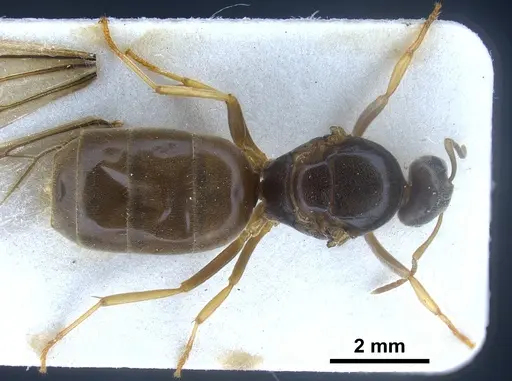
ANTWEB1041266
View on AntWeb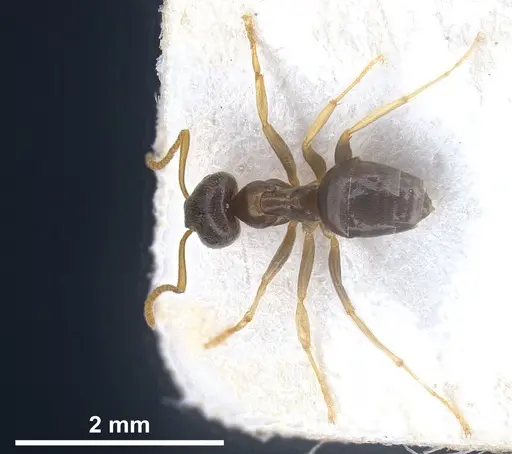
CASENT0916646
View on AntWeb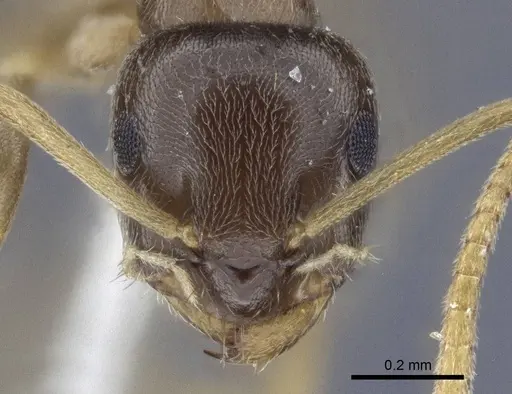
CASENT0916647
View on AntWeb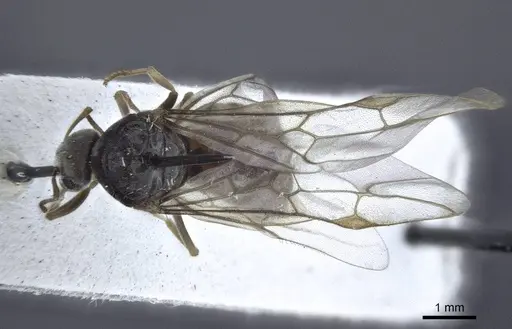
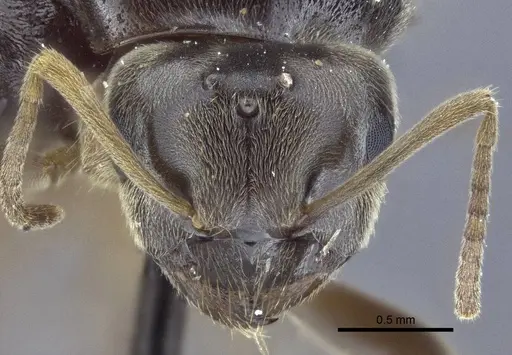
CASENT0916648
View on AntWeb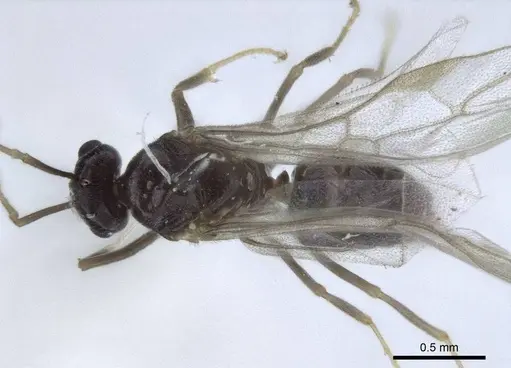
Literature
Loading...Loading products...