

Lasiophanes picinus
- Scientific Name
- Lasiophanes picinus
- Tribe
- Melophorini
- Subfamily
- Formicinae
- Author
- Roger, 1863
- Distribution
- Found in 2 countries
Lasiophanes picinus Overview
Lasiophanes picinus is an ant species of the genus Lasiophanes. It is primarily documented in 2 countries , including Argentina, Chile. Detailed taxonomic data and occurrence records can be further explored via authoritative databases such as AntWeb or the Global Biodiversity Information Facility (GBIF).
Lasiophanes picinus
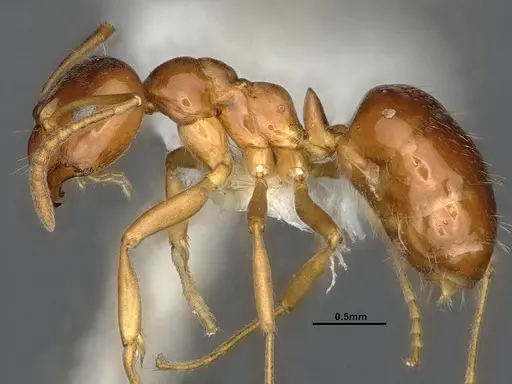
Lasiophanes picinus is a small to medium-sized ant native to southern South America, one of the southernmost ant species known to science. Workers are dark chestnut brown with lighter appendages, and they closely resemble the common Lasius niger but belong to a different genus within the Formicinae subfamily. This species inhabits the cool temperate forests of Patagonia and Tierra del Fuego, ranging from central Chile and Argentina down to the islands near Cape Horn at approximately 55°S latitude [1]. They are associated with Nothofagus forests and coniferous trees in their native range [2]. The colony structure and exact founding behavior of this species remain poorly documented in scientific literature.
Quick Summary
- Difficulty: Unknown, likely Medium to Hard due to limited availability and specific cold-climate requirements
- Origin & Habitat: Southern South America, Chile (Valparaíso to Magallanes) and Argentina (Neuquén to Santa Cruz), including Tierra del Fuego and Isla Navarino near Cape Horn. Inhabits Nothofagus forests and coniferous areas in western Patagonia and Tierra del Fuego [2][3].
- Colony Type: Colony structure is unconfirmed. Based on related Formicinae like Lasius, likely single-queen (monogyne) colonies, though this requires confirmation.
- Size & Growth:
- Queen: Unconfirmed, no direct measurements available. Estimated 5-7mm based on genus-level patterns for related Formicinae.
- Worker: Unconfirmed for workers. Males measured at 2.34-2.53mm [3]. Workers likely 3-5mm.
- Colony: Unconfirmed. Based on similar temperate forest ants, likely several hundred workers at maturity.
- Growth: Unknown, likely moderate, consistent with temperate climate species
- Development: Unconfirmed. Based on related Lasius species, estimated 6-10 weeks at optimal temperature. (Development time is estimated from related temperate Formicinae species. Direct observations of this species are lacking.)
- Antkeeping:
- Temperature: Keep cool, this is one of the southernmost ant species and requires cool conditions. Aim for 12-18°C, with room temperature (18-22°C) acceptable. Avoid overheating.]
- Humidity: Moderate to high, forest-dwelling species. Keep nest substrate moist but not waterlogged. Provide a humidity gradient with a damp area and a drier area for choice.]
- Diapause: Yes, based on temperate to cold Patagonian distribution, a winter dormancy period is likely required. Keep at 5-10°C for 2-3 months during winter.
- Nesting: In nature they nest in forest floor soil and decaying wood. In captivity, a test tube setup works for founding colonies. For established colonies, a Y-tong or plaster nest with some moisture retention works well. Avoid dry, desert-style nests.]
- Behavior: Workers are likely generalist foragers, similar to related Lasius species. They probably collect honeydew from aphids and small insects. The species is not known to be aggressive. Escape risk is moderate, workers of typical size (3-5mm) can be contained with standard barriers, but fine mesh is recommended.
- Common Issues: limited availability, this species is rarely available in the antkeeping hobby, cold requirements may be difficult to maintain in warm climates without cooling, wild-caught colonies may not adapt well to captive conditions, specific humidity needs may lead to mold issues if overwatered, diapause requirements are not fully understood and may cause colony loss if not provided
Natural History and Distribution
Lasiophanes picinus is one of the most southerly distributed ant species in the world, found throughout Patagonia from central Chile and Argentina down to Tierra del Fuego and Isla Navarino near Cape Horn at approximately 55°S latitude [1]. This makes it one of the southernmost ant species known to science. The species was originally described from Chile by Julius Roger in 1863 and has been recorded throughout the Andes region from Valparaíso in central Chile to Magallanes in the far south [3]. In Argentina, they are found in Neuquén, Río Negro, Chubut, Santa Cruz, and La Pampa provinces [3]. They inhabit Nothofagus (southern beech) forests as well as areas with conifers like araucaria and cipreses de las guaitecas, and are also found near alerce and mañio trees in western Patagonia and Tierra del Fuego [2]. The climate in their range is cool temperate to subpolar, with cold winters and mild summers.
Appearance and Identification
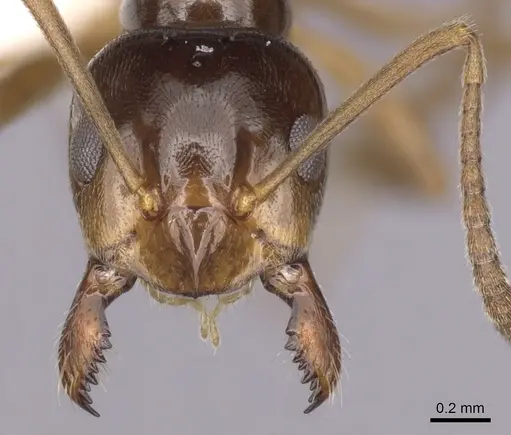
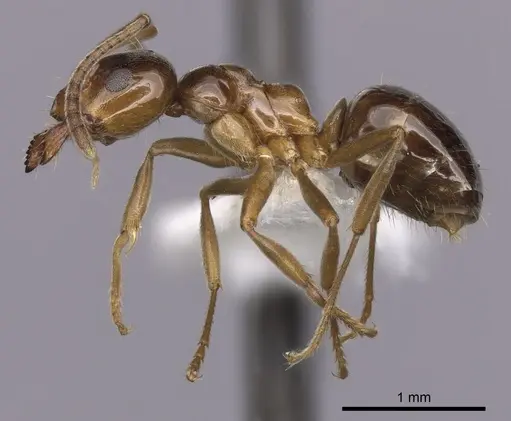
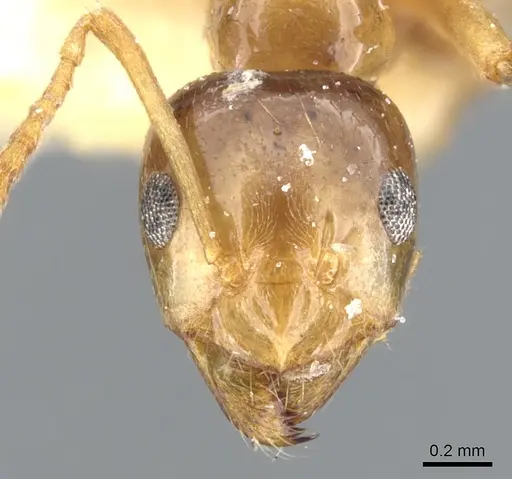
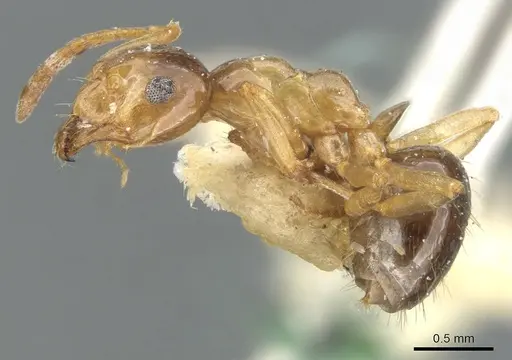
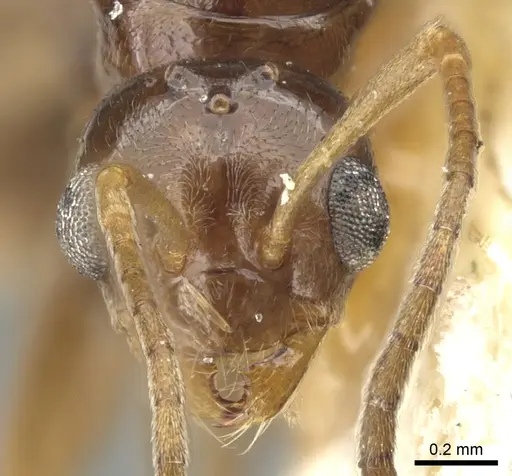
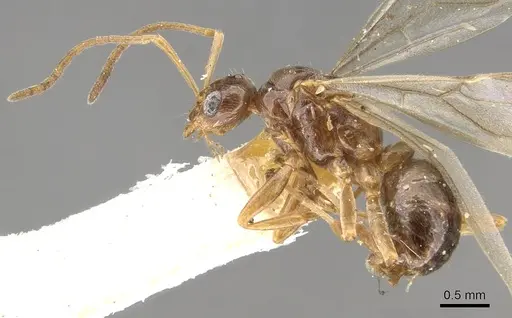
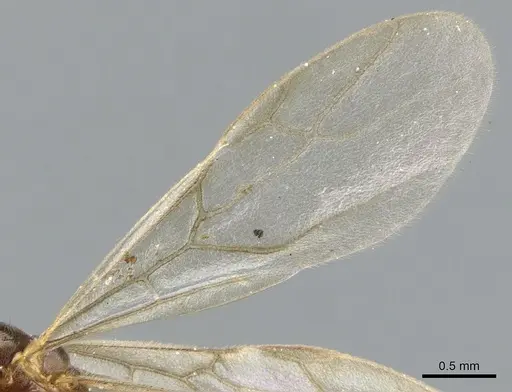
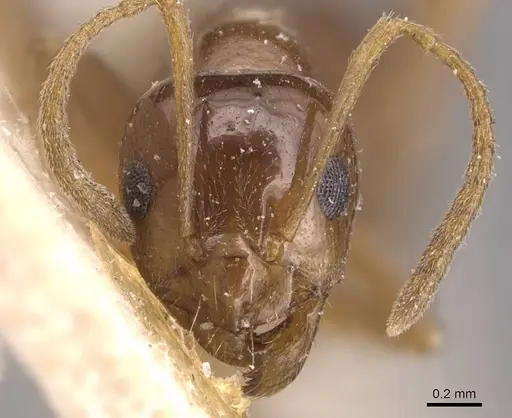
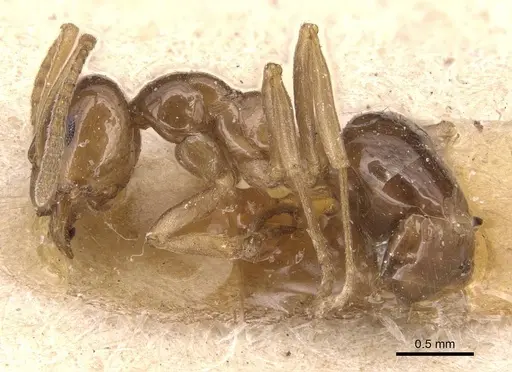
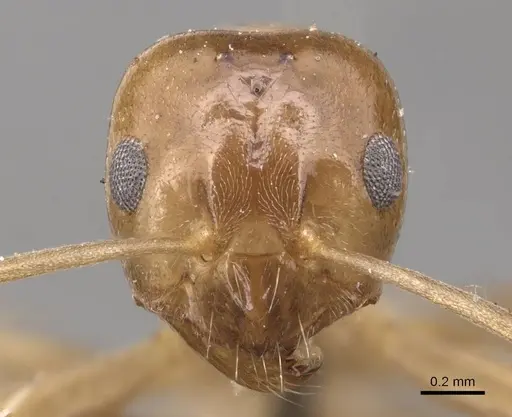
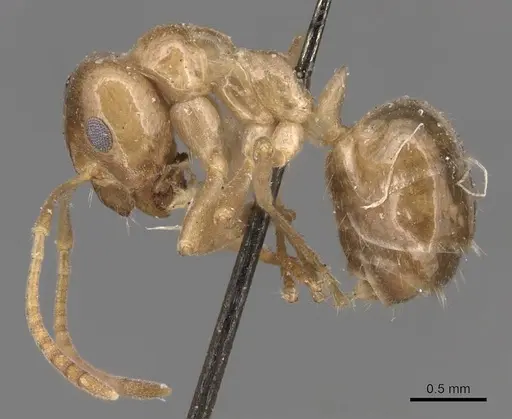
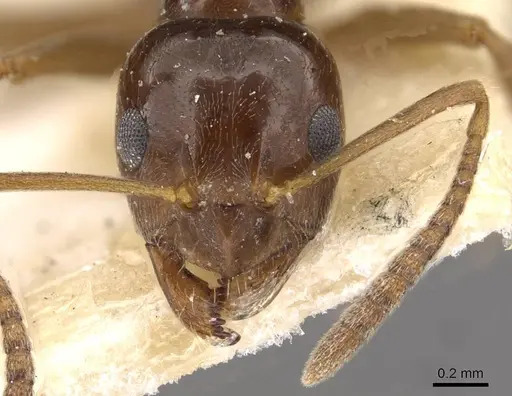
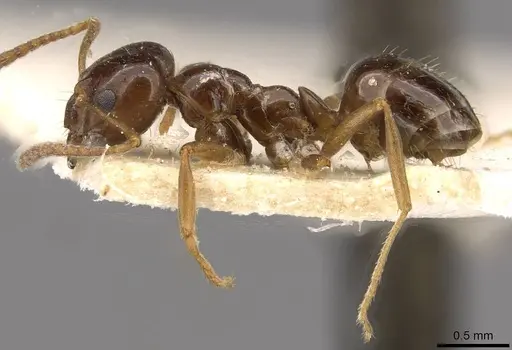
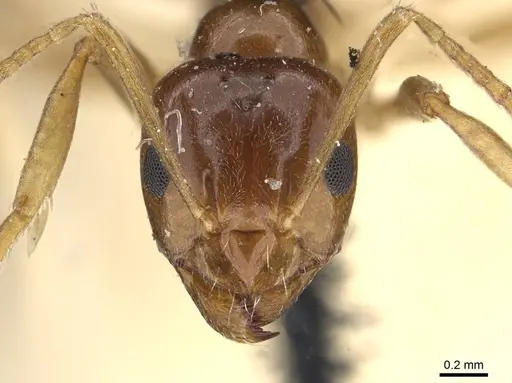
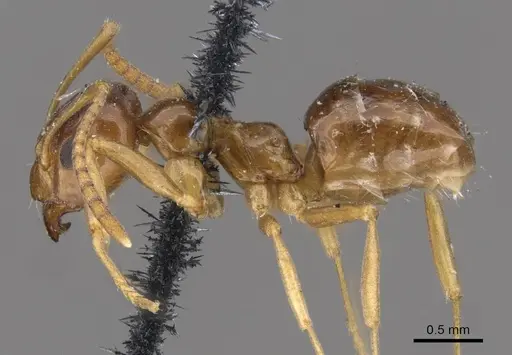
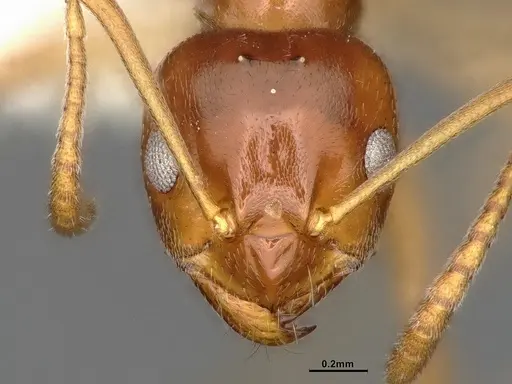
Workers of Lasiophanes picinus are dark chestnut brown with lighter colored appendages, making them visually similar to the common Lasius niger but belonging to a different genus within the Formicinae subfamily [1]. Males have been described in detail, measuring 2.34-2.53mm in total length with very large compound eyes that occupy the lower half of the head sides and protrude from the lateral margins [3]. The antennae are 13-segmented with a very short scape approximately half the length of the third antennal segment. The head is subglobose in shape, and the body has short pilosity throughout. Workers would be expected to measure approximately 3-5mm, though exact worker measurements are not available in the literature. The species can be distinguished from similar Formicinae by the combination of its southern distribution, dark chestnut coloration, and the characteristic large eyes of the male caste.
Temperature and Seasonal Care
This species requires cool conditions unlike most commonly kept ants. Being one of the southernmost ant species on Earth, they have evolved to thrive in the cool temperate to subpolar climates of Patagonia and Tierra del Fuego [1]. Keep the nest area at 12-18°C year-round. Room temperature (18-22°C) may be acceptable but avoid temperatures above 22°C, as overheating can be fatal. During winter, provide a diapause period of 2-3 months at 5-10°C, simulating the harsh Patagonian winter. This species is poorly suited for warm climates without access to cooling. A thermoelectric cooler or placement in a cool basement may be necessary in warmer regions. Monitor colony behavior, if workers consistently avoid the heated areas of the nest, the temperature is too high. The cool requirement makes this species challenging for beginners or those in warm climates.
Nesting and Habitat Setup
In their natural habitat, Lasiophanes picinus nests in forest floor soil and decaying wood within Nothofagus forests and coniferous areas [2]. For captive care, use a test tube setup for founding colonies, a standard test tube with a water reservoir cotton-plugged at one end provides appropriate humidity. For established colonies, a Y-tong (acrylic) nest or plaster nest works well, as these materials can hold some moisture without becoming waterlogged. Avoid dry, desert-style formicaria. The nest should have a moisture gradient, some chambers damp, others drier, so the ants can self-regulate. Provide a shallow water dish in the outworld and occasional misting of the nest (only if it appears dry). Good ventilation is essential to prevent mold while maintaining humidity.
Feeding and Diet
Like other Formicinae, Lasiophanes picinus is likely a generalist omnivore. In nature, they probably forage for honeydew from aphids and scale insects, as well as small insects and nectar. In captivity, offer sugar water or honey water as a constant energy source. For protein, provide small insects like fruit flies, small crickets, or mealworms. Given their small to medium size, prey items should be appropriately sized. They likely accept a wide variety of foods similar to related Lasius species. Feed protein 2-3 times per week, and ensure sugar water is always available. Fresh water should also be accessible at all times.
Colony Establishment and Growth
The founding behavior of Lasiophanes picinus has not been directly documented, but based on its placement in the Formicinae subfamily, it likely follows the claustral pattern where the queen seals herself in a chamber and raises the first workers entirely on stored fat reserves without foraging. Expect the founding colony to remain sealed in for several weeks to months while the queen lays eggs and raises the first brood. Once workers emerge (nanitics), they will be small and should begin foraging. Growth rate is estimated as moderate, similar to related temperate ants. A mature colony likely reaches several hundred workers. Colonies appear to be single-queen based on related species patterns, though this requires confirmation. Patience is essential during the founding phase, as the colony establishes itself slowly.
Frequently Asked Questions
How do I care for Lasiophanes picinus ants?
This is a cold-climate species requiring temperatures of 12-18°C, significantly cooler than most commonly kept ants. Keep nest substrate moist but not waterlogged, and provide a diapause period of 2-3 months at 5-10°C during winter. Feed sugar water constantly and small insects 2-3 times weekly.
What temperature do Lasiophanes picinus need?
Keep them cool, 12-18°C is ideal. They are one of the southernmost ant species and cannot tolerate heat. Avoid temperatures above 22°C. Room temperature may be too warm in summer.
Where does Lasiophanes picinus come from?
They are native to southern South America, specifically Patagonia and Tierra del Fuego in Chile and Argentina, from approximately 35°S to 55°S latitude near Cape Horn.
Do Lasiophanes picinus need hibernation?
Yes, a winter dormancy period is strongly recommended. Keep the colony at 5-10°C for 2-3 months during winter months, simulating their natural cold climate in Patagonia.
What do Lasiophanes picinus eat?
Like other Formicinae, they likely accept sugar sources (honey water, sugar water) and protein (small insects like fruit flies, crickets, mealworms). Offer protein 2-3 times per week with constant sugar water access.
How big do Lasiophanes picinus colonies get?
Exact colony size is unconfirmed, but based on similar temperate ants, they likely reach several hundred workers at maturity.
Is Lasiophanes picinus good for beginners?
No, this species is not recommended for beginners due to its specific cold-temperature requirements, limited availability in the hobby, and poorly documented care requirements. It is challenging even for experienced keepers.
How long does it take for Lasiophanes picinus to produce first workers?
Exact timing is unconfirmed, but based on related temperate Formicinae, expect 6-10 weeks from egg to first worker at optimal (cool) temperatures. The founding phase may take several months.
Can I keep multiple Lasiophanes picinus queens together?
Not recommended, colony structure is unconfirmed, but based on related Formicinae, they are likely single-queen colonies. Combining unrelated queens has not been documented for this species.
What type of nest should I use for Lasiophanes picinus?
Use a test tube for founding colonies. For established colonies, a Y-tong or plaster nest works well. Avoid dry, desert-style nests, they need moisture retention. Provide a humidity gradient within the nest.
References

This caresheet is licensed under CC BY-SA 4.0 .
CASENT0280429
View on AntWeb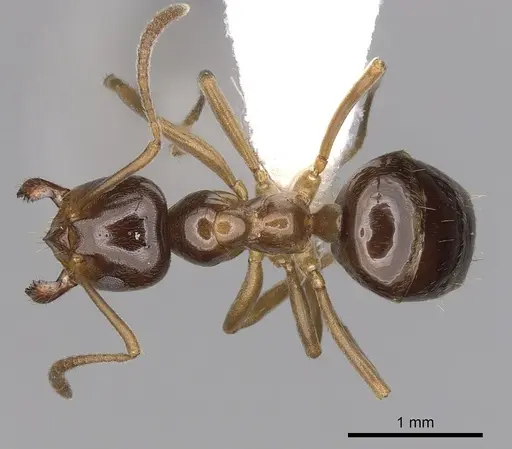
CASENT0903225
View on AntWeb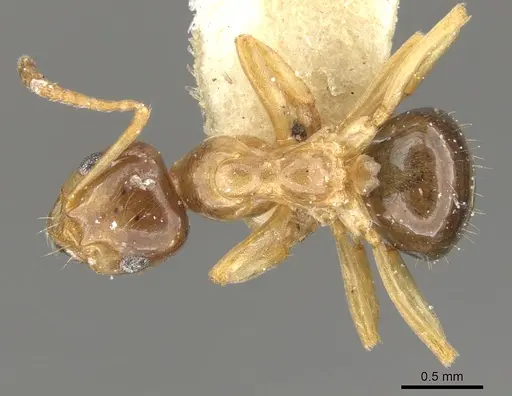
CASENT0903226
View on AntWeb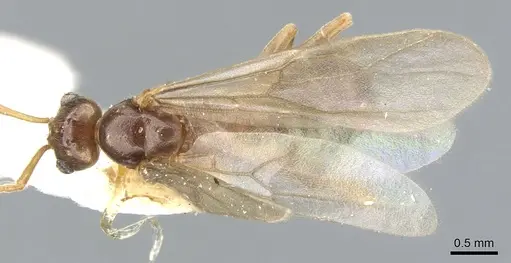
CASENT0905129
View on AntWeb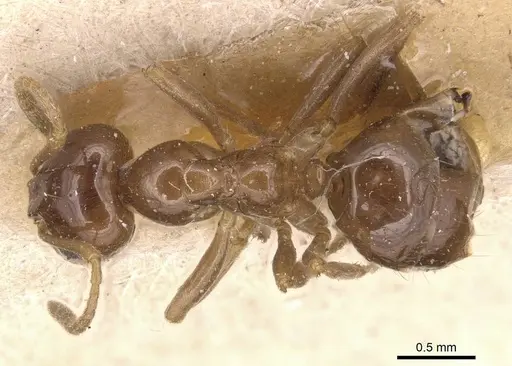
CASENT0905131
View on AntWeb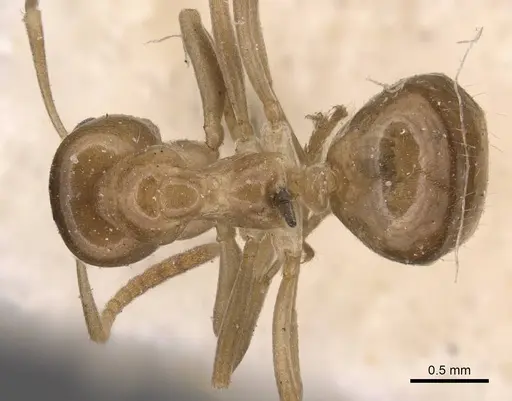
CASENT0909828
View on AntWeb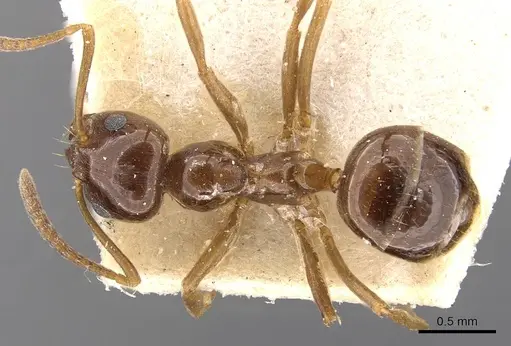
CASENT0909830
View on AntWeb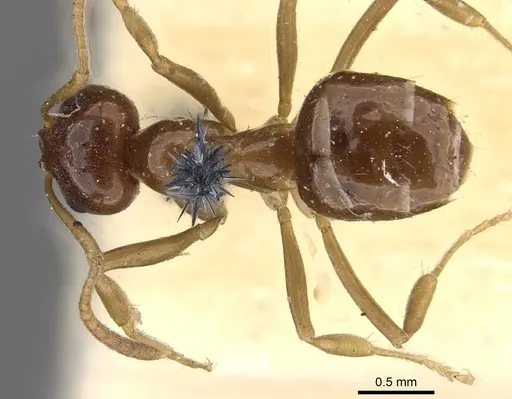
CASENT4031894
View on AntWeb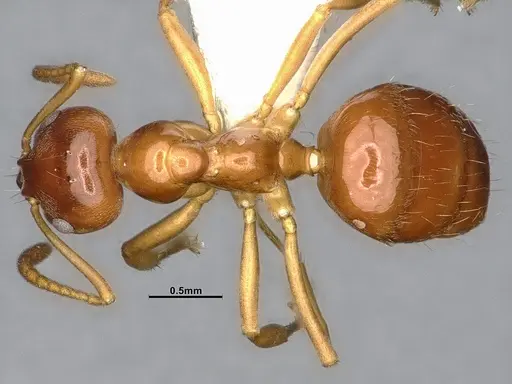
Literature
Loading...Loading products...