

Lasiophanes atriventris
- Scientific Name
- Lasiophanes atriventris
- Tribe
- Melophorini
- Subfamily
- Formicinae
- Author
- Smith, 1858
- Distribution
- Found in 2 countries
Lasiophanes atriventris Overview
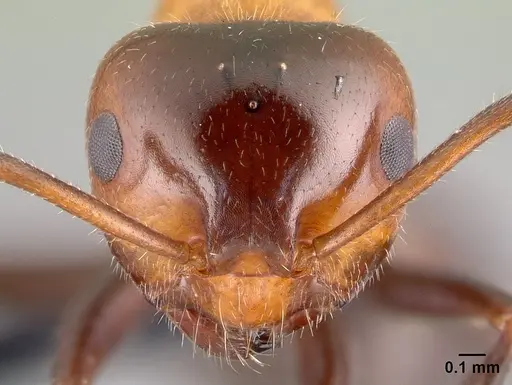
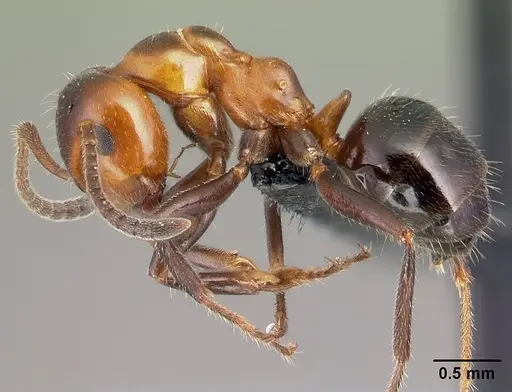
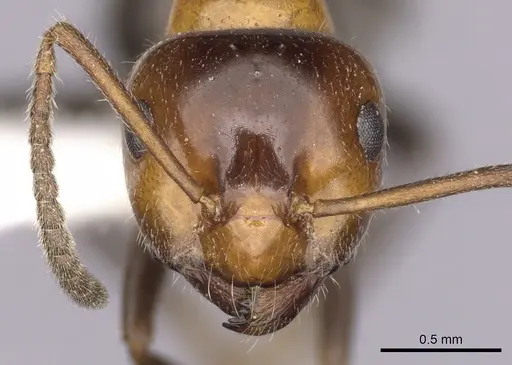
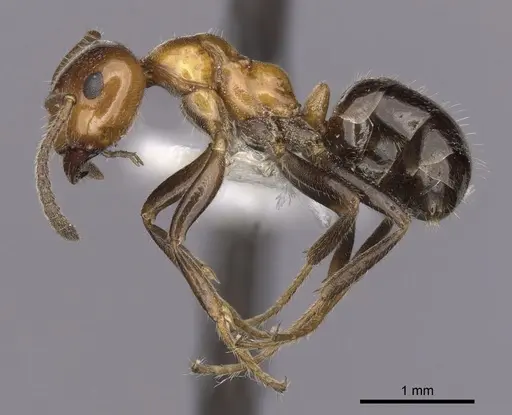
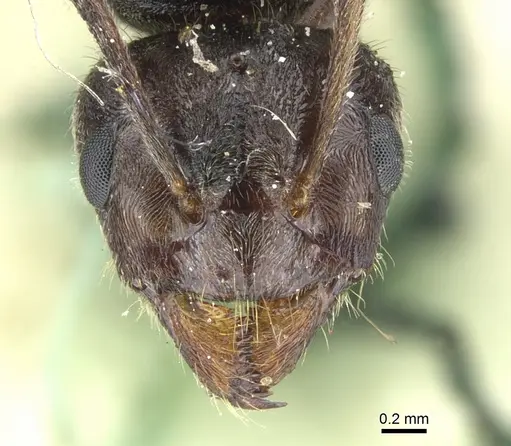
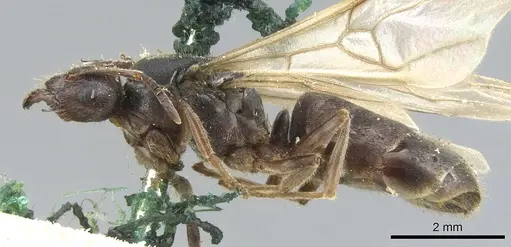
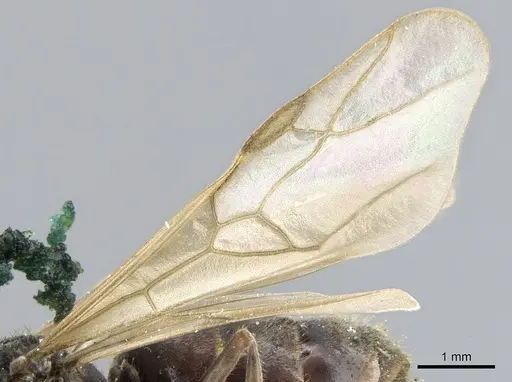
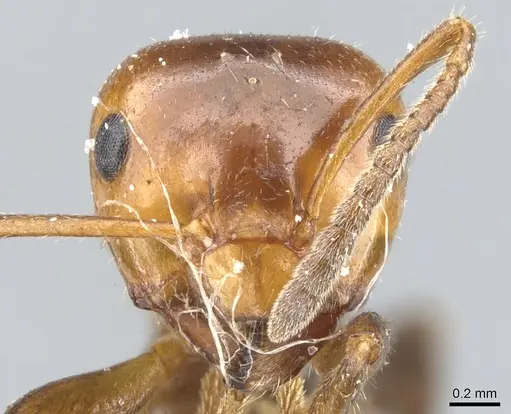
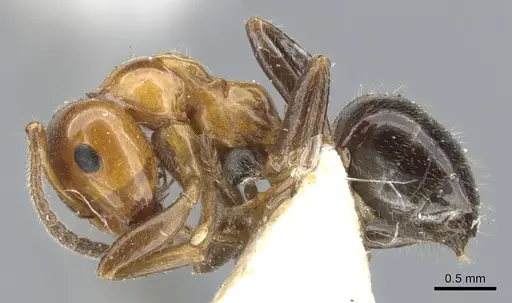
Lasiophanes atriventris is an ant species of the genus Lasiophanes. It is primarily documented in 2 countries , including Argentina, Chile. Detailed taxonomic data and occurrence records can be further explored via authoritative databases such as AntWeb or the Global Biodiversity Information Facility (GBIF).
Lasiophanes atriventris
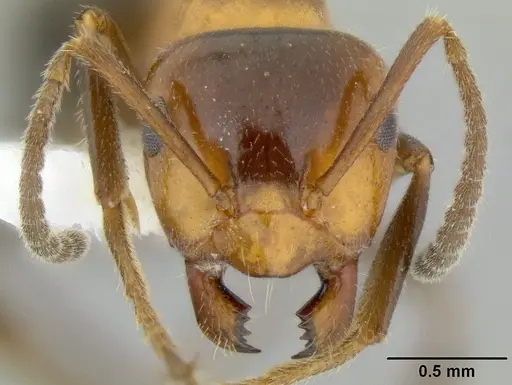
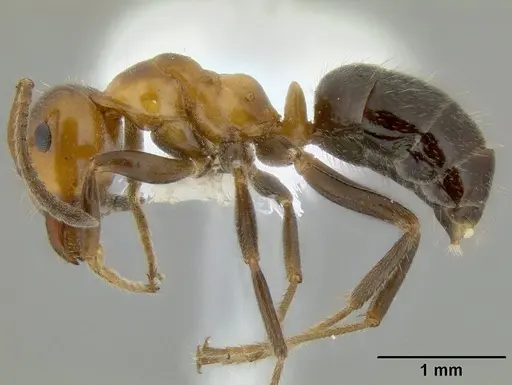
Lasiophanes atriventris is a medium-sized ant species native to the cold temperate forests of southern South America. Workers are dark-bodied ants belonging to the subfamily Formicinae, tribe Melophorini. The species was originally described as Leptomyrmex nigriventris by Spinola in 1851,with the current name established as a replacement for the junior primary homonym. This ant is endemic to Chile and Argentina, specifically found in the western Patagonia and Tierra del Fuego regions [1][2].
These ants inhabit the Nothofagus (southern beech) forests and conifer-dominated areas of southern Patagonia, including araucaria, cipreses de las guaitecas, alerce, and mañio trees. This makes them a cold-climate species adapted to the cool, humid conditions of the Subantarctic-Patagonian transition zone.
Quick Summary
- Difficulty: Unknown, limited data available
- Origin & Habitat: Western Patagonia and Tierra del Fuego in Chile and Argentina. Found in Nothofagus forests and conifer habitats (araucaria, cipreses de las guaitecas, alerce, mañio) [1][2].
- Colony Type: Unconfirmed, colony structure has not been documented in scientific literature. As a Formicine ant in the Melophorini tribe, likely single-queen colonies, but this is an inference rather than confirmed.
- Size & Growth:
- Queen: Undocumented in available literature
- Worker: Undocumented in available literature
- Colony: Undocumented in available literature
- Growth: Unknown
- Development: Unknown, no development data available for this species (No direct studies on development timeline exist. Related Lasiophanes species in similar cold habitats may develop slowly given the cool climate they inhabit.)
- Antkeeping:
- Temperature: Keep cool, aim for 15-20°C range based on their cold Patagonian forest habitat. Room temperature (18-22°C) is likely appropriate. Avoid overheating.
- Humidity: High humidity preferred, these ants inhabit damp forest environments in western Patagonia. Keep nest substrate consistently moist but not waterlogged.
- Diapause: Likely yes, given their southern distribution in Tierra del Fuego and Patagonia, they almost certainly require a winter rest period. Expect 2-3 months of reduced activity during winter.
- Nesting: No specific captive nesting data available. In nature they likely nest in soil or decaying wood in forest settings. A naturalistic setup with moist substrate or a standard formicarium with good humidity retention would be appropriate.
- Behavior: Behavior is not well documented. As Formicine ants, they likely have moderate activity levels and may tend honeydew-producing insects. Escape risk is unknown but likely moderate, standard escape prevention measures recommended.
- Common Issues: limited availability of specific care information for this rarely kept species, cold temperature requirements may be difficult to maintain in warm climates, hibernation requirements are not well understood but likely necessary, wild-caught colonies may be difficult to source as the species is not commonly kept, no documented feeding preferences, keepers must experiment with protein and sugar sources
Natural History and Distribution
Lasiophanes atriventris is endemic to the southern tip of South America, specifically Chile and Argentina. The species was documented as early as 1851 by Spinola and later studied extensively by Kusnezov in 1959,who documented its distribution across western Patagonia and Tierra del Fuego [1]. This makes it one of the southernmost ant species in the world, occupying a geographic range that extends into the Subantarctic region.
These ants are associated with the distinctive forests of southern Patagonia, including Nothofagus (southern beech) forests and conifer stands. The specific tree species they inhabit include araucaria (Araucaria araucana), cipreses de las guaitecas (Pilgerodendron uviferum), alerce (Fitzroya cupressoides), and mañio (Saxegothaea conspicua) [1]. These forest types are characterized by high humidity, cool temperatures, and significant rainfall throughout the year.
Temperature and Seasonal Care
Given their extreme southern distribution in Tierra del Fuego and western Patagonia, Lasiophanes atriventris is adapted to cool conditions. The Patagonian region experiences cold winters and mild summers, with average temperatures ranging from near freezing in winter to around 15-20°C in summer months.
For captive care, keep the colony in the cool end of the antkeeping spectrum, aim for 15-20°C as a baseline. Room temperature in most homes (18-22°C) should be suitable. During winter, expect the colony to reduce activity significantly. A hibernation period of 2-3 months at temperatures between 5-10°C is likely appropriate given their natural range extends to Tierra del Fuego, where winters are severe.
Avoid placing the nest in direct heat or warm areas. Overheating is likely more dangerous than slight undercooling for this species. [1]
Housing and Nesting
In their natural habitat, these ants nest in the cool, humid forest floor of Patagonia. They likely nest in soil or decaying wood, taking advantage of the moist, stable conditions under the forest canopy.
For captive housing, a naturalistic setup with moist substrate works well, a mix of soil and organic material that retains humidity. Standard formicariums with good moisture retention are also suitable. The key is maintaining consistently damp (but not waterlogged) substrate conditions that mimic the damp forest floor they inhabit.
Because this species is not commonly kept, there is limited information on optimal nest dimensions. Start with a modestly sized setup and expand as the colony grows. Ensure excellent escape prevention as the specific escape risk is unknown.
Feeding and Diet
The specific diet of Lasiophanes atriventris has not been documented in scientific literature. As a Formicine ant in the Melophorini tribe, they likely have omnivorous habits similar to related genera.
In captivity, offer a standard ant diet: protein sources such as small insects (fruit flies, small crickets, mealworms) and sugar sources (sugar water, honey, or honeydew). Given their forest habitat, they may also tend aphids or scale insects for honeydew.
Start with basic offerings and observe what the colony accepts. Protein should be provided regularly (every few days) for a growing colony, with sugar water available at all times. Remove uneaten prey after 24-48 hours to prevent mold.
Frequently Asked Questions
How do I care for Lasiophanes atriventris ants?
Lasiophanes atriventris is a rarely kept species from cold Patagonia and Tierra del Fuego. Keep them cool (15-20°C), maintain high humidity in the nest, and provide a winter hibernation period of 2-3 months. Feed standard ant foods, protein insects and sugar sources. This species is not commonly kept, so expect a learning curve.
What temperature do Lasiophanes atriventris ants need?
Keep them cool, aim for 15-20°C. These ants come from the cold forests of southern Patagonia and Tierra del Fuego, where temperatures are much cooler than typical room temperature. Avoid heat sources.
Do Lasiophanes atriventris ants need hibernation?
Yes, almost certainly. Their natural range extends to Tierra del Fuego, one of the southernmost regions in the world, where winters are severe. Provide 2-3 months of cold storage at 5-10°C during winter.
Where is Lasiophanes atriventris found?
This species is endemic to Chile and Argentina, specifically western Patagonia and Tierra del Fuego. They inhabit Nothofagus forests and conifer areas in one of the southernmost ant distributions in the world.
What do Lasiophanes atriventris ants eat?
Their specific diet is not documented, but as Formicine ants they are likely omnivorous. Offer small insects (fruit flies, small crickets, mealworms) for protein and sugar water, honey, or honeydew for carbohydrates.
Are Lasiophanes atriventris good for beginners?
This species is not recommended for beginners. It is rarely kept in captivity, and specific care requirements are not well documented. The cold temperature requirements may also be difficult to maintain in warmer climates.
How big do Lasiophanes atriventris colonies get?
Colony size is not documented in available literature. Related southern Patagonian ant species typically form moderate-sized colonies. Expect several hundred workers at maturity based on typical Formicinae patterns.
Can I keep multiple Lasiophanes atriventris queens together?
The colony structure of this species has not been documented. Until more information is available, it is not recommended to combine unrelated queens. Single-queen setups are safest for this species.
References

This caresheet is licensed under CC BY-SA 4.0 .
CASENT0106235
View on AntWeb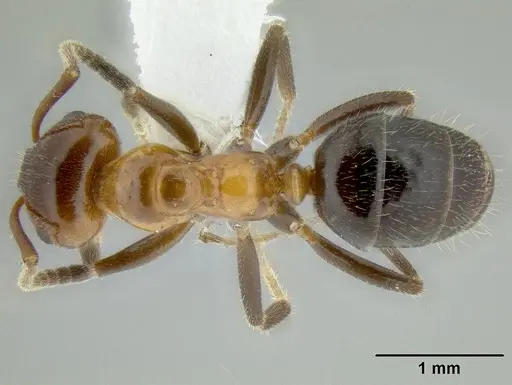
CASENT0128151
View on AntWeb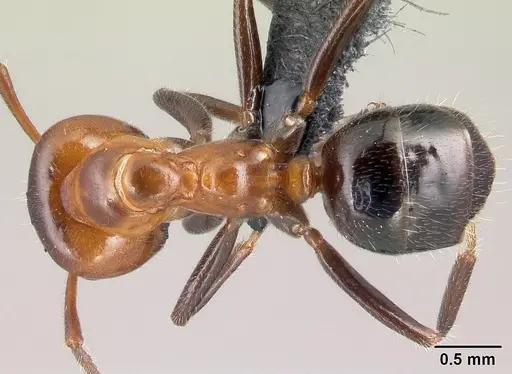
CASENT0280428
View on AntWeb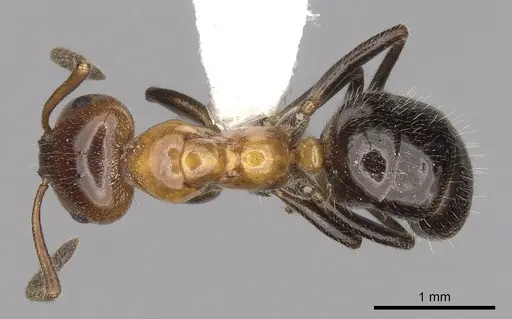
CASENT0903222
View on AntWeb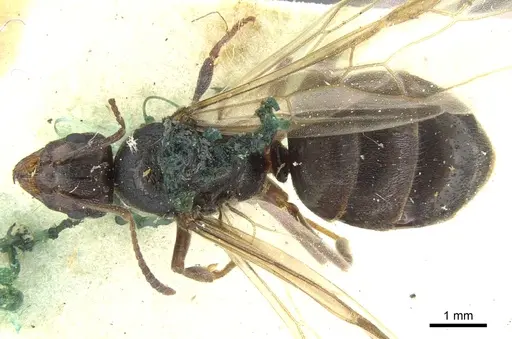
CASENT0903223
View on AntWeb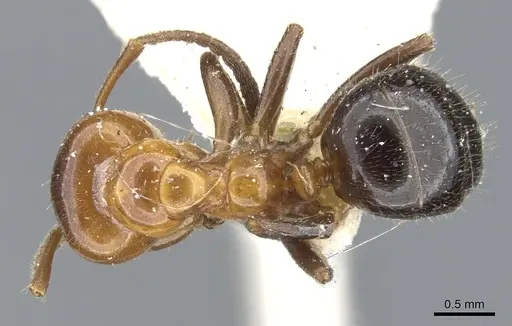
Literature
Loading...Loading products...