

Lachnomyrmex laticeps
- Scientific Name
- Lachnomyrmex laticeps
- Tribe
- Attini
- Subfamily
- Myrmicinae
- Author
- Feitosa & Brandão, 2008
- Distribution
- Found in 1 countries
Lachnomyrmex laticeps Overview
Lachnomyrmex laticeps is an ant species of the genus Lachnomyrmex. It is primarily documented in 1 countries , including Costa Rica. Detailed taxonomic data and occurrence records can be further explored via authoritative databases such as AntWeb or the Global Biodiversity Information Facility (GBIF).
Lachnomyrmex laticeps
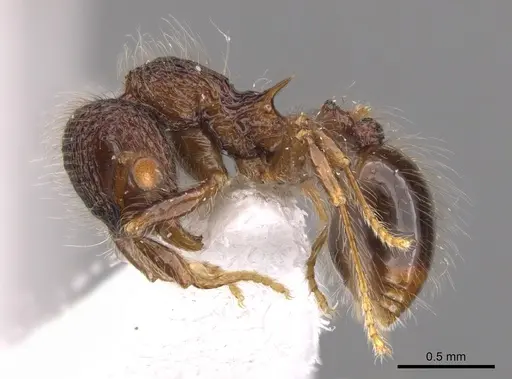
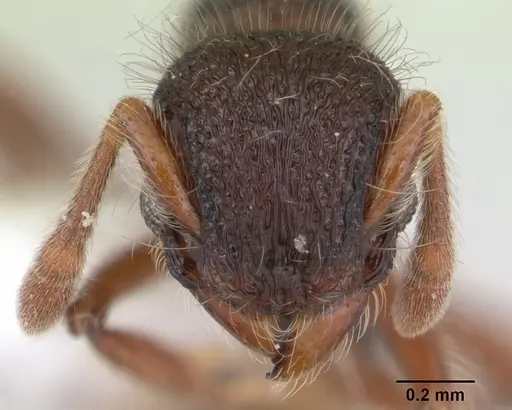
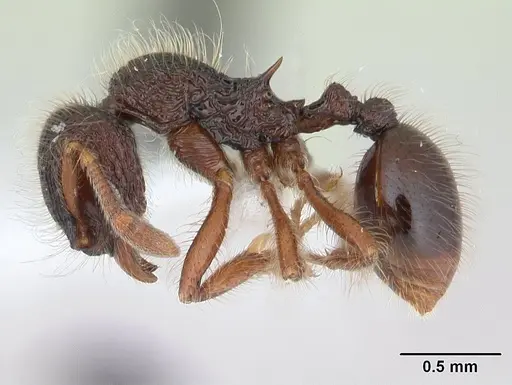
Lachnomyrmex laticeps is a tiny Neotropical ant species found only in Costa Rica's mature wet forests at elevations of 500-1100m. Workers measure just 3.7-3.8mm total length and are reddish to dark brown with noticeably lighter appendages. They are instantly recognizable by their exceptionally dense body pilosity (covering even the first abdominal segment) and their unusually broad, flat-topped head [1]. This species belongs to the leaf-litter ant tribe Attini and nests in small chambers in clay banks or decaying wood. Workers forage alone through leaf litter rather than in groups, and they do not recruit nestmates to food sources [2]. The species was only described in 2008,and much of its biology remains undocumented.
Quick Summary
- Difficulty: Expert
- Origin & Habitat: Costa Rica, specifically the mature wet forests of the Heredia and Alajuela provinces at 500-1100m elevation. Found in humid, shaded forest environments near streams [1][3].
- Colony Type: Apparently monogynic, colonies appear to have a single queen. Only known from worker caste, queen caste has not been described [2][4].
- Colony: Monogyne
- Size & Growth:
- Queen: Unknown, queen caste has not been described in scientific literature
- Worker: 3.69-3.78mm total length, with head width 0.74-0.79mm [1]
- Colony: Relatively small colonies, only a few workers found in documented nests [1][2]
- Growth: Unknown, no captive breeding data exists
- Development: Unknown, development has not been studied in captivity (No data exists on development times. Related Lachnomyrmex species suggest 2-4 months but this is highly uncertain)
- Antkeeping:
- Temperature: Keep around 22-26°C, mimicking their cloud forest habitat. Avoid temperatures above 28°C, these ants from high-elevation wet forests prefer cooler, stable conditions [1].
- Humidity: High humidity is essential, they come from constantly moist wet forests. Keep nest substrate consistently damp but not waterlogged. Provide a water tube and ensure humidity stays above 70% [1][2].
- Diapause: Unknown, no data on overwintering requirements. Given their tropical origin, they likely do not require true hibernation but may reduce activity in cooler months.
- Nesting: In captivity, provide a naturalistic setup with moist substrate (like a cross-section or plaster nest) that mimics their natural clay bank and rotting wood nesting sites. Small chambers and narrow passages work well for their tiny size [1][2].
- Behavior: Workers are solitary foragers that search for food alone in leaf litter rather than recruiting nestmates. They do not form pheromone trails to food sources [2]. They are small but active, and their tiny size means escape prevention is critical, use fine mesh barriers. Temperament appears non-aggressive, they will flee rather than engage. No stinging behavior documented, and their small size makes them harmless to humans [1].
- Common Issues: escape prevention is critical due to their tiny 3.7mm size, they can squeeze through standard formicarium gaps, no established captive breeding protocols exist, this species is virtually unknown in the hobby, colony sizes remain small even in wild nests, don't expect rapid growth, high humidity requirements can lead to mold problems if ventilation is inadequate, lack of queen description means founding behavior is completely unknown
Natural History and Distribution
Lachnomyrmex laticeps is endemic to Costa Rica, known only from a handful of specimens collected in the country's mature wet forests. The type specimens came from elevations between 500-1100m in the Heredia and Alajuela provinces. John Longino documented a nest in a clay bank above a small stream at 800m elevation in the Peñas Blancas river valley, the nest had a small flask-shaped entrance leading to a tiny chamber containing just a few workers, no brood or sexuals [1][3]. The genus Lachnomyrmex is restricted to the Neotropical region, ranging from southern Mexico to northern Argentina, but this particular species is known only from Costa Rica [2]. They are almost always encountered in leaf litter of submontane wet forests, where they forage alone on the ground or among fallen leaves [2].
Identification and Appearance
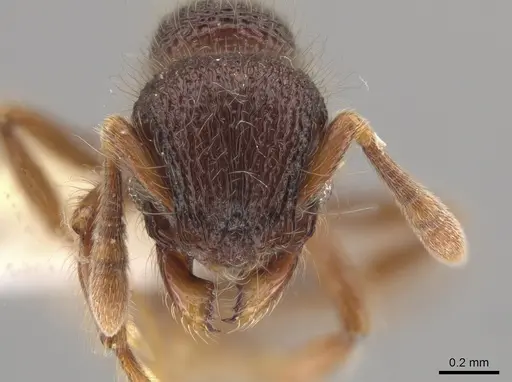
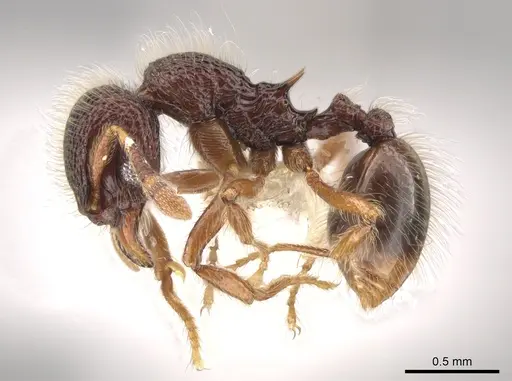
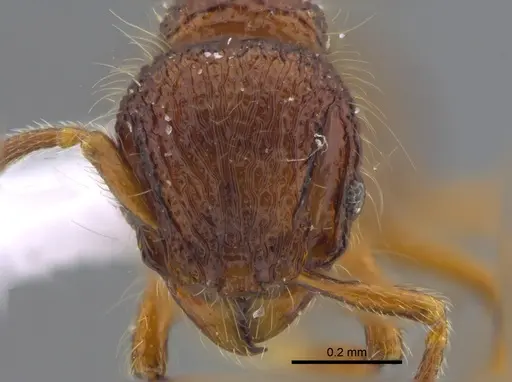
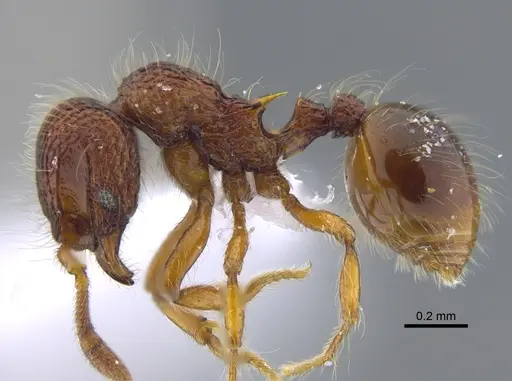
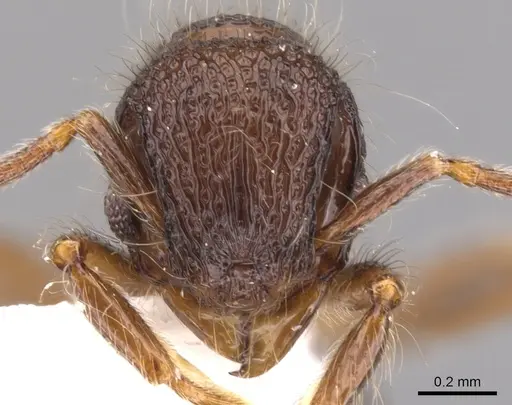
Workers of Lachnomyrmex laticeps are tiny ants measuring just 3.69-3.78mm total length. Their coloration ranges from reddish to dark brown, with noticeably lighter appendages (antennae, legs). The most distinctive features are their exceptionally dense body pilosity, long hairs cover almost every surface, including the first abdominal segment, and their unusually broad head with a virtually flat vertexal (top) margin. The head is actually slightly longer than it is wide. Other distinguishing features include strongly convex promesonotum (the first two thoracic segments), shallow metanotal groove, and straight propodeal spines [1]. This combination of dense pilosity and broad, flat-topped head separates them from related species like Lachnomyrmex grandis and Lachnomyrmex pilosus [1].
Housing and Nesting
In the wild, Lachnomyrmex laticeps nests in small chambers dug into clay banks or within rotting wood and leaf litter. The one documented nest had a distinctive flask-shaped entrance leading to a tiny chamber, this suggests they prefer tight, enclosed spaces. For captive care, a small naturalistic setup works best: moist substrate (like soil or plaster) with small chambers scaled to their tiny size. Test tubes can work for founding colonies but may be too large for such small ants. A Y-tong (acrylic) nest with narrow chambers or a small plaster/formicarium setup maintains the humidity they need. Because they nest near streams in the wild, they require consistently moist substrate, think damp forest floor, not dry conditions [1][2].
Feeding and Diet
As members of the tribe Attini (the leaf-cutter and fungus-growing ant group), Lachnomyrmex belongs to a lineage that typically farms fungus. However, the genus Lachnomyrmex is not a true leaf-cutter, they are considered 'higher Attini' relatives but their exact diet is not well documented. Based on related genera, they likely cultivate small amounts of fungus or feed on fungal spores. In captivity, you should offer small protein sources like fruit flies, pinhead crickets, and other tiny arthropods. Sugar water or honey may be accepted but is not a primary food source. Given their solitary foraging behavior, offer food in small quantities where foragers can find it easily. Remove uneaten prey within 24-48 hours to prevent mold [2].
Behavior and Colony Structure
Lachnomyrmex laticeps workers are solitary foragers, they search for food alone rather than recruiting nestmates. Unlike many ants, they do not form pheromone trails to food sources. This 'single-worker' foraging strategy means they are not aggressive defenders of food and won't swarm potential threats. Wild colonies appear to be small, with only a few workers per nest. The species appears to be monogynous (single queen per colony), though the queen caste has never been scientifically described. Only the worker caste is known from specimens, no queens, males, or brood have been documented in scientific collections [2][1]. This makes them one of the most poorly known Neotropical ant species and extremely rare in both research collections and the ant-keeping hobby.
Challenges and Expert-Level Care
Lachnomyrmex laticeps is absolutely not a species for beginners. This ant represents a significant challenge even for experienced keepers because virtually no captive care information exists. The queen has never been described, meaning founding behavior is completely unknown, you cannot start a colony from a queen because none have been documented. Wild colonies are tiny (only a few workers), suggesting slow growth and small ultimate colony sizes. Their tiny 3.7mm size makes escape prevention critical, standard formicarium barriers will not contain them. They require high humidity (70%+) and cool-to-warm temperatures (22-26°C), mimicking cloud forest conditions. If you somehow obtain a colony, expect significant trial-and-error in establishing proper care. This species is best left to researchers with specific collection permits rather than hobbyists, there are no established protocols, and wild collection would be ecologically irresponsible for such a rare species [1][2].
Frequently Asked Questions
Can I keep Lachnomyrmex laticeps as a pet ant?
This species is not recommended for antkeepers. It is virtually unknown in the hobby, and no captive breeding protocols exist. The queen has never been scientifically described, so you cannot start a colony. Wild colonies are extremely small and rare, collecting them would be ecologically irresponsible. Choose a better-documented species instead.
How big do Lachnomyrmex laticeps colonies get?
Wild colonies are very small, the one documented nest contained only a few workers with no brood or sexuals. Based on related Lachnomyrmex species, colonies likely max out at perhaps 50-100 workers. Do not expect large, impressive colonies [1][2].
What do Lachnomyrmex laticeps eat?
They are in the ant tribe Attini, which typically farms fungus. In captivity, offer small protein sources like fruit flies, tiny crickets, and other micro-arthropods. Sugar water may be accepted but is not a primary food. Their exact dietary requirements are not well studied [2].
What temperature do Lachnomyrmex laticeps need?
Keep them around 22-26°C. These ants come from high-elevation Costa Rican cloud forests where temperatures are moderate and stable. Avoid temperatures above 28°C, they prefer cooler conditions than many tropical ants [1].
Do Lachnomyrmex laticeps need hibernation?
Unknown. Given their tropical origin in Costa Rica, they likely do not require true hibernation. However, they may reduce activity during cooler months. No data exists on seasonal care requirements [1].
Where does Lachnomyrmex laticeps live in the wild?
Only in Costa Rica, at elevations of 500-1100m in mature wet forests of the Heredia and Alajuela provinces. They nest in small chambers in clay banks above streams or within rotting wood and leaf litter [1][3].
Can I catch a queen of this species to start a colony?
No, the queen caste has never been scientifically described. This means no one knows what the queen looks like, when nuptial flights occur, or how they found colonies. This species remains a mystery ant that has not been kept in captivity [2][4].
Are Lachnomyrmex laticeps aggressive?
No. Workers are solitary foragers that do not recruit nestmates or defend food sources. They are non-aggressive and will flee from threats rather than engage. They pose no danger to humans [2].
References

This caresheet is licensed under CC BY-SA 4.0 .
CASENT0637898
View on AntWeb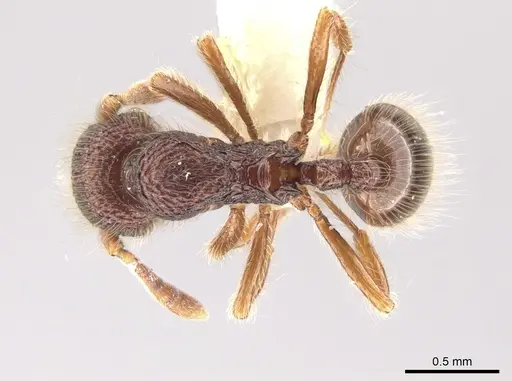
CBUMAGENT41721
View on AntWeb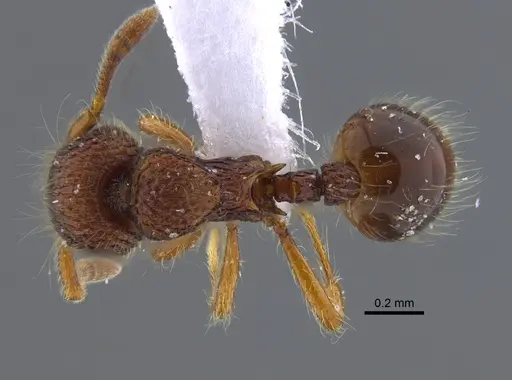
INB0003679758
View on AntWeb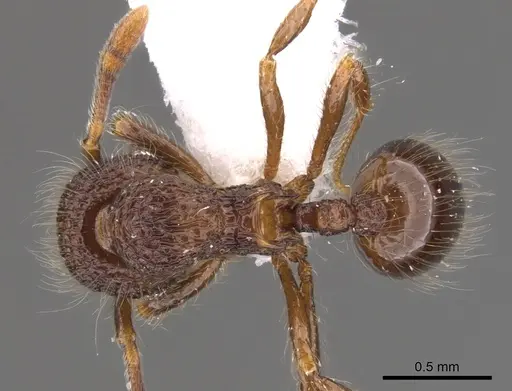
JTLC000008161
View on AntWeb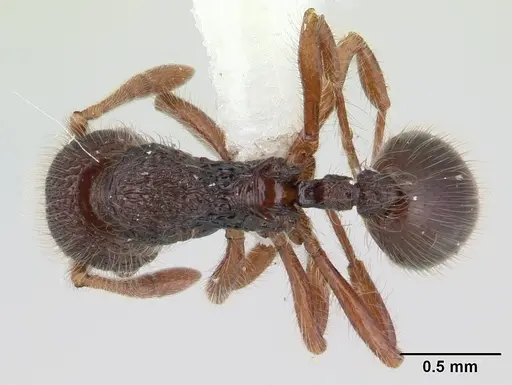
Literature
Loading...Loading products...