

Labidus spininodis
- Scientific Name
- Labidus spininodis
- Subfamily
- Dorylinae
- Author
- Emery, 1890
- Distribution
- Found in 6 countries
Labidus spininodis Overview
Labidus spininodis is an ant species of the genus Labidus. It is primarily documented in 6 countries , including Brazil, Colombia, Costa Rica. Detailed taxonomic data and occurrence records can be further explored via authoritative databases such as AntWeb or the Global Biodiversity Information Facility (GBIF).
Labidus spininodis
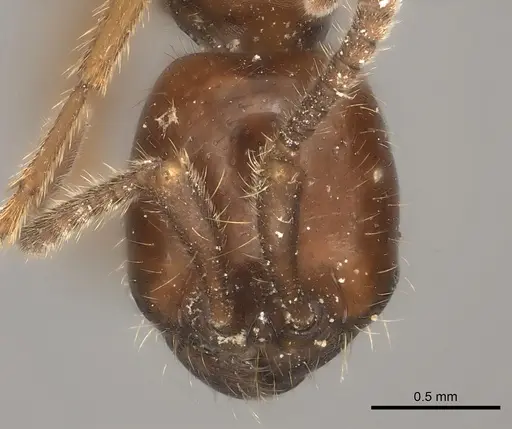
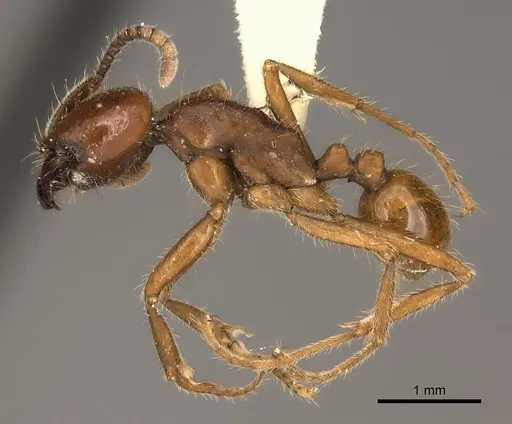
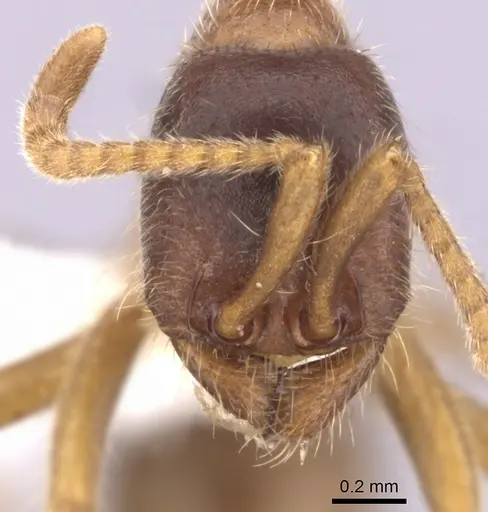
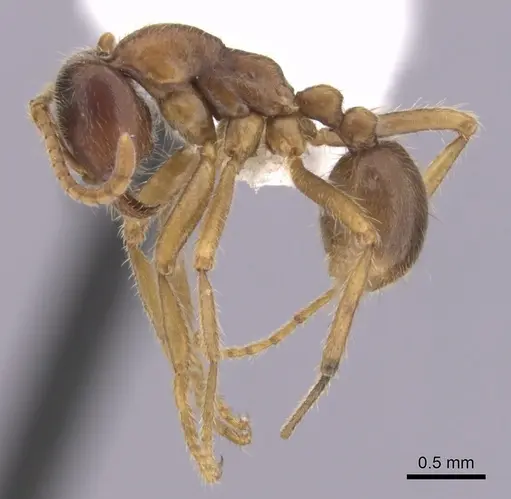
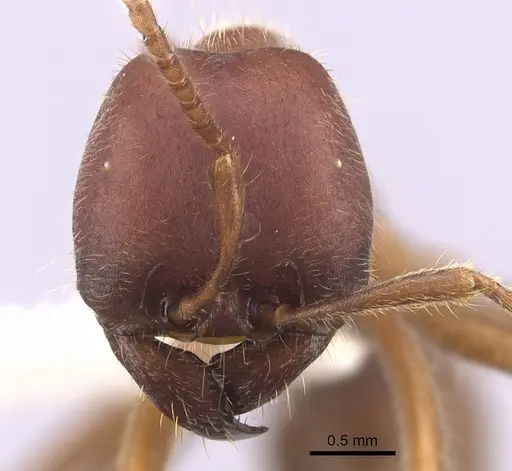
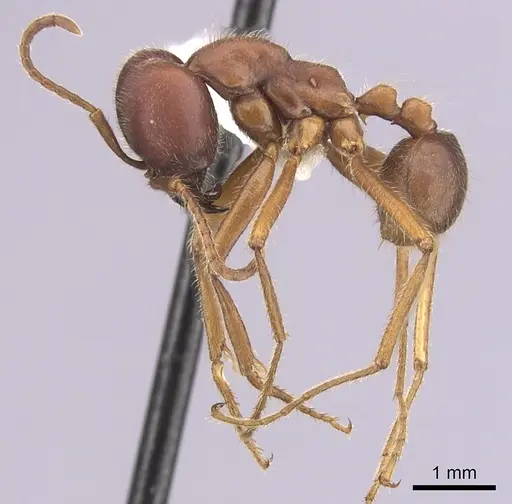
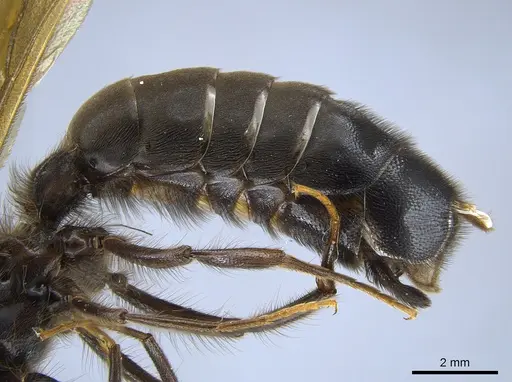
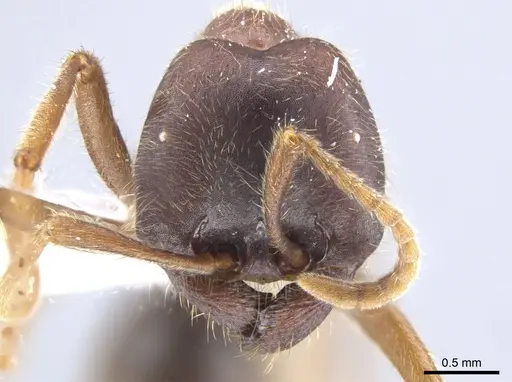
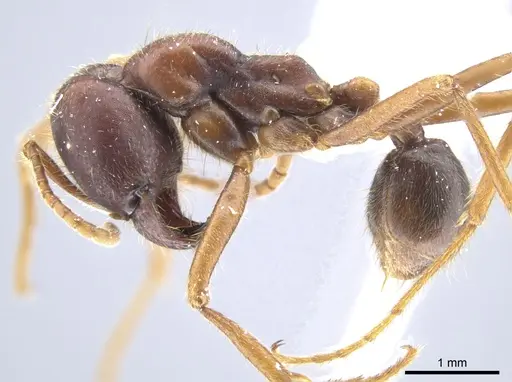
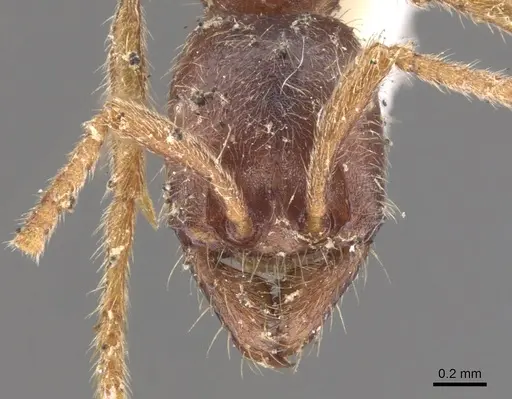
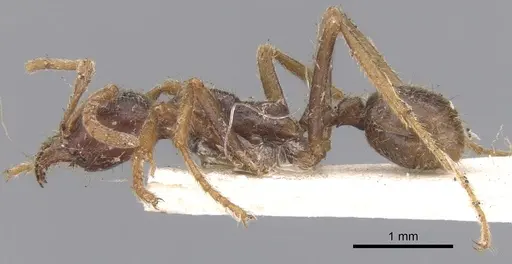
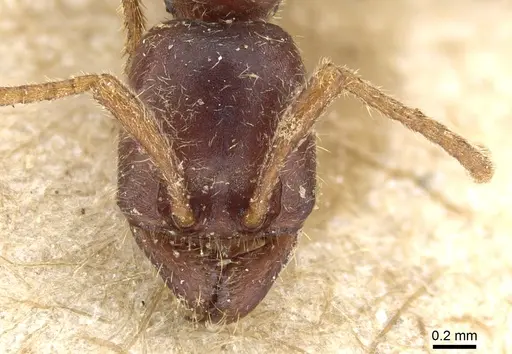
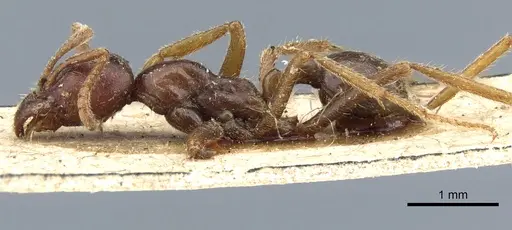
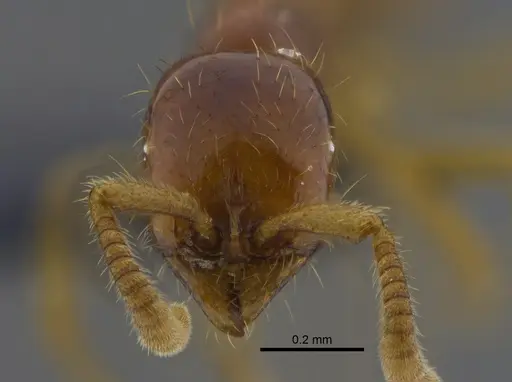
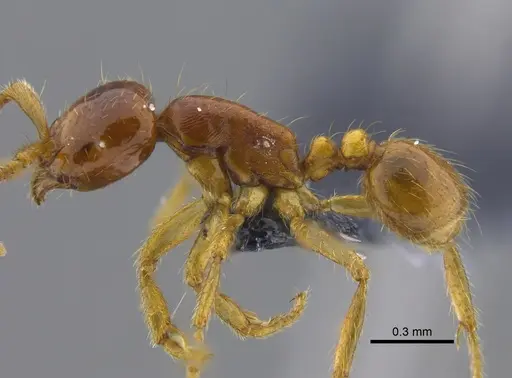
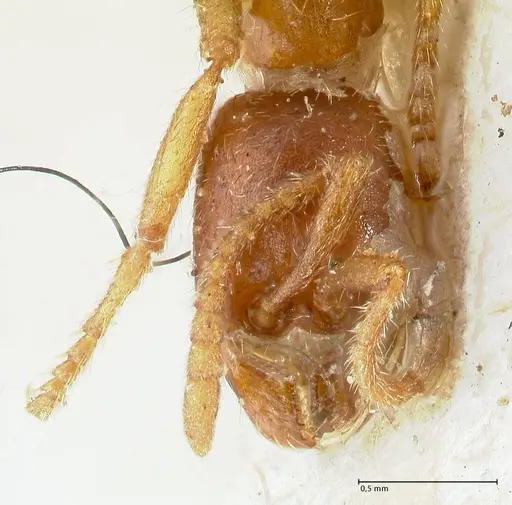
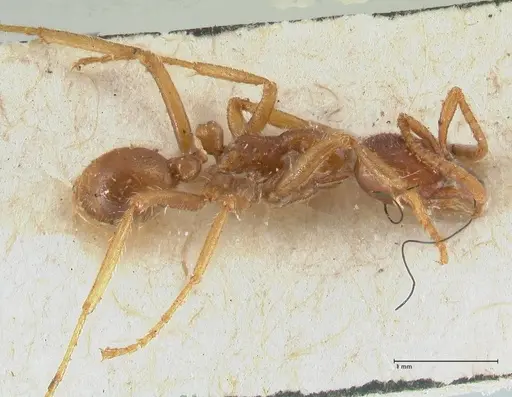
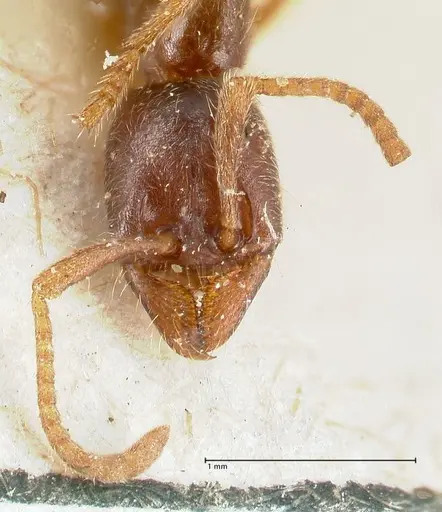
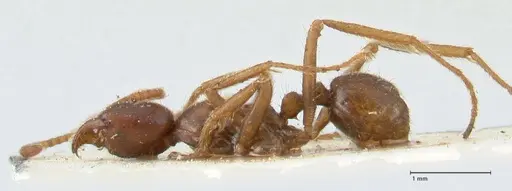
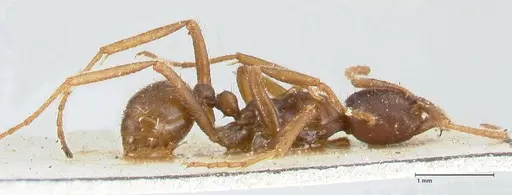
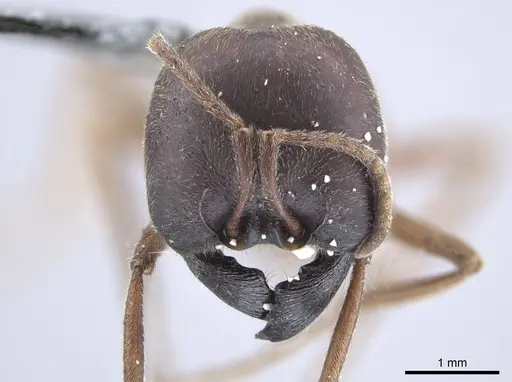
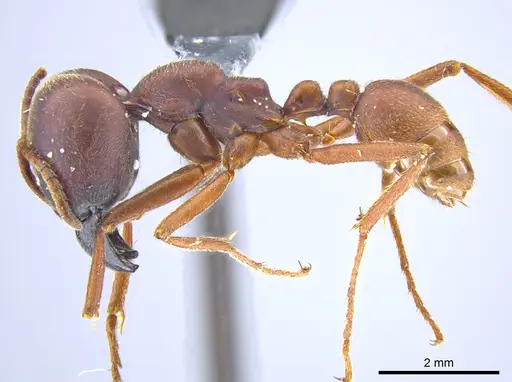
Labidus spininodis is a Neotropical army ant species native to Central and South America, found in Brazil, Colombia, Costa Rica, Ecuador, and Peru [1]. Workers are brown with a matte, microsculptured face and a distinctive ventral tooth on the petiole that separates them from the similar Labidus praedator [2]. This species forms large colonies that conduct massive carpet raids, sweeping through the forest floor and capturing invertebrate prey in large numbers [2]. Like other army ants, they are nomadic and do not build permanent nests, instead, they form temporary bivouacs as they move through their territory. They prefer primary wet forests and reach their highest density at mid-elevation sites [2].
Quick Summary
- Difficulty: Expert
- Origin & Habitat: Neotropical rainforests of Brazil, Colombia, Costa Rica, Ecuador, and Peru. Found in lowland wet forests to mid-elevation sites (1490-1610m), with preference for primary forest areas [2][3][1].
- Colony Type: Colony structure is typical of army ants, large colonies with a single queen that can produce thousands of workers. As a Dorylinae army ant, colonies are nomadic and do not maintain permanent nests [4].
- Colony: Monogyne
- Founding: Claustral
- Size & Growth:
- Queen: Estimated based on genus, queens are large (15-20mm range typical for Labidus)
- Worker: Estimated 4-7mm based on army ant worker size range
- Colony: Colonies reach thousands of workers typical for army ant species
- Growth: Fast, army ant colonies grow rapidly once established
- Development: Estimated 3-5 weeks at optimal temperature (typical for army ants) (Army ant development is very fast compared to most ants, queens can produce hundreds of workers per day during peak brood production)
- Antkeeping:
- Temperature: Keep at 24-28°C, they are tropical army ants adapted to warm, humid conditions. Thermal tolerance studies show they can tolerate a range but prefer warmth [5].
- Humidity: High humidity required (70-85%), they are forest floor species from wet tropical forests. Keep substrate consistently moist but not waterlogged.
- Diapause: No, as a tropical species, they do not require hibernation. Maintain warm conditions year-round.
- Nesting: Army ants do not nest in traditional ant nests. In captivity, they require a large foraging area with a temporary bivouac site. A naturalistic setup with multiple chambers connected to a large foraging arena works best. They need space to raid and relocate their bivouac periodically.
- Behavior: Extremely active and aggressive foragers. Workers conduct coordinated carpet raids sweeping through the foraging area. They are highly alert and will attack any potential prey or threat. Escape prevention is critical, army ant workers are small but numerous and will find any gap. They are not aggressive toward humans but can deliver a painful sting if handled [2].
- Common Issues: Colony collapse from stress, army ants are highly sensitive to disturbance and may abandon bivouacs if stressed, Escape prevention failure due to small worker size and large colony numbers, Inability to establish proper raid patterns in captivity without sufficient space, Temperature drops can slow or stop colony activity, they require consistent warmth, Lack of sufficient prey can lead to colony decline, they need constant protein sources
Understanding Army Ant Biology
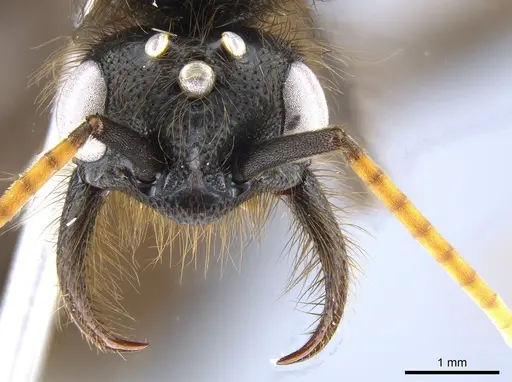
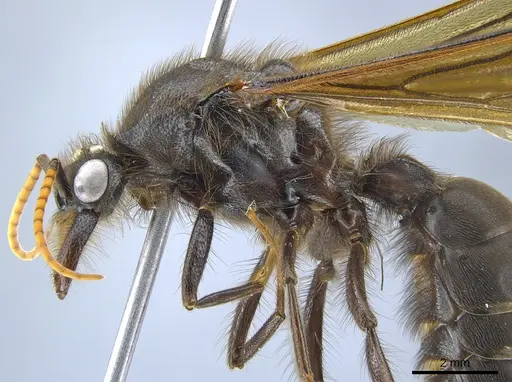
Labidus spininodis belongs to the Dorylinae subfamily, commonly known as army ants [4]. Unlike most ant species that build permanent nests, army ants are nomadic, they establish temporary bivouacs (temporary nests made of interlocking worker bodies) and move their entire colony every few days. This lifestyle allows them to exhaust prey in an area before moving on. Workers conduct massive coordinated raids called 'carpet raids' where they sweep across the forest floor in a wide front, capturing any invertebrates they encounter [2]. This species is morphologically nearly identical to Labidus praedator, differing only in the presence of a ventral petiolar spine. Both species can be found in lowland wet forests, but L. spininodis appears to prefer primary forest areas and reaches highest density at mid-elevation sites [2]. Males have been collected in flight intercept traps and Malaise traps, and are not attracted to lights unlike many ant species, they are possibly diurnal (active during the day) [2].
Housing and Enclosure Setup
Keeping army ants in captivity presents unique challenges. They require a much larger setup than typical ants, you need a spacious foraging arena connected to a nest area where they can form their bivouac. The foraging area should be at least 30x30cm or larger to allow proper raid formation. Use a escape-proof barrier like fluon on all surfaces, army ants will exploit any gap or seam. The nest area should have multiple small chambers they can use for their temporary bivouac, with connections to the foraging area. Use a moist substrate (like soil or a soil-gypsum mix) that holds humidity well. Lighting should be dim, army ants prefer dark conditions and will be more active in low-light setups. Avoid震动 and frequent disturbance as this can cause colony stress.
Feeding and Nutrition
Army ants are obligate predators, they require a constant supply of live invertebrate prey. In the wild, their carpet raids capture any arthropods they encounter. In captivity, you must provide diverse live prey such as crickets, mealworms, roaches, and other insects appropriate to worker size. Feed generously, a hungry army ant colony will decline rapidly. Unlike many ants, they do not primarily collect honeydew and sugar sources are not essential (though they may accept them occasionally). The raid frequency and intensity depends on prey availability, well-fed colonies will conduct more dramatic raids. Remove uneaten prey after 24 hours to prevent mold.
Temperature and Humidity Control
As a tropical species from Neotropical rainforests, Labidus spininodis requires warm and humid conditions. Maintain temperatures between 24-28°C, temperatures below 22°C will slow colony activity significantly. Use a heating mat on one side of the enclosure to create a temperature gradient. Humidity should be high (70-85%), mist the enclosure regularly and keep the substrate moist but not waterlogged. A large water reservoir connected to the nest area can help maintain humidity through evaporation. Poor humidity leads to desiccation and colony decline. Monitor conditions with digital thermometers and hygrometers. Avoid placing the setup near air conditioning or drafty areas. [5]
Colony Growth and Development
Army ant colonies can grow enormous, established colonies may contain tens of thousands of workers. The queen is highly fecund, capable of laying thousands of eggs per day during peak reproduction. Development from egg to worker is relatively fast for ants, estimated at 3-5 weeks under optimal conditions. Unlike many ant species, army ant colonies do not have distinct founding claustral periods in the typical sense, the queen continues laying eggs while the colony raids. New colonies start small but grow rapidly if fed well. A healthy colony will show increasing raid frequency and intensity over time. The colony will periodically relocate their bivouac within the enclosure, this is normal army ant behavior.
Seasonal Care and Activity Patterns
As a tropical species, Labidus spininodis does not require hibernation or diapause. Maintain consistent warm, humid conditions year-round. The colony may show some variation in activity levels, raids may be more frequent during warmer periods. In the wild, these ants are active year-round in the tropical forest environment. Male alates (reproductives) have been captured in Malaise and flight intercept traps, suggesting nuptial flights occur, likely during the wet season based on typical tropical ant patterns, though specific timing is not well documented [2]. Do not reduce temperatures or food during winter, this will harm the colony.
Frequently Asked Questions
Can I keep Labidus spininodis in a test tube?
No, army ants cannot be kept in test tubes or typical ant nests. They require a large naturalistic setup with a spacious foraging arena (at least 30x30cm) and a nest area where they can form a bivouac. Their nomadic nature and massive colony size make traditional nests unsuitable.
How long does it take for first workers to appear in a new colony?
Army ant development is relatively fast, expect first workers (nanitics) within 3-5 weeks under optimal warm conditions (24-28°C). However, obtaining a newly mated queen is extremely difficult as army ant queens rarely mate in captivity and colonies are typically started from wild-caught sections.
Are army ants suitable for beginners?
No, Labidus spininodis is an expert-level species. They require large enclosures, constant access to live prey, precise temperature and humidity control, and excellent escape prevention. Their nomadic behavior and sensitivity to disturbance make them challenging even for experienced antkeepers. They are not recommended for beginners.
How big do Labidus spininodis colonies get?
Army ant colonies can become massive, established colonies may reach tens of thousands of workers. They are among the largest ant colonies in the Neotropics. You must plan for this growth when setting up their enclosure.
What do army ants eat?
Labidus spininodis is an obligate predator that requires live invertebrate prey. Feed a variety of insects such as crickets, mealworms, roaches, and other small arthropods. They do not collect honeydew and sugar sources are not essential. Remove uneaten prey after 24 hours.
Do army ants need hibernation?
No, as a tropical species from Neotropical rainforests, they do not require hibernation. Maintain warm (24-28°C) and humid conditions year-round. Temperature drops can stress the colony and reduce activity.
Why is my army ant colony declining?
Common causes include: insufficient prey (they need constant protein), low temperatures below 24°C, low humidity causing desiccation, excessive disturbance or vibration, escape of the queen, or disease. Review all care parameters and ensure the colony has adequate space and prey.
Can I keep multiple Labidus spininodis queens together?
No, army ant colonies typically have a single queen (monogyne). Unlike some ant species, they do not form multi-queen colonies. Attempting to combine unrelated queens will result in fighting.
When should I move army ants to a larger enclosure?
Army ants should have a large enclosure from the start, at least 30x30cm foraging area. As the colony grows, you may need to expand the foraging space. They will naturally relocate their bivouac within the enclosure, so ensure multiple suitable locations are available.
What makes Labidus spininodis different from Labidus praedator?
These two species are morphologically nearly identical. The main distinguishing feature is that L. spininodis has a pronounced ventral tooth on the petiole (the segment behind the waist), while L. praedator does not [2]. In behavior and habitat preferences, they are very similar, both conduct massive carpet raids and prefer primary wet forests.
References

This caresheet is licensed under CC BY-SA 4.0 .
CASENT0217474
View on AntWeb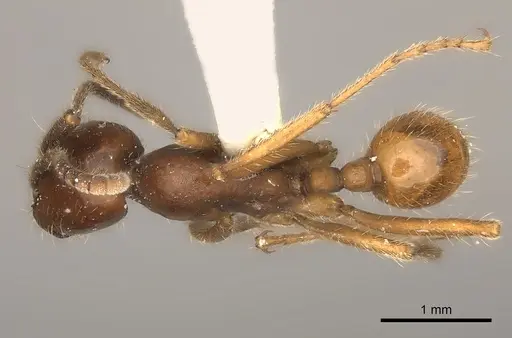
CASENT0249468
View on AntWeb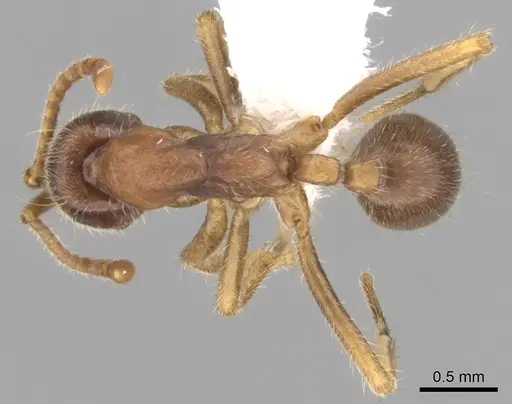
CASENT0249469
View on AntWeb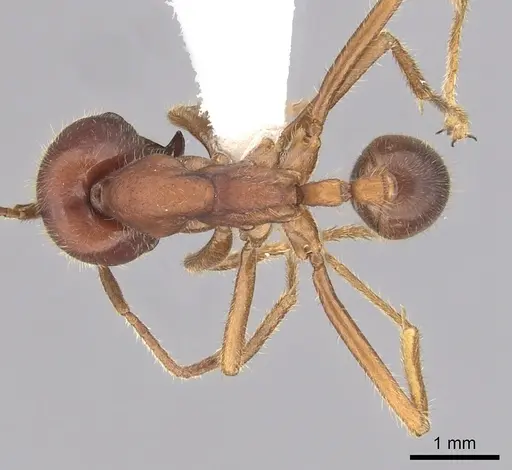
CASENT0631499
View on AntWeb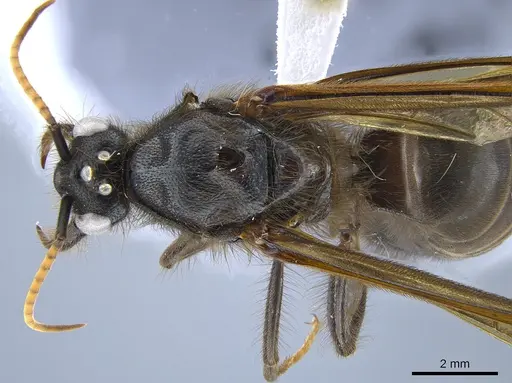
CASENT0643126
View on AntWeb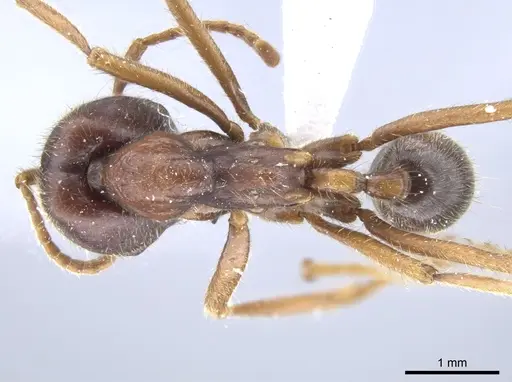
CASENT0902659
View on AntWeb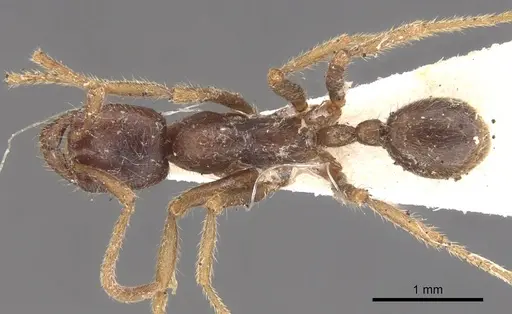
CASENT0903722
View on AntWeb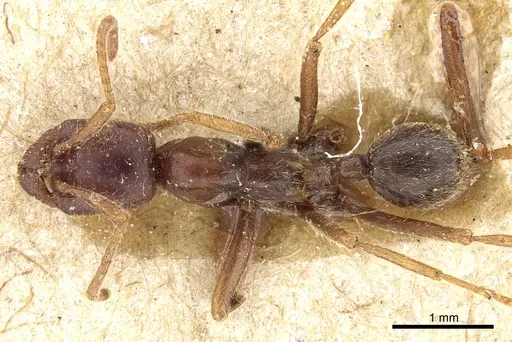
CBUMAGENT41857
View on AntWeb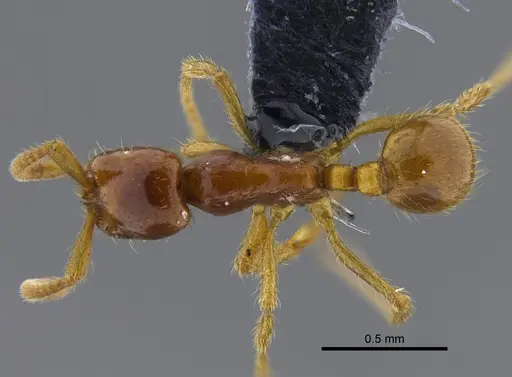
FOCOL1127
View on AntWeb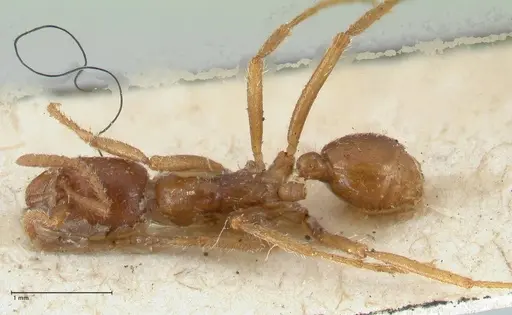
FOCOL1128
View on AntWeb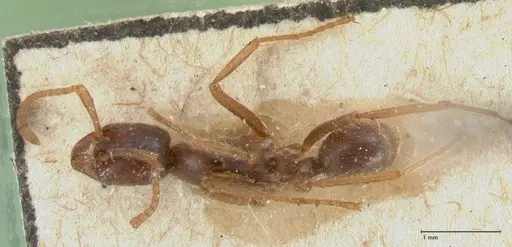
JTLC000005860
View on AntWeb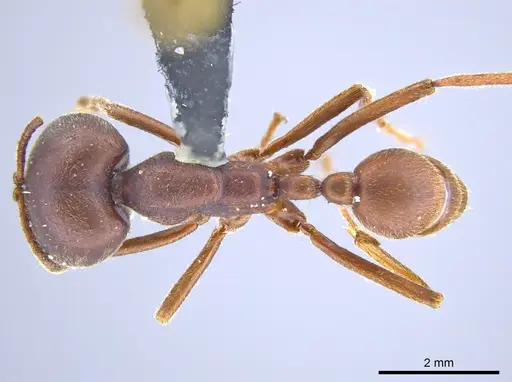
Literature
Loading...Loading products...