
Labidus praedator
- Scientific Name
- Labidus praedator
- Subfamily
- Dorylinae
- Author
- Smith, 1858
- Distribution
- Found in 11 countries
Labidus praedator Overview
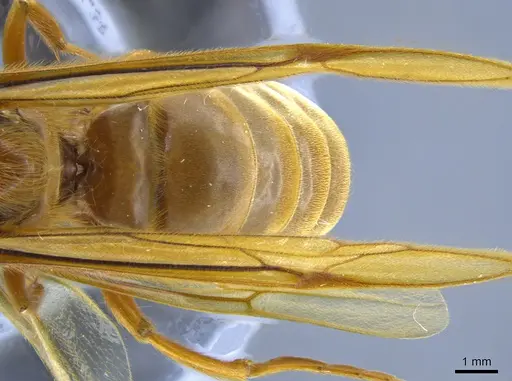
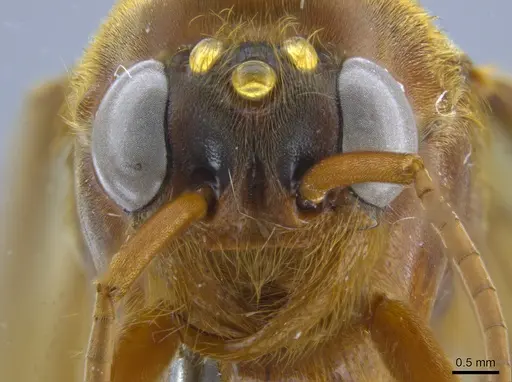
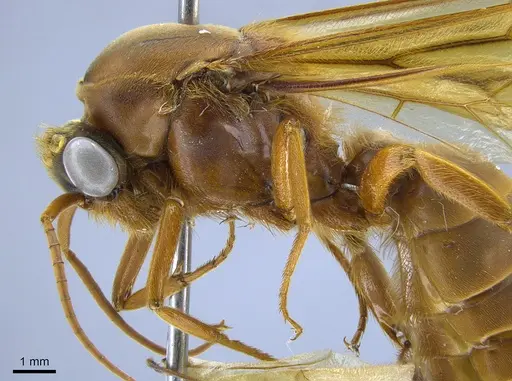
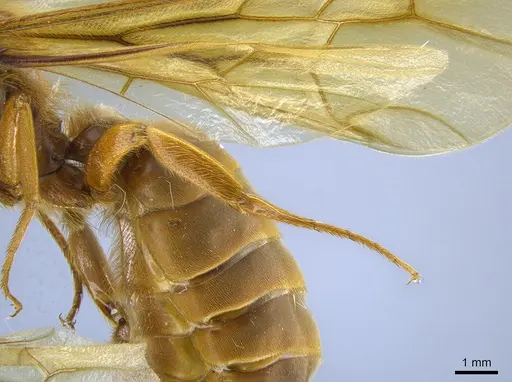
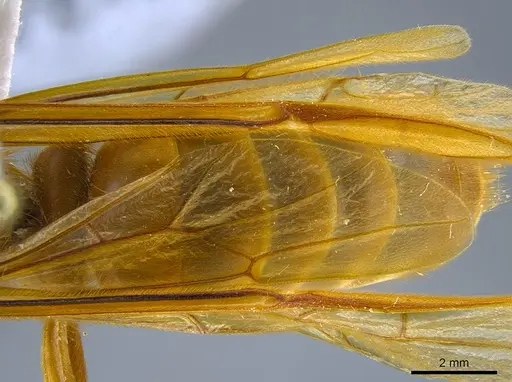
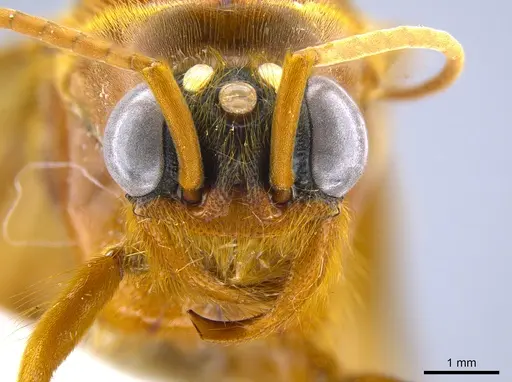
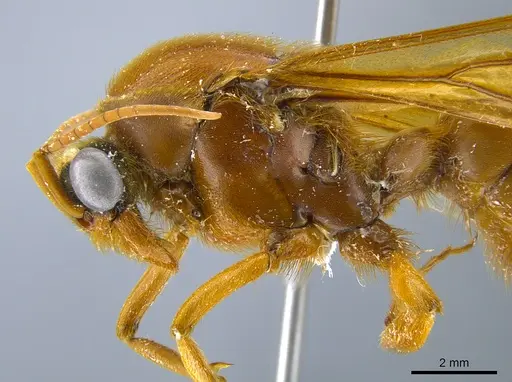
Labidus praedator is an ant species of the genus Labidus. It is primarily documented in 11 countries , including Brazil, Belize, Colombia. Detailed taxonomic data and occurrence records can be further explored via authoritative databases such as AntWeb or the Global Biodiversity Information Facility (GBIF).
Labidus praedator
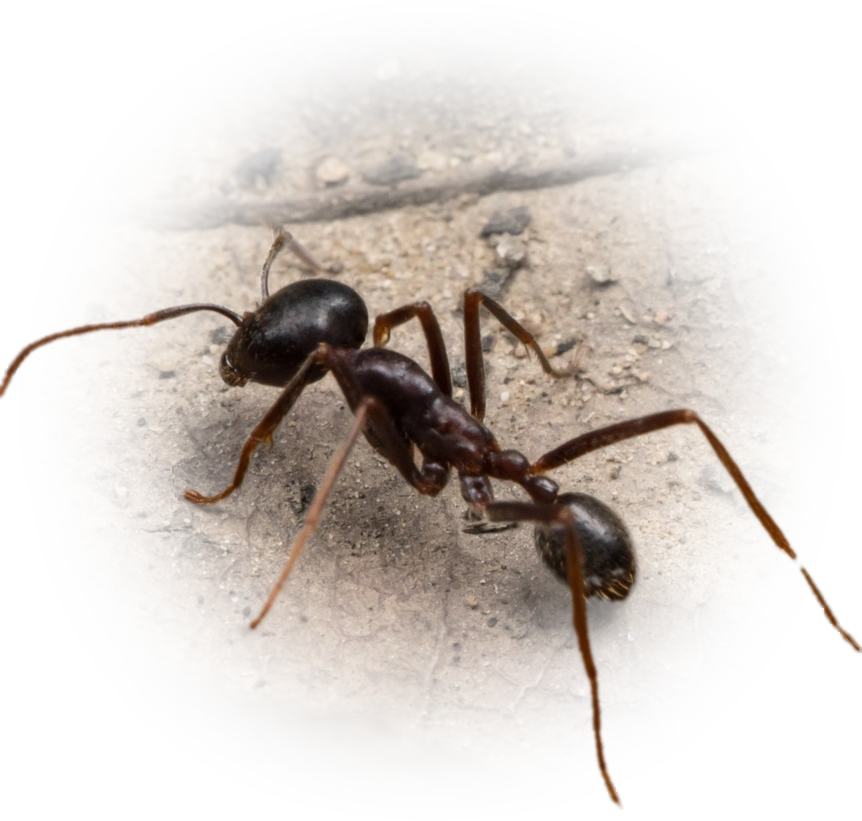
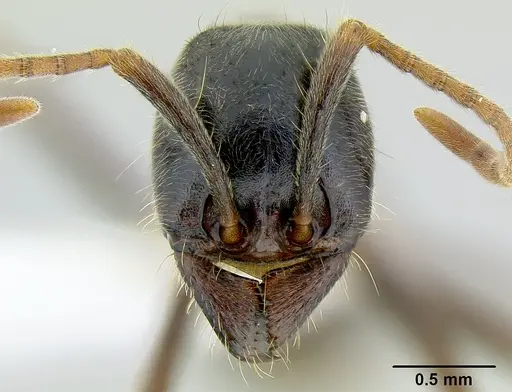
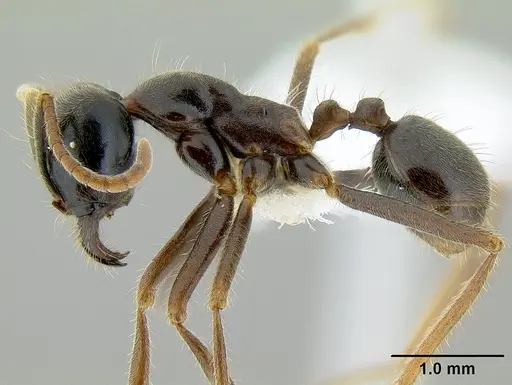
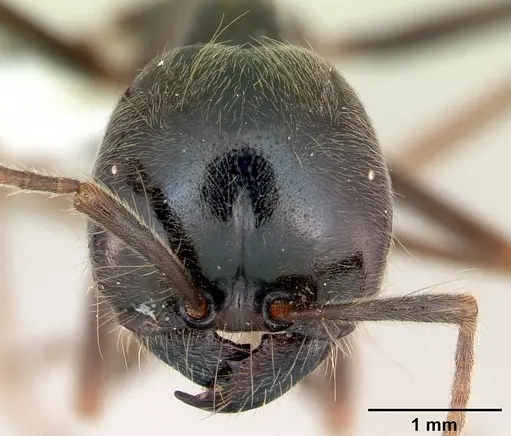
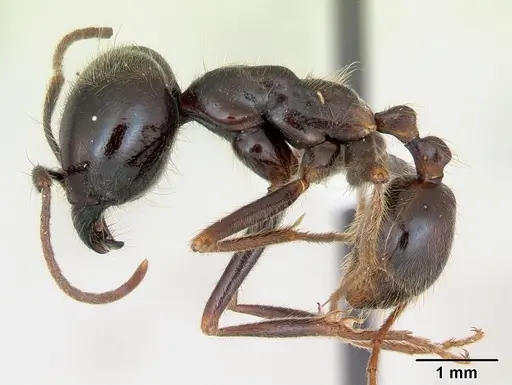
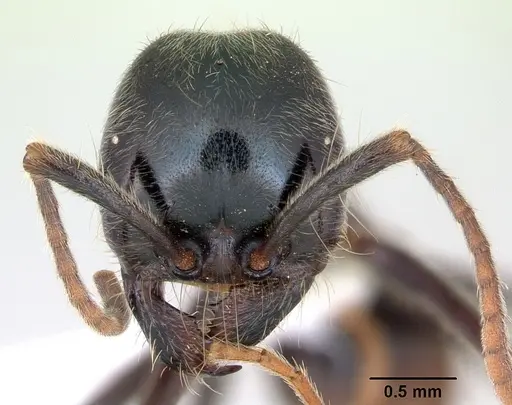
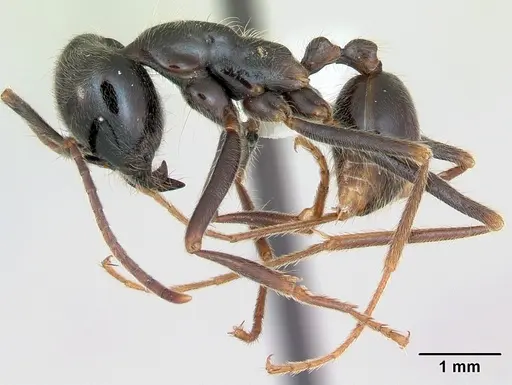
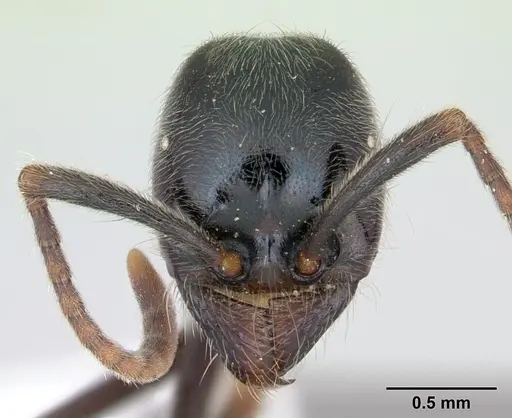
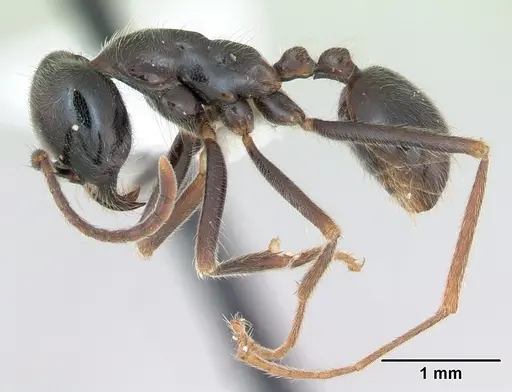
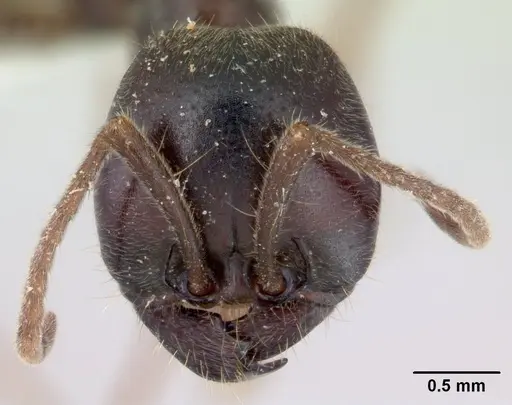
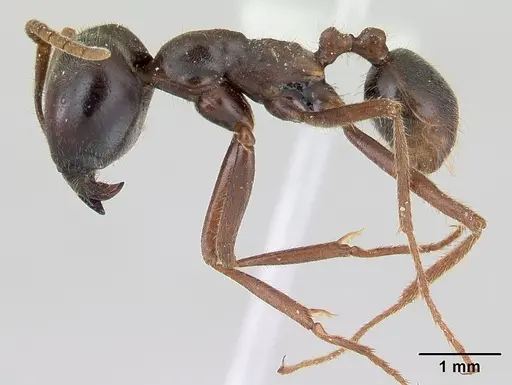
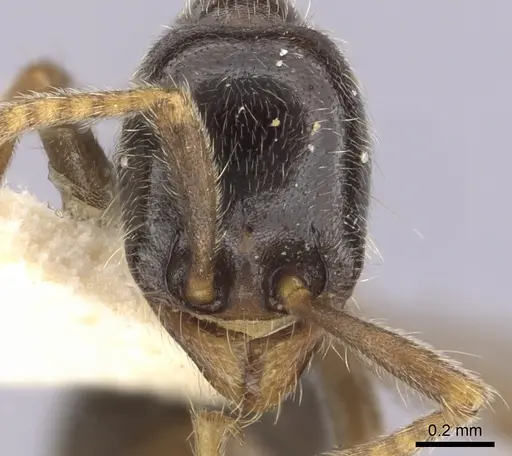
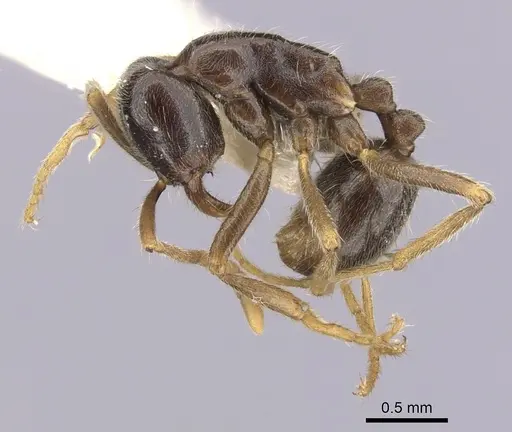
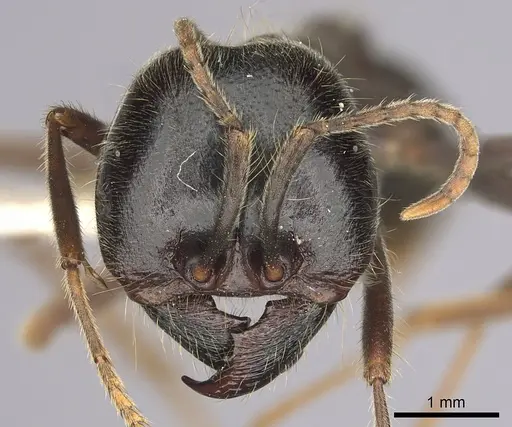
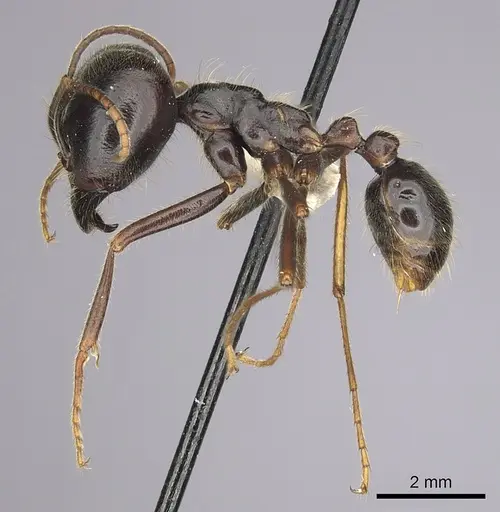
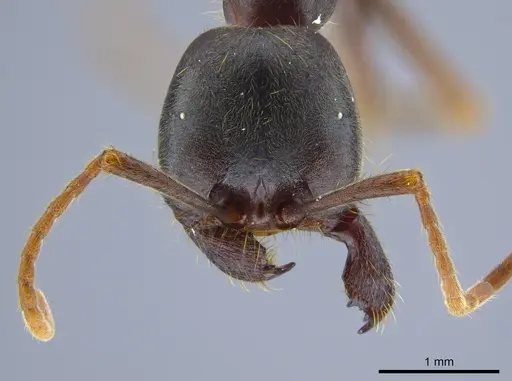
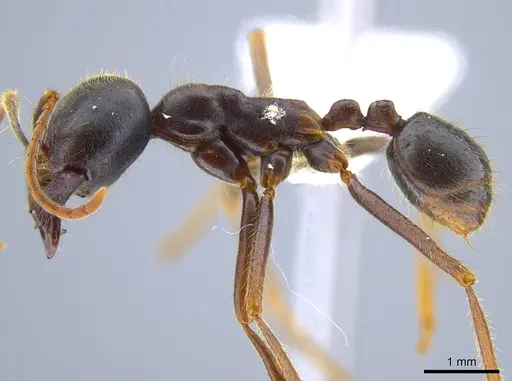
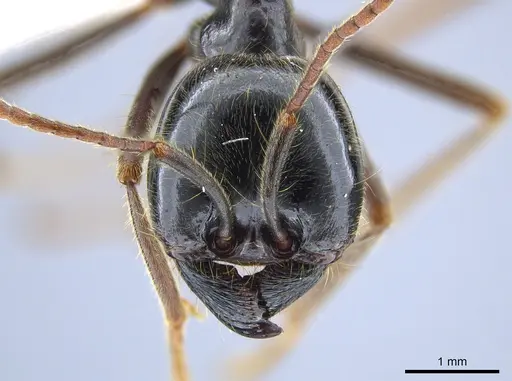
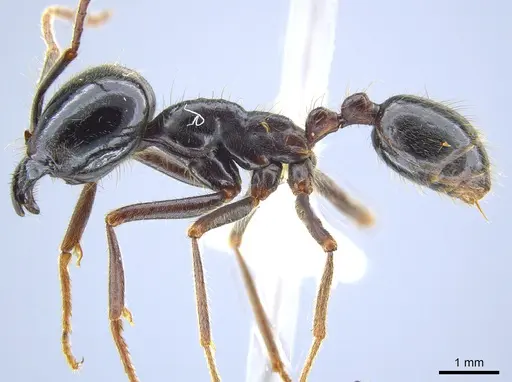
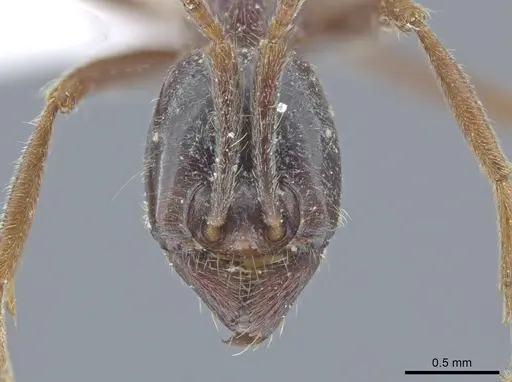
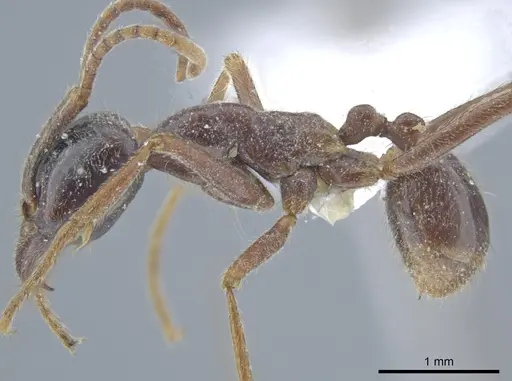
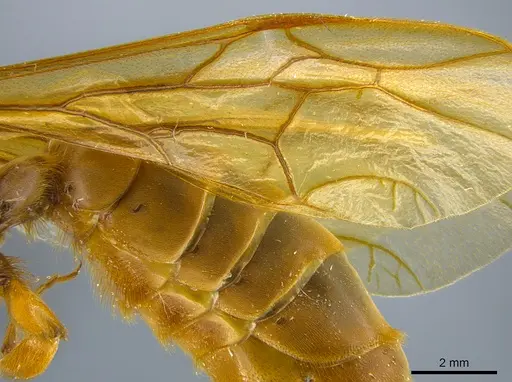
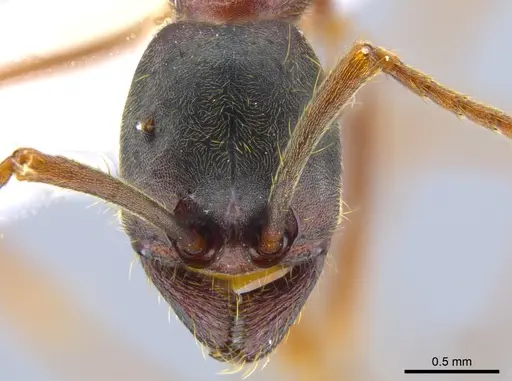
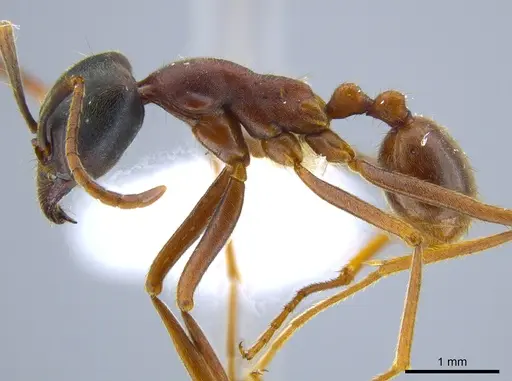
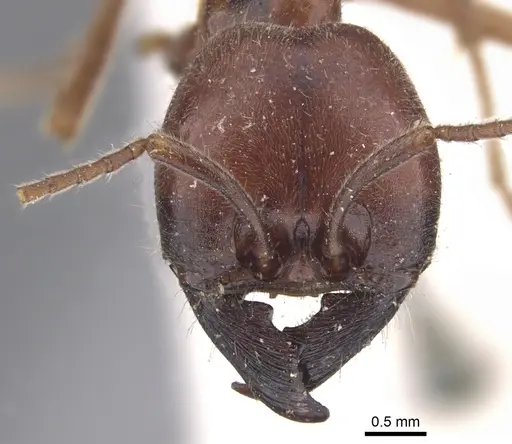
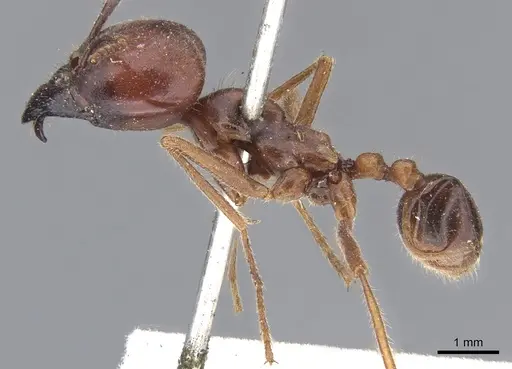
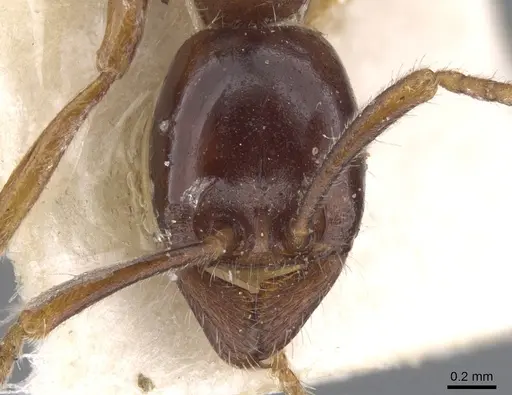
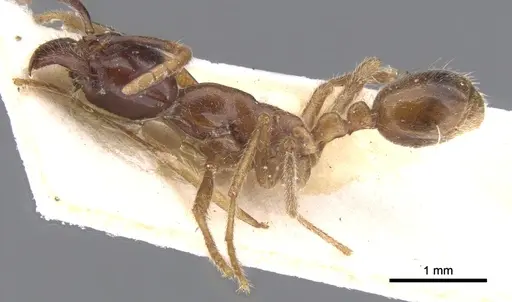
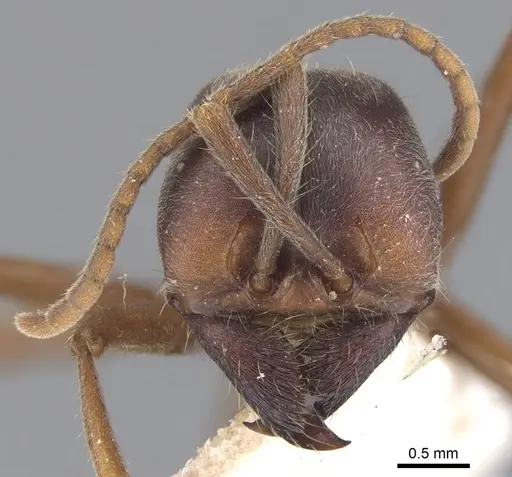
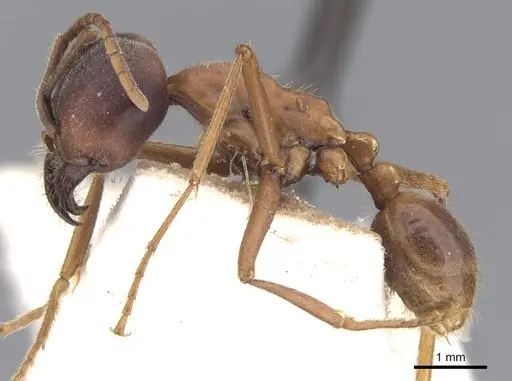
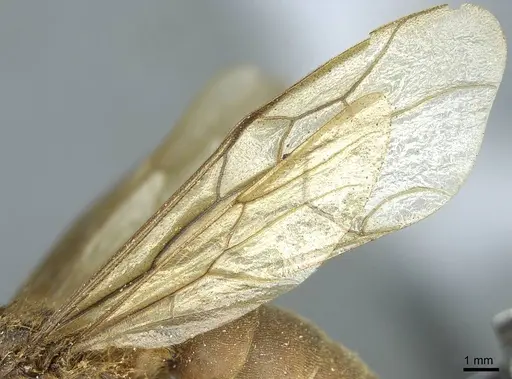
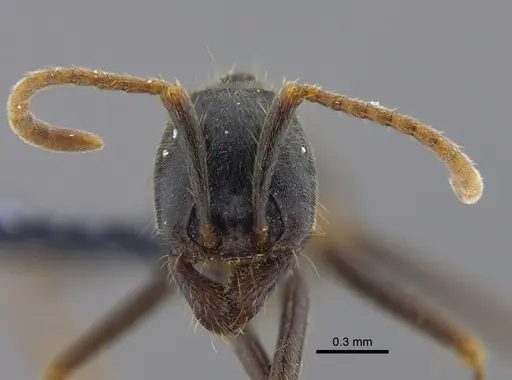
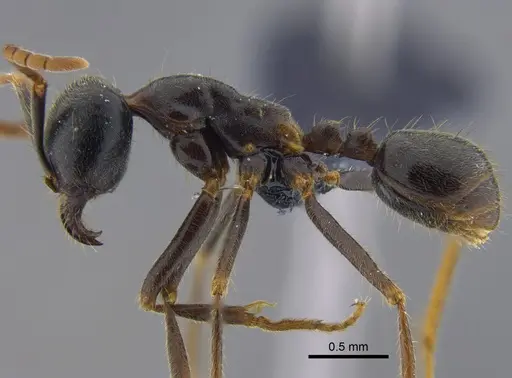
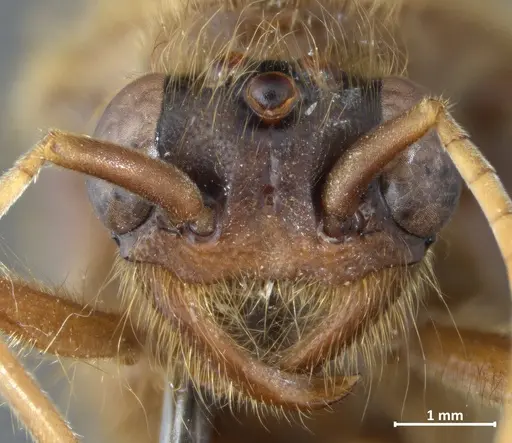
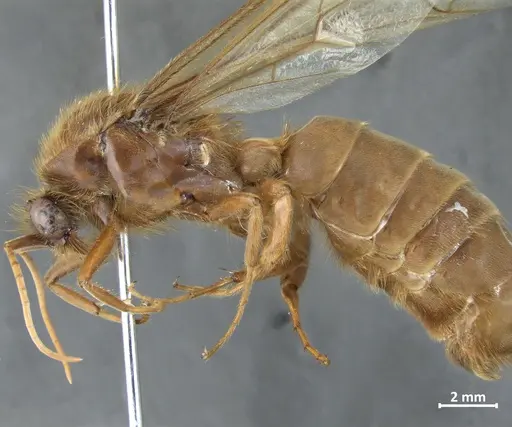
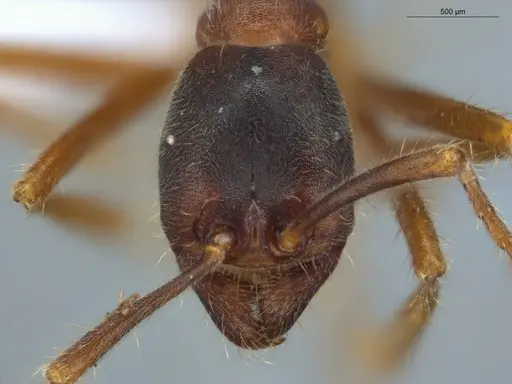
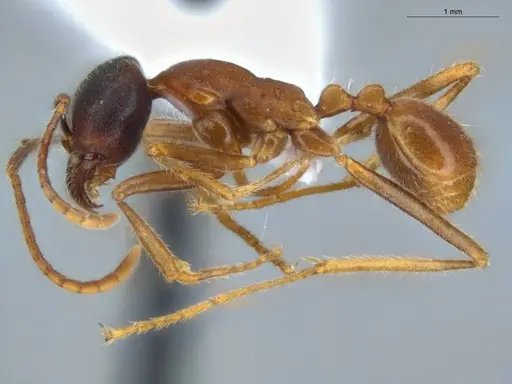
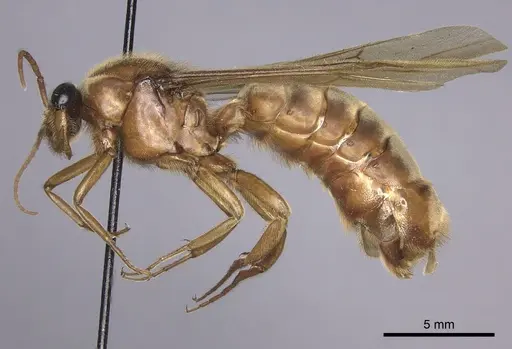
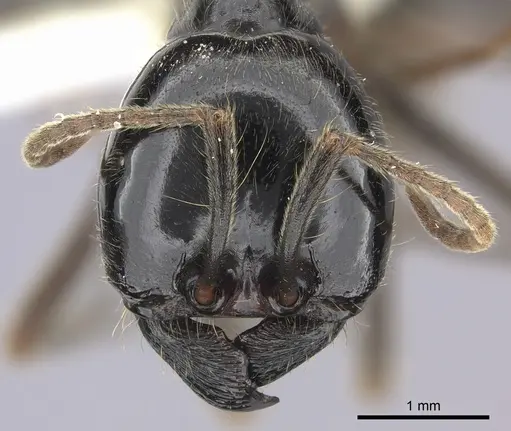
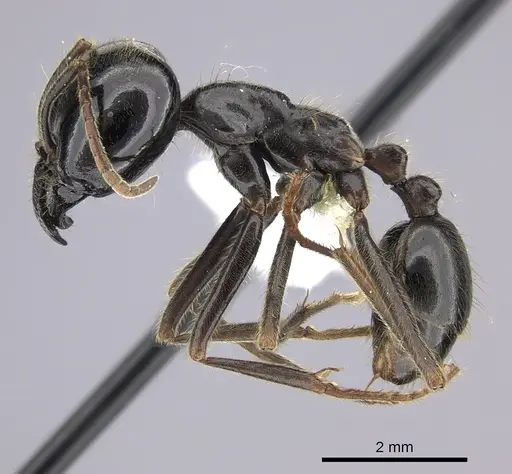
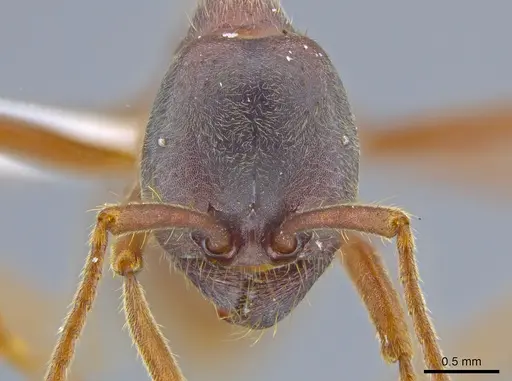
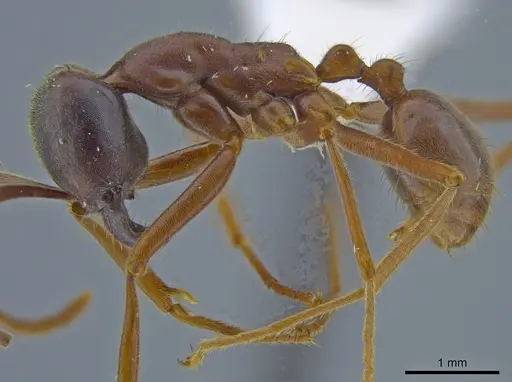
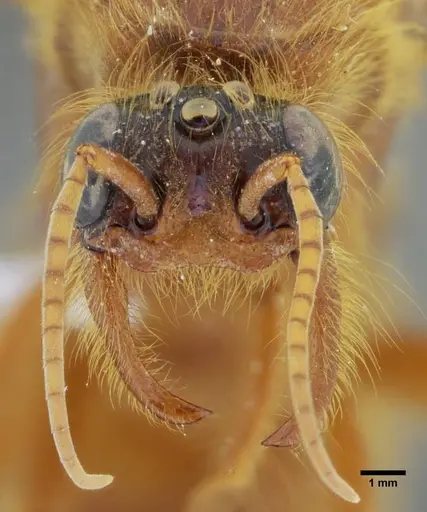
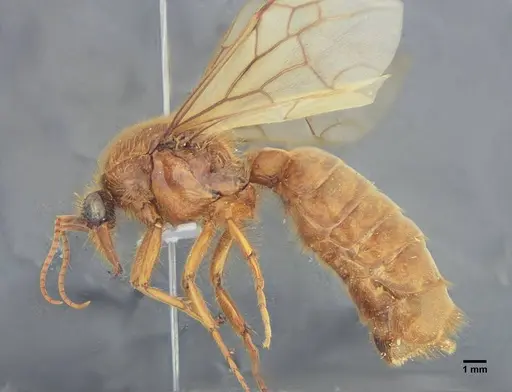
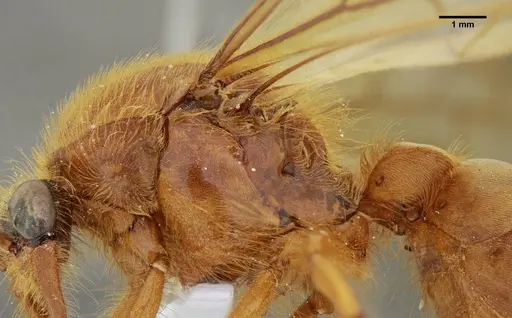
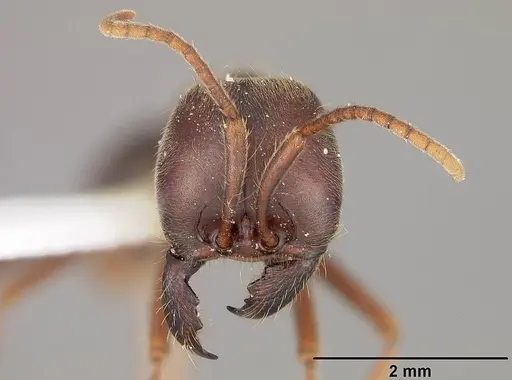
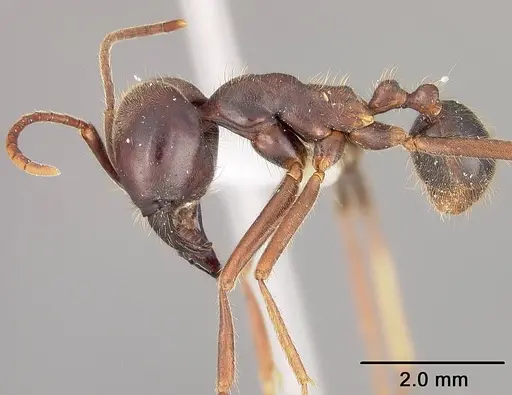
Labidus praedator is a large Neotropical army ant known for its massive carpet raids that blanket the forest floor in a seething mass of workers. Workers are polymorphic, ranging from 2-13mm, with the largest workers having disproportionately large heads. They are dark brown to black in color. This species has extremely large colonies exceeding one million individuals and conducts both surface and subterranean raids across a wide distribution range spanning from Mexico to northern Argentina [1]. Unlike many army ants, L. praedator is primarily subterranean, with surface raids emerging spontaneously from leaf litter or ground openings. Their raids are incredibly dense, the workers are smaller than Eciton burchellii, creating a tightly packed carpet that can cover ground and low vegetation in a nearly solid black layer [2]. Genetic studies suggest there may be multiple cryptic species within what is currently classified as L. praedator [1].
Quick Summary
- Difficulty: Expert
- Origin & Habitat: Neotropical distribution from Mexico to northern Argentina, found in humid lowland and montane wet forests from sea level to nearly 3000m elevation. Does not occur in dry forest areas but can be found in both primary forest and some agricultural areas like shaded coffee plantations [1][3][2].
- Colony Type: Nomadic army ant with colony sizes exceeding one million workers. Colonies alternate between stationary phases (bivouacs) and nomadic phases (emigrations). Unlike typical ants, they do not maintain permanent nests but form temporary underground bivouacs [4]. Colony type (monogyne vs polygyne) is unconfirmed.
- Size & Growth:
- Queen:{.size-link} size data unavailable
- Worker:{.size-link} 2-13mm polymorphic (minor workers ~2mm, majors up to 13mm) [5]
- Colony: over 1,000,000 workers [1][6]
- Growth: Fast, colonies show asynchronous brood production unlike other Ecitoninae [4]
- Development: unconfirmed (Colonies show asynchronous brood production, meaning eggs, larvae, and pupae are present simultaneously rather than in discrete broods [4])
- Antkeeping:
- Temperature: Keep nest area at 24-28°C. Trails abandon or divert when substrate temperatures exceed 43°C, making overheating a critical concern [6]. Use heating on one side only to create a gradient, and ensure the nest never exceeds 35°C.
- Humidity: High humidity required, they inhabit humid Neotropical forests. Keep substrate consistently moist but not waterlogged. Their natural habitat includes wet forest floors and they avoid dry conditions.
- Diapause: No, as a tropical species, they do not require hibernation or winter rest. Maintain consistent warm, humid conditions year-round.
- Nesting: Subterranean bivouacs. In captivity, this is extremely challenging, they need large underground chambers that can accommodate millions of workers. They establish bivouacs in abandoned leaf-cutter ant chambers, under large trees, or in similar protected underground spaces [6]. Standard formicaria are completely inadequate.
- Behavior: Extremely aggressive predatory swarm-raider. Workers form massive carpet-like raids that overwhelm and dismember prey. They forage both day and night with no significant difference between diurnal and nocturnal activity [7]. They are primarily subterranean but conduct dramatic surface raids. Their trail pheromone is skatole, which other opportunistic ant species follow after the raid passes [6]. Escape prevention is critical due to their small size and aggressive foraging, they will quickly colonize any accessible space. They are not suitable for observation in standard antkeeping setups due to their nomadic lifestyle and massive space requirements.
- Common Issues: colony size requirements make captivity nearly impossible, a minimum of hundreds of thousands to millions of workers needed for natural behavior, no suitable captive housing exists, they require extensive underground bivouac chambers that cannot be provided in any commercial formicarium, extreme prey demands, colonies consume enormous quantities of arthropods daily during raids, nomadic lifestyle means constant emigration attempts, making containment nearly impossible, tropical temperature requirements combined with heat sensitivity (above 43°C causes trail abandonment) creates narrow optimal range, subterranean habits make observation impossible, they rarely emerge to visible areas in captivity
Why Labidus Praedator Is Not Recommended for Antkeeping
Labidus praedator and other army ants are among the most difficult species to keep in captivity. This is not a species for beginners or even experienced antkeepers. The fundamental issue is colony size: a single colony contains over one million workers, and these ants require constant raiding and movement to function normally. In the wild, colonies travel 60-100 meters daily during foraging and emigration phases [6]. No formicarium or captive setup can accommodate this. Additionally, they require enormous quantities of prey, a single raid can consume thousands of insects. They form subterranean bivouacs that are inaccessible, meaning you cannot observe them. For these reasons, Labidus praedator should be appreciated in the wild or studied through observation in its natural habitat, not kept as a pet.
Natural History and Foraging Behavior
Labidus praedator is a swarm-raiding army ant that forms massive carpet raids covering the forest floor. Unlike Eciton burchellii, these raids are less directed and the main trail always moves underground or is covered by soil tunnels as the raid front advances [4]. Raids can occur both day and night, appearing larger and denser at night, especially during dry season. The largest raids are short-lived, typically lasting just a few minutes to about an hour before retreating underground, then re-emerging nearby shortly after [4]. Their diet is broad: they primarily consume caterpillars (especially Lepidoptera larvae), but also take spiders, cockroaches, isopods, centipedes, and various other arthropods. They have been observed dismembering large prey to overcome resistance strategies [6]. Their raids can deplete invertebrate biomass in the leaf litter by up to 75% [1]. They make wide, irregular raid columns rather than narrow trails and move in one direction only during raids [8].
Bivouac and Emigration Behavior
Unlike typical ants with permanent nests, army ants form temporary bivouacs, living structures made entirely of interlocked worker bodies. L. praedator bivouacs are primarily subterranean, located under large trees or fallen logs, identified by large amounts of loose excavated soil [4]. Bivouacs can also be found in hollow logs, under logs, and in underground cavities [5]. The colony alternates between stationary phases (when they remain in one bivouac location) and nomadic phases (when they emigrate to new locations). Emigrations are rarely seen on the surface as they occur underground or under soil tunnels, and can take more than twenty-four hours to complete [4]. Emigration columns are typically 5-10 ants wide [5]. Colonies move an average linear distance of about 60m per day around the bivouac during stationary phases for foraging, and about 100m per day during dispersion in nomadic phases [6]. They explore the same trail for 11-38 days during stationary phases before emigrating.
Ecological Impact and Associates
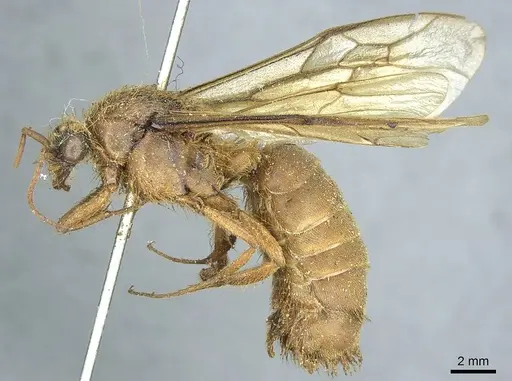
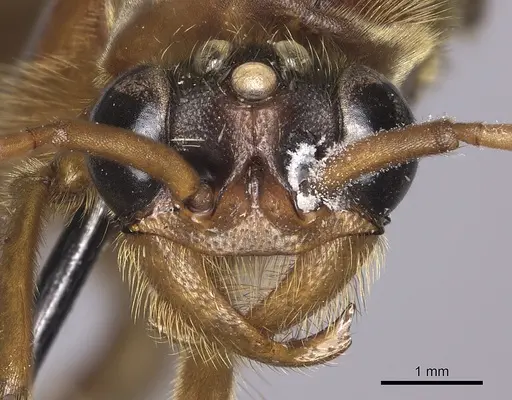
Labidus praedator is one of the most abundant and ecologically impactful predators in Neotropical forests. Their raids can remove up to 75% of invertebrate biomass in leaf litter, making them crucial regulators of forest floor arthropod communities [1]. They are preyed upon by various vertebrates including amphisbaenid lizards (found in stomach contents of Amphisbaena fuliginosa with 23 total head fragments) [9] and are a food source for toads (Melanophryniscus klappenbachi and M. cupreuscapularis) [10]. Their raids are attended by both obligate and facultative army-ant-following birds, though less predictably than Eciton burchellii raids [11]. They host numerous myrmecophilous organisms including beetles (Mimeciton pulex, various Ecitonilla species) and mites [12][13]. Males are occasionally attracted to lights at night [5].
Temperature and Environmental Sensitivity
This species is highly sensitive to temperature extremes. Substrate temperature is the main limiting factor for colony activity, trails are abandoned or diverted when temperatures exceed 43°C [6]. They do not occur in open sunny coffee plantations and occur less frequently in shaded coffee than in continuous forest in Panama [6]. Activity is correlated with ambient temperature and humidity. They are primarily nocturnal in some locations, with raids appearing larger and more densely populated at night, particularly during dry season [4]. This sensitivity means they require carefully controlled warm, humid conditions that are difficult to maintain in captivity. They have been found in caves and are considered trogloxene [14].
Frequently Asked Questions
Can I keep Labidus praedator as a pet?
No. Labidus praedator cannot be kept in captivity. Their colony size exceeds one million workers, they require constant movement across large distances, they need enormous quantities of prey, and they form subterranean bivouacs that cannot be provided in any commercial formicarium. This species should be appreciated in the wild.
What do Labidus praedator ants eat?
They are generalist predators that consume almost any arthropod they encounter. Their diet includes caterpillars (especially Lepidoptera larvae), spiders, cockroaches, isopods, centipedes, and other ants. They have even been observed capturing small vertebrates like mice. They dismember large prey into pieces for transport [6].
How big do Labidus praedator colonies get?
Colonies can exceed one million workers, making them among the largest ant colonies in the world [1][6]. This massive size is one reason they cannot be maintained in captivity.
Where does Labidus praedator live?
They range from Mexico to northern Argentina, living in humid Neotropical forests from sea level to nearly 3000m elevation. They are found in primary forest, shaded coffee plantations, and other humid forest habitats, but not in dry forests [2][1][3].
Do Labidus praedator need hibernation?
No. As a tropical species, they do not require hibernation or winter rest. They need consistently warm and humid conditions year-round.
What temperature do Labidus praedator need?
Keep them warm but never allow substrate temperature to exceed 43°C, as this causes them to abandon their trails [6]. Aim for a warm gradient around 24-28°C with the warm side around 30°C maximum. They are sensitive to both cold and extreme heat.
Can Labidus praedator be found in the United States?
They have been recorded in the Nearctic region, specifically southern Texas, but this represents the northern edge of their range. They are primarily a Neotropical species [2][15].
How do Labidus praedator colonies move?
They alternate between stationary phases (bivouacs) and nomadic phases. During stationary phases, they remain in one underground bivouac for weeks while foraging daily. During nomadic phases, they emigrate to new locations, with emigrations taking over 24 hours and moving 100m or more per day [4][6].
Are Labidus praedator good for beginners?
Absolutely not. This is an expert-level species that is effectively impossible to keep in captivity. Even the most experienced antkeepers cannot provide the millions of workers, enormous prey quantities, and extensive underground space these ants require. Please do not attempt to keep this species.
Report an Issue
The current care sheet is based fully on literature. See inconsistencies, or something that's incorrect? Please , it will be resolved after review from an admin. Contributing to the blogs tab also helps providing information, to make us be able to further improve the caresheets. Thank you for your support!
References

This caresheet is licensed under CC BY-SA 4.0 .
CASENT0106227
View on AntWeb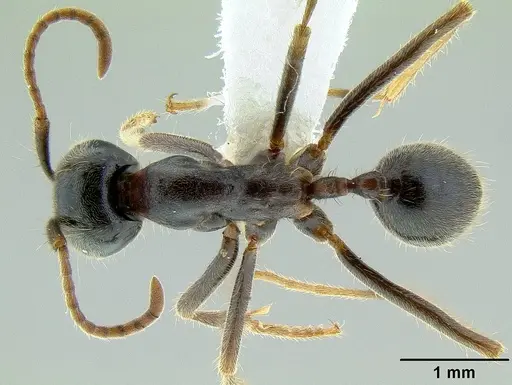
CASENT0173515
View on AntWeb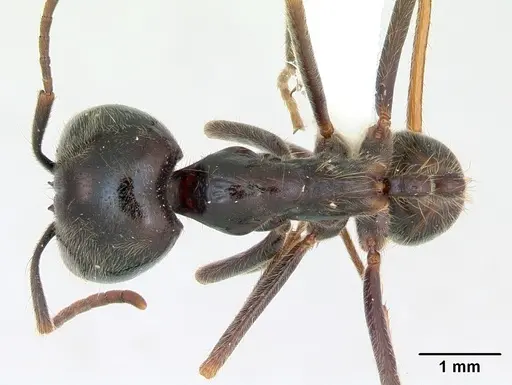
CASENT0173516
View on AntWeb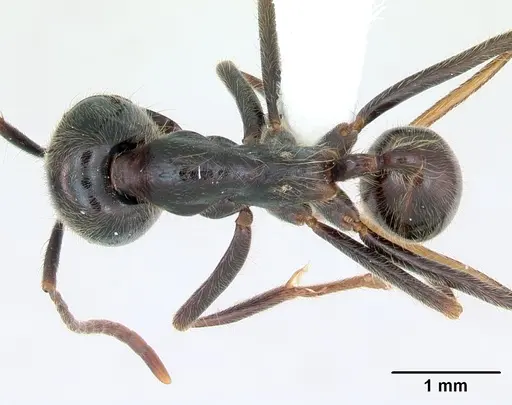
CASENT0173596
View on AntWeb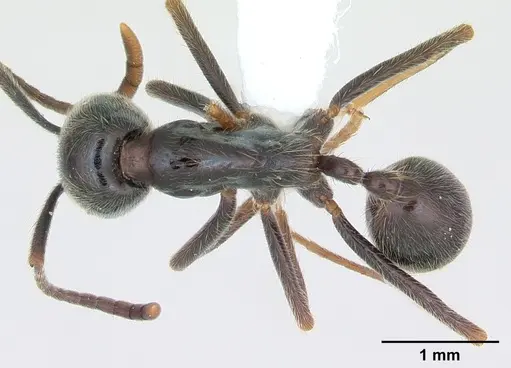
CASENT0178608
View on AntWeb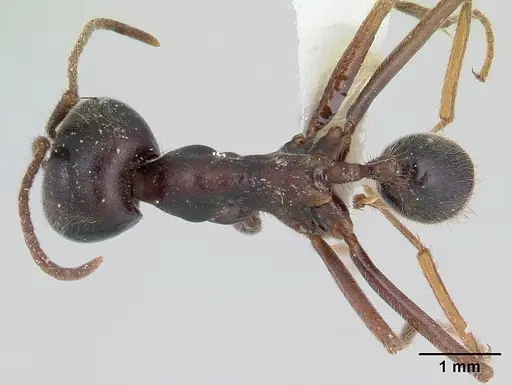
CASENT0249466
View on AntWeb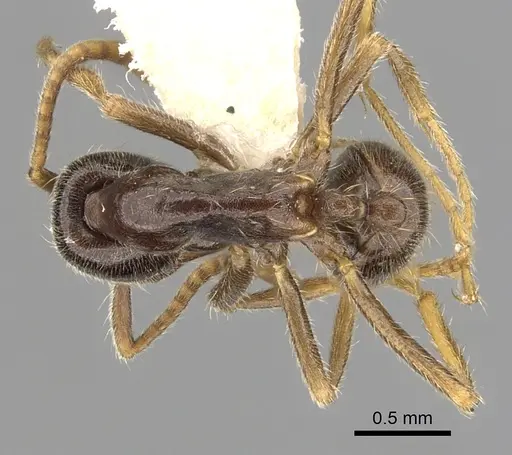
CASENT0249467
View on AntWeb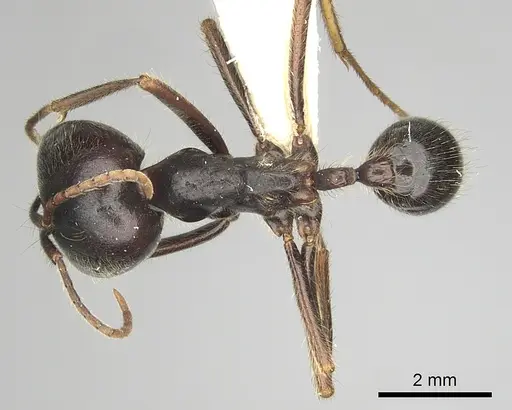
CASENT0618513
View on AntWeb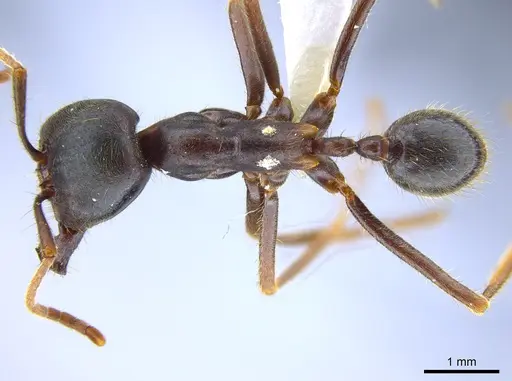
CASENT0619807
View on AntWeb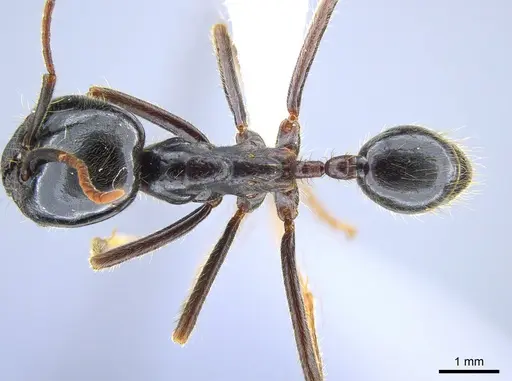
CASENT0635249
View on AntWeb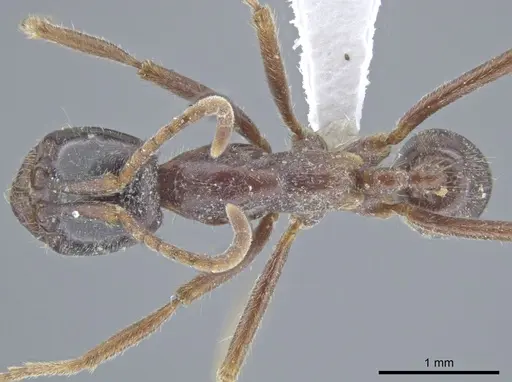
CASENT0650510
View on AntWeb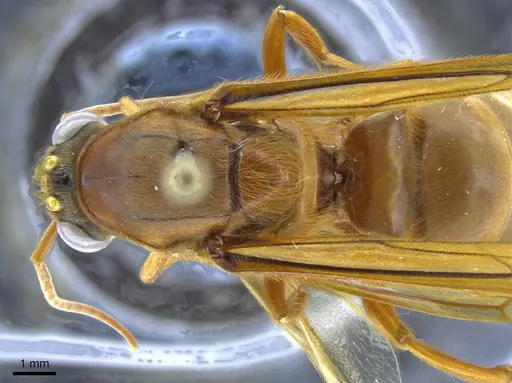
CASENT0651446
View on AntWeb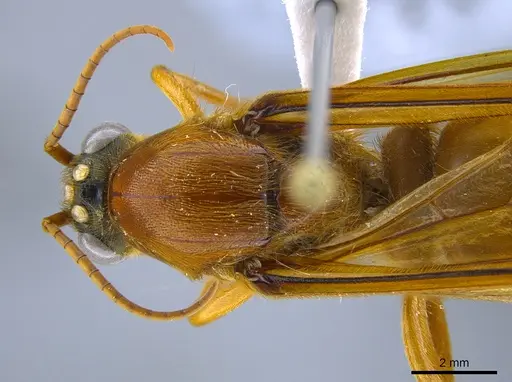
CASENT0651447
View on AntWeb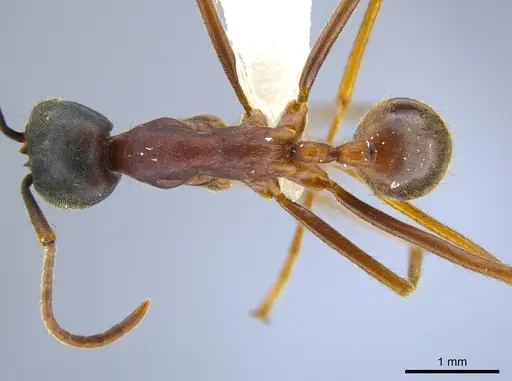
CASENT0902656
View on AntWeb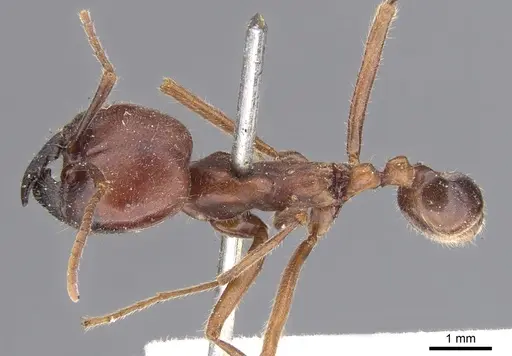
CASENT0902657
View on AntWeb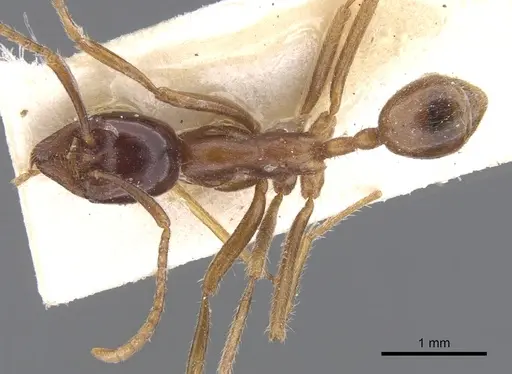
CASENT0902658
View on AntWeb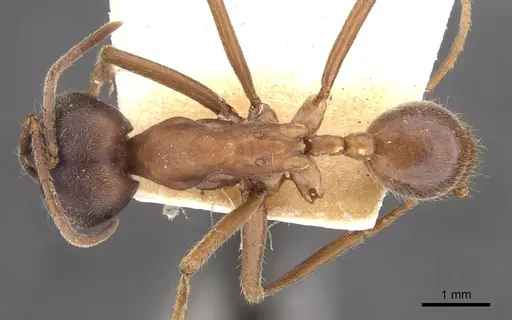
CASENT0915856
View on AntWeb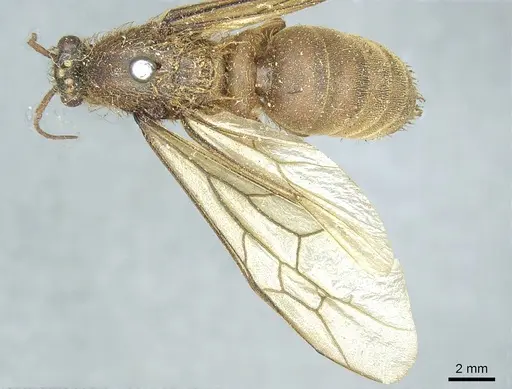
CBUMAGENT41856
View on AntWeb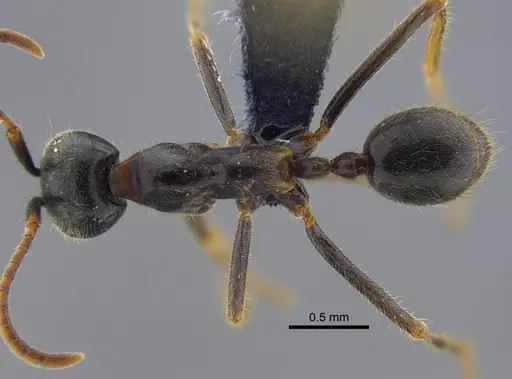
DZUP549837
View on AntWeb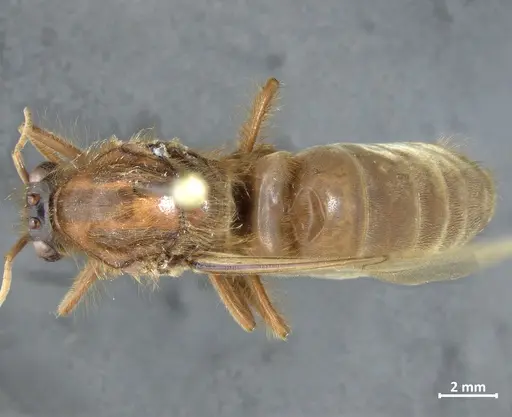
ECOFOG-LA15-0178-01
View on AntWeb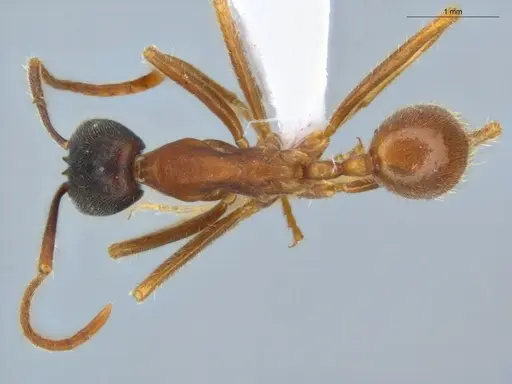
INBIOCRI001283625
View on AntWeb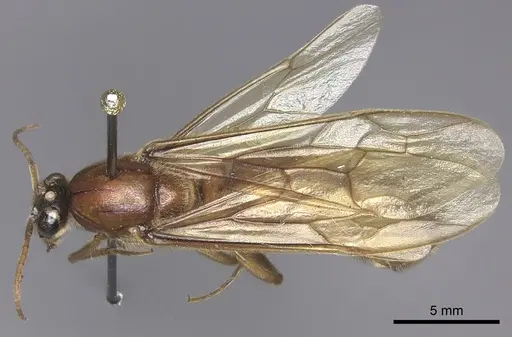
JTLC000006510
View on AntWeb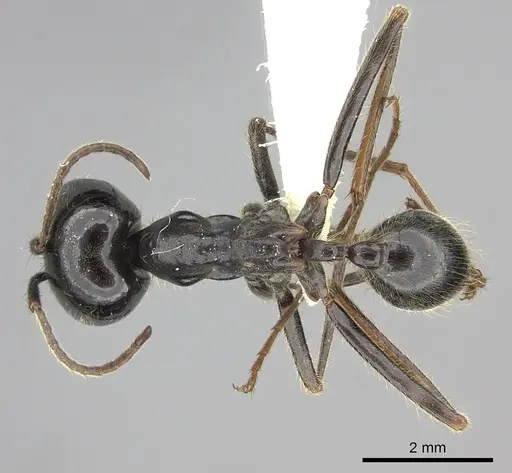
JTLC000007540
View on AntWeb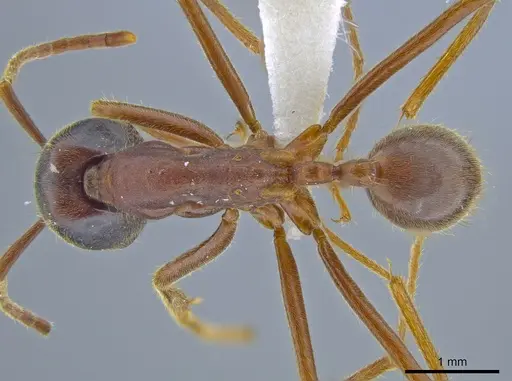
UFV-LABECOL-004417
View on AntWeb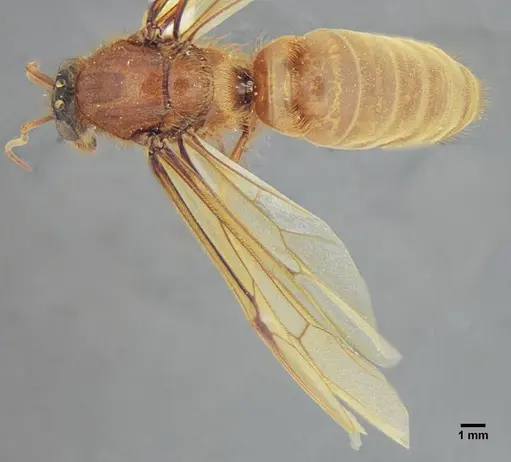
USNMENT00534841
View on AntWeb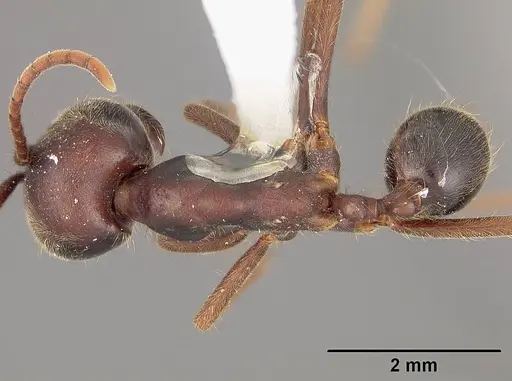
Literature
Loading...Loading products...