

Iridomyrmex turbineus
- Scientific Name
- Iridomyrmex turbineus
- Tribe
- Leptomyrmecini
- Subfamily
- Dolichoderinae
- Author
- Shattuck & McMillan, 1998
- Distribution
- Found in 1 countries
Iridomyrmex turbineus Overview
Iridomyrmex turbineus is an ant species of the genus Iridomyrmex. It is primarily documented in 1 countries , including Australia. Detailed taxonomic data and occurrence records can be further explored via authoritative databases such as AntWeb or the Global Biodiversity Information Facility (GBIF).
Iridomyrmex turbineus
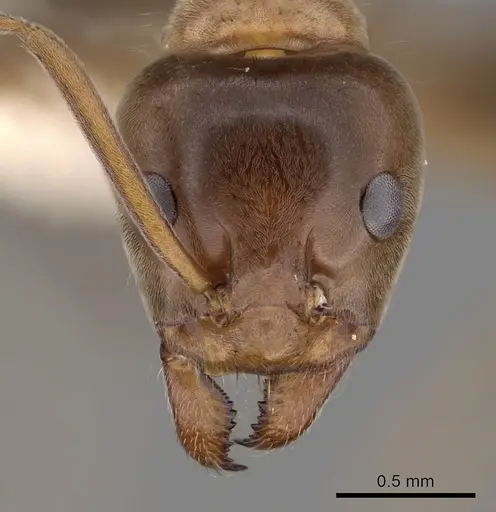
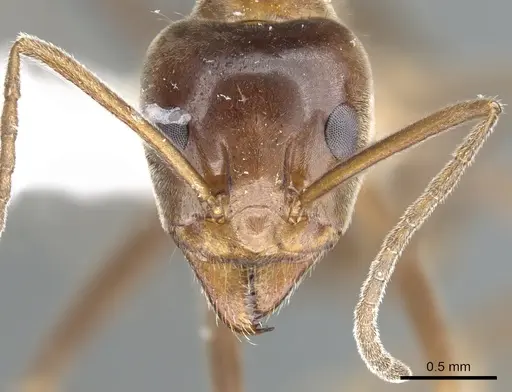
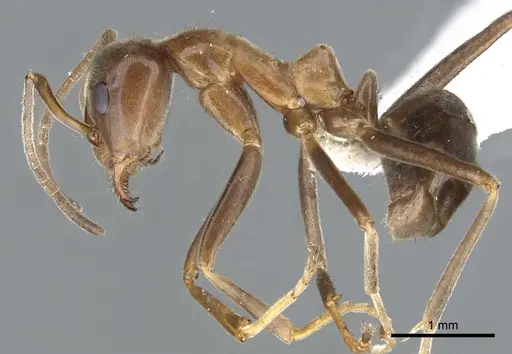
Iridomyrmex turbineus is a medium-sized ant species native to the coastal regions of south-western Western Australia. Workers measure 1.05-1.37mm in head width, with body colors ranging from honey-brown to blackish-brown, the gaster and sometimes the head are often darker than the mesosoma. This species is distinguished by having more than 8 erect hairs on the pronotum and elongated erect hairs along the posterior margin of the head. The species occurs in a narrow coastal zone from approximately Dwellingup south to Borden, with most collection sites within 30km of the coast [1].
While the biology of I. turbineus has not been studied in detail, researchers note it likely closely mirrors that of its relative Iridomyrmex conifer, specifically, it builds thatched mounds during winter and switches to subterranean nests in summer. This species occupies the wetter south-western region between the main populations of I. conifer, suggesting it prefers cooler and moister conditions than many related species [2][1].
Quick Summary
- Difficulty: Medium
- Origin & Habitat: Coastal south-western Western Australia, from Dwellingup to Borden. Most records within 30km of the coast, in wetter forest and woodland areas [1][2].
- Colony Type: Unconfirmed, colony structure has not been documented. Related Iridomyrmex species are typically monogyne (single queen) but this specific trait is unknown for I. turbineus.
- Size & Growth:
- Queen: Not described in available literature, estimate based on genus at 6-8mm
- Worker: 1.05-1.37mm head width, approximately 4-6mm total length [1][3]
- Colony: Unknown, no colony size data available
- Growth: Unknown, no development timing documented
- Development: Unconfirmed, no direct data available. Based on related Iridomyrmex species, estimate 6-10 weeks at optimal temperature. (Development timeline has not been studied. Related species in the genus typically develop in 6-10 weeks.)
- Antkeeping:
- Temperature: Keep at 22-26°C as a starting point. This species prefers cooler, moister conditions than many Australian ants, it has been documented in forest surveys requiring cooler, moister microhabitats [4]. Avoid overheating.
- Humidity: Requires higher humidity, these ants inhabit the wetter south-west of Western Australia. Keep nest substrate consistently moist but not waterlogged. Provide a water tube as a constant moisture source.
- Diapause: Likely, related species in temperate Australia typically require a winter rest period. The species builds thatched mounds in winter, suggesting seasonal behavior change [1]. Provide a cool period around 10-15°C for 2-3 months.
- Nesting: Natural nesting involves thatched mounds in winter and subterranean nests in summer. In captivity, a test tube setup works well for founding colonies. For established colonies, a naturalistic setup or Y-tong nest with moisture-retentive substrate mimics their natural preferences.
- Behavior: Not well-documented, but likely similar to related Iridomyrmex species, moderately active foragers that tend honeydew-producing insects and collect small insects. Workers are medium-sized and should be contained with standard escape prevention. The genus is not known for aggressive biting or stinging, but individual reactions vary. Given their preference for cooler, moist conditions, avoid dry environments and excessive heat.
- Common Issues: very limited biological data means care is based on inference from related species, adjust based on colony behavior, requires cooler temperatures than many Australian ants, overheating can be fatal, high humidity needs mean mold risk in poorly ventilated setups, no documented colony size or development timeline makes growth tracking uncertain, wild-caught colonies may be stressed from unfamiliar conditions
Nest Preferences and Housing
In their natural habitat, Iridomyrmex turbineus shows seasonal nesting behavior, they construct thatched mounds during winter and move to subterranean nests in summer [1]. This adaptation helps them regulate temperature and humidity throughout the year. For captive care, a test tube setup works well for founding colonies, providing a consistent moisture source and secure chamber for the queen. As the colony grows, consider transitioning to a naturalistic setup with a moisture-retentive substrate like soil or sand mixed with organic material. The key requirement is maintaining higher humidity while ensuring good ventilation to prevent mold. A Y-tong or acrylic nest can also work, provided you maintain moist substrate conditions.
Feeding and Diet
While specific dietary studies for I. turbineus do not exist, related Iridomyrmex species are generalist omnivores that readily accept sugar sources (honey water, sugar water) and protein (small insects, mealworms, crickets). They also tend honeydew-producing insects like aphids and scale insects in the wild. For captive colonies, offer a mix of sugar water or honey (changed every few days) and protein sources like small crickets, mealworms, or fruit flies. Feed protein 2-3 times per week, with sugar available constantly. Remove uneaten prey after 24-48 hours to prevent mold. Given their preference for cooler, moister conditions, ensure food does not dry out quickly in the nest.
Temperature and Seasonal Care
This species requires cooler conditions than many Australian ants, it has been documented in forest surveys requiring cooler, moister microhabitats [4]. Start with a temperature range of 22-26°C and observe colony behavior. If workers cluster away from heated areas, reduce temperature. During winter, provide a cool period around 10-15°C for 2-3 months, mimicking their natural seasonal cycle. The documented winter mound-building behavior suggests they benefit from a distinct seasonal change. Avoid temperatures above 30°C and protect from direct sunlight. A heating cable on one side of the nest can create a temperature gradient, allowing ants to self-regulate.
Behavior and Temperament
Direct behavioral observations for I. turbineus are limited, but the species is expected to be similar to related Iridomyrmex ants, generally moderate in activity level with effective foragers. Workers are medium-sized (around 4-6mm) and should be contained with standard escape prevention measures. The genus is not particularly known for aggressive behavior toward keepers, though individual colonies may vary. The species shows color variation across its range, from yellowish-red with darker gaster to uniform brown [1]. This variation is normal and does not indicate different species. Watch for seasonal changes in behavior, expect increased activity in summer when they transition to above-ground foraging from winter mound structures.
Frequently Asked Questions
How difficult is Iridomyrmex turbineus to keep?
Difficulty is rated as Medium. While this species is not extremely demanding, the main challenge is the limited biological data available, most care recommendations are inferred from related species like I. conifer. They require cooler temperatures and higher humidity than many Australian ants, which may require some adjustment to standard antkeeping setups.
What temperature should I keep Iridomyrmex turbineus at?
Start with 22-26°C. This species prefers cooler conditions and has been documented in forest surveys requiring cooler, moister microhabitats. Avoid overheating, temperatures above 30°C can be harmful. A heating cable on one side of the nest creates a gradient for self-regulation.
Do Iridomyrmex turbineus ants need hibernation?
Likely yes. The species builds thatched mounds in winter, suggesting seasonal behavior change. Provide a cool period around 10-15°C for 2-3 months during winter. This mimics their natural cycle in the wetter south-west of Western Australia.
What do Iridomyrmex turbineus ants eat?
Like related Iridomyrmex species, they are generalist omnivores. Offer sugar water or honey constantly, and protein sources (small insects like fruit flies, mealworms, or crickets) 2-3 times per week. They likely also tend honeydew-producing insects in captivity.
How big do Iridomyrmex turbineus colonies get?
Colony size is not documented in available literature. Related Iridomyrmex species can reach several thousand workers, but specific data for I. turbineus is unavailable. Expect moderate to large colony sizes based on genus patterns.
How long does it take for Iridomyrmex turbineus to produce first workers?
The egg-to-worker timeline is unconfirmed for this species. Based on related Iridomyrmex species, expect approximately 6-10 weeks at optimal temperature. The first workers (nanitics) are typically smaller than mature workers.
Can I keep multiple Iridomyrmex turbineus queens together?
Colony structure is unconfirmed, no documentation exists for whether this species is monogyne (single queen) or polygyne (multiple queens). For safety, keep only one queen per colony until more information is available.
What humidity level do Iridomyrmex turbineus ants need?
Higher humidity is required, this species inhabits the wetter south-west of Western Australia. Keep nest substrate consistently moist but not waterlogged. A water tube provides constant moisture. Ensure good ventilation to prevent mold while maintaining humidity.
When should I move Iridomyrmex turbineus to a formicarium?
Wait until the colony has 20-30 workers and the test tube setup feels cramped. For this species, ensure the new setup maintains cool, moist conditions. A naturalistic setup with moisture-retentive substrate works well given their preference for subterranean summer nesting.
References

This caresheet is licensed under CC BY-SA 4.0 .
CASENT0249715
View on AntWeb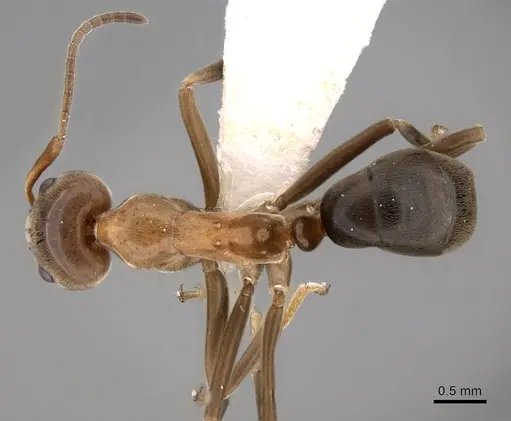
CASENT0903086
View on AntWeb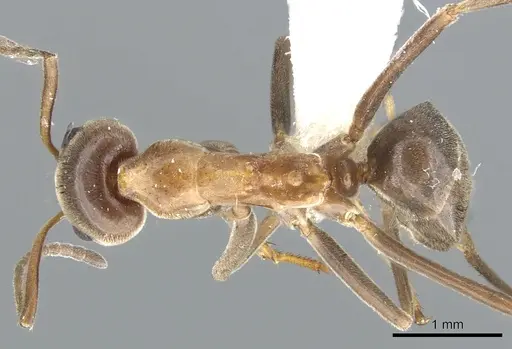
Literature
Loading...Loading products...