

Iridomyrmex rubriceps
- Scientific Name
- Iridomyrmex rubriceps
- Tribe
- Leptomyrmecini
- Subfamily
- Dolichoderinae
- Author
- Forel, 1902
- Distribution
- Found in 1 countries
Iridomyrmex rubriceps Overview
Iridomyrmex rubriceps is an ant species of the genus Iridomyrmex. It is primarily documented in 1 countries , including Australia. Detailed taxonomic data and occurrence records can be further explored via authoritative databases such as AntWeb or the Global Biodiversity Information Facility (GBIF).
Iridomyrmex rubriceps
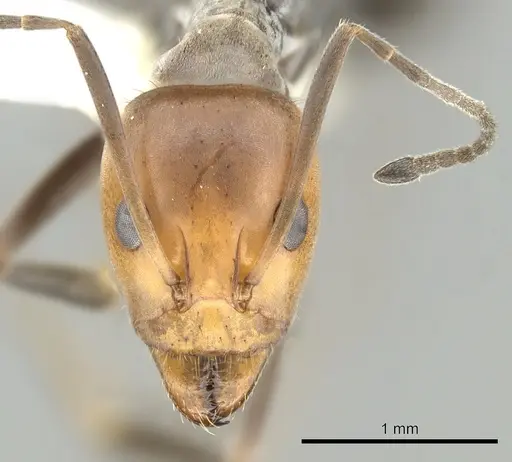
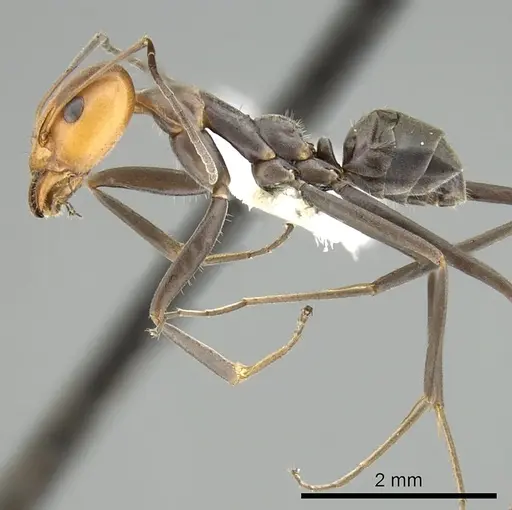
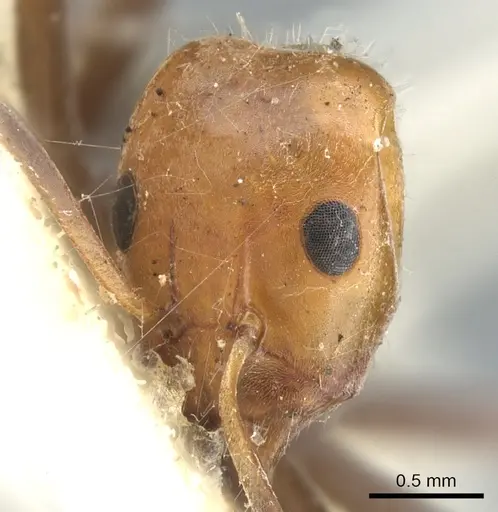
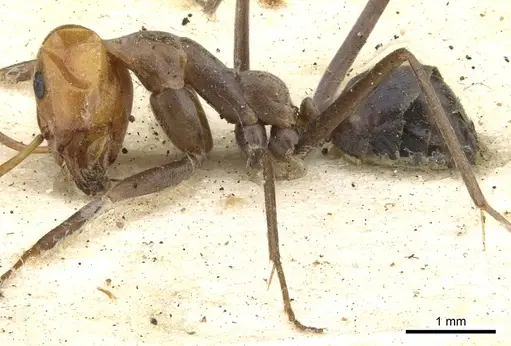
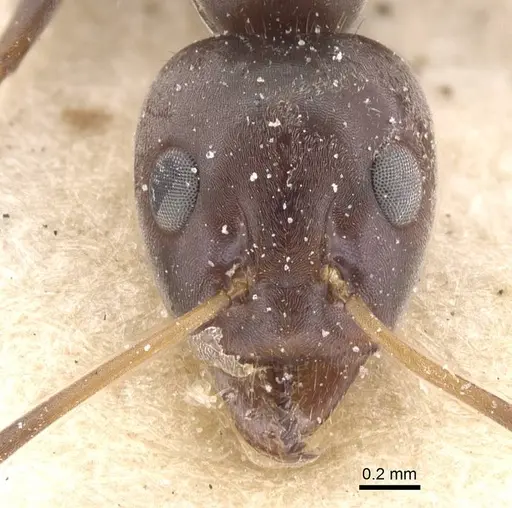
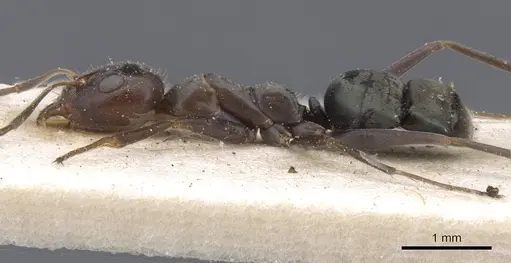
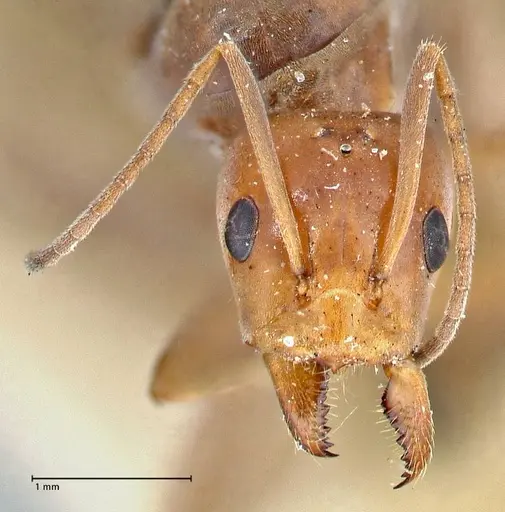
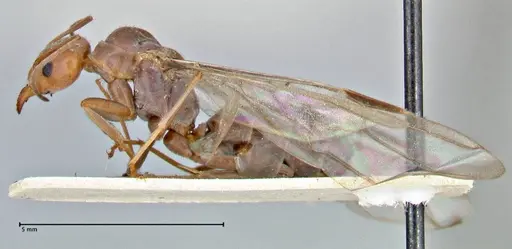
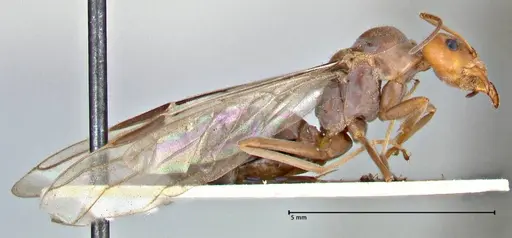
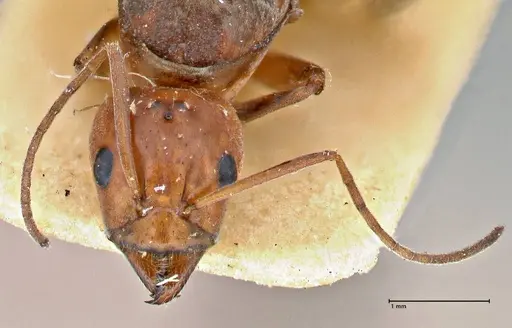
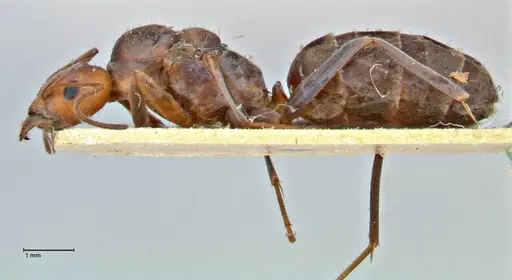
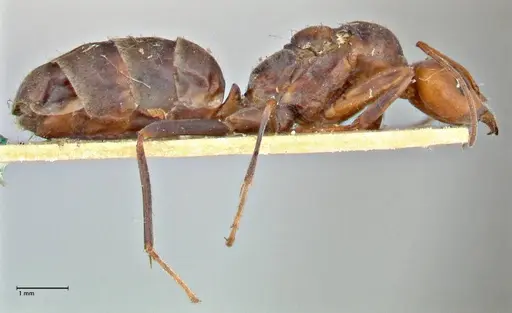
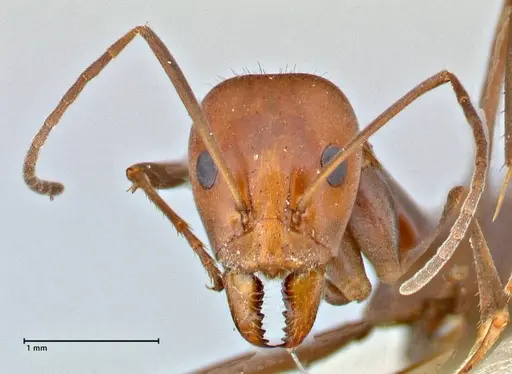
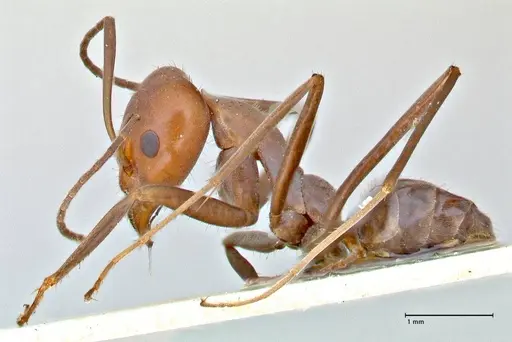
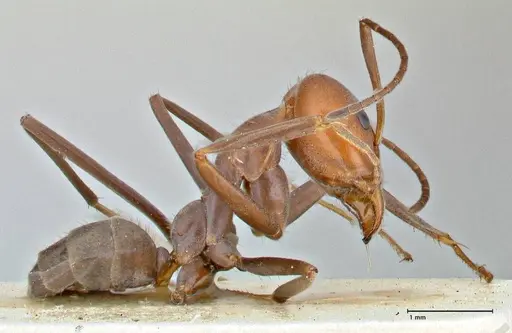
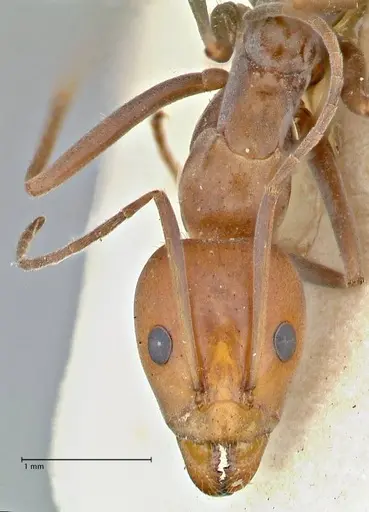
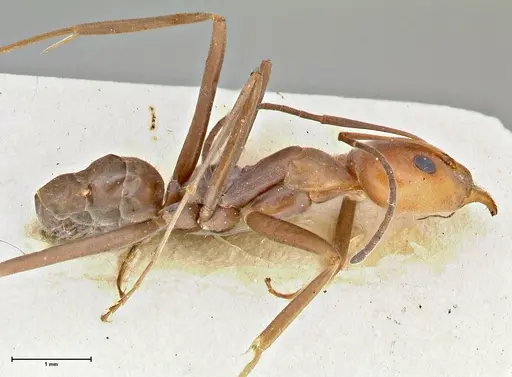
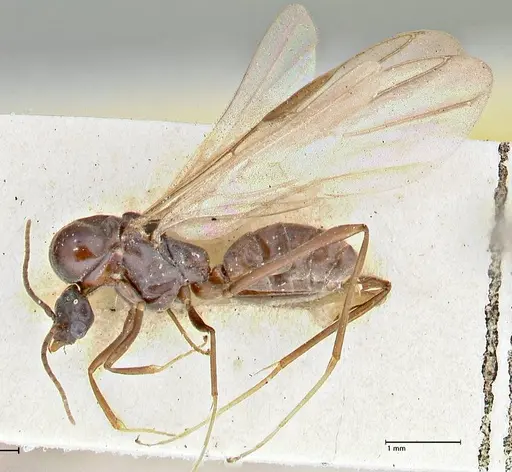
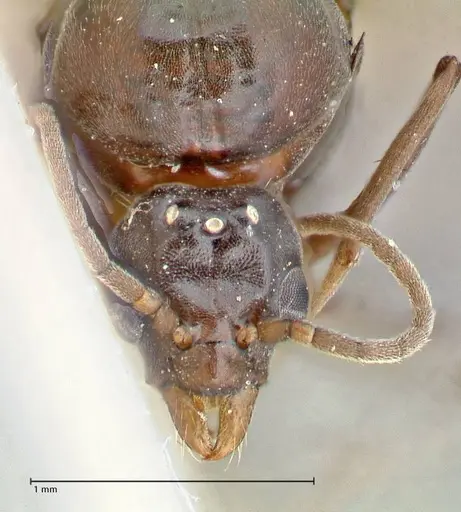
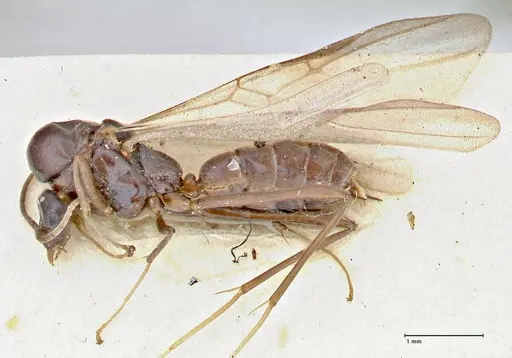
Iridomyrmex rubriceps is a medium-sized ant native to the rainforests and wet sclerophyll forests of Australia's east coast. Workers measure 1.2-1.5mm and have a distinctive color pattern: an orange head, brownish-orange pronotum, and brown remainder of the body [1]. This species is the sister species to Iridomyrmex agilis and was raised to full species status in 2011 from being a subspecies of I. gracilis [2][1].
What makes I. rubriceps interesting is its association with other insects. Workers have been observed tending lycaenid butterfly larvae (Jalmenus evagoras) in Queensland, showing a mutualistic relationship where the ants protect the larvae in exchange for honeydew [1]. Unlike its relative I. agilis which nests in open ground, this species prefers humid shaded areas and colonies are typically found under rocks and stones [1].
Quick Summary
- Difficulty: Medium
- Origin & Habitat: Rainforest and wet sclerophyll forests of eastern Australia (Queensland and NSW) [1]. One unverified record exists from South Australia.
- Colony Type: Colony structure is unconfirmed. Workers have been found under rocks and stones, and in association with termite nests around logs.
- Size & Growth:
- Queen: Unknown, not directly measured in available literature
- Worker: 1.2-1.23mm head width,1.47-1.51mm head length [1]
- Colony: Unknown, no colony size data available
- Growth: Moderate, inferred from typical Iridomyrmex patterns
- Development: Estimated 6-10 weeks based on genus patterns (Direct development data unavailable for this species. Iridomyrmex genus typically develops in 6-10 weeks at optimal temperatures.)
- Antkeeping:
- Temperature: Keep around 22-26°C. Based on their rainforest and wet sclerophyll habitat, they prefer warm and humid conditions [1]. A gentle gradient allowing them to choose their preferred temperature works best.
- Humidity: Moderate to high humidity (60-80%). Their natural habitat in wet forests indicates they need more moisture than desert-dwelling ants. Keep the nest substrate consistently moist but not waterlogged.
- Diapause: Likely minimal or no true diapause. As an Australian east coast species from humid forests, they probably remain active year-round with reduced foraging in cooler months rather than entering full hibernation.
- Nesting: Y-tong (AAC) nests or plaster nests work well. They naturally nest under rocks in humid areas, so provide a nest that maintains moisture. Avoid overly dry setups.
- Behavior: Workers are active foragers and have been observed foraging on low vegetation and tending lycaenid butterfly larvae [1]. They are not particularly aggressive but will defend their colony. Escape risk is moderate, their 1.2mm worker size means standard formicarium barriers are usually sufficient, but vigilance is still recommended.
- Common Issues: humidity management is critical, too dry and colonies will struggle, colonies may be slow to establish initially, limited availability as this is not a common species in the antkeeping hobby, Australian species may have specific import restrictions in some regions, their association with other insects means they may be sensitive to pesticide-contaminated prey
Natural History and Distribution
Iridomyrmex rubriceps is endemic to the east coast of Australia, found primarily in Queensland and New South Wales. It inhabits rainforests and wet sclerophyll forests, preferring humid, shaded environments [1]. Unlike many Iridomyrmex species that nest in open ground, this species is typically found under rocks and stones. Workers have also been recorded from termite nests around logs in Castlereagh State Forest (NSW), suggesting they can nest in pre-existing cavities [1]. One unverified record exists from South Australia, and there is also a record from the Bogan River central NSW area that may represent a distinct population or dispersal event [1]. The species is patchily distributed in humid coastal eastern Australia, particularly in open habitats within these forest types [3].
Nest Preferences and Housing
In the wild, I. rubriceps colonies are found under rocks and stones, and occasionally in termite nests around logs [1]. This indicates they prefer nests that maintain humidity and stability. For captive care, Y-tong (AAC) nests or plaster nests work well because they can hold moisture effectively. Avoid setups that dry out quickly. Provide a water reservoir or moisture gradient so workers can self-regulate their humidity preferences. Since they come from forested areas with moderate to high humidity, the nest substrate should remain consistently moist but never waterlogged. A layer of damp soil or coconut fiber in the outworld helps maintain humidity during foraging.
Feeding and Diet
Based on typical Iridomyrmex behavior and the observation that workers tend lycaenid butterfly larvae (Jalmenus evagoras), this species likely has a varied diet including honeydew from aphids and scale insects, and small insects for protein [1]. In captivity, offer sugar water or honey water as a constant energy source. For protein, provide small insects like fruit flies, small crickets, or mealworms. The tending behavior observed in the wild suggests they will readily form mutualistic relationships with honeydew-producing insects if available. Feed protein sources 2-3 times per week and keep sugar water available at all times.
Temperature and Seasonal Care
As an ant from rainforests and wet sclerophyll forests, I. rubriceps prefers warm and humid conditions. Maintain temperatures around 22-26°C, with a gentle gradient allowing workers to regulate their own temperature preference. Heating on one side of the nest using a heating cable or mat can create this gradient, place the heating element on top of the nest to avoid excessive drying. Since they come from Australia's east coast which has mild winters, they likely do not require true diapause but may reduce activity during cooler months. Room temperature (around 20-24°C in most homes) is typically suitable. Monitor colony behavior, if workers become less active, slightly reduce temperatures but maintain humidity. [1]
Behavior and Colony Dynamics
Iridomyrmex rubriceps workers are active foragers and have been observed foraging on low vegetation in addition to ground-level foraging [1]. Their mutualistic relationship with lycaenid butterfly larvae is notable, these ants protect the larvae from predators in exchange for honeydew, a common behavior in the Iridomyrmex genus. Workers are not particularly aggressive toward humans but will defend their nest if threatened. The colony structure (single queen vs multiple queens) has not been documented, so observe your colony for signs of queen number. Colonies likely grow to moderate sizes based on typical Iridomyrmex patterns.
Frequently Asked Questions
How long does it take for Iridomyrmex rubriceps to produce first workers?
Direct development data is not available for this species. Based on typical Iridomyrmex genus patterns, expect first workers (nanitics) approximately 6-10 weeks after the queen lays eggs, assuming optimal temperature around 24°C. Patience is key as this species may be slower to establish than more common ants.
What do Iridomyrmex rubriceps ants eat?
They likely accept sugar sources (honey water, sugar water) and protein (small insects like fruit flies, pinhead crickets, mealworms). The observation of workers tending lycaenid butterfly larvae suggests they readily form mutualistic relationships with honeydew-producing insects.
Can I keep Iridomyrmex rubriceps in a test tube?
Yes, test tubes work for founding colonies. Ensure the water reservoir is properly set up to maintain humidity, and cover the tube with a dark cloth during the founding stage to reduce stress. Once the colony grows beyond 20-30 workers, consider moving to a Y-tong or plaster nest that can hold moisture better.
Do Iridomyrmex rubriceps ants need hibernation?
Probably not. As a species from Australia's humid east coast, they likely remain active year-round with reduced foraging in cooler months rather than entering true diapause. Room temperature is typically suitable.
Are Iridomyrmex rubriceps good for beginners?
This species is rated as medium difficulty. While not the hardest ant to keep, the lack of detailed care information and their specific humidity needs make them better suited for keepers who already have some experience with humidity-dependent species.
How big do Iridomyrmex rubriceps colonies get?
Colony size data is not available in the scientific literature. Based on typical Iridomyrmex patterns, colonies likely reach several hundred workers over time. Their patchy distribution in the wild suggests colonies may not reach extremely large sizes.
What temperature should I keep Iridomyrmex rubriceps at?
Aim for 22-26°C. Their rainforest and wet sclerophyll forest origin indicates they prefer warm, humid conditions. A temperature gradient allowing workers to choose their preferred spot is ideal.
Why is my Iridomyrmex rubriceps colony dying?
The most likely causes are: too low humidity (they need consistently moist nest conditions), temperatures outside their preferred range, or poor nutrition. Ensure the nest maintains moisture, temperatures are in the 22-26°C range, and offer varied protein sources regularly.
Where is Iridomyrmex rubriceps native to?
Eastern Australia, primarily Queensland and New South Wales. They inhabit rainforests and wet sclerophyll forests along the coast [1].
References

This caresheet is licensed under CC BY-SA 4.0 .
CASENT0249703
View on AntWeb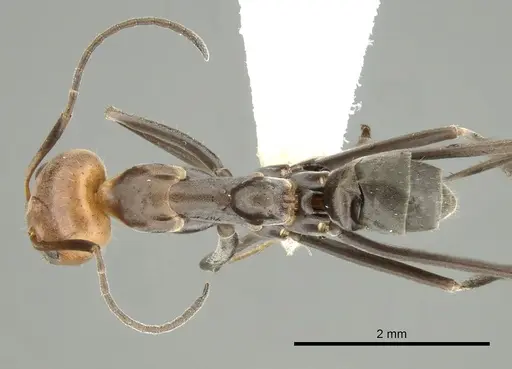
CASENT0903080
View on AntWeb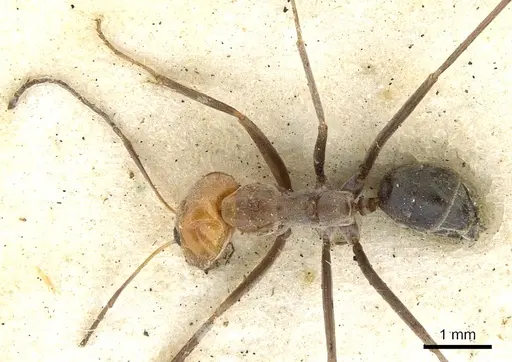
CASENT0909534
View on AntWeb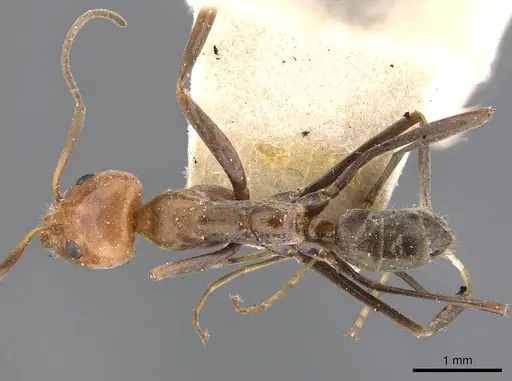
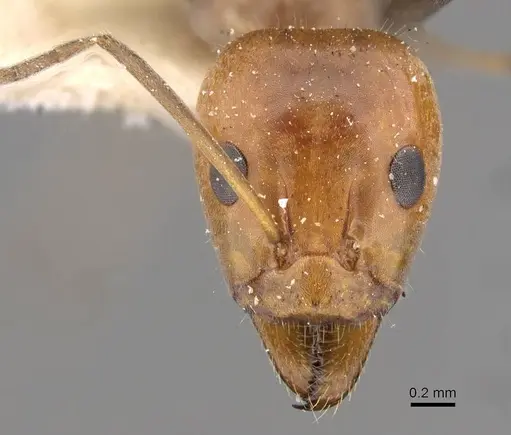
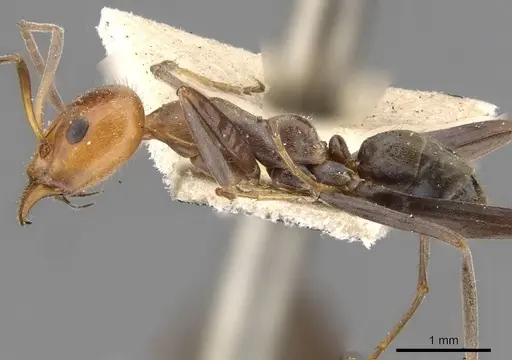
CASENT0909554
View on AntWeb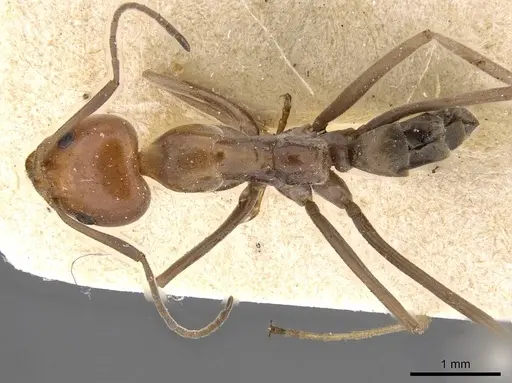
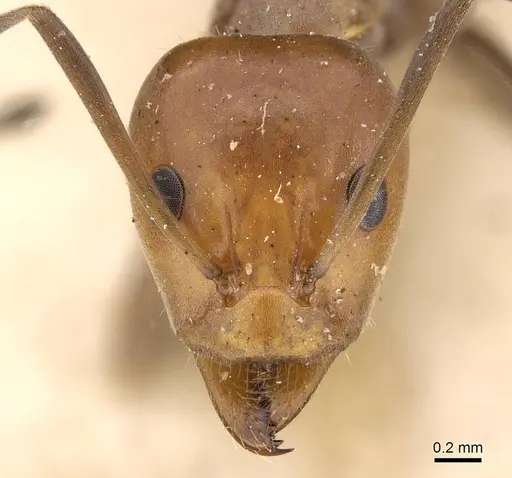
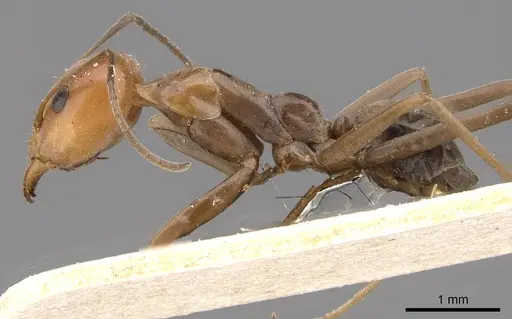
CASENT0911556
View on AntWeb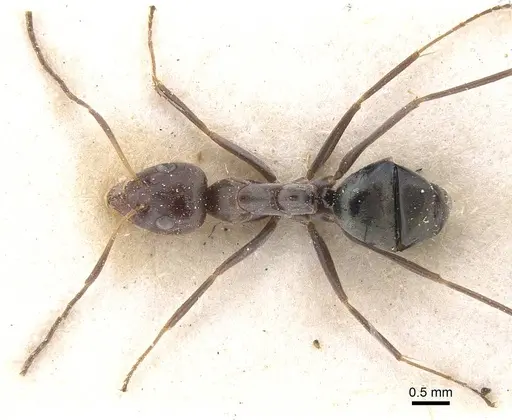
FOCOL2819
View on AntWeb
FOCOL2820
View on AntWeb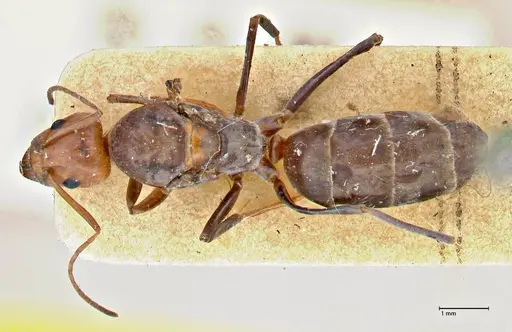
FOCOL2821
View on AntWeb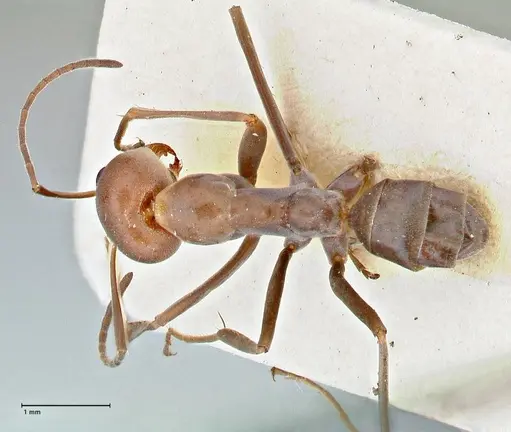
FOCOL2822
View on AntWeb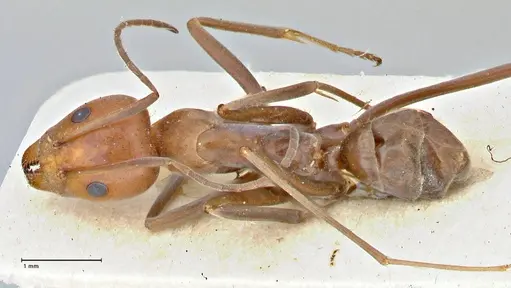
FOCOL2823
View on AntWeb
FOCOL2824
View on AntWeb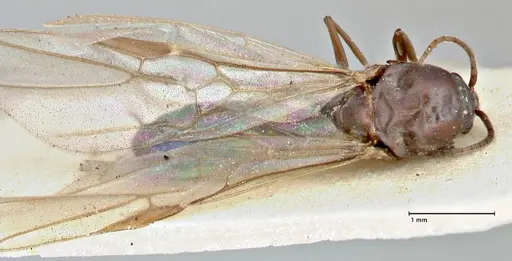
Literature
Loading...Loading products...