

Iridomyrmex agilis
- Scientific Name
- Iridomyrmex agilis
- Tribe
- Leptomyrmecini
- Subfamily
- Dolichoderinae
- Author
- Forel, 1907
- Common Name
- Agile Tyrant Ant
- Distribution
- Found in 1 countries
Iridomyrmex agilis Overview
Iridomyrmex agilis (commonly known as the Agile Tyrant Ant) is an ant species of the genus Iridomyrmex. It is primarily documented in 1 countries , including Australia. Detailed taxonomic data and occurrence records can be further explored via authoritative databases such as AntWeb or the Global Biodiversity Information Facility (GBIF).
Iridomyrmex agilis - "Agile Tyrant Ant"
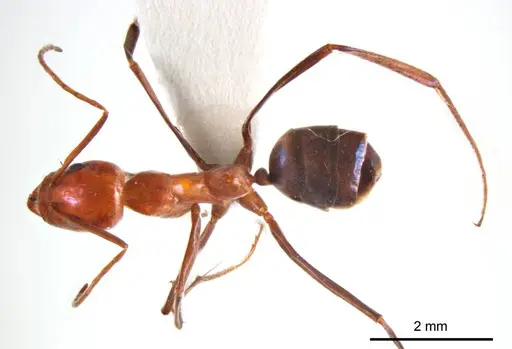
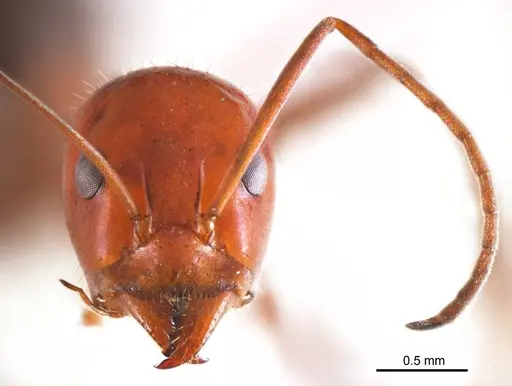
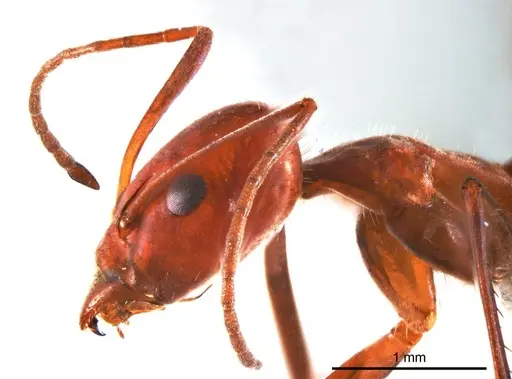
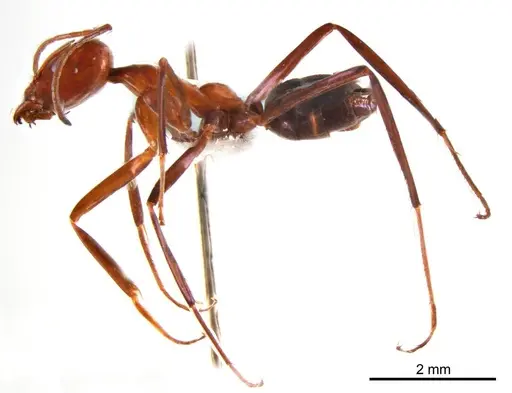
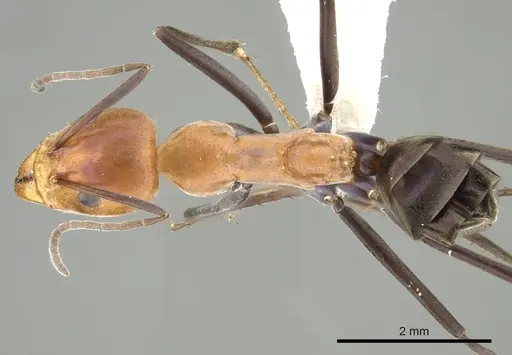
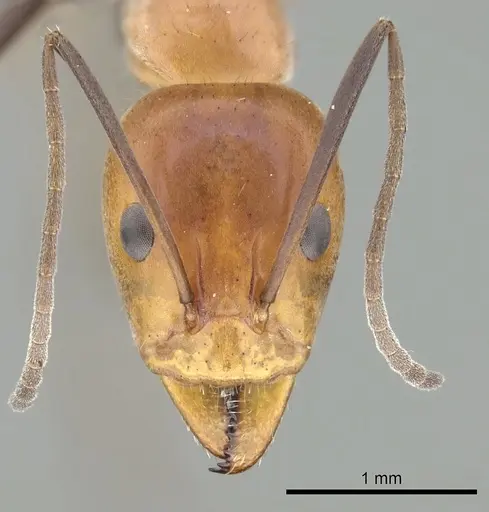
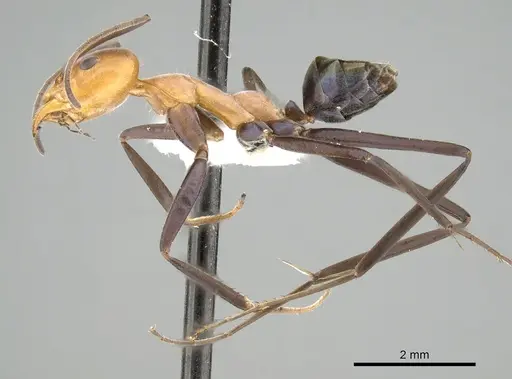
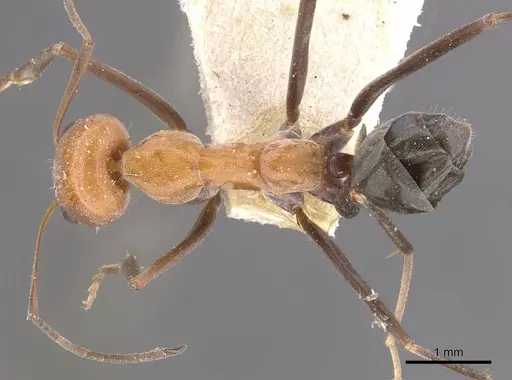
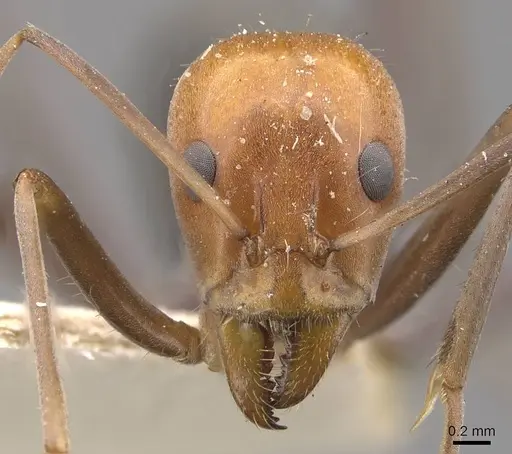
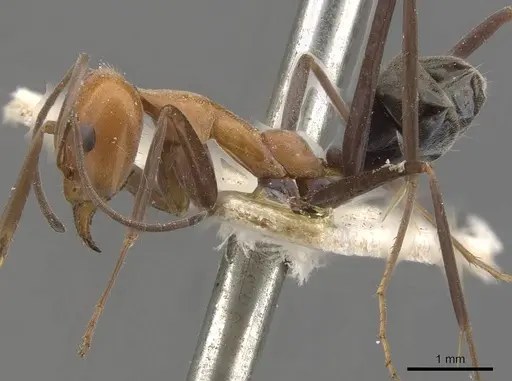
Iridomyrmex agilis is a fairly large ant native to Australia, easily recognized by its elongated body, long head, and distinctive red-and-black coloration with iridescent highlights. Workers measure 1.56-1.70mm in head length and feature a unique spur-like projection on the front of the head called the clypeal prominence [1]. These ants are found throughout arid and drier regions of Australia, particularly in Western Australia, where they rank among the more common larger ant species [2][3]. Workers have a characteristic behavior of scurrying quickly across open ground with their abdomens held high in the air, moving along faint but defined foraging paths [1][4]. This species visits extrafloral nectaries and helps with seed dispersal, making them ecologically important in their native habitat [5].
Quick Summary
- Difficulty: Easy
- Origin & Habitat: Australia, specifically arid and drier regions throughout the continent with particularly wide distribution in Western Australia [1][3]. They prefer open ground rather than forested areas and are commonly found in disturbed habitats like cattle grazing areas [2][4].
- Colony Type: Colony structure is not fully documented in available research. Based on typical Iridomyrmex patterns, colonies likely support multiple queens (polygyne) given their ecological success as one of the more common larger ant species in their range [2].
- Colony: Polygyne
- Founding: Semi-claustral
- Size & Growth:
- Queen: Not specifically documented in available research. Based on genus patterns for Iridomyrmex, queens are likely 6-9mm.
- Worker: 1.56-1.70mm head length,1.26-1.33mm head width [1]. Workers are moderately large compared to many Australian ant species.
- Colony: Colony size estimates not directly documented. As a common and widespread species in arid Australia, colonies likely reach several thousand workers based on typical Iridomyrmex colony development patterns.
- Growth: Moderate, growth rate is not directly documented but typical for medium-sized Dolichoderinae ants.
- Development: Development timeline is unconfirmed. Based on typical Dolichoderinae patterns at optimal temperatures (around 25°C), estimate 6-10 weeks from egg to first worker. (Direct development data not available for this species. Related Iridomyrmex species typically complete development in 6-10 weeks under warm conditions.)
- Antkeeping:
- Temperature: Keep at 22-26°C. These ants are adapted to arid Australian conditions and tolerate warmer temperatures well. A heating cable on one side of the nest creates a suitable gradient.
- Humidity: Low to moderate humidity preferred, think dry to semi-arid conditions. Keep nest substrate relatively dry with occasional moist areas. Avoid overly damp conditions that can cause mold.
- Diapause: Likely minimal or no true diapause required. As an arid-region species from southern Australia, they may experience reduced activity during cooler winter months but probably do not need a full hibernation period like temperate species.
- Nesting: Natural nesting occurs in soil, often under stones or in disturbed ground. In captivity, standard formicariums with soil or plaster nests work well. They do well in naturalistic setups that mimic their arid open-ground habitat. Provide some dry areas within the nest.
- Behavior: Workers are active foragers that move quickly along defined paths with their gasters raised, this is a distinctive behavioral trait [3][4]. They are not particularly aggressive toward keepers but will defend their nest if threatened. As with other Dolichoderinae, they may release a distinctive odor when crushed. Escape risk is moderate, their size is manageable but they are fast-moving. Use standard barrier methods. They are opportunistic feeders that will scavenge and forage actively.
- Common Issues: colonies may be slow to establish initially if founding conditions are too damp, fast-moving workers can escape if barrier seals are not secure, overheating can be more problematic than underheating given their arid origin, wild-caught colonies may carry parasites that affect captive success, they may be aggressive toward other ant species if housed nearby
Housing and Nest Setup
Iridomyrmex agilis does well in standard formicarium setups that provide dry to semi-arid conditions. Naturalistic setups with a soil chamber work particularly well given their natural nesting preferences in arid ground [4]. Use a nest material that can dry out between waterings, plaster or soil-based formicariums are suitable. Provide a water tube but allow the nest to partially dry between rehydration. These ants are not demanding about humidity and will do fine in conditions that would kill humidity-dependent species. Outworld space should allow for their active foraging behavior, they appreciate room to scuttle along their characteristic paths.
Feeding and Diet
Iridomyrmex agilis is an opportunistic feeder that accepts a wide variety of foods. They are known to tend aphids and collect honeydew in the wild, and they visit extrafloral nectaries [5]. In captivity, offer sugar water or honey as a constant energy source. For protein, provide small insects like fruit flies, small crickets, or mealworms. They will also scavenge on protein-rich foods. Feed them a few times per week, more frequently during colony growth phases. Remove uneaten food after 24-48 hours to prevent mold. Their active foraging style means they will quickly discover and exploit food sources placed in the outworld.
Temperature and Seasonal Care
These ants tolerate warm conditions well, reflecting their origin in arid Australian regions. Maintain temperatures between 22-26°C for optimal colony activity and development. They can handle brief periods of higher temperatures but should be protected from direct heat sources that could dry out the nest too quickly. During winter months in temperate climates, room temperature (around 18-22°C) is likely sufficient, they may reduce activity but probably do not require a true hibernation period. If your colony shows signs of slowing during winter, you can reduce temperatures slightly but do not cool them dramatically unless you observe clear dormancy behavior. [1][3]
Behavior and Handling
The most distinctive behavioral trait of Iridomyrmex agilis is their characteristic scurrying movement with the gaster held vertically upward, this makes them easy to identify among Australian ants [3][4]. Workers forage singly along well-defined but often indistinct paths, moving quickly across the ground surface [1]. They are not particularly aggressive but will defend their nest vigorously if disturbed. When crushed, Dolichoderinae ants produce a distinctive unpleasant odor, this is a normal characteristic of the subfamily. They are active and alert, so handle with care when moving colonies or cleaning nests. Their speed means escape prevention should be taken seriously, these ants can move quickly through small gaps.
Frequently Asked Questions
How long does it take for Iridomyrmex agilis to produce first workers?
The exact timeline is unconfirmed, but based on typical Dolichoderinae development at 25°C, expect first workers (nanitics) around 6-10 weeks after the queen lays her first eggs. Growth rate is moderate, colonies will expand gradually through the first few months.
What temperature range is best for Iridomyrmex agilis?
Keep them at 22-26°C. These arid-adapted ants tolerate warmth well and can handle temperatures into the low 30s°C briefly. Avoid cold conditions below 18°C for extended periods.
Can I keep multiple Iridomyrmex agilis queens together?
Based on typical Iridomyrmex patterns, colonies likely support multiple queens (polygyne). However, combining unrelated foundress queens is not recommended as aggression between unrelated queens has not been studied for this specific species. If you acquire a wild colony, it likely already contains multiple reproductive queens.
Do Iridomyrmex agilis need hibernation?
Full hibernation is likely not required. As an arid-region species from southern Australia, they may experience reduced activity during cooler months but probably do not need a dedicated diapause period. A slight temperature reduction in winter is sufficient if the colony shows slower activity.
What do Iridomyrmex agilis eat?
They are opportunistic omnivores. Offer sugar water or honey continuously for energy, plus small insects like fruit flies or small crickets for protein a few times per week. They will also scavenge on other protein sources and may tend aphid colonies if present.
Are Iridomyrmex agilis good for beginners?
Yes, they are considered an easy-to-keep species. They are tolerant of varying conditions, not overly aggressive, and adapt well to captivity. Their distinctive appearance and active foraging behavior make them interesting to watch.
How big do Iridomyrmex agilis colonies get?
Colony size is not directly documented, but as one of the more common larger ant species in their native range [2], colonies likely reach several thousand workers at maturity. Growth is moderate over several years.
When should I move Iridomyrmex agilis to a formicarium?
Move them once the colony reaches several hundred workers and you see workers consistently using the outworld space. They do well in naturalistic setups with soil chambers that mimic their natural arid-ground nesting preferences.
References

This caresheet is licensed under CC BY-SA 4.0 .
Literature
Loading...Loading products...