

Iridomyrmex phillipensis
- Scientific Name
- Iridomyrmex phillipensis
- Tribe
- Leptomyrmecini
- Subfamily
- Dolichoderinae
- Author
- Heterick & Shattuck, 2011
- Distribution
- Found in 1 countries
Iridomyrmex phillipensis Overview
Iridomyrmex phillipensis is an ant species of the genus Iridomyrmex. It is primarily documented in 1 countries , including Norfolk Island. Detailed taxonomic data and occurrence records can be further explored via authoritative databases such as AntWeb or the Global Biodiversity Information Facility (GBIF).
Iridomyrmex phillipensis
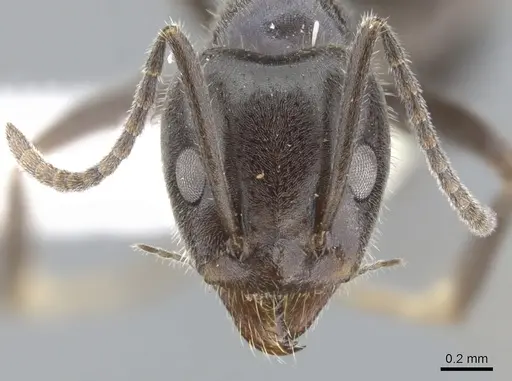
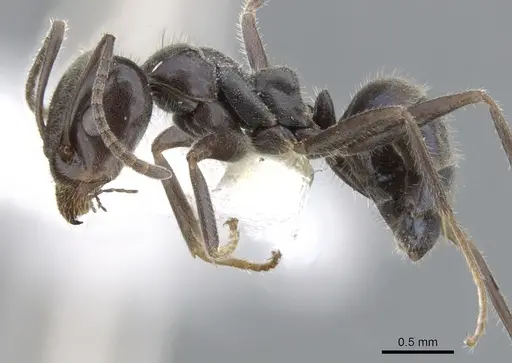
Iridomyrmex phillipensis is a small to medium-sized ant endemic to Phillip Island, a tiny island about 10km south of Norfolk Island in the Australasian region. Workers measure roughly 4-5mm in total length, with a distinctive coppery brown to blackish-brown body and a striking yellowish-green to faintly bluish iridescence on the gaster (abdomen). This species is notable for being extremely hairy, with numerous long erect setae covering the head, mesosoma, and gaster, a feature that sets it apart from most other Iridomyrmex species. It represents the only Iridomyrmex species confined to territory outside the Australian mainland, aside from three species found on New Caledonia [1].
This is an extremely poorly known species with virtually no documented information about its biology, colony structure, or captive care requirements. All known specimens were collected on Phillip Island in 1984,and no scientific studies have examined its behavior, diet, or development. What we know comes primarily from the original species description, which provides morphological details but no ecological or husbandry data [1][2].
Quick Summary
- Difficulty: Unknown
- Origin & Habitat: Endemic to Phillip Island, a small island approximately 10km south of Norfolk Island in the Australasian region. The specific habitat preferences are unconfirmed, but the island has a subtropical climate. All known specimens were collected in pitfall traps in 1984 [1][3].
- Colony Type: Unconfirmed. The colony structure (single queen vs multiple queens) has not been documented for this species.
- Size & Growth:
- Queen: Unknown, queen measurements have not been published
- Worker: Workers: HL 0.92-1.08mm, HW 0.82-1.00mm, SL 0.82-0.95mm [1]
- Colony: Unknown, no colony size data exists
- Growth: Unknown
- Development: Unknown, no development data exists for this species (No information is available about egg-to-worker development time. Related Iridomyrmex species typically require 6-10 weeks at warm temperatures, but this is a rough estimate only.)
- Antkeeping:
- Temperature: Unknown. Based on the subtropical climate of Phillip Island and Norfolk Island region, aim for warm conditions in the low-to-mid 20s°C (around 22-26°C). Monitor colony activity to fine-tune.
- Humidity: Unknown. Based on the island habitat (likely coastal/subtropical), moderate humidity is probably appropriate. Keep the nest substrate slightly moist but not waterlogged, with some drier areas available.
- Diapause: Unknown, no information about overwintering requirements. The mild subtropical climate of Phillip Island suggests they may not require a true hibernation period, but this is unconfirmed.
- Nesting: Unconfirmed. Based on typical Iridomyrmex behavior, they likely nest in soil or under stones in the wild. For captivity, a test tube setup or Y-tong nest with moist substrate would be a reasonable starting point.
- Behavior: Undocumented. Based on typical genus behavior, these are likely generalist foragers that scavenge and tend honeydew-producing insects. They may show moderate aggression when defending the nest. Their small size (under 5mm) means escape prevention should be taken seriously, they can squeeze through small gaps. No information exists about stinging behavior, but most Dolichoderinae ants can bite and may use chemical defense.
- Common Issues: this species has never been kept in captivity, so no established husbandry guidelines exist, no information about what foods they accept or how to feed them, colony founding behavior is completely unknown, we don't know if queens are claustral or semi-claustral, no data on temperature or humidity tolerances, making it easy to accidentally harm the colony, the extremely limited range (only known from one tiny island) means wild colonies are essentially unavailable to collectors
Species Background and Distribution
Iridomyrmex phillipensis is one of the most geographically restricted ant species in the world, known only from Phillip Island, a tiny landmass about 10km south of Norfolk Island in the Pacific Ocean. This makes it the only Iridomyrmex species confined to territory outside the Australian mainland, aside from three species found on New Caledonia [1]. The species was formally described in 2011 by Heterick and Shattuck as part of a comprehensive revision of the genus Iridomyrmex. All known specimens were collected by J. Feehan in March/April 1984 and by I. Naumann and T. Weir in November 1984,suggesting they were captured in pitfall traps used for general insect sampling. No additional ecological information was recorded with these specimens [3].
The species name 'phillipensis' directly references the island where it was discovered. The ant is morphologically distinctive, featuring extremely long erect hairs (setae) covering much of its body, a trait that recalls some very hairy Iridomyrmex suchieri populations. However, the iridescent quality of its gaster and the protuberant (protruding) propodeum suggest its true evolutionary relationships lie with the I. rufoniger group of species rather than with I. suchieri [1].
Appearance and Identification
Iridomyrmex phillipensis workers are small ants measuring approximately 4-5mm in total length, with head lengths ranging from 0.92-1.08mm and head widths from 0.82-1.00mm. The most striking feature is the dense covering of long, erect hairs across the body, the head, mesosoma (middle section), and gaster all bear numerous elongated setae that give this species a distinctly 'shaggy' appearance compared to most other Iridomyrmex [1].
The coloration is described as coppery brown to blackish-brown, with a distinctive yellowish-green to faintly bluish iridescence on the gaster (the final abdominal segment). This iridescent sheen is a characteristic feature of many Iridomyrmex species and can create a beautiful rainbow-like effect under good lighting. The erect body hairs are light brownish-yellow in color, adding to the distinctive appearance. The propodeum (the rear portion of the mesosoma) is notably protuberant, sticking out rather than being smoothly integrated with the rest of the body, this is one of the key features separating it from similar-looking species [1][3].
Current State of Knowledge
This caresheet must be honest: Iridomyrmex phillipensis is one of the least-studied ant species in the world. We have excellent morphological descriptions from the original species description, but absolutely no documented information about any aspect of its biology in captivity or the wild. There are no papers on its diet, colony structure, founding behavior, development timeline, temperature preferences, humidity needs, or any other husbandry-relevant topic [1][2].
This means any care recommendations must be considered highly experimental guesses based on what we know about related species and the general biology of Iridomyrmex ants. The subtropical climate of Phillip Island suggests warmth and moderate humidity, but we cannot be certain. If you were to obtain this species, you would essentially be conducting pioneering research with every observation. This makes it an fascinating subject for advanced antkeepers interested in discovering new biology, but completely unsuitable for beginners who need established guidelines.
Housing and Nesting
Since we have no specific information about this species' nesting preferences, we must make educated guesses based on typical Iridomyrmex behavior. Most Iridomyrmex species are ground-nesting ants that establish colonies in soil, under stones, or in decaying wood. For initial captive housing, a test tube setup with a water reservoir (standard for founding colonies) would be a reasonable starting point, or a small Y-tong/acrylic nest with chambers scaled to their small size.
Given their likely origin from a subtropical island environment, aim for moderate humidity in the nest, the substrate should feel slightly moist but never waterlogged. Provide a temperature gradient if possible, roughly in the 22-26°C range, allowing the ants to choose their preferred spot. The extremely small size of these ants (under 5mm) means you must use excellent escape prevention, standard test tube cotton barriers and tight-fitting lids are essential. Any gaps larger than about 1mm risk allowing escapes.
Feeding and Diet
No specific information exists about what Iridomyrmex phillipensis eats in the wild or in captivity. However, Iridomyrmex ants are generally omnivorous generalists that scavenge for protein (dead insects, small arthropods) and carbohydrates (honeydew from aphids, nectar, sugar water). Based on typical genus behavior, you should offer a varied diet including sugar water or honey as a constant carbohydrate source, and protein-rich foods like small insects (fruit flies, small mealworms, crickets) offered every few days.
Start with sugar water (1:4 ratio honey to water) and observe whether workers readily drink from it. For protein, offer tiny prey items, these are small ants, so their prey items should be appropriately sized. Remove any uneaten prey after 24-48 hours to prevent mold. Given the complete lack of data on this species' specific dietary needs, be prepared to experiment and document what foods are accepted.
Frequently Asked Questions
Can I keep Iridomyrmex phillipensis as a pet ant?
This species has never been documented in the antkeeping hobby, and no information exists about captive care requirements. It would be an extremely experimental species to keep, you would essentially be discovering how to care for it through your own observations. Unless you obtain a colony from an established breeder who has worked with this species, it is not recommended for antkeeping.
How big do Iridomyrmex phillipensis colonies get?
Unknown, no colony size data exists for this species. Related Iridomyrmex species can form colonies ranging from dozens to thousands of workers, but we have no specific information about this species.
What do Iridomyrmex phillipensis ants eat?
Unconfirmed, but based on typical Iridomyrmex behavior, they likely accept sugar sources (honey water, sugar water) and small protein prey (insects). No specific acceptance data exists for this species.
What temperature should I keep Iridomyrmex phillipensis at?
No specific data exists. Based on the subtropical climate of Phillip Island (their only known location), aim for warm conditions around 22-26°C. Start in the middle of this range and adjust based on observed colony activity.
Do Iridomyrmex phillipensis need hibernation?
Unknown, no information exists about overwintering requirements. The mild climate of Phillip Island suggests they may not require a true hibernation period, but this is entirely unconfirmed.
How long does it take for Iridomyrmex phillipensis to develop from egg to worker?
Unknown, no development data exists for this species. Related Iridomyrmex species typically require 6-10 weeks from egg to worker at warm temperatures, but this is a rough estimate only.
Is Iridomyrmex phillipensis a good species for beginners?
No. This species is not recommended for beginners (or anyone except advanced antkeepers conducting research) because no established care guidelines exist. You would be pioneering all aspects of husbandry with no reference material.
Can I keep multiple Iridomyrmex phillipensis queens together?
Unknown, colony structure (single queen vs multiple queens) has not been documented for this species. Without any data on how they establish colonies, combining unrelated queens would be extremely risky.
Where does Iridomyrmex phillipensis live in the wild?
This species is endemic to Phillip Island, a tiny island about 10km south of Norfolk Island in the Pacific Ocean. It is the only Iridomyrmex species known from outside the Australian mainland (aside from three species on New Caledonia). No specific habitat details exist.
References

This caresheet is licensed under CC BY-SA 4.0 .
CASENT0903095
View on AntWeb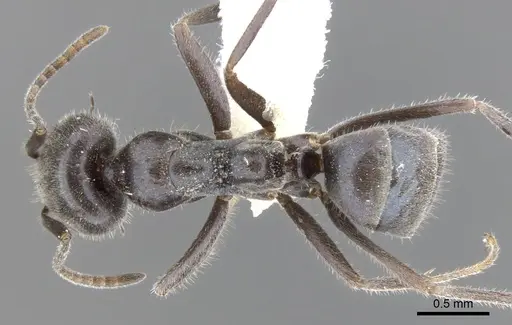
Literature
Loading...Loading products...