

Iridomyrmex suchieri
- Scientific Name
- Iridomyrmex suchieri
- Tribe
- Leptomyrmecini
- Subfamily
- Dolichoderinae
- Author
- Forel, 1907
- Common Name
- Suchier's meat ant
- Distribution
- Found in 2 countries
Iridomyrmex suchieri Overview
Iridomyrmex suchieri (commonly known as the Suchier's meat ant) is an ant species of the genus Iridomyrmex. It is primarily documented in 2 countries , including Australia, New Zealand. Detailed taxonomic data and occurrence records can be further explored via authoritative databases such as AntWeb or the Global Biodiversity Information Facility (GBIF).
Iridomyrmex suchieri - "Suchier's meat ant"
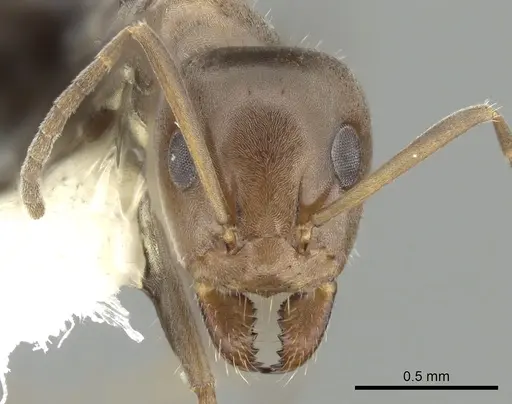
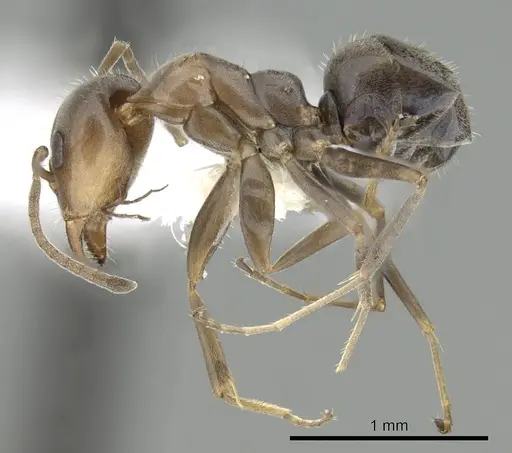
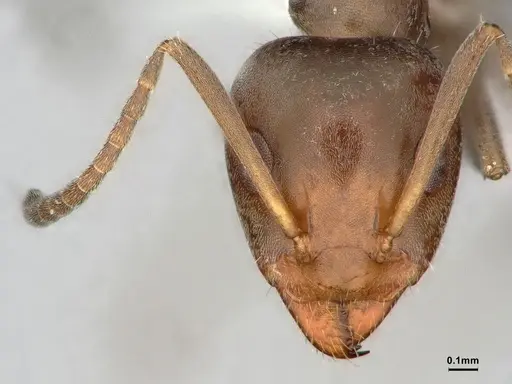
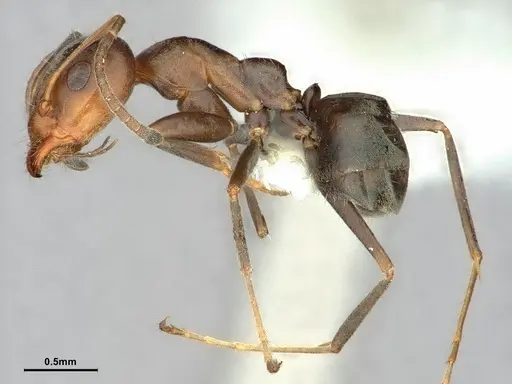
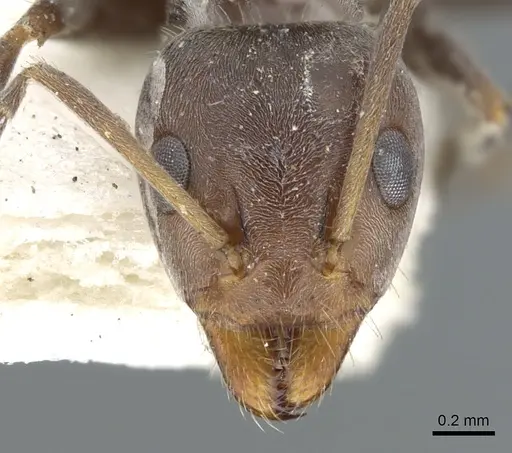
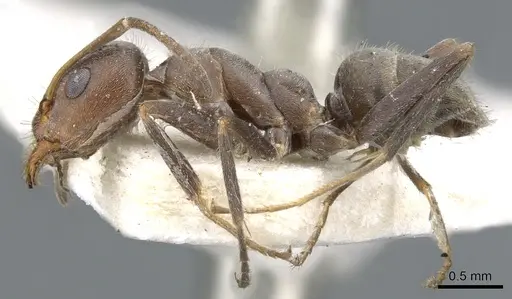
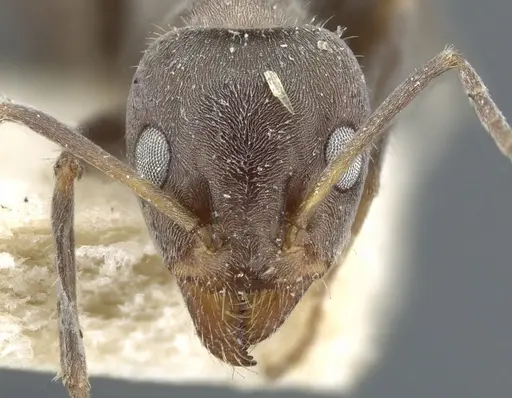
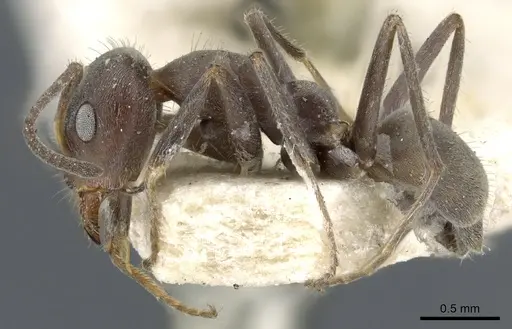
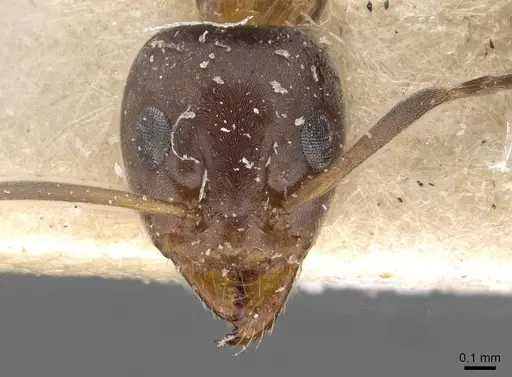
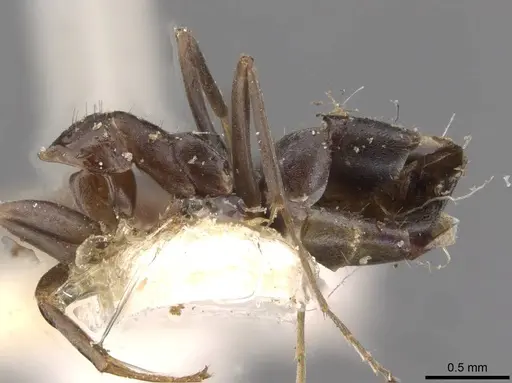
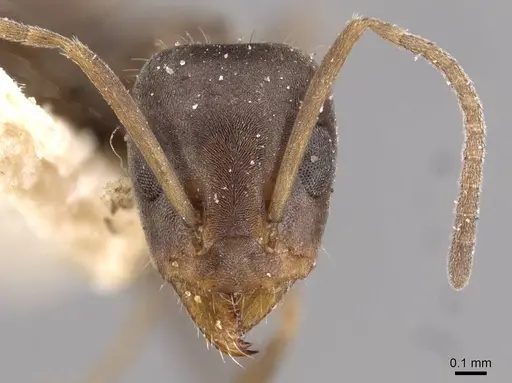
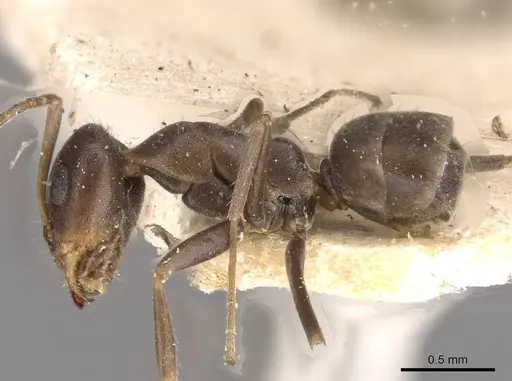
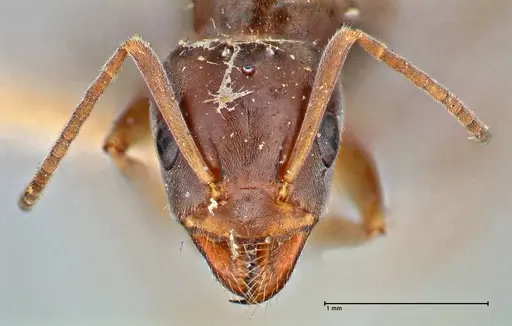
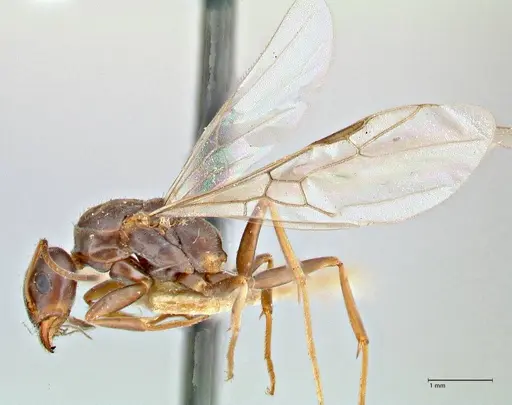
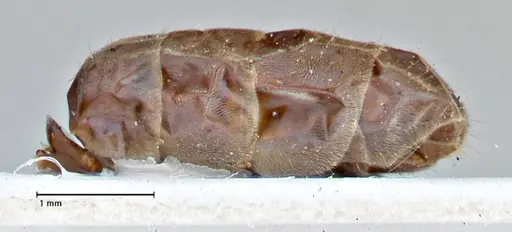
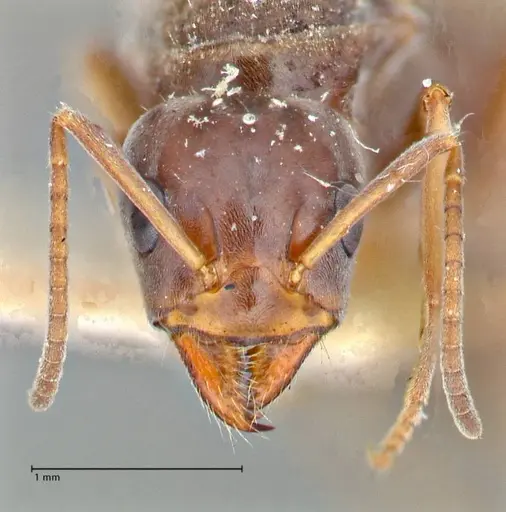
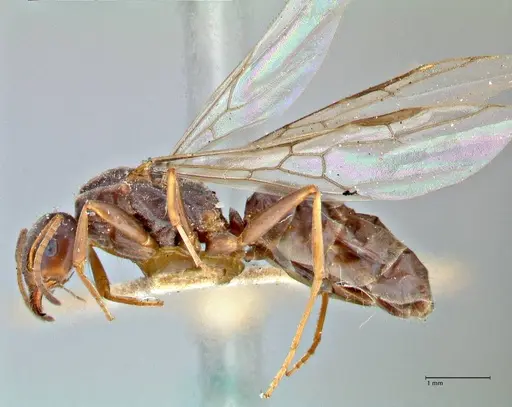
Iridomyrmex suchieri is a small to small-medium ant native to Australia, where it's found in all states and is one of the most significant Iridomyrmex species. Workers measure 0.77-1.01mm in head length and 0.67-0.94mm in head width, with the foreparts ranging from orange to dark brown and the gaster (abdomen) showing brown to black coloring often with a coppery sheen or bluish iridescence [1]. The species is quite variable, some populations have hairy tibiae and erect setae while others are nearly smooth. The best identification features are the flattened propodeum with a distinct propodeal angle and a line of short erect setae on the posterior margin of the head [1].
This ant is highly adaptable and has become a minor pest in New Zealand, where it's established in the North Island, Nelson in the South Island, and several offshore islands [1]. In its native Australia, it's quite fond of human environments and can be found in most capital cities, nesting under paving stones and in vegetated areas. In New Zealand, it follows typical Iridomyrmex behavior by tending honeydew-producing insects, and Australian populations likely do the same with lycaenid caterpillars [1]. The species was raised from subspecies to full species status in 2011,with I. obscurus now recognized as just a hairier variation of the same species [1][2].
Quick Summary
- Difficulty: Medium
- Origin & Habitat: Native to Australia (all states), introduced to New Zealand (North Island, Nelson, offshore islands), also found on Norfolk Island and Fiji [1]. In Australia, it's highly anthropophilic, found in cities under paving stones and in vegetated areas. In New Zealand, it invades natural ecosystems, detected at 5-10% of non-forested bait stations [3].
- Colony Type: Colony structure is not well documented in scientific literature. Based on typical Iridomyrmex patterns, colonies likely have a single queen (monogyne), though this requires confirmation for this specific species.
- Size & Growth:
- Queen: Not specifically measured in available literature, estimated based on genus patterns at 6-8mm
- Worker: 0.77-1.01mm head length,0.67-0.94mm head width [1]
- Colony: Not directly documented, but Iridomyrmex colonies typically reach several thousand workers
- Growth: Moderate, based on related species patterns
- Development: Estimated 6-8 weeks at optimal temperature based on genus patterns (Development time not specifically studied for this species, estimate based on typical Dolichoderinae development)
- Antkeeping:
- Temperature: Keep at 22-26°C. As an Australian species from temperate to subtropical regions, they prefer warm conditions but can tolerate moderate temperatures. A gentle gradient allows them to self-regulate.
- Humidity: Moderate humidity around 50-60%. They nest under stones in the wild, so some moisture in the nesting area is beneficial, but avoid waterlogged conditions.
- Diapause: Likely requires a winter rest period (diapause) given Australian temperate origins. Reduce temperature to around 15-18°C for 2-3 months during winter months.
- Nesting: In captivity, they do well in standard formicariums, acrylic nests, or Y-tong setups. They prefer tight chambers and narrow passages scaled to their small size. In the wild, they nest under paving stones and in soil, so provide a substrate they can dig into. Avoid tall, open spaces.
- Behavior: This species shows colony-level aggression that escalates with food resource value, they deploy more workers to valuable food sources [4]. They are predatory and favor protein-biased diets [5][6]. The very hairy form common in the Perth area shows timid behavioral traits [7]. They tend honeydew-producing insects and likely lycaenid caterpillars. Escape risk is moderate due to their small size, use standard barrier methods but they're not extreme escape artists like some tiny species.
- Common Issues: colonies may become aggressive over protein-rich foods, portion control is important to prevent fighting, small size means they can escape through small gaps, check for tight seals on any escape barriers, introduced populations in New Zealand are invasive, never release colonies in non-native areas, they may tend honeydew-producing insects in captivity, this can attract other pests if not managed, colonies may be timid in handling compared to more aggressive Iridomyrmex species
Housing and Nest Setup
Iridomyrmex suchieri does well in standard ant housing setups. Because they're a small species (workers around 0.8-1mm), use formicariums with appropriately scaled chambers and tunnels. Acrylic nests, Y-tong nests, or plaster nests all work well. In the wild, they nest under paving stones and in soil, so a naturalistic setup with a diggable substrate works, but they'll also readily accept pre-made channels. Avoid large, open spaces, they prefer tight, enclosed areas that mimic the conditions under stones they naturally use for shelter. A water tube for humidity is recommended, but don't overdo it, they prefer moderate moisture, not wet conditions. [1][7]
Feeding and Diet
This species is predatory and favors protein-biased diets [5][6]. Offer protein sources like small insects (fruit flies, small crickets, mealworms), and they will also accept sugar sources like honey water or sugar water. In the wild, they tend honeydew-producing Hemiptera and likely lycaenid caterpillars [1], so they have an omnivorous diet. Feed protein 2-3 times per week, and keep a sugar source available at all times. They show interesting foraging behavior, when previously fed carbohydrates, they deploy more workers to protein sources, suggesting they balance their diet based on what they've already consumed [4]. This compensatory foraging response is similar to other Iridomyrmex species but less pronounced.
Temperature and Seasonal Care
Keep your colony at 22-26°C for optimal activity and brood development. As an Australian species found across multiple climate zones, they can tolerate a range of temperatures but prefer warmth. During winter (roughly June-August in the Southern Hemisphere), reduce temperatures to around 15-18°C to simulate their natural seasonal cycle. This winter rest period (diapause) helps maintain colony health and may trigger reproductive behavior in spring. Use a heating cable on one side of the nest to create a gentle temperature gradient, placing it on top of the nest to avoid evaporating moisture too quickly. Monitor colony behavior, if workers cluster near the heat source, increase temperature slightly, if they avoid it, the ambient temperature is likely sufficient. [1]
Behavior and Colony Dynamics
Iridomyrmex suchieri shows interesting behavioral traits. They display colony-level aggression that increases with the value of food resources, when a particularly valuable protein source is found, more workers are recruited to exploit it [4]. The hairy form common in Perth areas is noted for being timid [7], so there may be regional variation in temperament. They are not extreme escape artists, but their small size means you should still use proper barrier methods. In captivity, they may tend any aphids or scale insects that get into the setup, which can attract sooty mold. They are a non-native invasive species in New Zealand [3], so keepers in that region should be especially careful never to release colonies outdoors.
Identification and Variation
This species shows significant variation in hairiness. Most populations have smooth (glabrous) antennal scapes and hind tibiae, but some workers have hairy legs, this was once classified as a separate species (Iridomyrmex suchieri) but is now recognized as natural variation within I. suchieri [1]. The best identification features are the flattened propodeum with a distinct propodeal angle and a line of short erect setae on the posterior margin of the head. They can be distinguished from the similar I. suchieroides because even the hairiest I. suchieroides always has glabrous antennae and lacks erect setae on the hind tibia. Some populations of I. mjobergi look nearly identical but lack the setae on the posterior margin of the head.
Legal and Ethical Considerations
This species is invasive in New Zealand, where it's established in the North Island, Nelson area, and offshore islands [1][3]. If you keep this species in New Zealand, never release any ants outdoors, they can cause ecological damage and spread into natural ecosystems. The species has been detected at increasing rates in non-forested areas (5% of bait stations in 2005,10% in 2015) and is penetrating further into natural habitats [3]. In Australia, there are no restrictions on keeping this native species. Always check your local regulations regarding ant keeping, and dispose of colonies responsibly if you can no longer care for them.
Frequently Asked Questions
How long does it take for Iridomyrmex suchieri to produce first workers?
The exact development timeline hasn't been studied for this species, but based on typical Iridomyrmex and Dolichoderinae patterns, expect 6-8 weeks from egg to first worker at optimal temperature (around 24°C). The first workers (nanitics) will be smaller than mature workers.
What do Iridomyrmex suchieri ants eat?
They are predatory ants that favor protein-rich diets. Feed small insects like fruit flies, pinhead crickets, or small mealworms. They also accept sugar sources like honey water or sugar water. Protein should be offered 2-3 times per week, with a constant sugar source available.
Are Iridomyrmex suchieri good for beginners?
They are rated as medium difficulty. They're more challenging than some beginner species because of their specific dietary needs (protein-biased diet) and potential for colony aggression over food. However, they're not as difficult as some exotic or specialized species. Their small size and need for escape prevention add some complexity.
What temperature should I keep Iridomyrmex suchieri at?
Keep them at 22-26°C. An Australian species, they prefer warm conditions but can tolerate moderate temperatures. A heating cable on one side of the nest can create a gradient for self-regulation. During winter, reduce to around 15-18°C for a rest period.
Can I keep multiple queens together in one colony?
The colony structure hasn't been specifically documented for this species. Based on typical Iridomyrmex patterns, they likely form single-queen colonies. Combining unrelated queens is not recommended as it hasn't been studied and could result in aggression.
How big do Iridomyrmex suchieri colonies get?
Colony size hasn't been specifically documented, but Iridomyrmex species typically reach several thousand workers. Expect moderate growth over 1-2 years to a substantial colony.
Do Iridomyrmex suchieri need hibernation?
Yes, likely. As an Australian species from temperate regions, they probably need a winter rest period. Reduce temperatures to around 15-18°C for 2-3 months during winter (June-August in the Southern Hemisphere).
Why are my Iridomyrmex suchieri fighting over food?
This is normal behavior, the species shows colony-level aggression that escalates with food resource value [4]. When a particularly valuable protein source is found, more workers are recruited. To minimize fighting, feed smaller, more frequent portions rather than large amounts at once.
References

This caresheet is licensed under CC BY-SA 4.0 .
CASENT0249711
View on AntWeb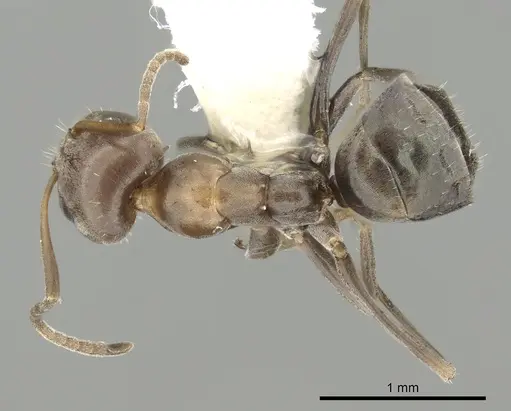
CASENT0886056
View on AntWeb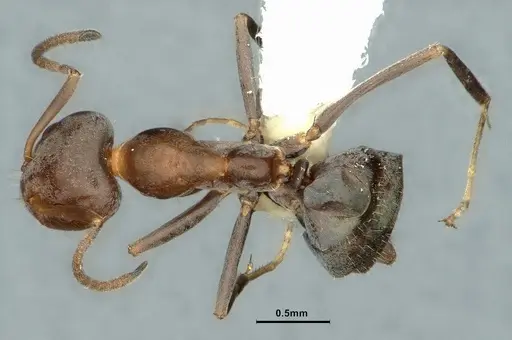
CASENT0903082
View on AntWeb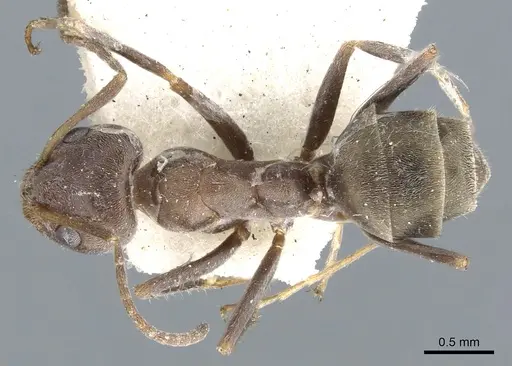
CASENT0905048
View on AntWeb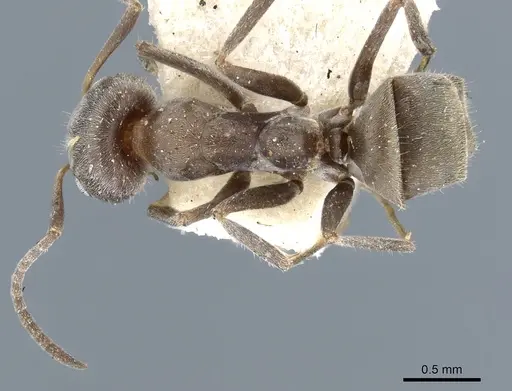
CASENT0909559
View on AntWeb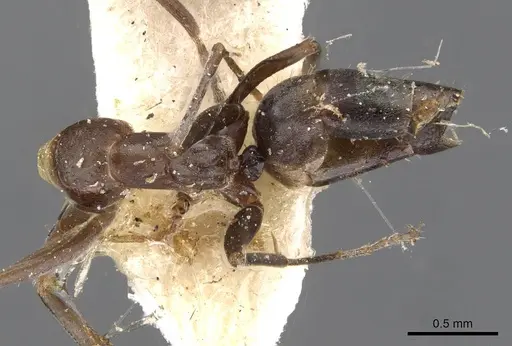
CASENT0909560
View on AntWeb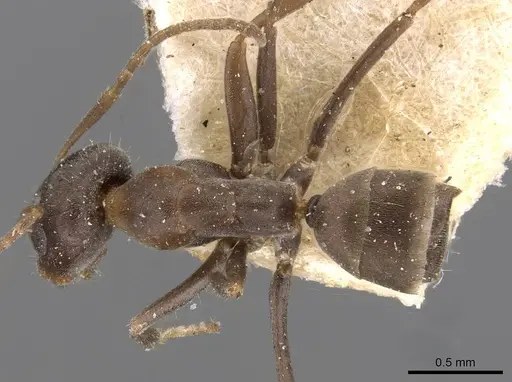
FOCOL2828
View on AntWeb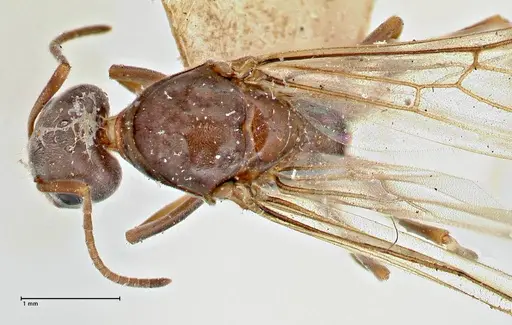
FOCOL2829
View on AntWeb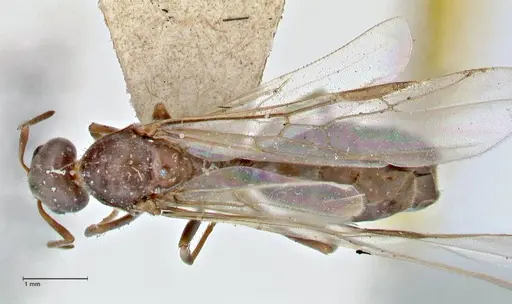
Literature
Loading...Loading products...