

Iridomyrmex obscurior
- Scientific Name
- Iridomyrmex obscurior
- Tribe
- Leptomyrmecini
- Subfamily
- Dolichoderinae
- Author
- Forel, 1902
- Distribution
- Found in 1 countries
Iridomyrmex obscurior Overview
Iridomyrmex obscurior is an ant species of the genus Iridomyrmex. It is primarily documented in 1 countries , including Australia. Detailed taxonomic data and occurrence records can be further explored via authoritative databases such as AntWeb or the Global Biodiversity Information Facility (GBIF).
Iridomyrmex obscurior
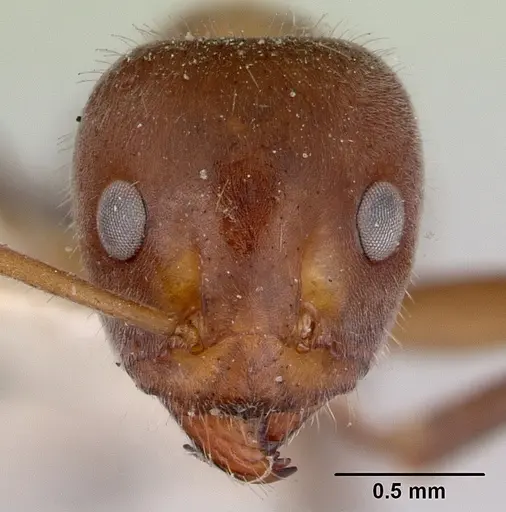
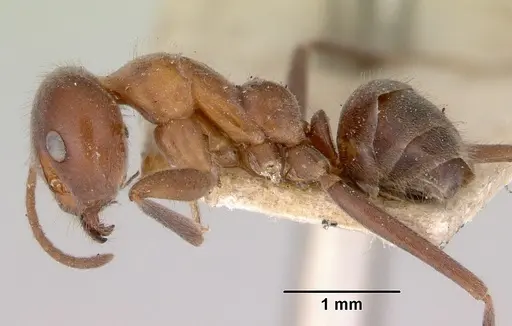
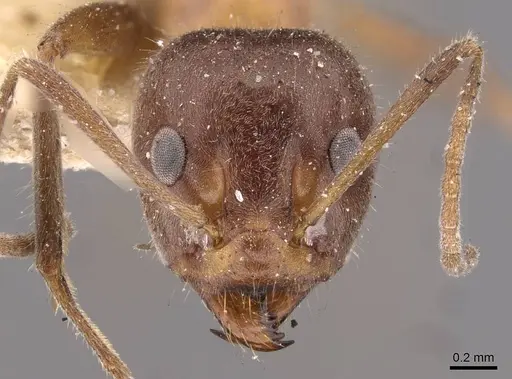
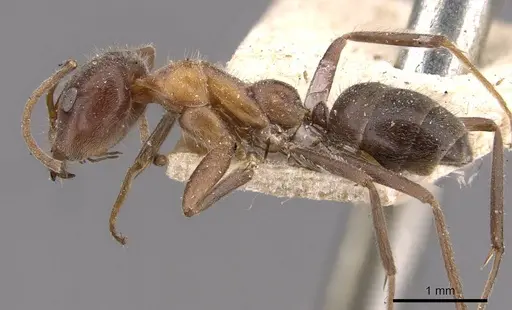
Iridomyrmex obscurior is an Australian ant species belonging to the Dolichoderinae subfamily. Workers are medium-sized ants measuring 1.10-1.19mm in head width, with a body coloration ranging from medium to dark reddish-brown, the gaster is often darker than the front parts. Unlike its close relative Iridomyrmex mayri, most workers lack the striking pale blue or purple iridescence, though some specimens show weak greenish or bluish iridescence confined to the gaster. The species is most easily distinguished from I. mayri by its noticeably shorter antenna [1].
This ant shares similar habitat preferences with Iridomyrmex mayri and is known to attend the caterpillars of Jalmenus evagoras, a butterfly species. The range is approximately the same as I. mayri, covering much of eastern Australia, though I. obscurior does not occur much north of Brisbane. The original type material was collected at Ballarat, Victoria [1].
Quick Summary
- Difficulty: Medium
- Origin & Habitat: Eastern Australia, primarily Victoria and southern New South Wales regions, with the type locality at Ballarat, Victoria. Similar habitat preferences to Iridomyrmex mayri, typically found in temperate woodland and forest habitats [1].
- Colony Type: Colony structure is not well documented in scientific literature. Based on typical Iridomyrmex patterns, colonies likely establish single-queen colonies (monogyne), though this requires confirmation for this specific species.
- Founding: Claustral
- Size & Growth:
- Queen: Not specifically documented, estimated 6-8mm based on genus patterns for Iridomyrmex queens
- Worker: 1.10-1.19mm head width (HW), with head length (HL) 1.19-1.29mm [1]
- Colony: Not specifically documented, Iridomyrmex colonies typically reach several thousand workers
- Growth: Moderate, based on typical genus development patterns
- Development: Estimated 6-10 weeks based on related Iridomyrmex species development at optimal temperatures (Development time inferred from genus-level data, specific timeline for this species is unconfirmed)
- Antkeeping:
- Temperature: Keep at 22-26°C. Australian Iridomyrmex species benefit from a temperature gradient allowing them to regulate their own warmth. Room temperature within this range is typically suitable [1].
- Humidity: Moderate humidity requirements, typical for Australian woodland ants. Keep nest substrate lightly moist but not waterlogged. Provide a water source in the outworld.
- Diapause: Likely requires a mild winter rest period (diapause) given the temperate Australian distribution. Reduce temperature to 10-15°C for 2-3 months during winter months.
- Nesting: Y-tong (AAC) nests work well for this medium-sized species. Plaster or acrylic nests are also suitable. Provide a connection to an outworld for foraging.
- Behavior: Iridomyrmex obscurior is an active forager with typical dolichoderine behavior, they are not particularly aggressive but will defend their colony. Workers are medium-sized and relatively fast-moving. They attend to honeydew-producing insects (like the Jalmenus evagoras caterpillars) in nature, indicating they will readily accept sugar sources. Escape risk is moderate, use standard barrier methods (Fluon on test tube rims, fine mesh on outworlds).
- Common Issues: colonies may fail if kept too cold, maintain warm temperatures during active season, sugar sources are important, these ants attend honeydew producers and will readily accept sweet liquids, winter dormancy is likely needed given the temperate distribution, improper diapause can weaken colonies, wild-caught colonies may have parasites or diseases that cause problems in captivity, medium size means standard escape prevention is adequate but don't neglect barriers
Housing and Nest Setup
Iridomyrmex obscurior is a medium-sized ant that adapts well to standard captive setups. Y-tong (acrylic alloy) nests work particularly well for this species, providing appropriate chamber sizes and good visibility. Plaster nests or acrylic formicaria are also suitable alternatives. The nest should connect to an outworld where workers can forage. Since these ants are active foragers, provide enough space in the outworld for exploration and food placement. Use standard escape prevention methods, Fluon on test tube rims and fine mesh covering any ventilation openings. A water test tube with a cotton wick should always be available in the outworld. [1]
Feeding and Diet
In the wild, Iridomyrmex obscurior attends honeydew-producing insects, particularly the caterpillars of Jalmenus evagoras (a butterfly species). This indicates a strong preference for sugar sources. In captivity, offer sugar water, honey, or diluted honey water as a constant food source. They also need protein, offer small insects like fruit flies, small crickets, mealworms, or other appropriately sized prey. Feed protein sources 2-3 times per week, and keep sugar water available at all times. Remove uneaten prey after 24-48 hours to prevent mold issues in the outworld. [1]
Temperature and Seasonal Care
Maintain nest temperatures between 22-26°C for optimal colony development. These ants come from temperate regions of eastern Australia, so they do best in warm but not extreme conditions. A temperature gradient is beneficial, allow part of the nest to be slightly warmer while workers can move to cooler areas if needed. During winter (roughly June-August in the Southern Hemisphere), reduce temperatures to 10-15°C to provide a proper dormancy period. This winter rest helps maintain colony health and encourages spring activity. Do not feed heavily during dormancy and reduce sugar water to minimal amounts. [1]
Behavior and Colony Dynamics
Iridomyrmex obscurior shows typical dolichoderine behavior, workers are active foragers, relatively non-aggressive toward humans, and maintain organized colonies. Workers are medium-sized at around 1.1-1.2mm head width, making them visible and engaging to watch. The species is not closely related to the I. discors group despite previous classification, and is most similar to I. mayri (distinguished by shorter antennae and lack of strong iridescence). Colonies grow progressively with new workers emerging regularly. Queens are likely claustral founders, they seal themselves in a chamber and raise the first brood using stored body reserves until nanitic workers emerge. [1]
Growth and Development
Specific development timelines for Iridomyrmex obscurior are not documented in scientific literature. Based on typical Iridomyrmex genus patterns, expect 6-10 weeks from egg to first worker at optimal temperatures (around 24-26°C). The first workers (nanitics) will be smaller than mature workers but should begin foraging shortly after eclosion. Colony growth is moderate, expect visible expansion over the first year with proper feeding and temperature conditions. Growth rate will accelerate once the colony reaches several dozen workers, as more foragers means more food collection efficiency.
Frequently Asked Questions
How long does it take for Iridomyrmex obscurior to produce first workers?
Specific timelines are unconfirmed for this species, but based on related Iridomyrmex species, expect 6-10 weeks from egg to first worker at optimal temperatures of 24-26°C.
What do Iridomyrmex obscurior ants eat?
They readily accept sugar sources (honey water, sugar water, honey) and need regular protein from small insects. In the wild they attend honeydew-producing caterpillars, so sugar is an important part of their diet.
What temperature do Iridomyrmex obscurior ants need?
Keep them at 22-26°C. A slight gradient is beneficial, but avoid temperatures above 30°C or below 15°C during the active season.
Do Iridomyrmex obscurior ants need hibernation?
Yes, given their temperate Australian distribution, a winter rest period is recommended. Reduce temperatures to 10-15°C for 2-3 months during winter.
Are Iridomyrmex obscurior ants good for beginners?
They are considered medium difficulty. They are more active and require more food than some beginner species, but are not difficult to keep once basic care requirements (warmth, sugar, protein) are met.
How big do Iridomyrmex obscurior colonies get?
Specific colony size is not documented, but Iridomyrmex species typically reach several thousand workers. Expect a moderately large colony with long-term keeping.
Can I keep multiple Iridomyrmex obscurior queens together?
This is not recommended. Unlike some Iridomyrmex species that may be polygynous, combining unrelated foundress queens has not been documented for this species and could result in fighting.
When should I move Iridomyrmex obscurior to a formicarium?
Wait until the colony has 30-50 workers and the test tube setup feels cramped. This typically happens 6-12 months after founding. Ensure the formicarium has appropriately sized chambers for medium-sized ants.
Why is my Iridomyrmex obscurior colony declining?
Common causes include: temperatures too low (below 20°C), insufficient sugar in diet, poor humidity control, or improper winter dormancy. Check these parameters first. Wild-caught colonies may also carry parasites that affect captive survival.
References

This caresheet is licensed under CC BY-SA 4.0 .
CASENT0172046
View on AntWeb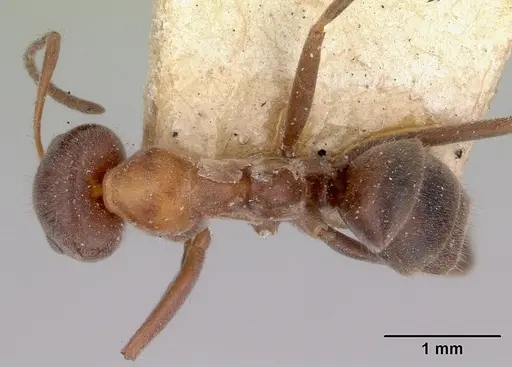
CASENT0909522
View on AntWeb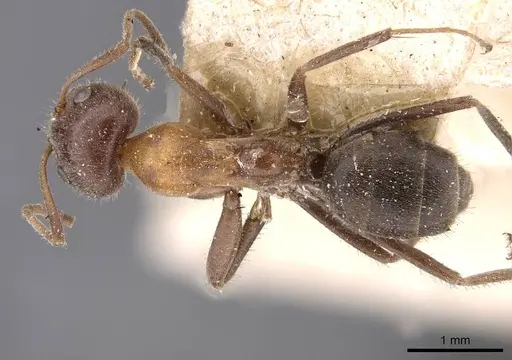
Literature
Loading...Loading products...