

Iridomyrmex mjobergi
- Scientific Name
- Iridomyrmex mjobergi
- Tribe
- Leptomyrmecini
- Subfamily
- Dolichoderinae
- Author
- Forel, 1915
- Distribution
- Found in 1 countries
Iridomyrmex mjobergi Overview
Iridomyrmex mjobergi is an ant species of the genus Iridomyrmex. It is primarily documented in 1 countries , including Australia. Detailed taxonomic data and occurrence records can be further explored via authoritative databases such as AntWeb or the Global Biodiversity Information Facility (GBIF).
Iridomyrmex mjobergi
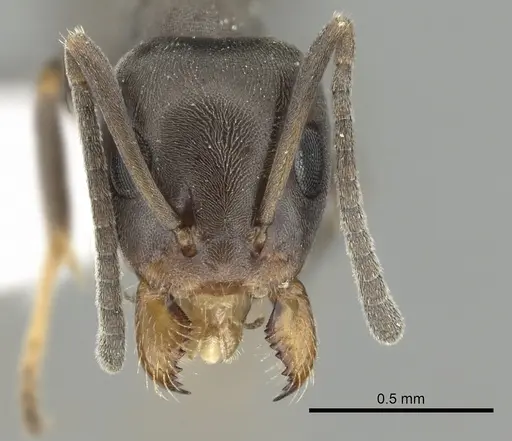
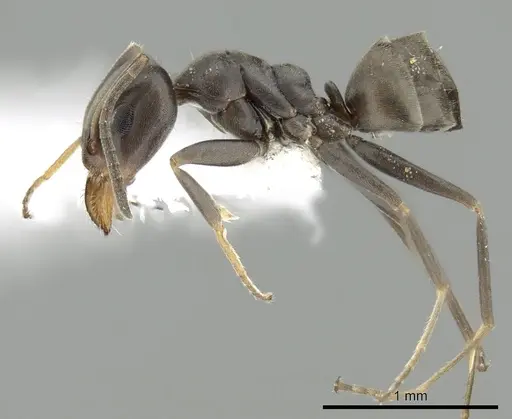
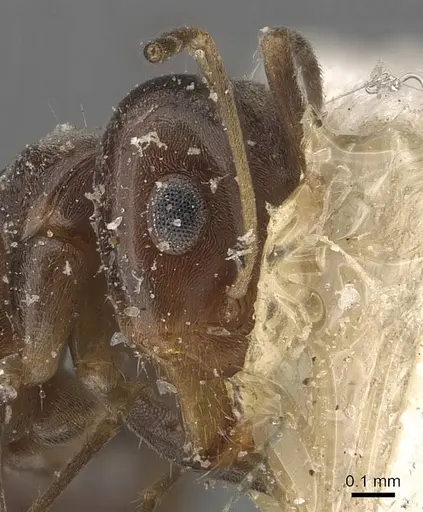
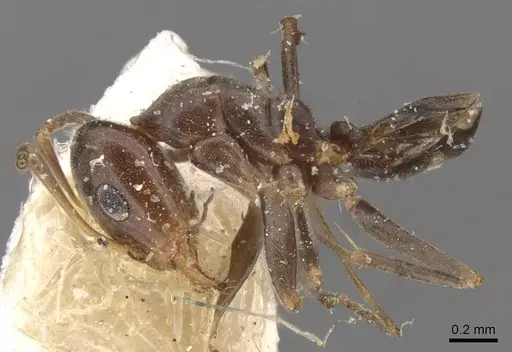
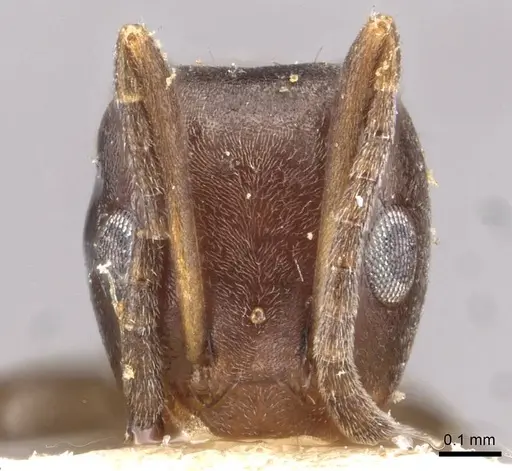
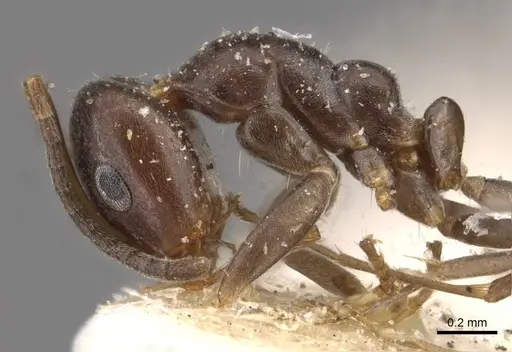
Iridomyrmex mjobergi is a small to medium-sized coppery brown ant native to Australia and New Guinea. Workers measure 0.56-0.85mm in head width, making them relatively small ants with a distinctive metallic or coppery sheen that becomes more pronounced in some populations, particularly on Barrow Island [1][2]. This species is found throughout all Australian states and extends into New Guinea, making it one of the most widespread Iridomyrmex species [1]. What makes this ant particularly interesting is its behavior, unlike many aggressive Iridomyrmex species, these workers are quite docile and will actively hide in leaf litter when threatened rather than attacking [1]. They are arboreal foragers, climbing trees and flowers (including Banksia) in search of nectar and honeydew [1].
Quick Summary
- Difficulty: Easy
- Origin & Habitat: Australia (all states) and New Guinea. Found in soil, under stones, and occasionally in unusual locations like abandoned beer cans. Prefers foraging in trees and flowers for nectar and honeydew [1].
- Colony Type: Monogyne (single queen) colonies, typical for the genus. Colony structure in the wild involves single queens with workers foraging both on the ground and in vegetation.
- Colony: Monogyne
- Founding: Claustral
- Size & Growth:
- Queen: Estimated 7-9mm based on genus patterns (no direct measurement found)
- Worker: 0.56-0.85mm head width,0.63-0.98mm head length [1]
- Colony: Likely hundreds to low thousands based on genus patterns, described as one of the most populous Iridomyrmex species in undisturbed areas [1]
- Growth: Moderate, based on typical Iridomyrmex development patterns
- Development: 6-10 weeks estimated based on related Iridomyrmex species at optimal temperature (Development time inferred from genus-level data, specific timing unconfirmed for this species)
- Antkeeping:
- Temperature: Keep at 24-28°C. Australian species generally prefer warm conditions. A heating cable on one side of the nest creates a suitable gradient.
- Humidity: Moderate humidity around 50-70%. Keep the nest substrate slightly moist but allow some drying between waterings. These ants tolerate drier conditions better than some other Australian species.
- Diapause: Likely a mild winter slowdown period (3-4 months at 15-18°C) based on Australian temperate species patterns, though direct observation is lacking for this species.
- Nesting: Test tube setups work well for founding colonies. For established colonies, a Y-tong or naturalistic setup with soil and stones mimics their natural nesting preferences. They do well with moderate moisture-retaining substrate.
- Behavior: Docile and non-aggressive compared to many other Iridomyrmex species. Workers will flee and hide rather than attack when disturbed [1]. They are active foragers that climb vegetation to reach nectar sources. Workers are small but competent climbers, so escape prevention is important. They generally accept sugar water and honey readily due to their nectar-feeding habits in the wild.
- Common Issues: small size means escapes are likely without fine mesh barriers and tight-fitting lids, docile nature may make them overshadowed by more aggressive ant species in mixed setups, arboreal foraging behavior means they may ignore food placed only on the ground, limited availability in the antkeeping hobby since they're not commonly traded
Nest Preferences and Housing
In the wild, Iridomyrmex mjobergi nests in soil or under stones, and has even been found nesting in abandoned containers like aluminium cans [1]. For captive care, a test tube setup works well for founding colonies. As the colony grows, you can transition to a Y-tong (acrylic) nest or a naturalistic setup with soil and flat stones. These ants prefer nests that retain some moisture but aren't waterlogged. A small water reservoir connected to the nest chamber maintains appropriate humidity. Since they climb vegetation in the wild, adding some vertical structure or plants to their outworld encourages natural foraging behavior.
Feeding and Diet
These ants are opportunistic foragers with a strong sweet tooth. In the wild, they climb trees and flowers (including Banksia) to feed on nectar and honeydew from sap-sucking insects [1]. In captivity, they readily accept sugar water, honey, or diluted syrup as a constant carbohydrate source. For protein, offer small insects like fruit flies, small crickets, or mealworm pieces. Since they're small workers, prey items should be appropriately sized. They typically ignore larger prey items. Feed protein 2-3 times per week and keep sugar water available at all times.
Temperature and Seasonal Care
As an Australian species, Iridomyrmex mjobergi prefers warm conditions. Keep the nest area at 24-28°C for optimal colony activity and brood development. A heating cable placed on one side of the nest creates a temperature gradient that allows ants to regulate their own temperature. During Australian winter (roughly June-August in the southern hemisphere), colonies likely experience a period of reduced activity. Reduce temperatures to 15-18°C for 3-4 months to simulate winter conditions. This winter rest period helps maintain natural colony cycles and promotes healthy reproduction in spring.
Behavior and Temperament
One of the most notable traits of Iridomyrmex mjobergi is its docile nature. Unlike many Iridomyrmex species (particularly Iridomyrmex chasei) that aggressively attack collecting tools, these workers actively conceal themselves in leaf litter when threatened [1]. This makes them a good choice for antkeepers who prefer less aggressive species. Workers are active foragers that readily explore their environment, including climbing vertical surfaces to reach food sources. They are not known for biting or stinging, and pose no danger to keepers. Their small size means they can squeeze through tiny gaps, excellent escape prevention with fine mesh is essential.
Colony Founding
Based on typical Iridomyrmex genus patterns, Iridomyrmex mjobergi queens are likely claustral founders, the queen seals herself in a small chamber and raises the first brood alone using stored fat reserves. The founding queen does not leave the nest to forage during this period. First workers (nanitics) are typically smaller than mature workers. The colony grows gradually as more workers emerge. Founding success rates are generally good when the queen is provided with a dark, quiet space and consistent moisture. Avoid disturbing the founding chamber during the first 4-6 weeks.
Frequently Asked Questions
How long does it take for Iridomyrmex mjobergi to produce first workers?
Based on typical Iridomyrmex development, expect first workers (nanitics) around 6-10 weeks after the queen lays eggs, assuming optimal temperature around 26°C. Development is faster in warmer conditions and slower if temperatures drop.
What do Iridomyrmex mjobergi eat?
They have a sweet tooth, offer sugar water, honey, or diluted syrup constantly. For protein, provide small insects like fruit flies, small crickets, or mealworm pieces 2-3 times per week. Their small size means prey should be appropriately sized.
Are Iridomyrmex mjobergi good for beginners?
Yes, they are considered easy to keep. They are docile, don't require extreme humidity, and accept a wide variety of foods. Their main care requirements are warm temperatures, consistent moisture, and good escape prevention due to their small size.
How big do Iridomyrmex mjobergi colonies get?
While exact maximum colony size is unconfirmed for this species, they are described as one of the most populous Iridomyrmex species in undisturbed areas. Based on genus patterns, colonies likely reach several hundred to a low thousand workers.
Do Iridomyrmex mjobergi need hibernation?
Based on Australian species patterns, they benefit from a mild winter rest period of 3-4 months at reduced temperatures (15-18°C). This mimics their natural seasonal cycle and helps trigger spring reproduction.
Can I keep multiple Iridomyrmex mjobergi queens together?
This species is typically monogyne (single queen). Combining unrelated queens is not recommended as they would likely fight. Only keep one queen per colony unless you have specific information about pleometrosis (multiple queen founding) for this species.
Why is my Iridomyrmex mjobergi colony not growing?
Check three key factors: temperature (should be 24-28°C), humidity (substrate should be slightly moist but not waterlogged), and food quality (sugar constantly available, protein 2-3 times weekly). Also ensure the colony isn't being disturbed too often, stress can slow growth. Young colonies grow slowly, so patience is needed.
What size nest do I need for Iridomyrmex mjobergi?
Start with a test tube for the founding queen. Once the colony reaches 20-30 workers, you can move to a small formicarium or Y-tong nest. They do well in nests that can hold moist substrate. Scale up as the colony grows, they don't need enormous spaces but appreciate room to forage.
Are Iridomyrmex mjobergi escape artists?
Yes, due to their small size (workers 0.56-0.85mm), escape prevention is critical. Use tight-fitting lids, fine mesh on any ventilation, and apply fluon or other barriers to the rim of the outworld. Check for gaps regularly.
References

This caresheet is licensed under CC BY-SA 4.0 .
ANTWEB1008651
View on AntWeb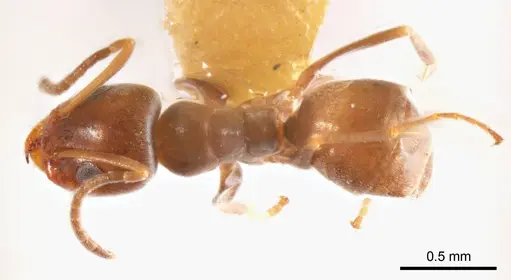
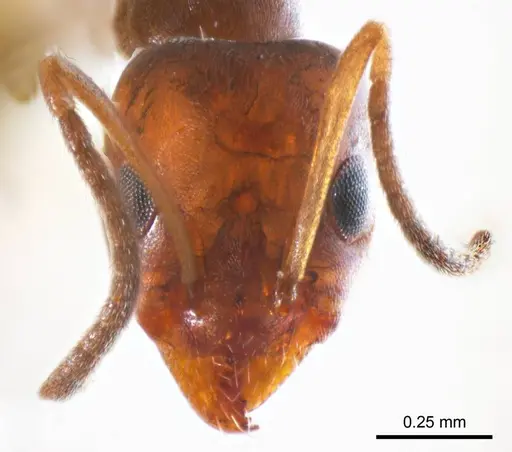
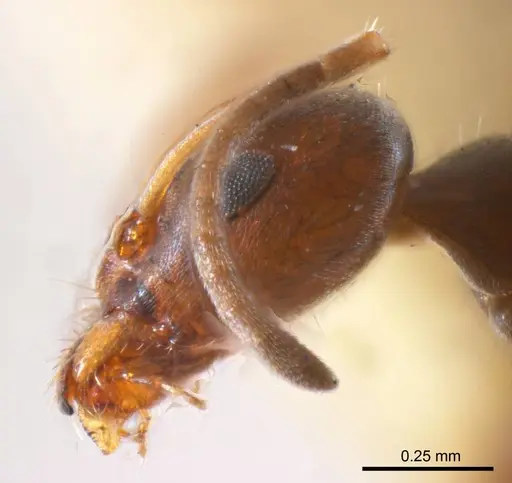
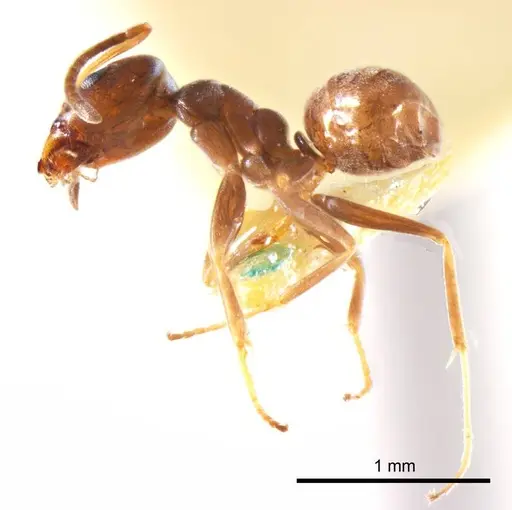
CASENT0249709
View on AntWeb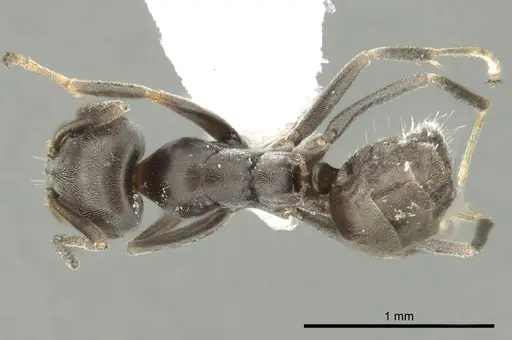
CASENT0907614
View on AntWeb
CASENT0909548
View on AntWeb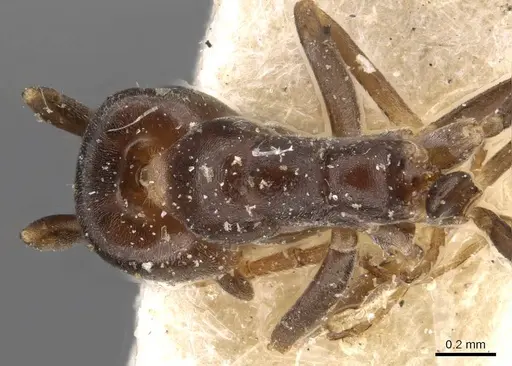
Literature
Loading...Loading products...