

Iridomyrmex chasei
- Scientific Name
- Iridomyrmex chasei
- Tribe
- Leptomyrmecini
- Subfamily
- Dolichoderinae
- Author
- Forel, 1902
- Distribution
- Found in 1 countries
Iridomyrmex chasei Overview
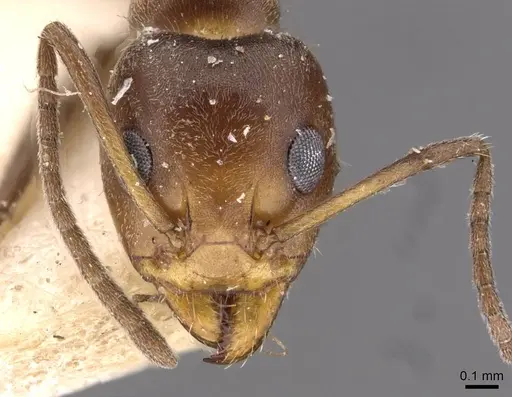
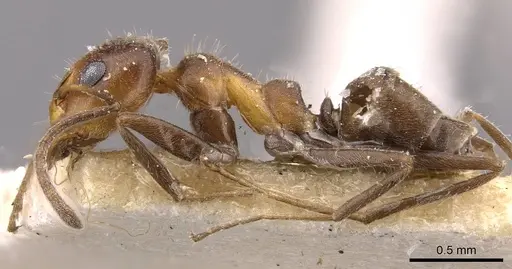
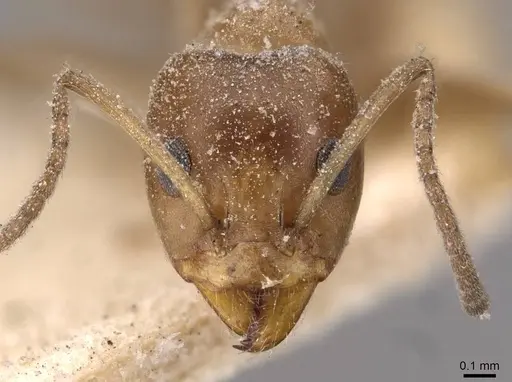
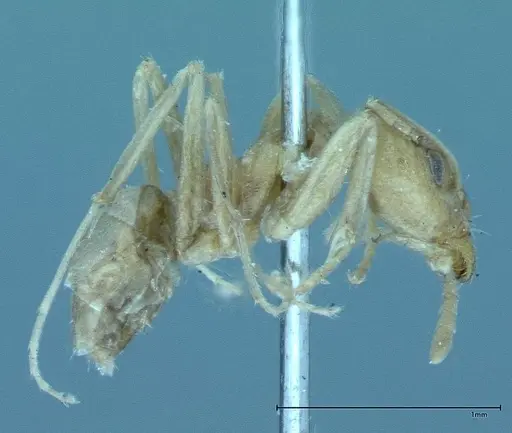
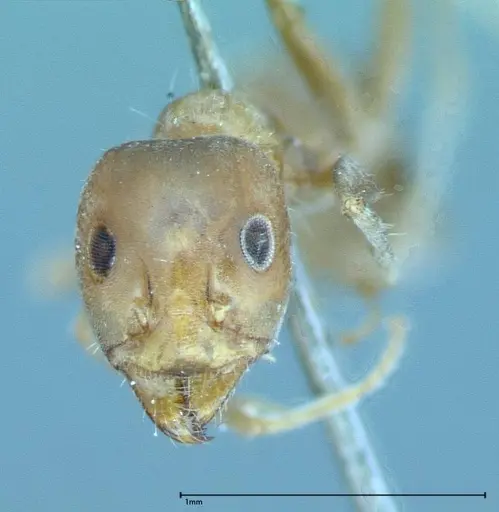
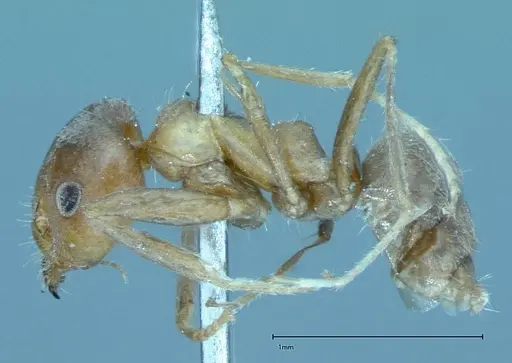
Iridomyrmex chasei is an ant species of the genus Iridomyrmex. It is primarily documented in 1 countries , including Australia. Detailed taxonomic data and occurrence records can be further explored via authoritative databases such as AntWeb or the Global Biodiversity Information Facility (GBIF).
Iridomyrmex chasei
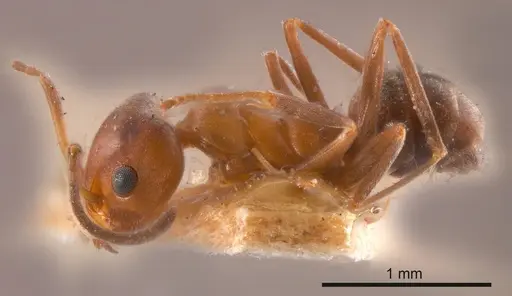
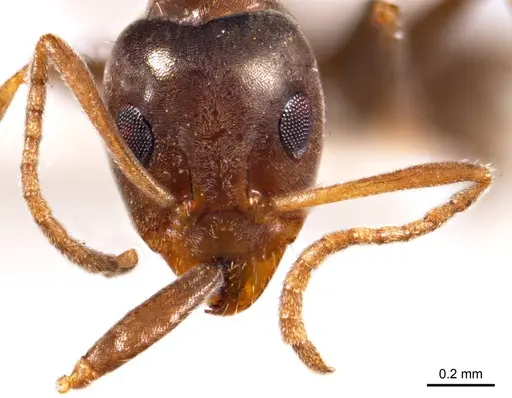
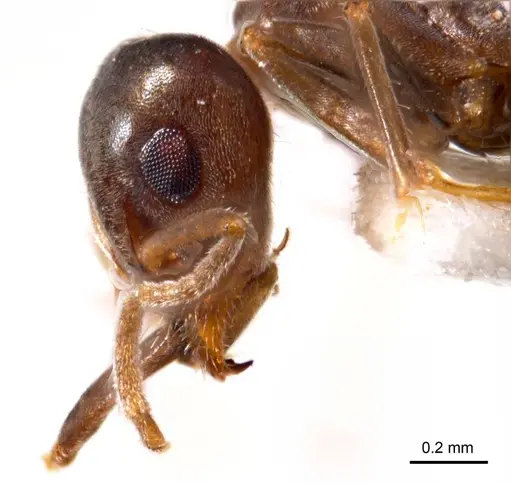
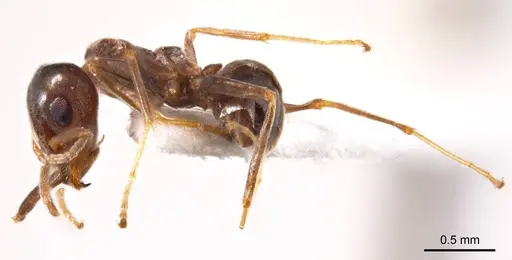
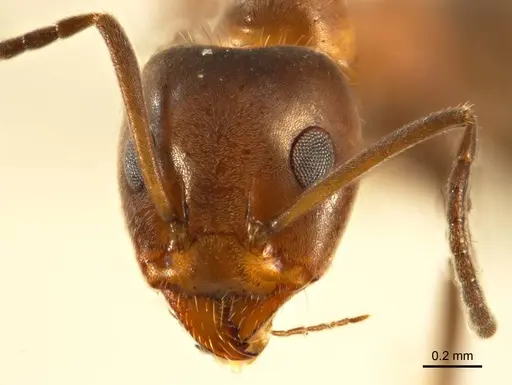
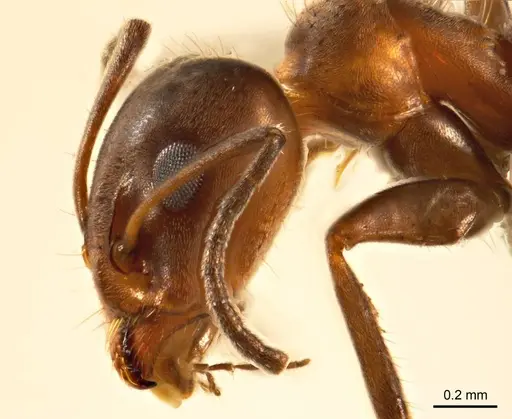
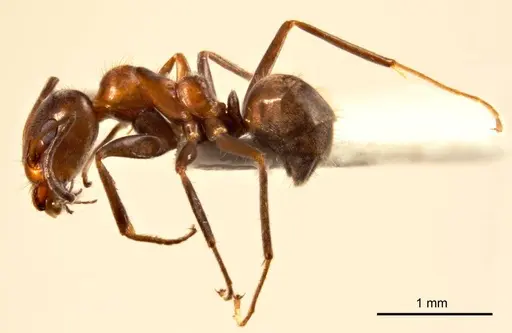
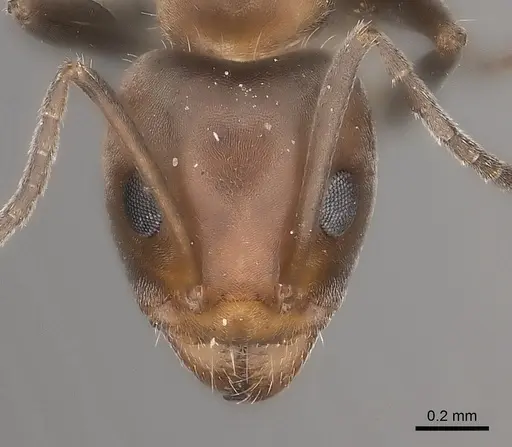
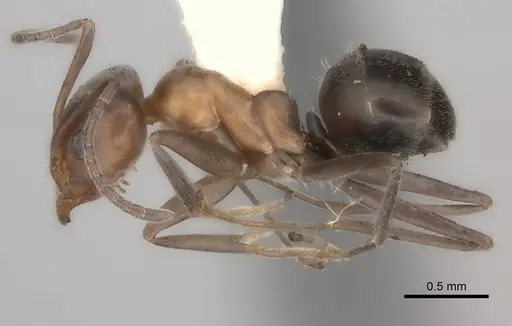
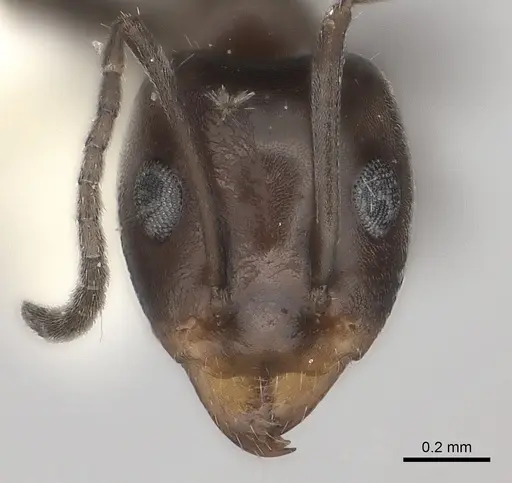
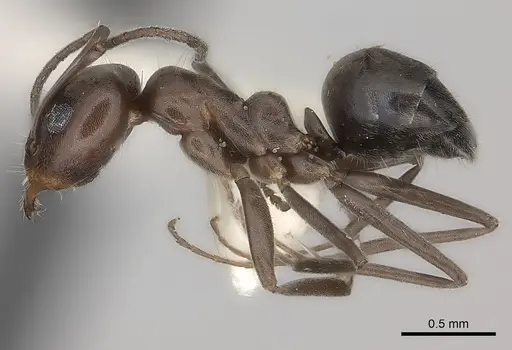
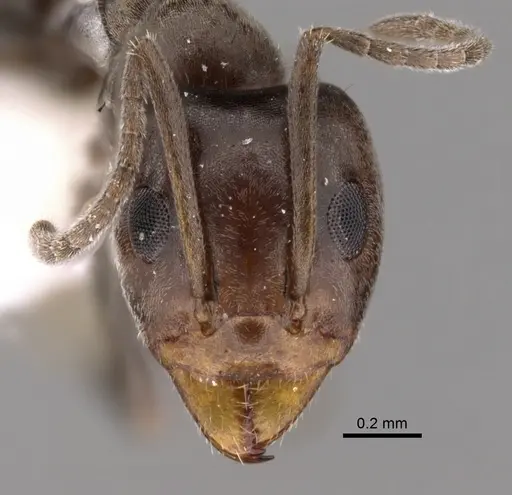
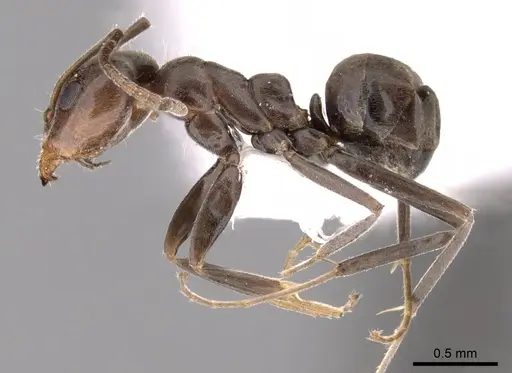
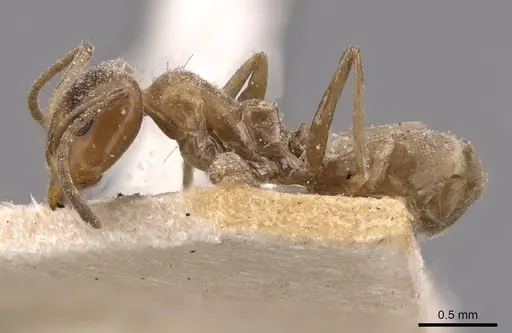
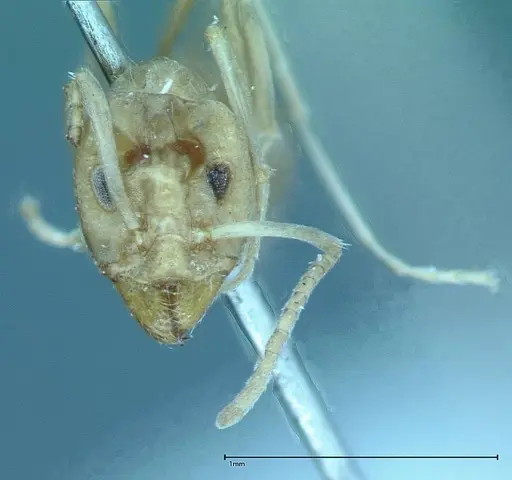
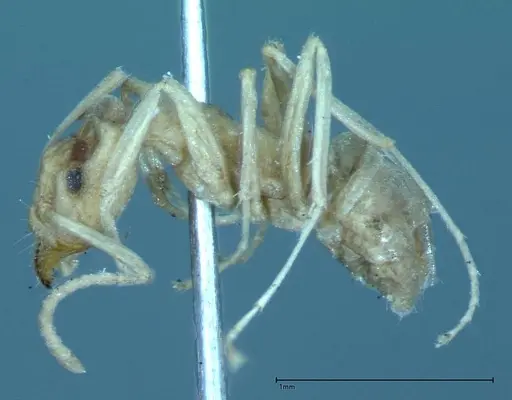
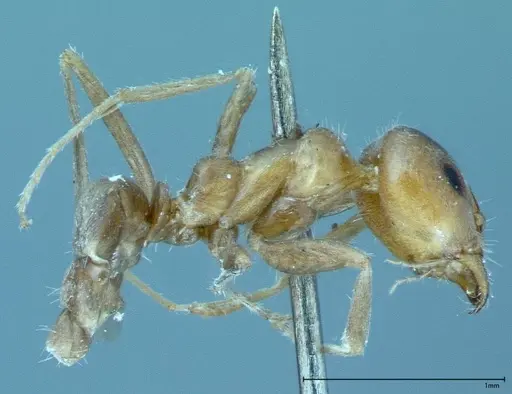
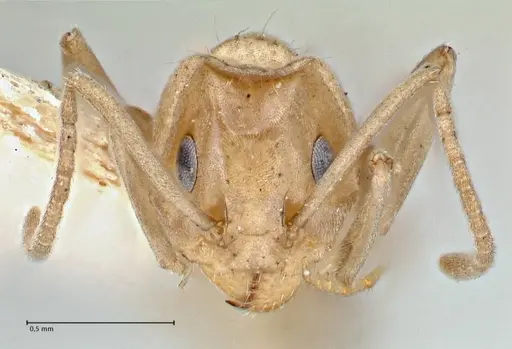
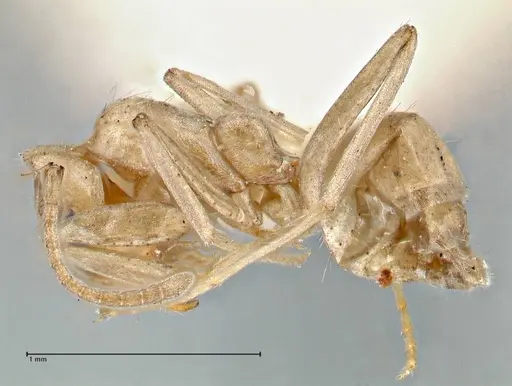
Iridomyrmex chasei is a large, aggressive Australian ant known for its massive colonies and distinctive 'crushed ant' smell. Workers measure 3-5mm with variable coloration, shades of orange, red, brown, or blackish-brown often appearing in combination. The gaster is typically brown to black with possible coppery reflections. This species is widespread throughout mainland Australia (absent from Tasmania) and is particularly common in the Perth region, where it nests in sandy soils and often undermines smooth pavements with its extensive tunneling [1]. The ant is famous for its pugnacity, it will swarm over and bite anyone gardening or moving through its territory [1]. Colonies can reach enormous sizes with thousands of workers, making them one of the most conspicuous ant species in drier Australian ecosystems [2][1].
Quick Summary
- Difficulty: Medium
- Origin & Habitat: Australia, widespread throughout all mainland states, absent from Tasmania. Found in most ecosystems but avoids very cool wet regions and tropical rainforest. Very common in sandy soils, forms huge colonies in backyards, pavements, and degraded areas [1][2].
- Colony Type: Likely polygynous (multiple queens) based on massive colony sizes observed. Forms very large colonies with thousands of workers [1][2].
- Colony: Polygyne
- Size & Growth:
- Queen: Unconfirmed, estimated 8-12mm based on genus Iridomyrmex patterns
- Worker: 3-5mm (HL 0.71-1.03mm, HW 0.64-0.94mm) [1]
- Colony: Very large, thousands of workers typical in established colonies [1][2]
- Growth: Fast, large colonies develop quickly once established
- Development: Estimated 6-8 weeks based on typical Dolichoderinae development at optimal temperature (Development time inferred from genus patterns, direct measurements unavailable)
- Antkeeping:
- Temperature: Keep at 22-28°C. This is a temperate to warm-climate species from Australia, they thrive in warm conditions and are most active in spring and early summer [1].
- Humidity: Low to moderate, prefers drier conditions. Native to sandy soils in temperate Australian regions, avoid high humidity. Provide a water dish for drinking but keep nesting area dry.
- Diapause: Minimal, nuptial flights occur sporadically throughout the year in suitably humid and warm conditions [1]. Australian temperate species may have reduced activity in cooler months but do not require true hibernation.
- Nesting: Large formicarium or naturalistic setup with sand-based substrate. These ants excavate extensive tunnel systems in sandy soil and undermine pavements, they need space for large colonies and deep substrate for tunneling [1]. Y-tong or acrylic nests with large chambers work well, but ensure adequate floor space for colony expansion.
- Behavior: Extremely aggressive and territorial. Workers will readily swarm and bite any perceived threat, gardening, hanging laundry, or walking on lawns can trigger attacks [1]. Foraging occurs in large numbers, with workers tending Hemiptera (sap-sucking insects) for honeydew and gathering nectar. They build extensive underground tunnel networks up to half a centimeter deep in lawns [1]. Escape risk is moderate, while not the smallest ants, their large colony size and activity level require secure barriers. The characteristic 'crushed ant' smell serves as a defense alarm chemical.
- Common Issues: aggressive biting, use gloves and caution when servicing the colony, very large colony size requires significant space and resources, colonies can undermine and damage enclosures if not properly secured, escape through small gaps due to large worker numbers, may attract attention as a nuisance species if kept in urban settings
Housing and Space Requirements
Iridomyrmex chasei requires significant space due to their massive colony sizes. A large formicarium or naturalistic setup with deep sandy substrate is essential, in the wild, they excavate extensive tunnel networks and can undermine smooth pavements with the sand displaced by thousands of workers [1]. For captivity, provide at least 20x20cm of floor space for a starting colony, with expansion capacity. Y-tong (AAC) nests with large chambers work well, or you can use a naturalistic setup with a deep sand-clay mixture. Ensure the outworld (foraging area) is also spacious and secure, these ants forage in large numbers and need room to move. Use tight-fitting lids and consider Fluon barriers on smooth surfaces to prevent escapes.
Feeding and Diet
Like other Iridomyrmex species, I. chasei is omnivorous with a strong preference for sugary foods. In nature, workers regularly tend sap-sucking Hemiptera (like mealybugs) to collect honeydew, and they gather nectar from trees and shrubs near their nests [1][3]. They also hunt insects and other small prey. In captivity, offer sugar water or honey constantly as a primary food source. For protein, provide insects (fruit flies, small crickets, mealworms) regularly. The characteristic 'crushed ant' smell they produce is a defense mechanism, it signals alarm and attracts more workers to defend the colony [1]. Feed every 2-3 days, removing uneaten prey after 24 hours.
Temperature and Seasonal Care
Keep Iridomyrmex chasei at 22-28°C, they are a temperate to warm-climate species from Australia and thrive in these conditions. In their native range around Perth, ant activity is most pronounced in spring and early summer when colonies reach their annual peak [1]. They do not require true hibernation, but may show reduced activity in cooler months. Provide a gentle heat gradient using a heating cable on one side of the nest (placed on top of the nest, not underneath, to avoid drying). Room temperature within their range is usually acceptable. Avoid temperatures below 18°C for extended periods.
Behavior and Safety
This is an extremely aggressive species that will not hesitate to swarm and bite anyone who disturbs their nest [1]. When keeping Iridomyrmex chasei, always use caution when opening the formicarium for feeding or maintenance. Wear gloves and use gentle, slow movements. The bite is painful due to the ant's size, and their alarm pheromone ('crushed ant' smell) will trigger more workers to attack. They are not suitable for keepers who want a hands-off approach or who are sensitive to bites. The large colony size also means escape attempts are common, inspect barriers regularly.
Colony Development
Iridomyrmex chasei forms enormous colonies that can dominate their local environment. Single pitfall traps in the wild have captured over 1000 workers [1], indicating massive forager populations. Colonies produce winged queens and males that conduct nuptial flights sporadically throughout the year when conditions are suitably humid and warm, they emerge from nests and climb man-made structures (fence posts, walls, tree trunks) before launching into the air [1]. In captivity, expect relatively fast growth once the colony establishes, but founding colonies will take time to reach significant numbers. The species is known for producing large numbers of workers quickly during peak seasons.
Frequently Asked Questions
Are Iridomyrmex chasei ants good for beginners?
No, this species is not recommended for beginners. They are extremely aggressive and will readily bite. Their massive colony sizes require significant space and resources, and their 'crushed ant' smell can be unpleasant in enclosed spaces. This species is best suited for experienced antkeepers who understand aggressive species and have the space for large colonies.
How big do Iridomyrmex chasei colonies get?
Iridomyrmex chasei forms very large colonies with thousands of workers. In the wild, single traps can capture over 1000 workers, and colonies produce enormous piles of soil from their nest excavations [1]. Expect your colony to grow to thousands of workers given time and proper care.
What do Iridomyrmex chasei ants eat?
They are omnivorous with a preference for sugary foods. Offer sugar water or honey constantly, plus protein sources like fruit flies, small crickets, or mealworms. In nature, they tend Hemiptera for honeydew and collect nectar from plants [1][3].
Do Iridomyrmex chasei need hibernation?
No, they do not require true hibernation. This species is from temperate Australia where temperatures remain mild. They may have reduced activity in cooler months, but a full diapause is not necessary. Keep them at 22-28°C year-round for optimal activity [1].
How long does it take for Iridomyrmex chasei to produce first workers?
Exact development time is unconfirmed, but based on typical Dolichoderinae development, expect 6-8 weeks from egg to first worker at optimal temperature (around 25°C). Established colonies grow relatively quickly once the founding queen produces her first workers.
Can I keep multiple Iridomyrmex chasei queens together?
Likely yes, this species appears to be polygynous (multiple queens) based on the massive colony sizes observed in the wild [1]. However, combining unrelated foundress queens has not been specifically documented. If attempting, introduce them in a large setup with plenty of space and multiple founding chambers.
Why do my Iridomyrmex chasei ants smell like crushed ants?
This is completely normal, Iridomyrmex chasei is famous for its characteristic 'crushed ant' smell. This odor is a defense alarm pheromone that the ants release when threatened or disturbed. It signals danger and attracts more workers to defend the colony [1]. The smell is one of the key identification features of this species.
References

This caresheet is licensed under CC BY-SA 4.0 .
ANTWEB1008192
View on AntWeb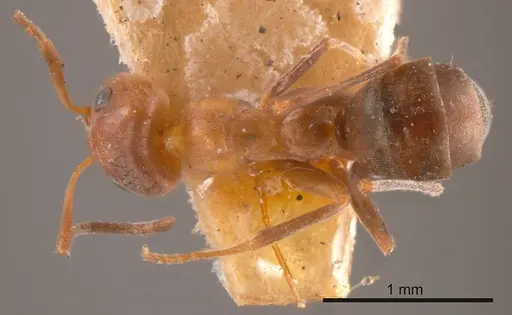
ANTWEB1008640
View on AntWeb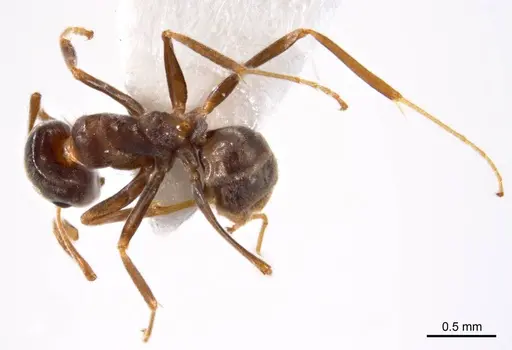
ANTWEB1008641
View on AntWeb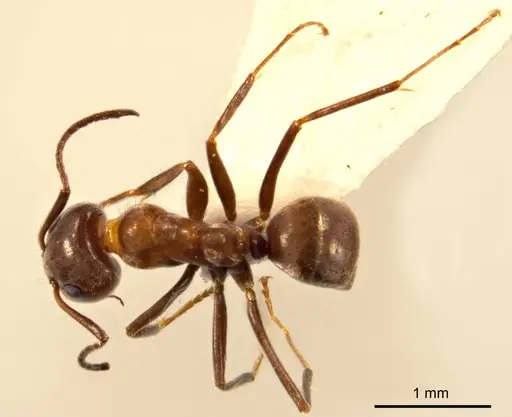
CASENT0217414
View on AntWeb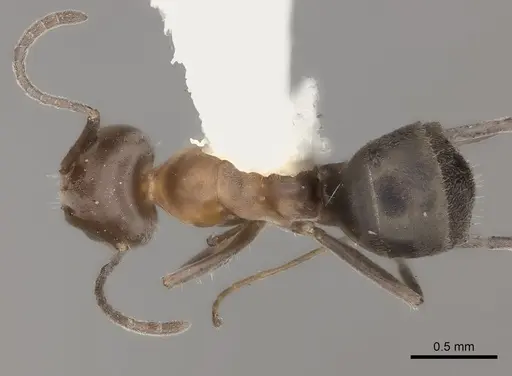
CASENT0217415
View on AntWeb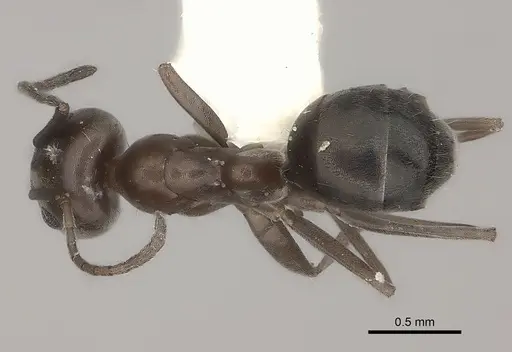
CASENT0249730
View on AntWeb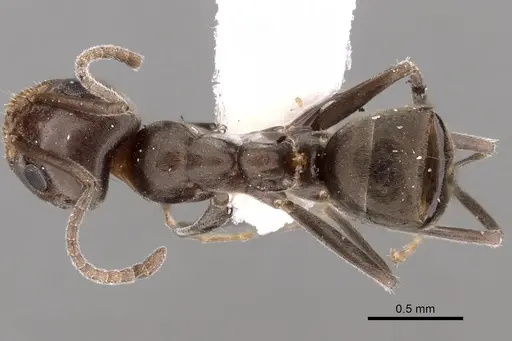
CASENT0909508
View on AntWeb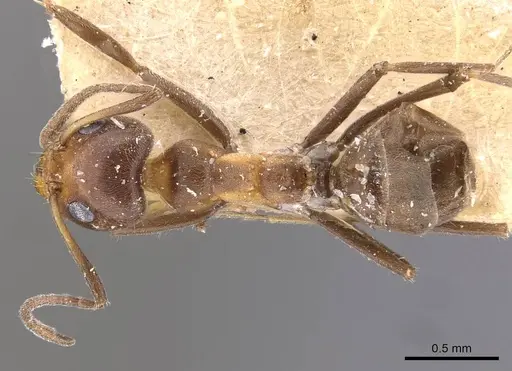
CASENT0909509
View on AntWeb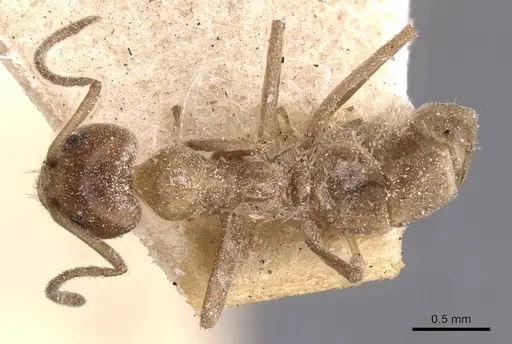
FOCOL0021
View on AntWeb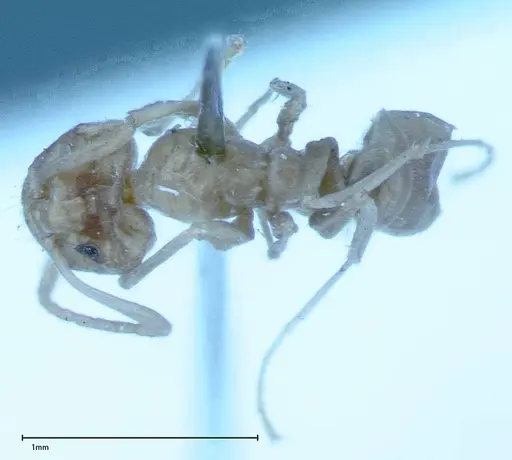
FOCOL0022
View on AntWeb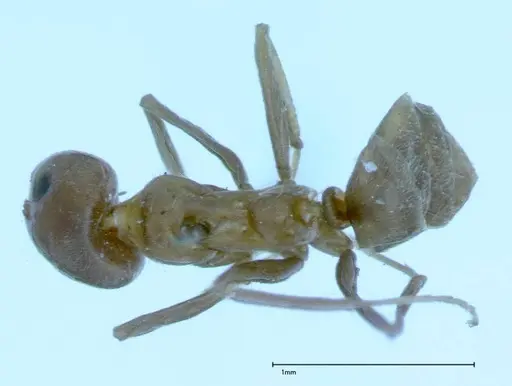
FOCOL2831
View on AntWeb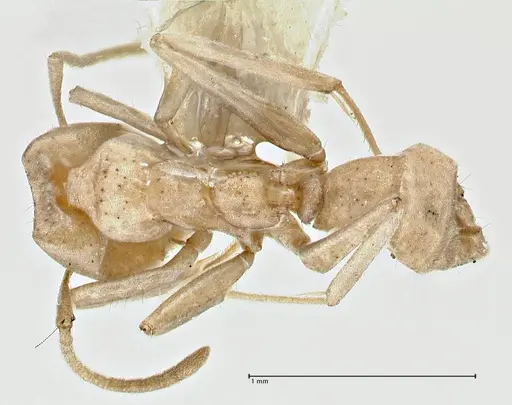
Literature
Loading...Loading products...