

Iridomyrmex minor
- Scientific Name
- Iridomyrmex minor
- Tribe
- Leptomyrmecini
- Subfamily
- Dolichoderinae
- Author
- Forel, 1915
- Distribution
- Found in 1 countries
Iridomyrmex minor Overview
Iridomyrmex minor is an ant species of the genus Iridomyrmex. It is primarily documented in 1 countries , including Australia. Detailed taxonomic data and occurrence records can be further explored via authoritative databases such as AntWeb or the Global Biodiversity Information Facility (GBIF).
Iridomyrmex minor
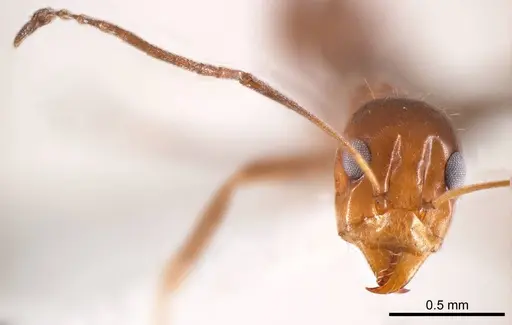
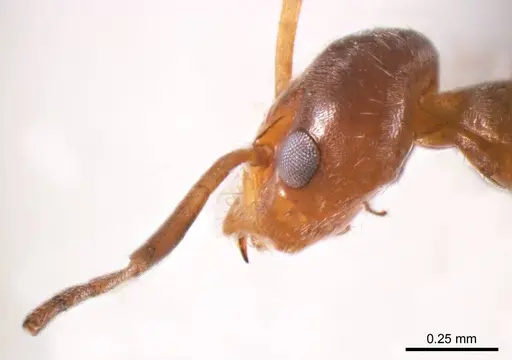
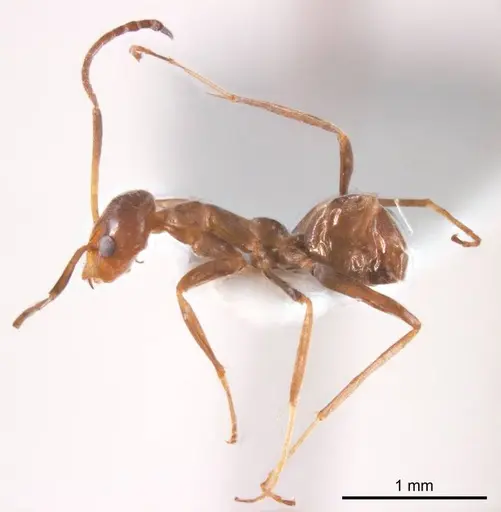
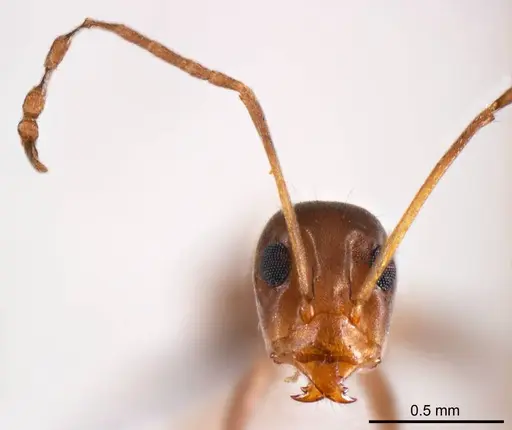
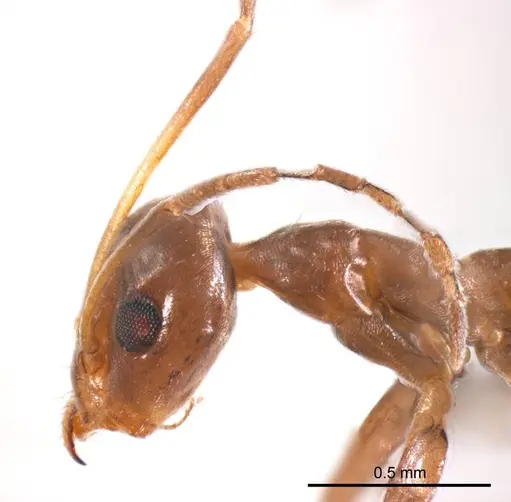
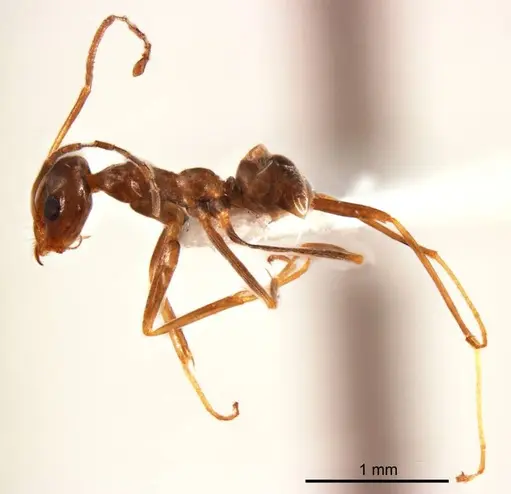
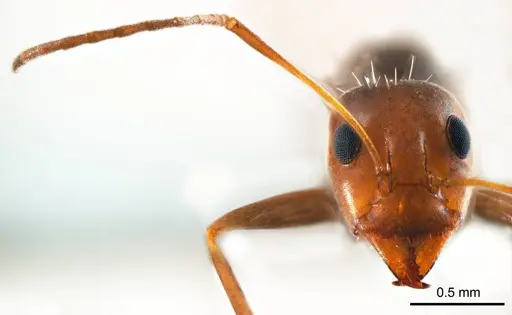
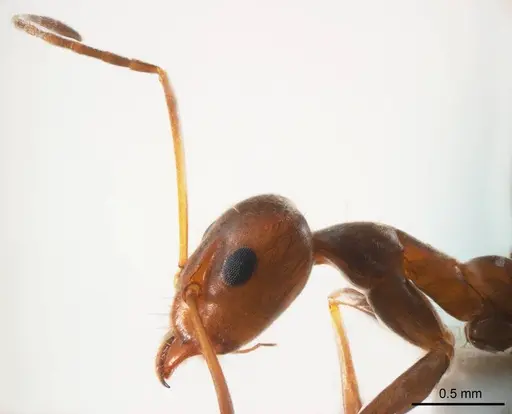
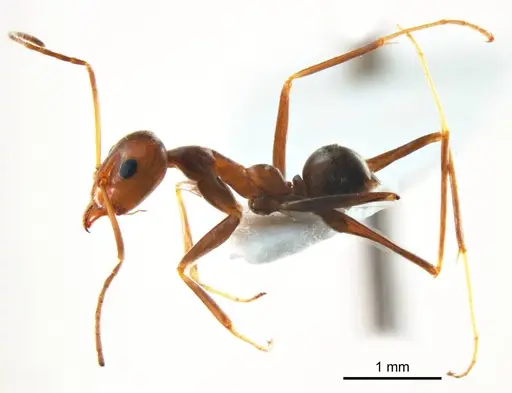
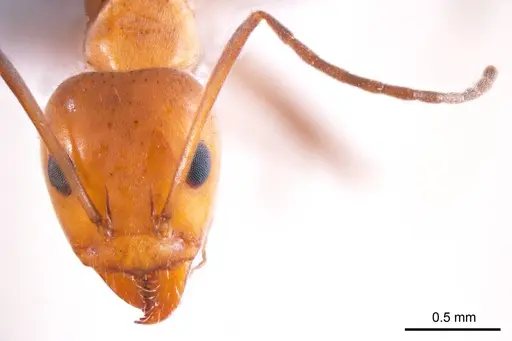
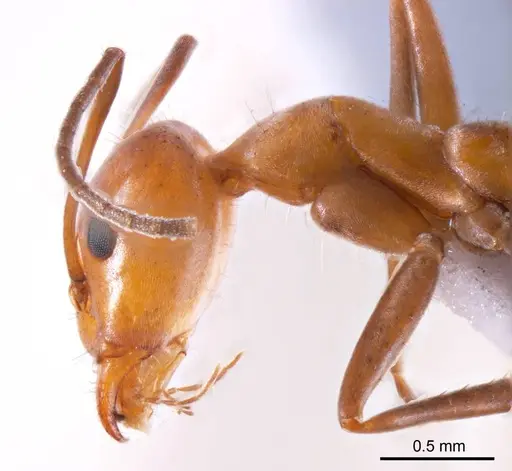
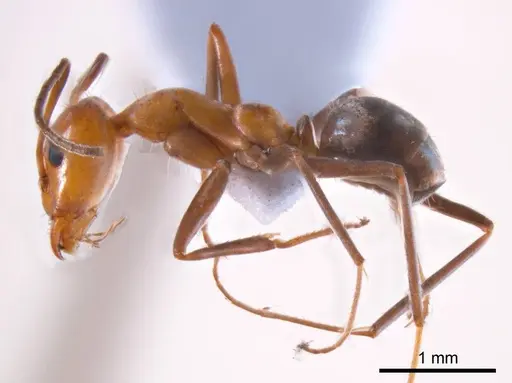
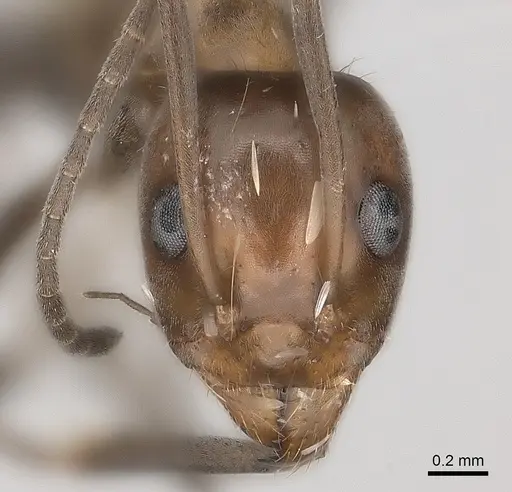
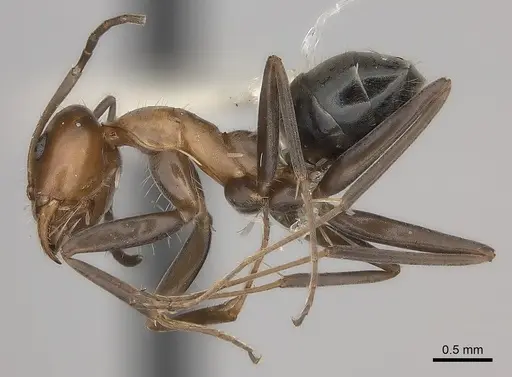
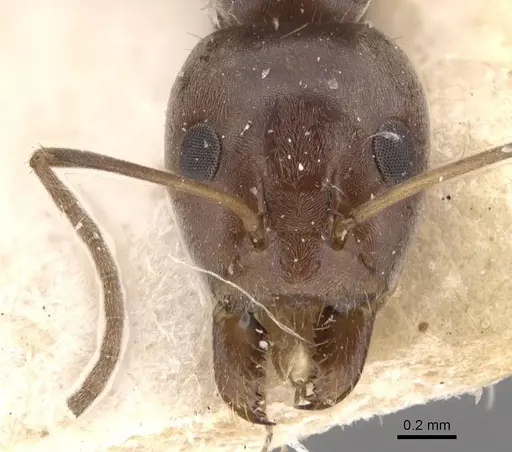
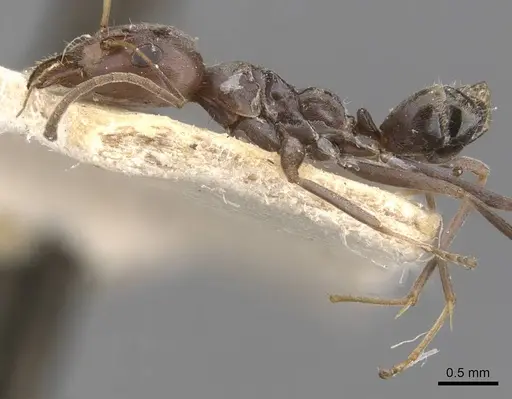
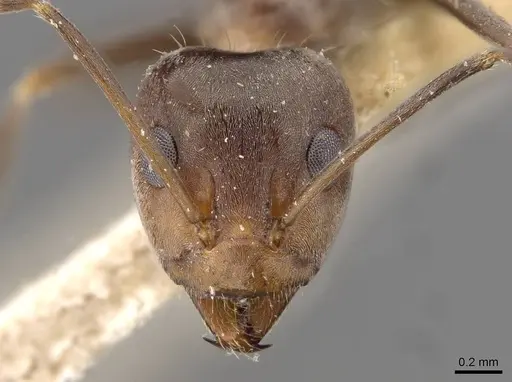
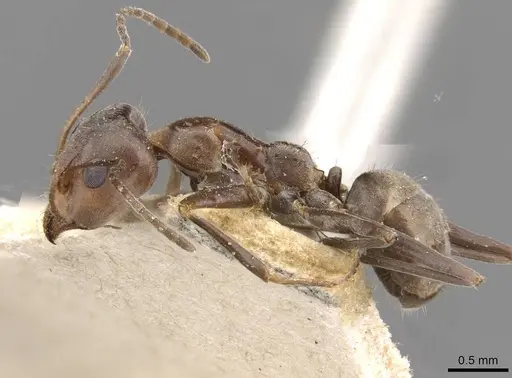
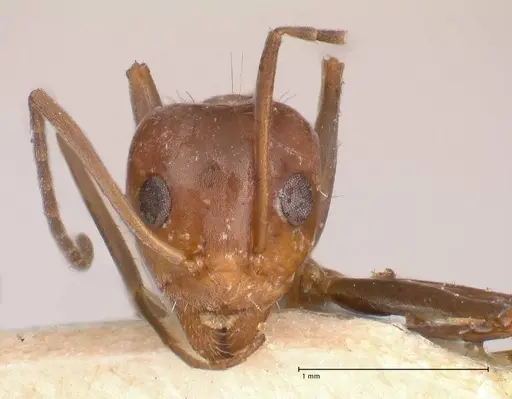
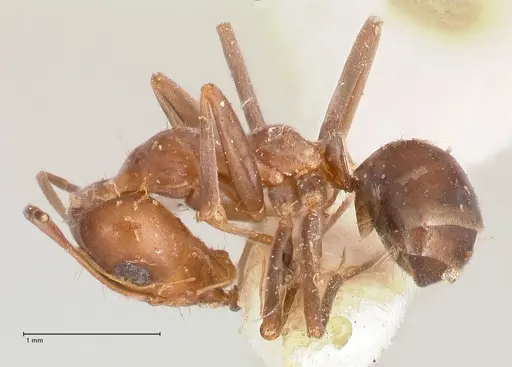
Iridomyrmex minor is a medium-sized ant native to northern and central Australia, ranging from Western Australia's Shark Bay region through the Northern Territory and Queensland to South Australia's Gawler Ranges [1]. Workers measure 0.87-1.34mm in head length and display considerable color variation across their range, typically brown to orange-brown, often with the head and foreparts showing reddish or orange coloration that contrasts with a darker gaster [1][2]. The antennal scapes are moderately long, extending beyond the posterior margin of the head by about half their length, and workers have distinctive erect setae on the posterior margin of the head [1]. This species is notable for its extraordinary morphological variation, it is considered the most difficult Iridomyrmex species to characterize externally and likely contains multiple cryptic species that appear distinct but are genetically related [1]. Along with Iridomyrmex anceps and various meat ants, this is one of the Iridomyrmex species most commonly encountered by the general public in northern Australia [1].
Quick Summary
- Difficulty: Medium
- Origin & Habitat: Northern and central Australia, found in WA (Shark Bay region), SA (Gawler Ranges), NT, and Queensland. Not present in NSW, unlikely in Victoria or Tasmania [1]. Occurs in a variety of habitats, with sandy areas preferred based on collection records. Nests are typically in soil, though at least one nest has been found under bark [1].
- Colony Type: Colony structure is not well-documented in scientific literature. Based on genus typical patterns, likely monogyne (single queen) colonies, though this requires confirmation for this specific species.
- Size & Growth:
- Queen: Not specifically documented in available research, estimated based on genus patterns at 6-8mm
- Worker: 0.87-1.34mm head length,0.74-1.21mm head width [1]
- Colony: Colony size not documented in available research. As a common, widespread species, colonies likely reach several hundred to a few thousand workers based on typical Iridomyrmex patterns.
- Growth: Moderate, inferred from related Iridomyrmex species
- Development: 6-10 weeks, estimated based on typical Dolichoderinae development at warm temperatures (Development timeline is estimated as this specific species has not been studied in detail. Related Iridomyrmex species typically develop faster in warm conditions.)
- Antkeeping:
- Temperature: Keep at 24-30°C, reflecting their Australian tropical to subtropical origin. A temperature gradient allowing warmer and cooler areas is recommended. Higher end of this range (26-30°C) will support faster brood development.
- Humidity: Moderate humidity around 50-70%. These ants prefer drier conditions compared to many tropical ants, their sandy habitat preference suggests they tolerate and likely prefer well-drained, relatively dry substrates. Provide a water tube but avoid overly damp nesting areas.
- Diapause: No, as an Australian tropical/subtropical species, they do not require true hibernation. However, slight temperature reduction during winter months (to around 20-24°C) may be appropriate if mimicking seasonal changes, but this is not required.
- Nesting: Soil-nesting species that prefers sandy substrates. In captivity, a Y-tong (AAC) nest or plaster nest with sand-filled chambers works well. They will also accept test tube setups with sand as substrate. Provide a dry to moderately moist nesting area with access to an outworld for foraging.
- Behavior: Active foragers that likely exploit honeydew and small insects, typical of Iridomyrmex genus. Workers are moderately aggressive when defending the colony but not particularly dangerous to humans, they may bite but have no potent sting. Their small size (under 1.5mm) means escape prevention is important, they can squeeze through small gaps. They are fast-moving and active, typical of dolichoderine ants.
- Common Issues: escape prevention is critical due to their very small size, use fine mesh and tight-fitting lids, colonies may be slow to establish initially, patience is required during founding phase, overheating is a risk given their origin, avoid temperatures above 32°C, wild-caught colonies may harbor parasites that can cause colony failure in captivity, their cryptic species status means wild-caught colonies may include multiple similar species
Housing and Nest Setup
Iridomyrmex minor is a soil-nesting ant that prefers sandy substrates in its natural habitat [1]. For captive care, a Y-tong (AAC) nest filled with a sand/soil mixture works well, or you can use a plaster nest with sand incorporated into the chambers. Test tube setups with sand at the bottom are also suitable for founding colonies. The key is providing a relatively dry to moderately moist substrate, these ants come from areas where sandy, well-drained soils are preferred. The nesting area should be kept darker to encourage the colony to remain inside, with a clearly defined outworld for foraging. Because workers are very small (under 1.5mm), escape prevention is critical, use fine mesh on any ventilation holes and ensure all connections between nest and outworld are sealed tightly.
Feeding and Diet
Like other Iridomyrmex species, I. minor likely has an omnivorous diet typical of dolichoderine ants, they probably feed on honeydew from sap-sucking insects, nectar from plants, and small insects or other protein sources. In captivity, offer a mix of sugar sources (sugar water, honey, or honey water) and protein sources (small crickets, mealworms, fruit flies, or other small insects). Feed sugar sources constantly and protein 2-3 times per week, adjusting based on colony size and consumption. Remove uneaten protein after 24-48 hours to prevent mold. Given their small worker size, prey items should be appropriately sized, fruit flies and small crickets are ideal.
Temperature and Heating
As a species native to northern and central Australia, Iridomyrmex minor thrives in warm conditions. Maintain temperatures between 24-30°C, with the higher end of this range (26-30°C) promoting faster brood development. You can achieve this using a heating cable or heating mat placed on one side of the nest to create a temperature gradient, allowing the ants to self-regulate by moving between warmer and cooler areas. Avoid temperatures above 32°C as this can stress or kill the colony. Room temperature may be sufficient in warm climates, but most keepers will need supplemental heating. Place the heating element on top of the nest rather than underneath to avoid drying out the substrate too quickly. [1]
Colony Establishment and Growth
This species is widespread and common across its range, being one of the most frequently encountered ants in northern Australia [1]. However, specific details about colony founding and development are not well-documented in scientific literature. Based on typical Iridomyrmex patterns, the queen likely seals herself in a claustral chamber and raises the first brood alone, living off stored fat reserves until nanitic (first) workers emerge. Colonies likely grow to several hundred or a few thousand workers over time. The significant morphological variation in this species (it may contain cryptic taxa) means that wild-caught colonies could potentially include multiple similar-looking species [1]. Patience is important during the founding phase, as colonies may take several months to establish firmly.
Behavior and Temperament
Iridomyrmex minor is an active forager with workers that move quickly and cover ground efficiently, typical behavior for dolichoderine ants. Workers are moderately aggressive when defending the colony but pose minimal danger to keepers, they may bite but lack a potent sting. Their small size makes them excellent escape artists, so vigilance with escape prevention is essential. They are likely tolerant of some disturbance but will respond defensively if their nest is threatened. The species is highly variable in appearance across its range, with dramatically different color patterns in different populations [1], this is normal variation within the species and not a cause for concern.
Frequently Asked Questions
Is Iridomyrmex minor a good ant for beginners?
Iridomyrmex minor is rated as medium difficulty, they are more challenging than common beginner species like Lasius or Tetramorium but not as demanding as specialized predators. Their small size requires attention to escape prevention, and their specific temperature needs mean you'll need to provide heating. If you're comfortable with basic antkeeping and can maintain warm temperatures, they can be a rewarding species to keep.
What temperature do Iridomyrmex minor ants need?
Keep them at 24-30°C, with 26-30°C being ideal for active growth. This reflects their Australian tropical to subtropical origin. Use a heating cable or mat on one side of the nest to create a gradient, and avoid temperatures above 32°C.
How long does it take for Iridomyrmex minor to produce first workers?
Exact development time is not documented, but based on related Iridomyrmex species, expect 6-10 weeks from egg to first worker at warm temperatures (26-30°C). The founding phase may take several months before you see nanitic workers.
What do Iridomyrmex minor ants eat?
Like other Iridomyrmex species, they are omnivorous. Offer sugar sources (honey water, sugar water) constantly and protein sources (small crickets, fruit flies, mealworms) 2-3 times per week. They likely also collect honeydew in the wild.
How big do Iridomyrmex minor colonies get?
Exact colony size is not documented, but based on typical Iridomyrmex patterns and their status as a common, widespread species, colonies likely reach several hundred to a few thousand workers.
Do Iridomyrmex minor ants need hibernation?
No, as an Australian tropical to subtropical species, they do not require true hibernation. You can maintain them at their normal warm temperatures year-round. Some keepers reduce temperatures slightly in winter (to around 20-24°C), but this is not required.
What size escape prevention do I need for Iridomyrmex minor?
Excellent escape prevention is essential. Workers are very small (under 1.5mm) and can squeeze through tiny gaps. Use fine mesh (at least #100 mesh), ensure all lids fit tightly, and check all connections between nest and outworld for gaps. Even small gaps will result in escapes.
Can I keep multiple Iridomyrmex minor queens together?
The colony structure of this species is not well-documented. Based on typical Iridomyrmex patterns, they likely form single-queen colonies. Combining unrelated foundress queens is not recommended as it has not been studied for this species and could result in fighting.
Why do my Iridomyrmex minor ants look different from pictures?
This is completely normal! Iridomyrmex minor is one of the most morphologically variable ant species in Australia, with dramatically different color patterns across different populations [1]. Some populations are brown, others orange, some have reddish heads. This variation is within normal species range and does not indicate you have a different species.
References

This caresheet is licensed under CC BY-SA 4.0 .
ANTWEB1008647
View on AntWeb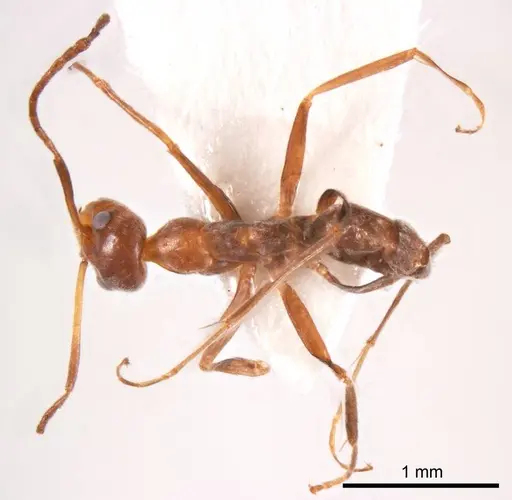
ANTWEB1008648
View on AntWeb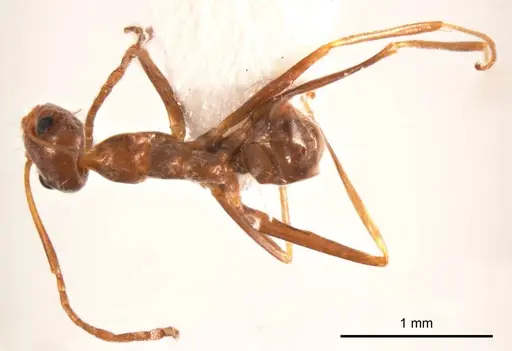
ANTWEB1008649
View on AntWeb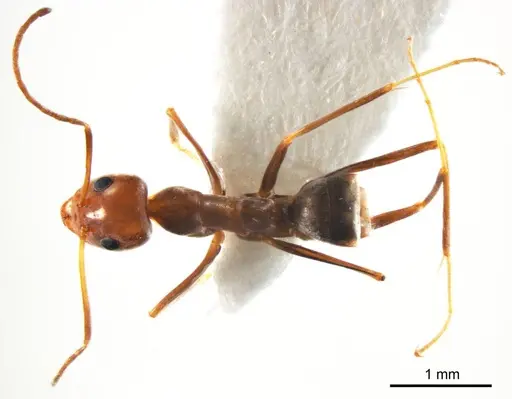
ANTWEB1008650
View on AntWeb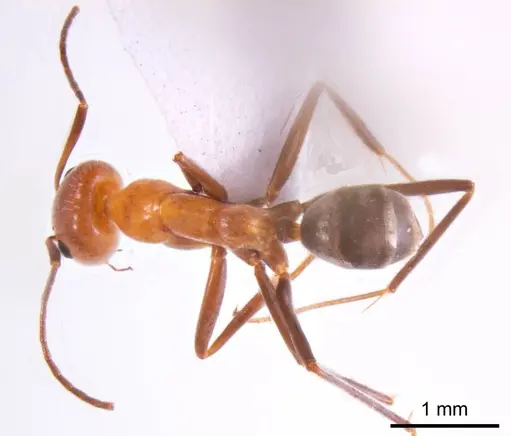
CASENT0217416
View on AntWeb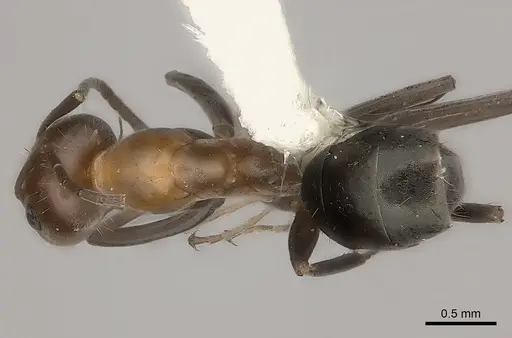
CASENT0907613
View on AntWeb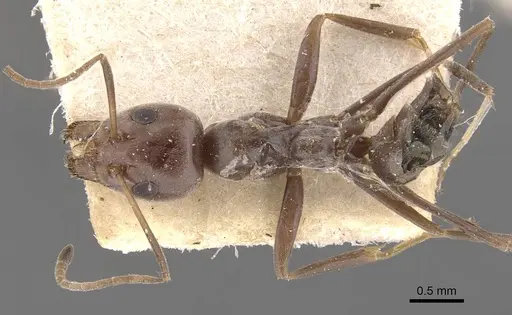
CASENT0909532
View on AntWeb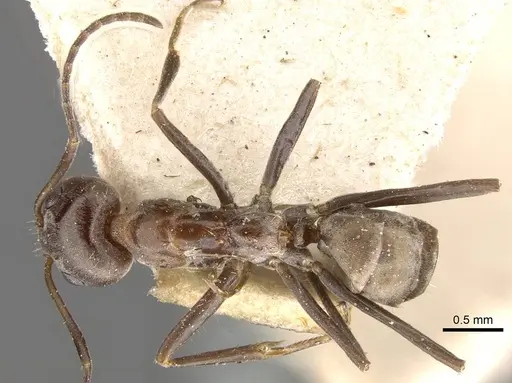
FOCOL0713
View on AntWeb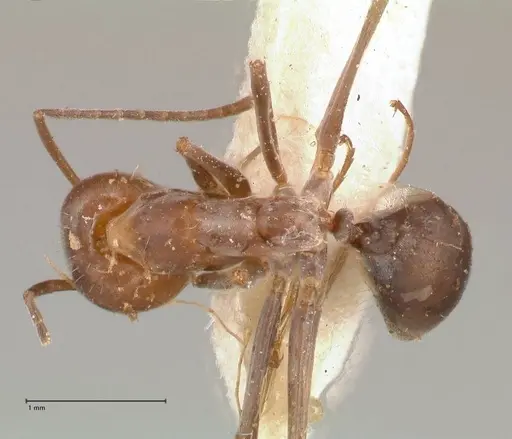
Literature
Loading...Loading products...