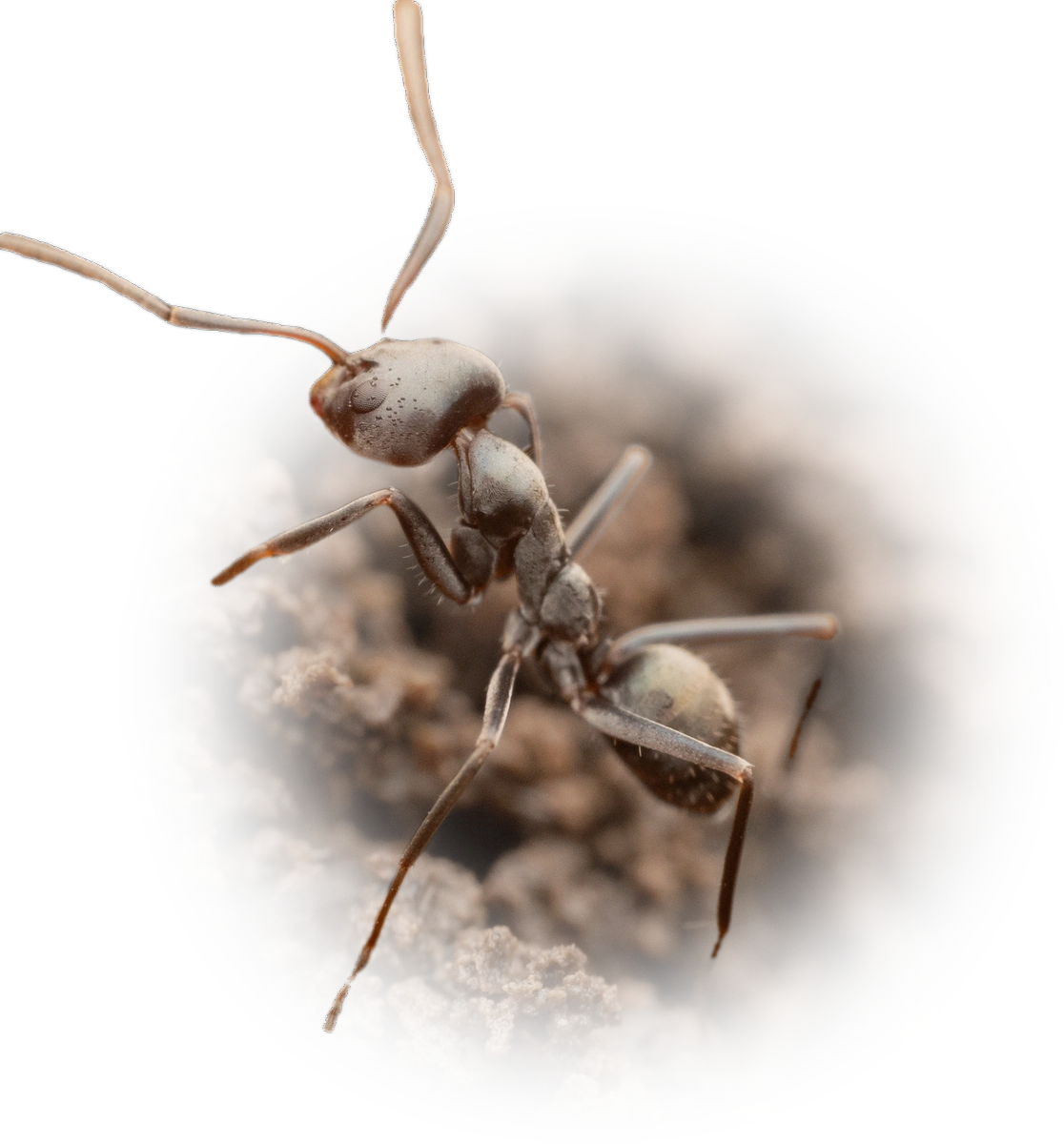

Iridomyrmex anceps
- Scientific Name
- Iridomyrmex anceps
- Tribe
- Leptomyrmecini
- Subfamily
- Dolichoderinae
- Author
- Roger, 1863
- Common Name
- Asian Tyrant Ant
- Distribution
- Found in 13 countries
Iridomyrmex anceps Overview
Iridomyrmex anceps (commonly known as the Asian Tyrant Ant) is an ant species of the genus Iridomyrmex. It is primarily documented in 13 countries , including Australia, China, Fiji. Detailed taxonomic data and occurrence records can be further explored via authoritative databases such as AntWeb or the Global Biodiversity Information Facility (GBIF).
Iridomyrmex anceps - "Asian Tyrant Ant"
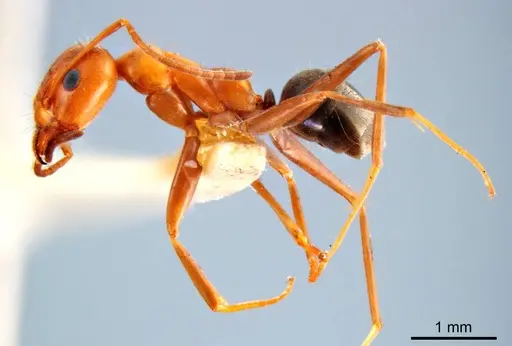
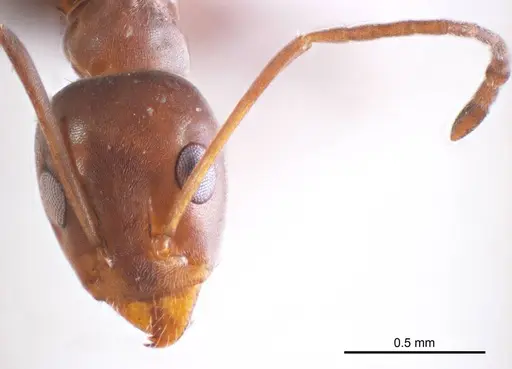
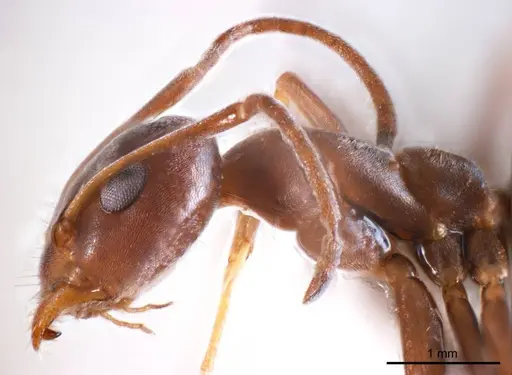
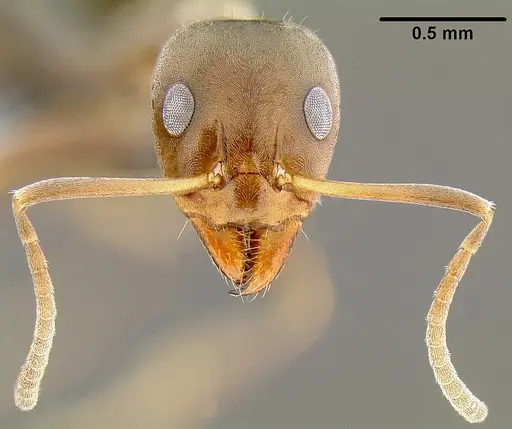
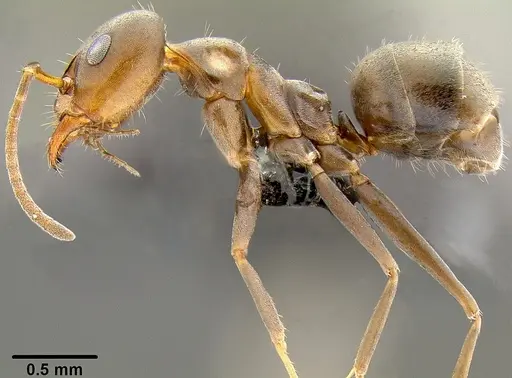
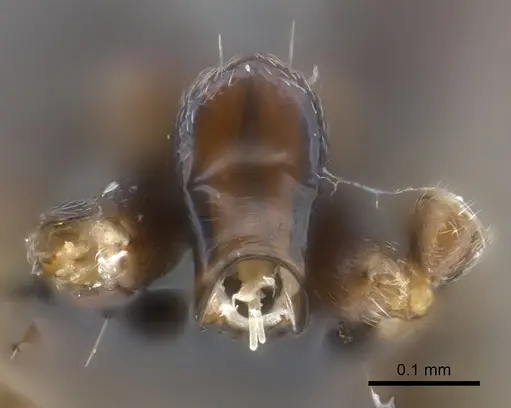
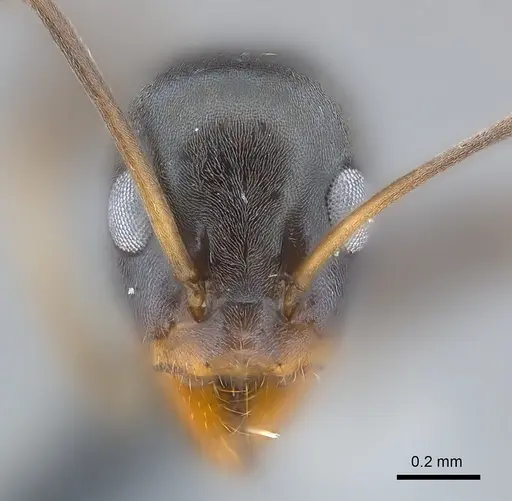
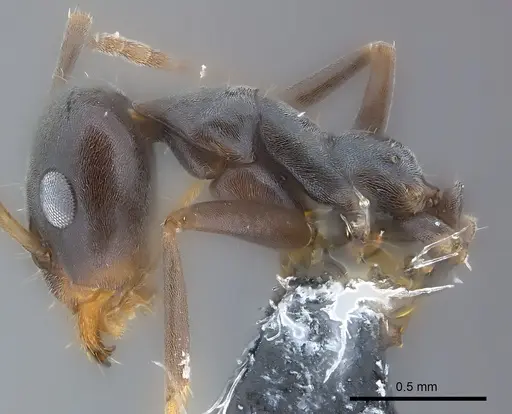
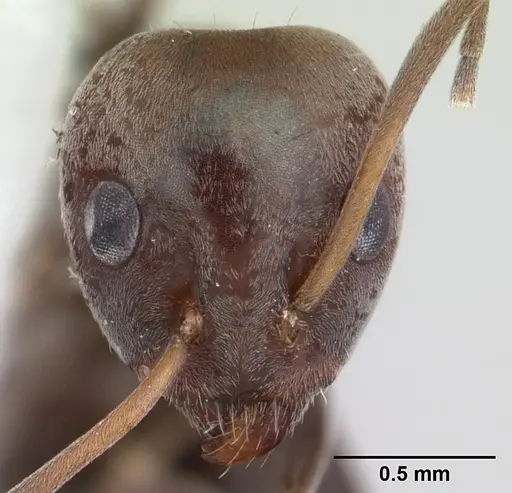
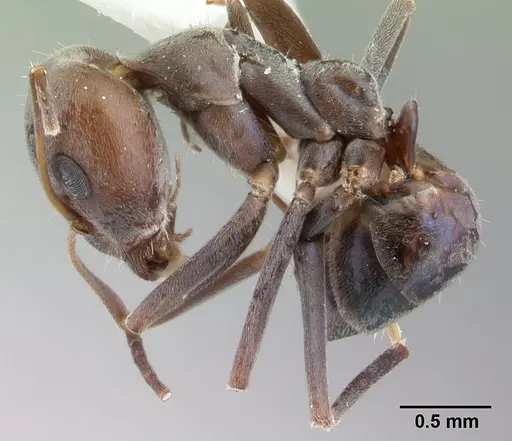
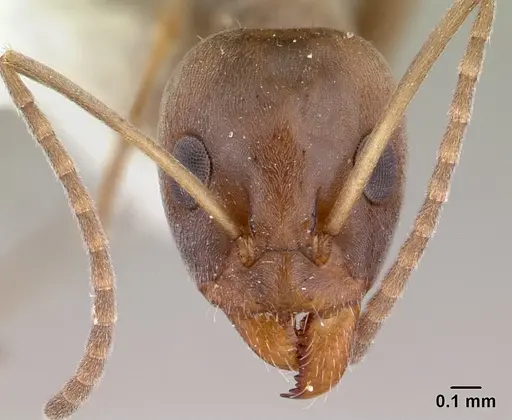
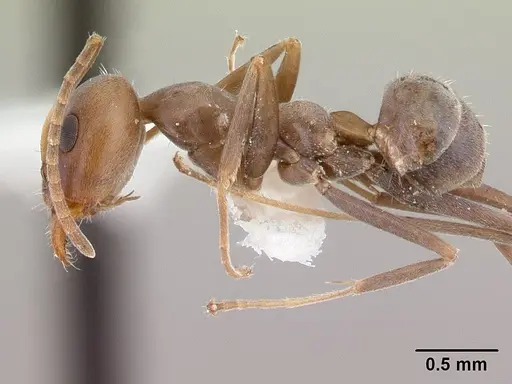
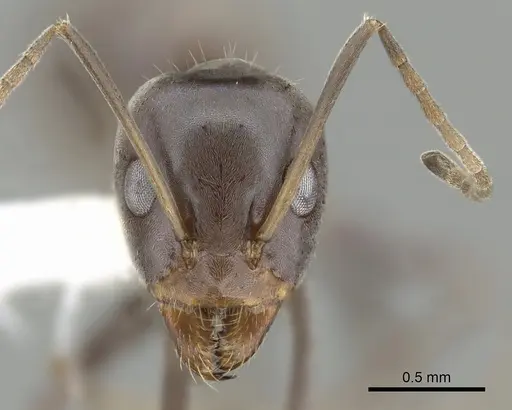
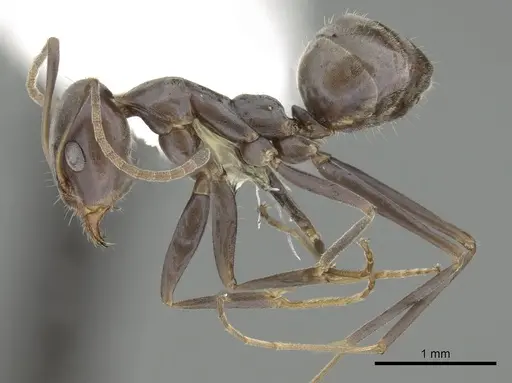
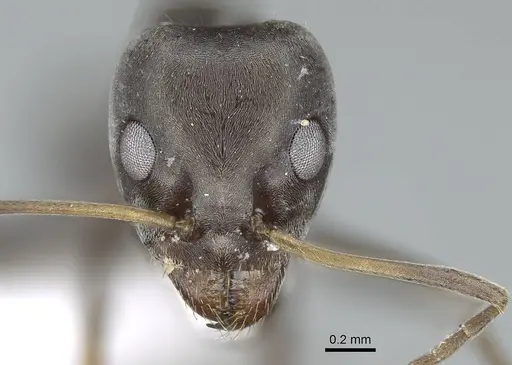
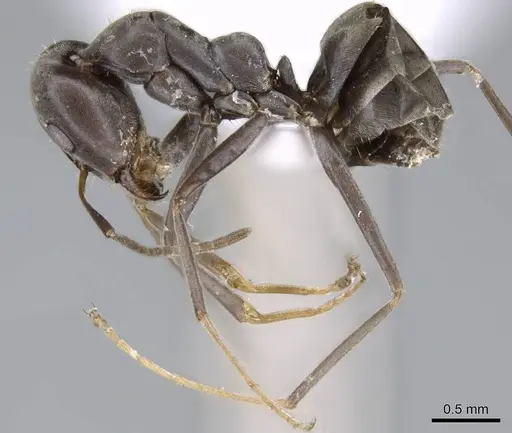
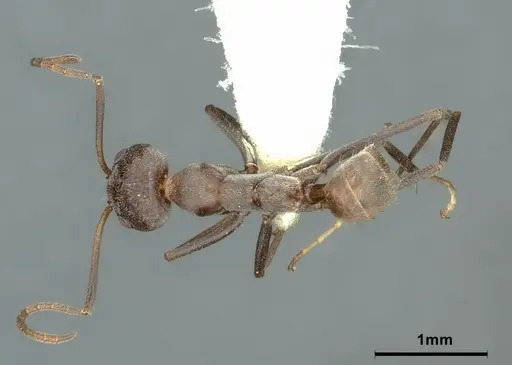
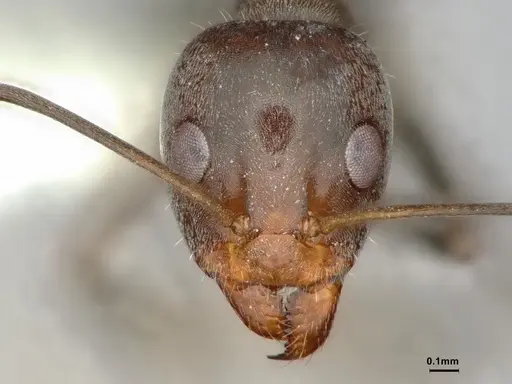
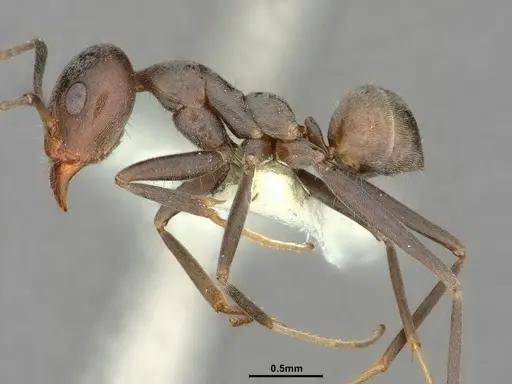
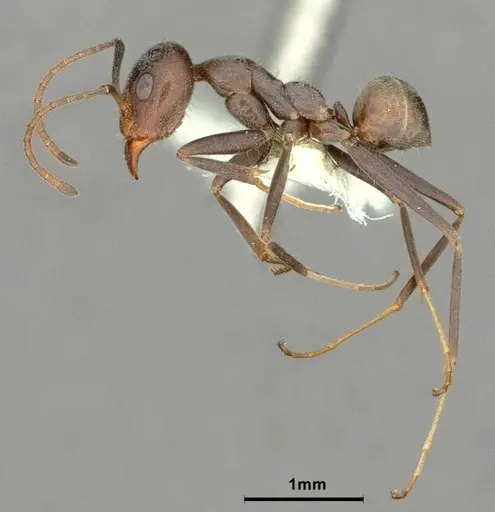
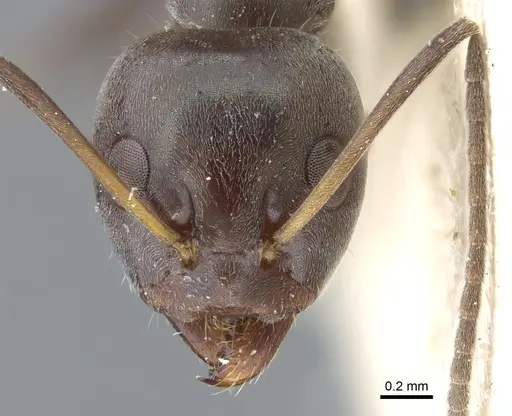
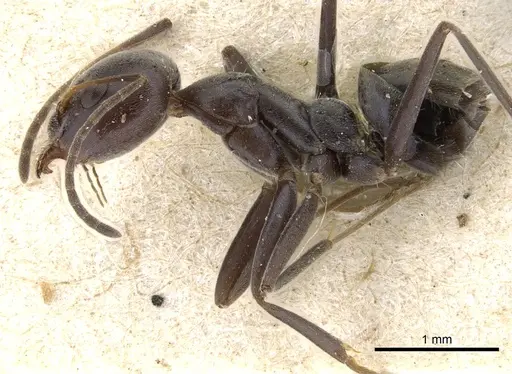
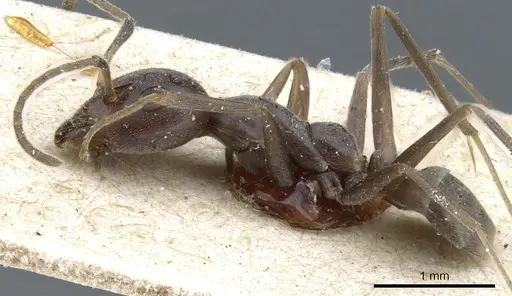
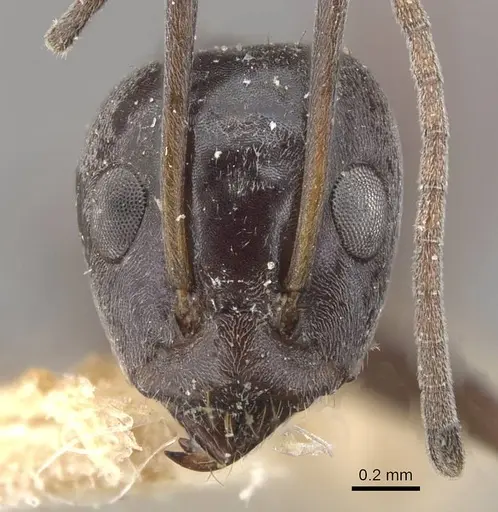
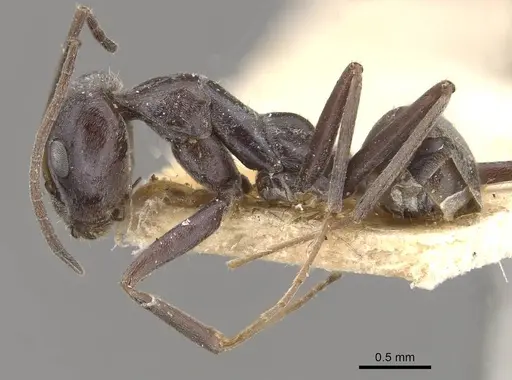
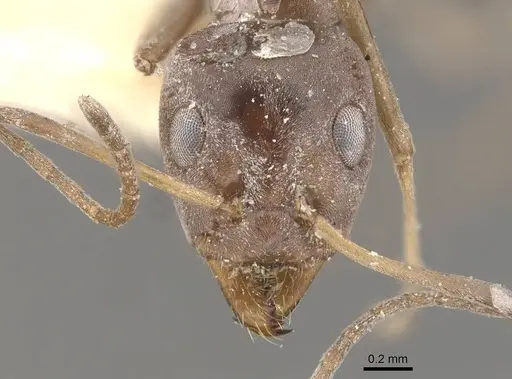
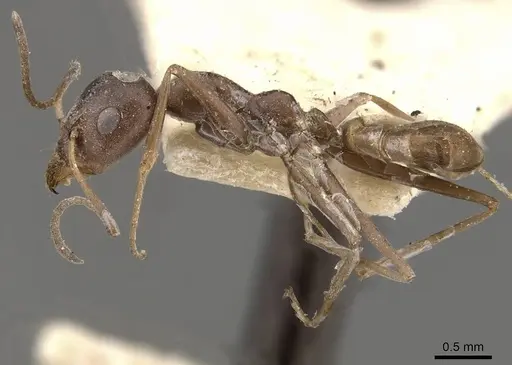
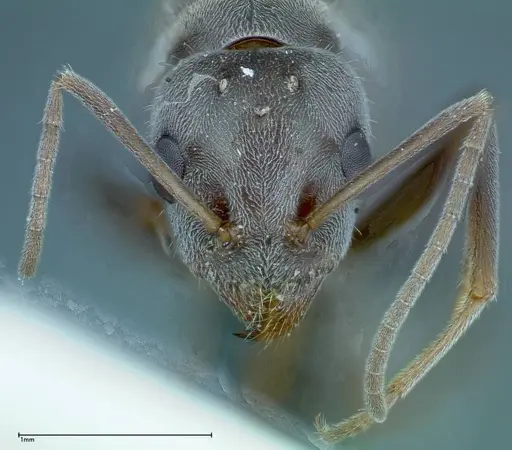
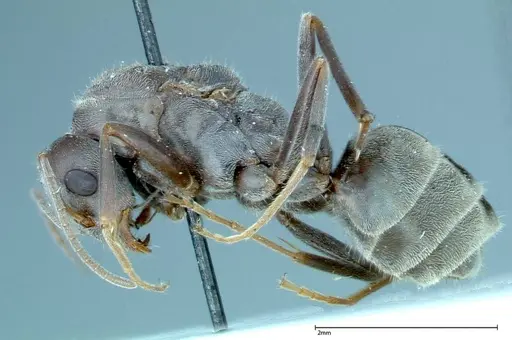
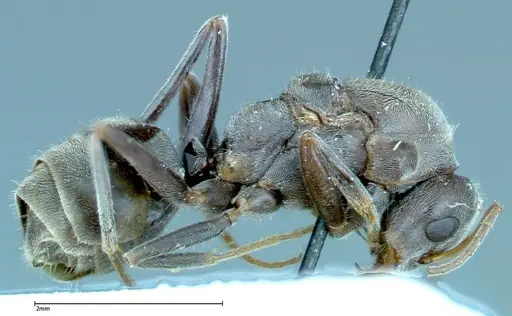
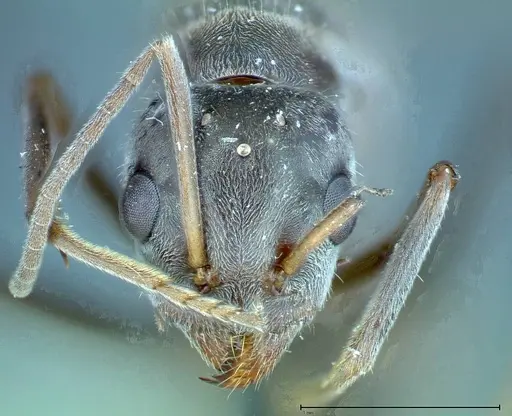
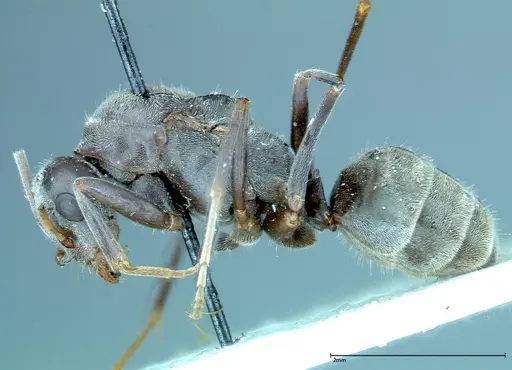
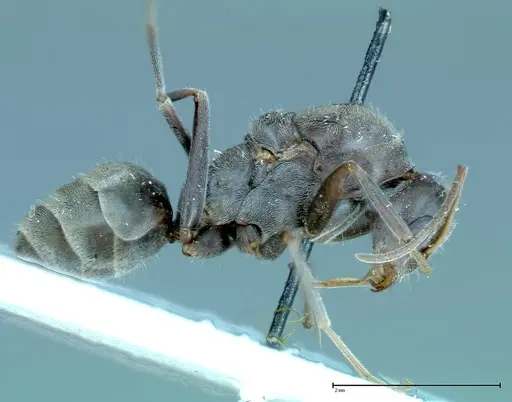
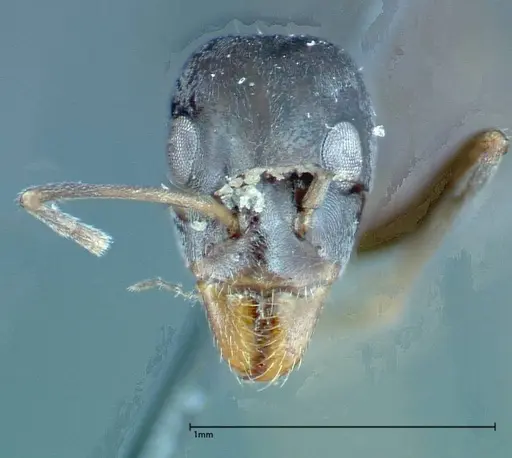
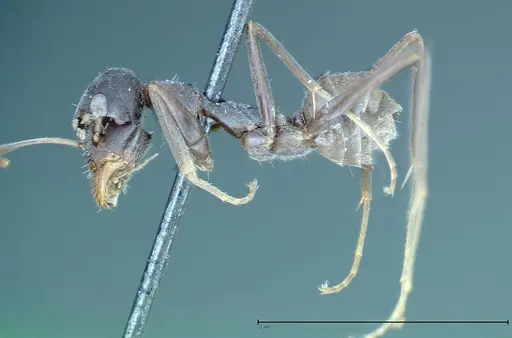
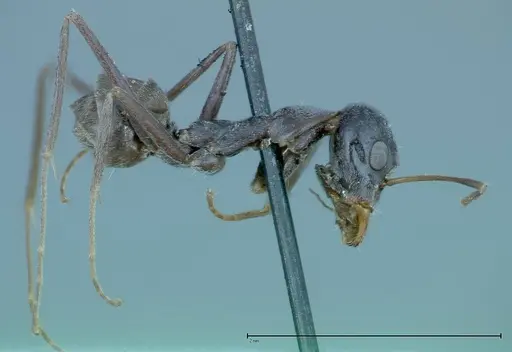
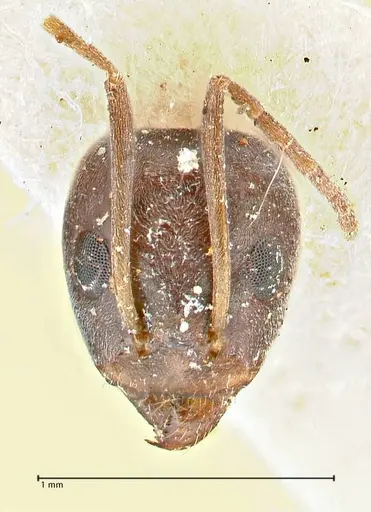
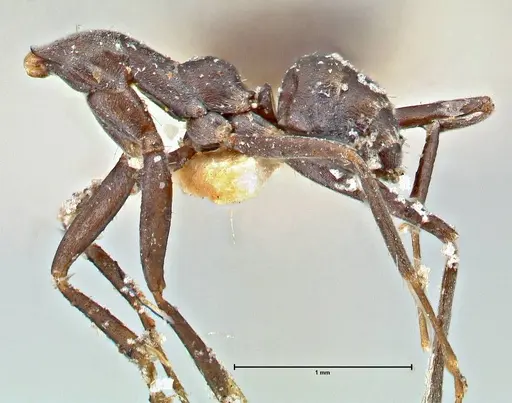
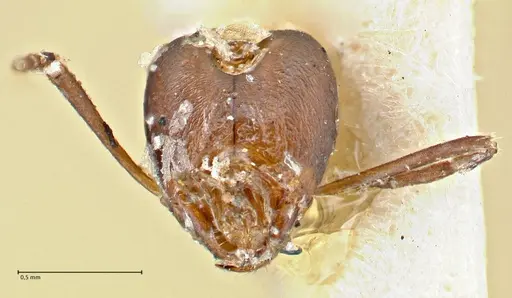
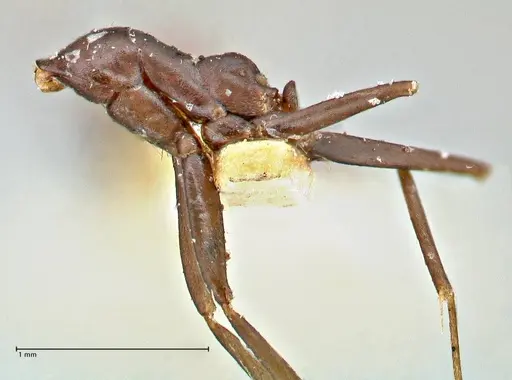
Iridomyrmex anceps is a medium-sized, nondescript brown ant that has caused significant taxonomic confusion over the years. Workers measure 3-4mm and are uniform brown to dark brown, often with a subtle coppery sheen. The key identifying features include relatively long antennal scapes that extend past the back of the head, and a small projection on the front of the clypeus (the plate above the mandibles). This species is one of the most widespread ants in the world, found throughout northern Australia, Southeast Asia, the Pacific islands, and into South Asia [1].
What makes this ant particularly interesting is that it's now recognized as a species complex with at least five distinct morphotypes (labeled sp. A through sp. E) that occur in different regions. Australian populations (sp. A) are the most common, while Southeast Asian populations (sp. D) appear to be the most widespread in that region [2]. Additionally, this species shows fascinating rescue behavior, when trapped or stuck, workers will actively work to free their nestmates, though this response varies depending on the type of threat [3].
Quick Summary
- Difficulty: Easy
- Origin & Habitat: Northern Australia and widespread across the Pacific and Southeast Asia. Found near the coast and at wetter inland sites in Australia, throughout the Pacific islands, China, India, Malaysia, and Southeast Asia. In Australia it's almost ubiquitous in northern regions. [1][4]
- Colony Type: Colony structure is variable, colonies can have multiple queens (documented with 1-3 wingless females per nest in some populations) and typically contain 37-3,012 workers [5]. The species complex means colony structure may vary among the different morphotypes.
- Colony: Polygyne
- Founding: Claustral
- Size & Growth:
- Queen: 6.5-7.5mm [5]
- Worker: 3.0-4.0mm [5][1]
- Colony: Up to ~3,000 workers per colony [5]
- Growth: Moderate, fast for tropical species
- Development: Estimated 4-6 weeks at tropical temperatures (based on typical Dolichoderinae development) (Sexual ants (alates) appear in June. No specific development data available for this species, but tropical Dolichoderinae typically develop relatively quickly.)
- Antkeeping:
- Temperature: Keep at 22-28°C. This is a tropical/subtropical species that thrives in warm conditions. Room temperature (around 24°C) is ideal. A slight temperature gradient allows workers to choose their preferred zone.
- Humidity: Moderate humidity around 50-70%. These ants are adaptable and found in both wet and drier habitats. Keep the nest substrate slightly moist but not waterlogged.
- Diapause: No, being a tropical species, they do not require hibernation. They remain active year-round if kept warm.
- Nesting: Natural nesting occurs in the ground and in tree hollows. In captivity, test tubes work well for founding colonies. For established colonies, a Y-tong (AAC) or plaster nest provides appropriate humidity control. They can adapt to various nest types.
- Behavior: These ants are very fast-moving and active foragers. They are generalist feeders that hunt small insects and tend aphids for honeydew. Workers show aggressive behavior at food sources and can dominate baits [6]. They are known to be poor recruiters to food items compared to some other Iridomyrmex species [7]. A notable behavior is rescue behavior, when trapped (such as in sand or debris), workers will actively work to free their trapped nestmates [3]. They are not particularly large or aggressive, but their speed makes them effective predators.
- Common Issues: fast movement makes them escape risks, use tight-fitting lids and barrier gel, confusion with other Iridomyrmex species, ensure correct identification, tropical species cannot tolerate cold, keep above 20°C, colonies may be slow to establish initially, introduced populations in some areas may be regulated, check local laws
Housing and Nest Setup
Iridomyrmex anceps adapts well to various captive setups. For founding colonies, a standard test tube setup works perfectly, fill a test tube one-third with water, plug with cotton, then introduce the queen. The cotton should be tight enough to prevent the queen from pushing through but allow moisture to diffuse. For larger colonies, a Y-tong (acrylic ant castle) or plaster formicarium provides better space and humidity control. These ants prefer nests with some moisture but not saturated conditions. A small water reservoir or sponge in the outworld helps maintain humidity. Because they're fast movers, ensure all connections between the nest and outworld are secure, these ants will find and exploit any gap. Use fluon or petroleum jelly on the edges of connections as a barrier. [5]
Feeding and Diet
As generalist foragers, these ants accept a wide variety of foods. Protein sources should include small insects like fruit flies, small crickets, and mealworm pieces. They are confirmed to feed on honeydew from aphids (particularly Aphis gossypii) in the wild [8][9], so they will readily accept sugar water or honey. Offer protein foods 2-3 times per week and keep a sugar source (honey water or sugar water) constantly available. They are active hunters and will take down small live prey. In captivity, they can also act as pollinators, they've been observed pollinating Jatropha curcas flowers in China [10]. Remove uneaten prey after 24 hours to prevent mold.
Temperature and Seasonal Care
Being a tropical species, Iridomyrmex anceps does best at temperatures between 22-28°C. They are found throughout the tropics and subtropics, so they have no diapause requirement and remain active year-round when kept warm. Room temperature in most homes (around 24°C) is ideal. If your room is cooler, use a heating cable on one side of the nest to create a gentle gradient, never place heat directly on the nest as it can dry them out and kill the colony. In winter, ensure temperatures don't drop below 18°C for extended periods. Sexual alates (reproductives) typically appear in June in temperate zone captive colonies [5].
Behavior and Temperament
These ants are characterized by their speed, they are noted as very fast-moving insects in the literature [11]. Workers show aggressive behavior at food sources and can dominate baits, though they're not considered as strong recruiters as some other Dolichoderines [7]. A particularly interesting behavior is rescue behavior, when workers become trapped in sand or debris (simulating falling into ant lion pits or nest collapse), their nestmates will actively work to free them [3]. This demonstrates sophisticated social cooperation. They are not particularly large or dangerous to humans, being small brown ants, they pose no sting threat to keepers. Their speed and small size mean escape prevention is important.
Identification and the Species Complex
One of the most important things to understand about Iridomyrmex anceps is that it's now recognized as a species complex with at least five distinct morphotypes (labeled sp. A through sp. E) [2]. These different types occur in different regions: sp. A is the common Australian form, sp. B occurs in North Queensland and PNG, sp. C and D are from Timor and Southeast Asia, and sp. E is from Singapore. Chinese specimens are designated sp. F. The main distinguishing feature is relative antennal scape length. This taxonomic complexity explains why this species has been confused with many other Iridomyrmex over the years. If you're keeping this species, know that you may have one of several closely related species rather than the "true" I. anceps.
Frequently Asked Questions
How long does it take for Iridomyrmex anceps to produce first workers?
Based on typical tropical Dolichoderinae development, expect first workers (nanitics) in about 4-6 weeks after the queen lays eggs, provided temperatures are maintained at 24-28°C. The exact timeline isn't specifically documented for this species.
Can I keep multiple queens together?
This species appears to be polygynous in the wild, with colonies documented having 1-3 wingless females. However, combining unrelated foundress queens in captivity can be risky, they may fight. If you want to try, introduce them in a large space with multiple founding chambers and monitor closely.
What do Iridomyrmex anceps eat?
They are generalist feeders. Offer small insects (fruit flies, small crickets, mealworms) for protein, and keep sugar water or honey available constantly. They also tend aphids in the wild, so they'll readily accept honeydew substitutes.
Do they need hibernation?
No. Being a tropical species, they do not require hibernation or winter cooling. Keep them warm (22-28°C) year-round.
Are Iridomyrmex anceps good for beginners?
Yes, they are considered an easy species to keep. They're adaptable, accept a wide variety of foods, and don't require special care like hibernation. The main challenges are their fast speed (escape prevention) and the taxonomic confusion around correct identification.
How big do colonies get?
Colonies can reach approximately 3,000 workers [5]. This is a moderate colony size for a medium-sized ant.
Why are my ants dying?
Common causes include: cold temperatures (keep above 20°C), too dry or too wet conditions, escape/stress from handling, or poor nutrition. Ensure proper temperature, adequate protein feeding, and proper humidity. Also verify you have correctly identified the species.
When will my colony produce alates?
In captivity, sexual alates (males and queens) typically appear in summer, with June being documented in the wild [5]. Well-fed colonies at warm temperatures are more likely to produce reproductives.
References

This caresheet is licensed under CC BY-SA 4.0 .
ANTWEB1008635
View on AntWeb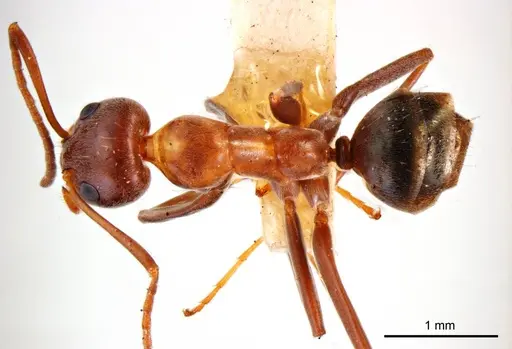
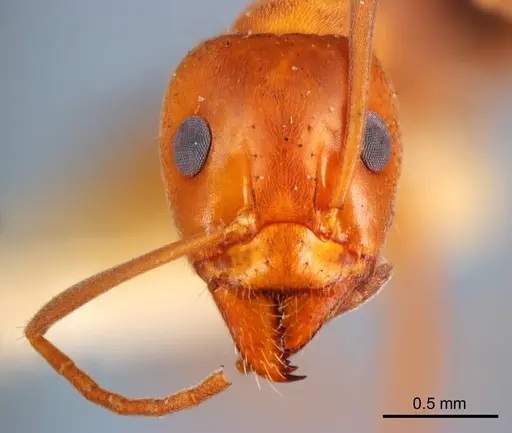
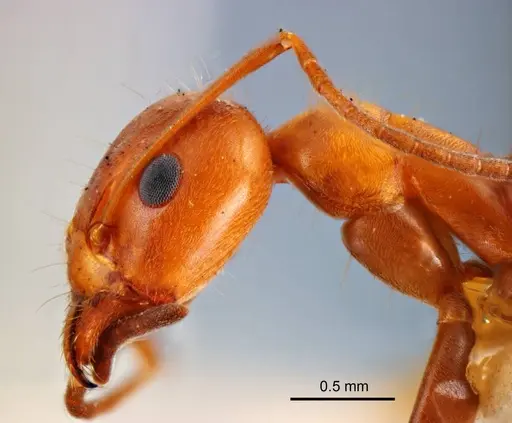
ANTWEB1008637
View on AntWeb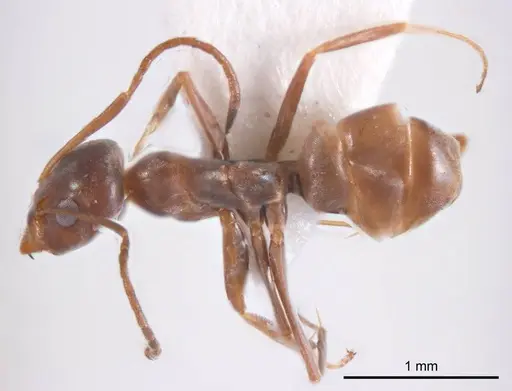
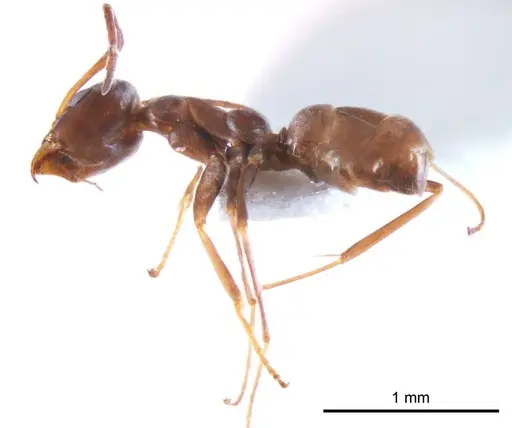
ANTWEB1008638
View on AntWeb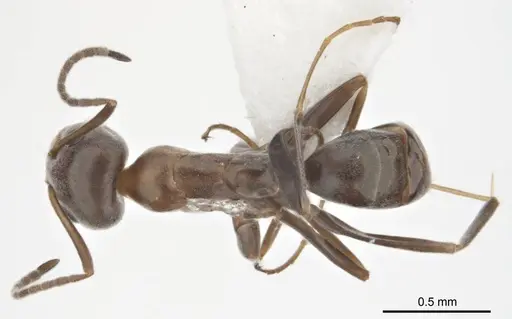
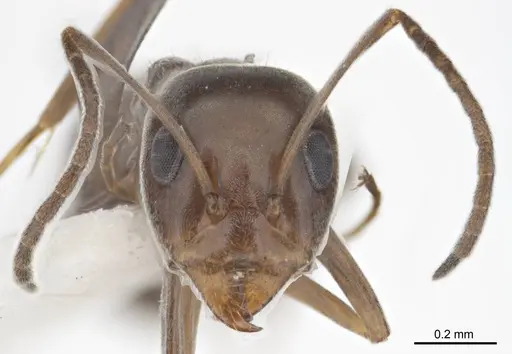
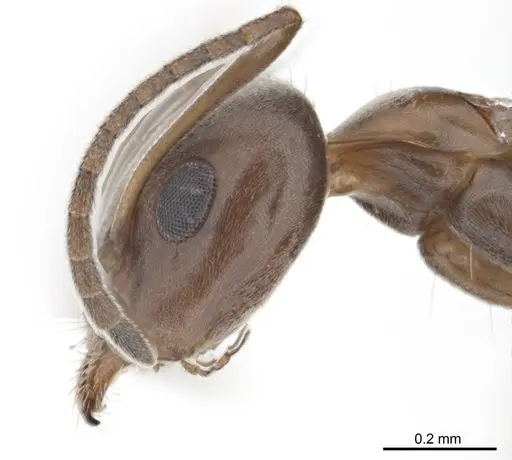
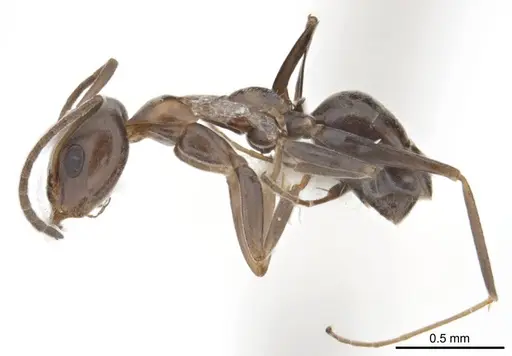
CASENT0012697
View on AntWeb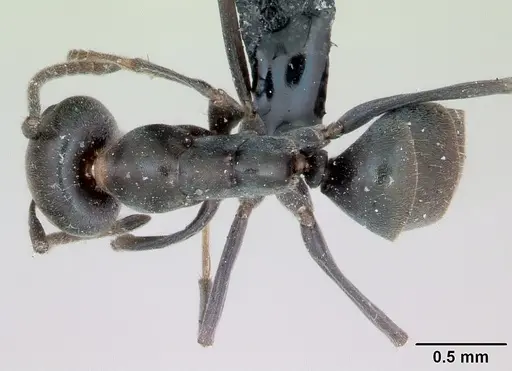
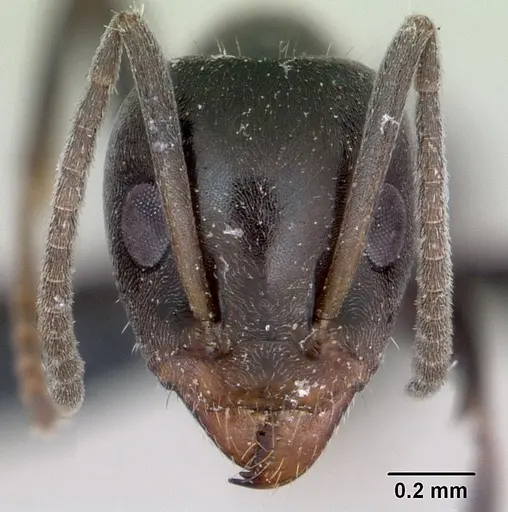
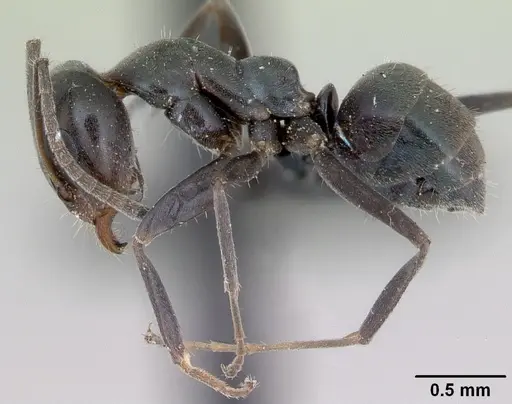
CASENT0171061
View on AntWeb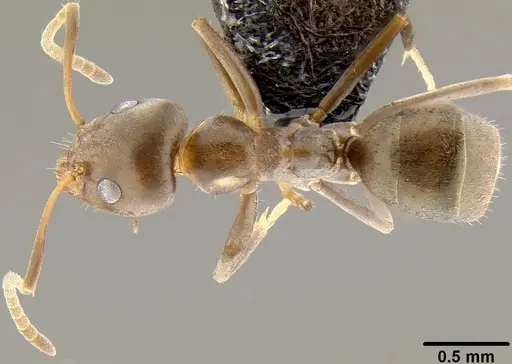
CASENT0177568
View on AntWeb
CASENT0178384
View on AntWeb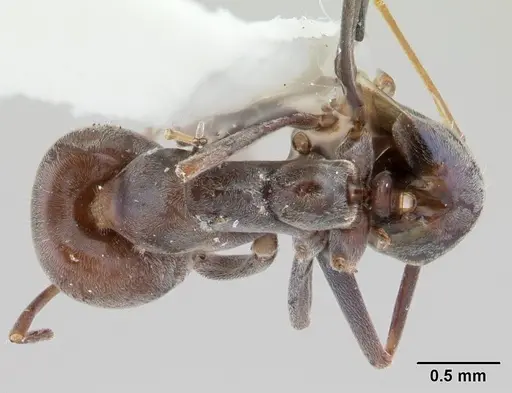
CASENT0178385
View on AntWeb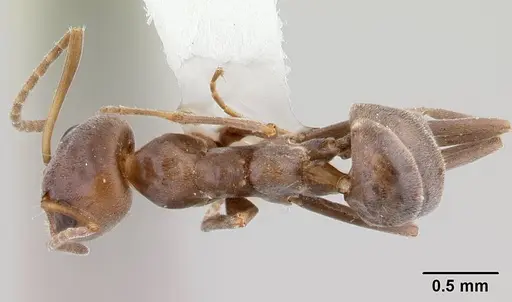
CASENT0249704
View on AntWeb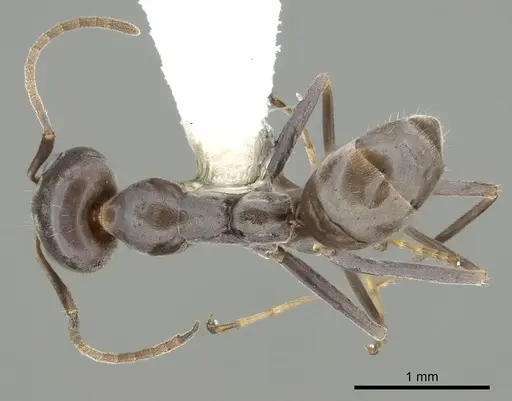
CASENT0740777
View on AntWeb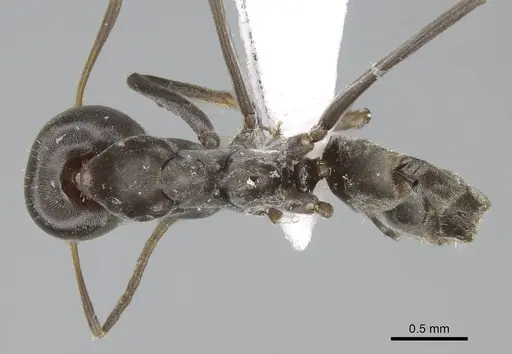
CASENT0886057
View on AntWeb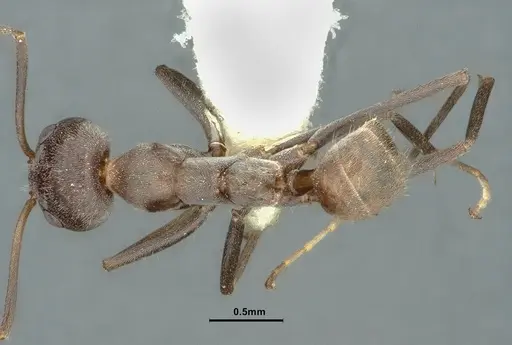
CASENT0905045
View on AntWeb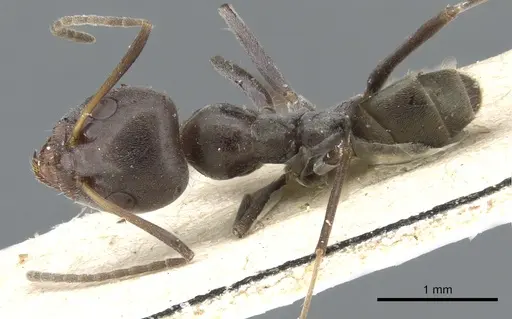
CASENT0905047
View on AntWeb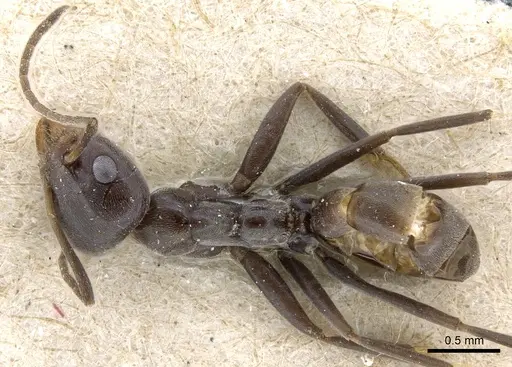
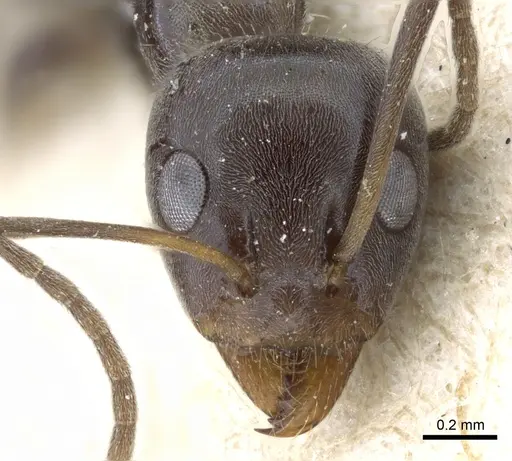
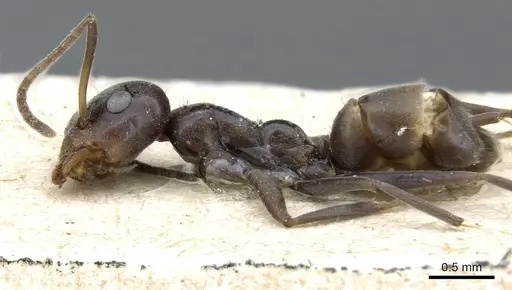
CASENT0905055
View on AntWeb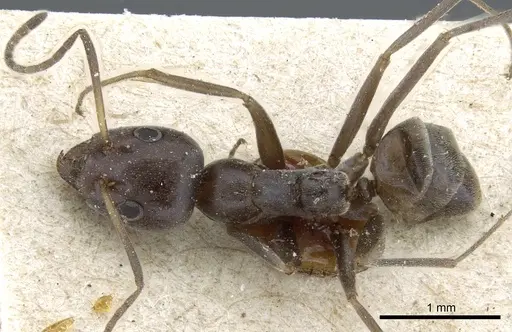
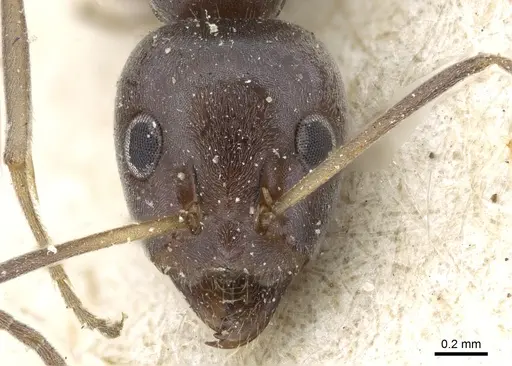
CASENT0909500
View on AntWeb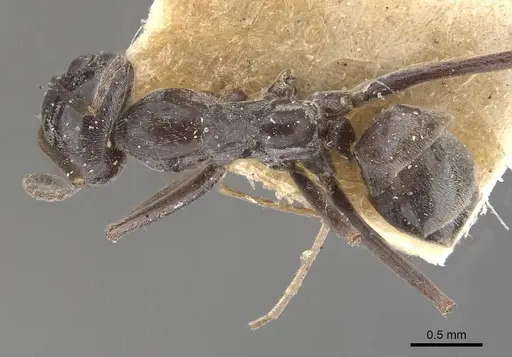
CASENT0909501
View on AntWeb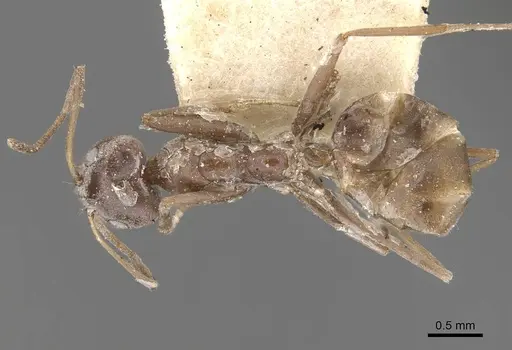
CASENT0909507
View on AntWeb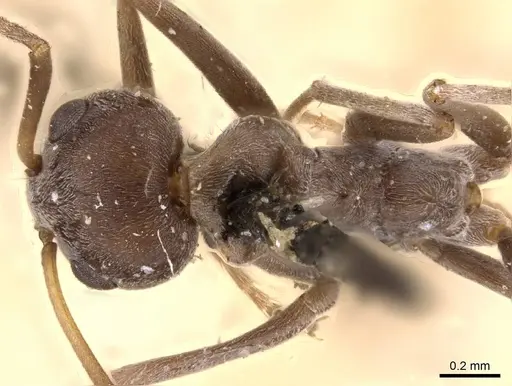
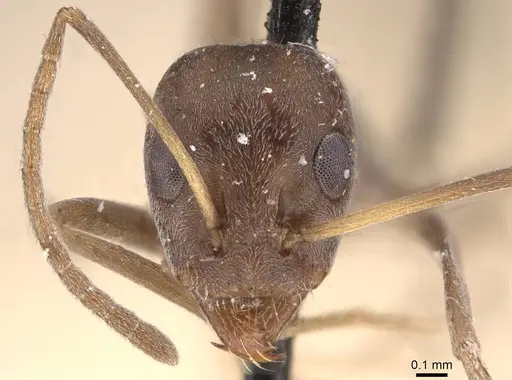
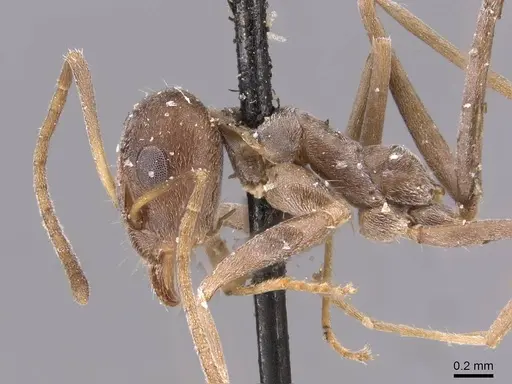
CASENT0915581
View on AntWeb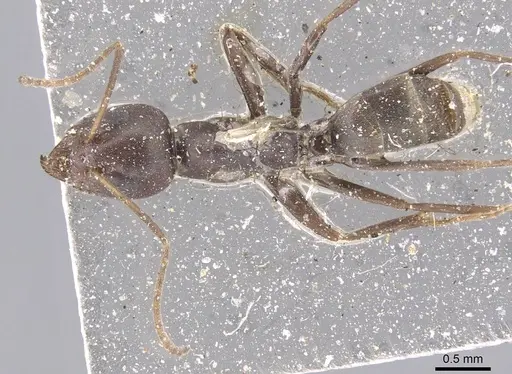
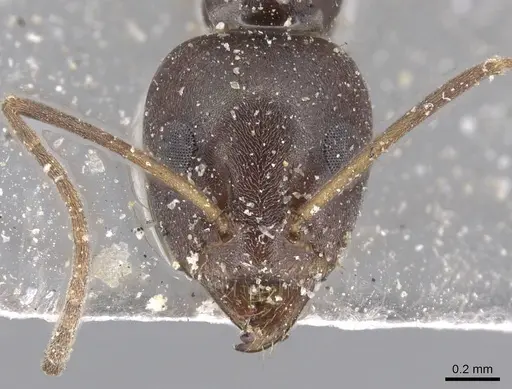
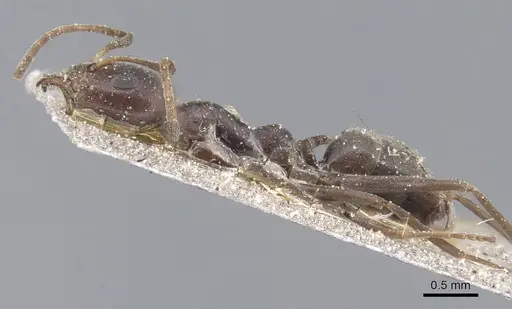
CASENT0919857
View on AntWeb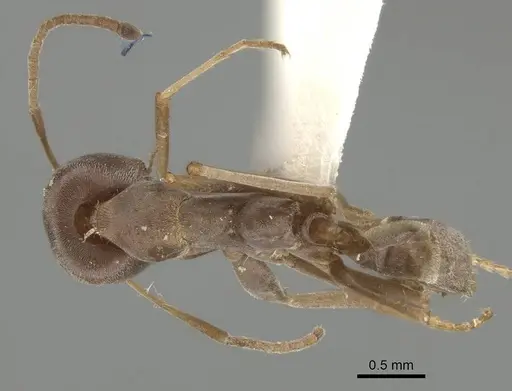
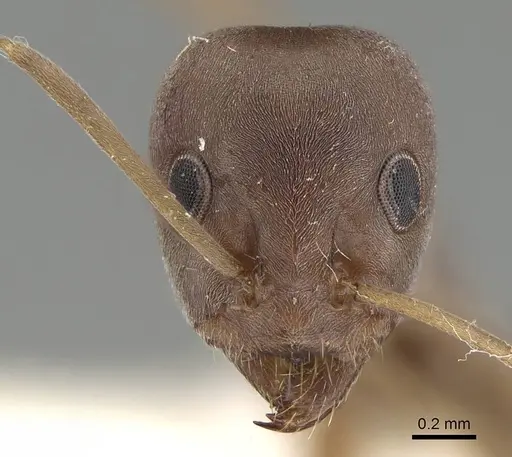
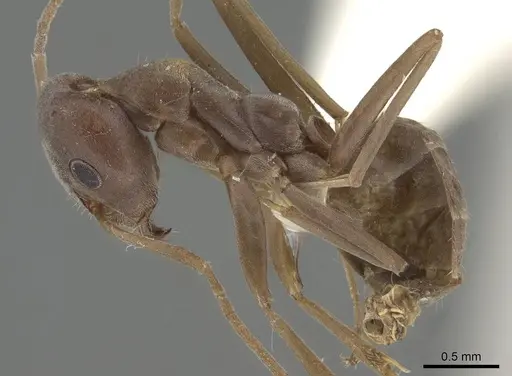
FOCOL0171
View on AntWeb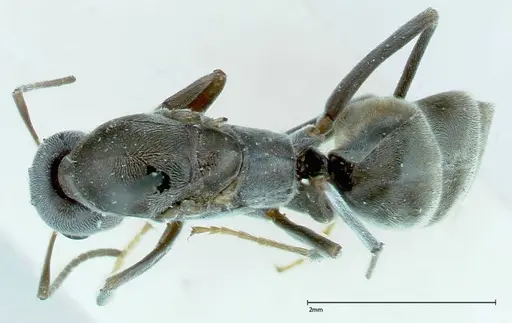
FOCOL0172
View on AntWeb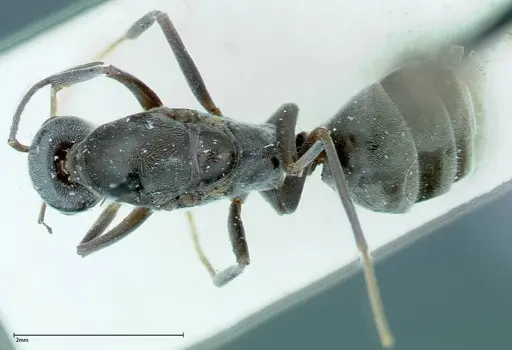
FOCOL0176
View on AntWeb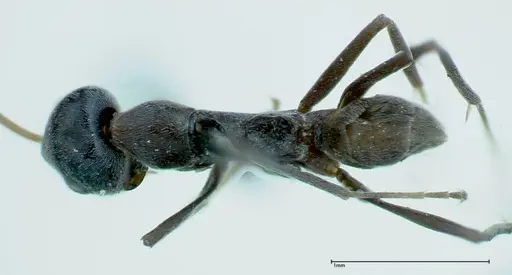
FOCOL2796
View on AntWeb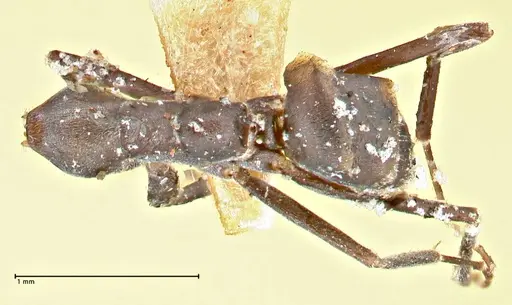
FOCOL2797
View on AntWeb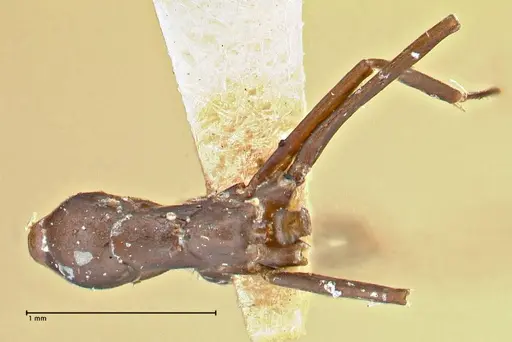
Literature
Loading...Loading products...