

Iridomyrmex difficilis
- Scientific Name
- Iridomyrmex difficilis
- Tribe
- Leptomyrmecini
- Subfamily
- Dolichoderinae
- Author
- Heterick & Shattuck, 2011
- Distribution
- Found in 1 countries
Iridomyrmex difficilis Overview
Iridomyrmex difficilis is an ant species of the genus Iridomyrmex. It is primarily documented in 1 countries , including Australia. Detailed taxonomic data and occurrence records can be further explored via authoritative databases such as AntWeb or the Global Biodiversity Information Facility (GBIF).
Iridomyrmex difficilis
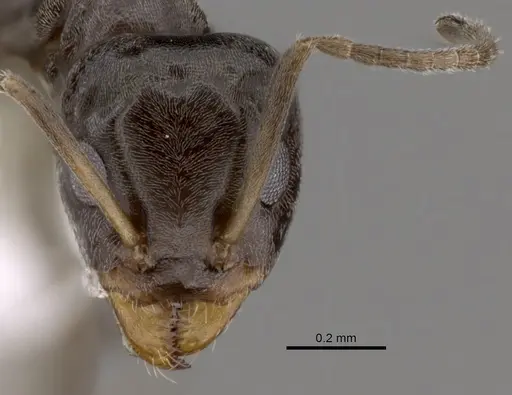
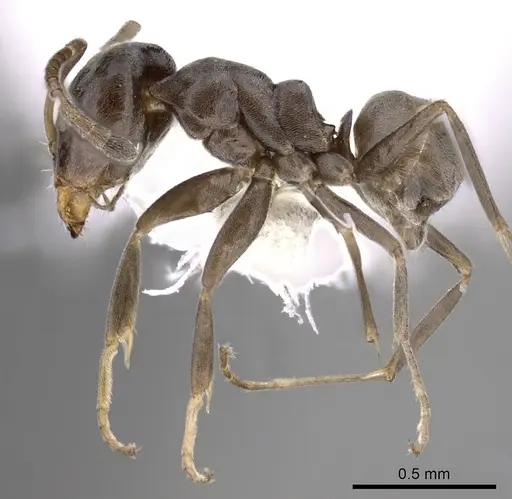
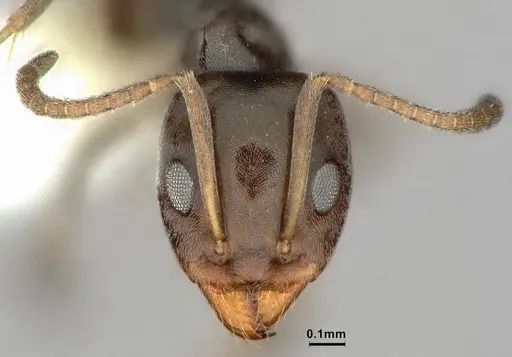
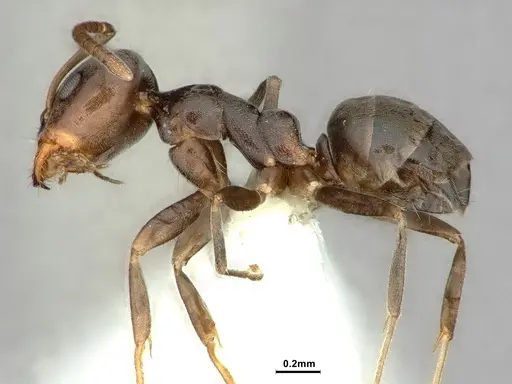
Iridomyrmex difficilis is a very small brown ant native to Australia. Workers measure just 0.48-0.60mm in head width, making them one of the smaller ant species in the hobby [1]. The species gets its name 'difficilis' (Latin for 'troublesome' or 'difficult') because taxonomists find it hard to identify due to its bland but variable appearance, southern populations look different from northern ones, and there are intermediate forms throughout their range [1].
This species is incredibly widespread, found across all mainland Australian states as well as islands in the Torres Strait and along the Queensland coastline [1]. They are versatile habitat generalists, thriving in rainforests, grasslands, dry sclerophyll forests, acacia woodlands, and even open paddocks [2]. Like other Iridomyrmex species, they have a mutualistic relationship with the caterpillar of Jalmenus evagoras, tending them for honeydew [1][2].
Quick Summary
- Difficulty: Medium
- Origin & Habitat: Australia, all mainland states and Torres Strait islands. Found in diverse habitats including rainforest, grassland, dry sclerophyll forest, acacia woodland, and paddocks. Nests in soil, predominantly a ground forager [1][2].
- Colony Type: Colony structure is not well documented in scientific literature. Based on genus patterns, likely monogyne (single queen) but polygyny may be possible. Further research needed.
- Size & Growth:
- Queen: Not documented in available literature, likely around 5-7mm based on genus patterns
- Worker: 0.48-0.60mm head width,0.55-0.68mm head length [1]
- Colony: Unknown, likely moderate-sized colonies typical of Iridomyrmex genus
- Growth: Moderate, based on typical Iridomyrmex development patterns
- Development: Estimated 6-8 weeks at optimal temperature based on genus patterns (Direct development data unavailable for this species. Temperature range of 22-28°C likely optimal based on Australian tropical to temperate distribution.)
- Antkeeping:
- Temperature: Keep at 22-28°C. Australian species tolerates range from cooler temperate to warmer tropical conditions. Provide gentle gradient if possible.
- Humidity: Moderate humidity preferred. Native to diverse Australian habitats from relatively dry to more humid regions. Keep nest substrate lightly moist but not waterlogged.
- Diapause: Likely not required. As an Australian species from varied climates, they may have some seasonal slowdown but true hibernation is not typically needed in captivity.
- Nesting: Soil-nesting species. Test tube setups work well for founding colonies. For established colonies, use a naturalistic setup with moist soil or a Y-tong/plaster nest. They prefer to nest in soil rather than in pre-formed tunnels.
- Behavior: Generally non-aggressive and docile. Like most Iridomyrmex, they are active foragers that search for food on the ground. Workers are small but numerous. They tend to avoid conflict rather than engage in aggressive displays. Escape risk is moderate, their small size means they can slip through small gaps, but they are not strong climbers. They show typical Iridomyrmex behavior of forming foraging trails and tending honeydew-producing insects.
- Common Issues: small size makes escape prevention important, use tight-fitting lids and fine mesh barriers, limited documented care information means keepers may need to experiment with conditions, wild-caught colonies may have parasites that can affect captive success, their cryptic appearance makes identification difficult when purchasing, they may be outcompeted by more aggressive ant species in multi-species setups
Housing and Nest Preferences
Iridomyrmex difficilis is a soil-nesting species that prefers to burrow into moist substrate [1]. For founding colonies, a standard test tube setup works well, fill the tube about one-third with water and plug the wet end with cotton, providing a dark chamber for the queen to seal herself in. Once workers establish, you can transition to a naturalistic setup with a soil-filled container or a Y-tong/plaster nest with soil chambers. These ants are not arboreal, they will not nest in above-ground structures but prefer to create tunnels in substrate. Provide a layer of substrate at least 2-3cm deep to allow them to excavate chambers. A small outworld connected to the nest allows workers to forage for food.
Feeding and Diet
Like other Iridomyrmex species, Iridomyrmex difficilis is an omnivore that accepts a variety of foods. In the wild, they forage on the ground and are known to tend the caterpillar of Jalmenus evagoras for honeydew [1][2]. In captivity, offer sugar water or honey as a constant energy source. For protein, provide small insects like fruit flies, pinhead crickets, or mealworms. Given their tiny worker size, prey items should be appropriately small. They are not specialized predators, so a standard ant diet works well. Feed protein sources 2-3 times per week and keep sugar water available at all times.
Temperature and Seasonal Care
As an Australian species found across a wide range of climates from temperate to tropical regions, Iridomyrmex difficilis is adaptable but prefers warmer conditions [1]. Maintain temperatures between 22-28°C for optimal colony activity and development. Room temperature (around 22-24°C) is typically suitable for this species. They do not require true hibernation, but you may observe reduced activity during cooler winter months if your room temperature drops. Avoid temperatures below 15°C for extended periods. A gentle heat gradient allows ants to regulate their body temperature by moving between warmer and cooler areas of the nest.
Behavior and Colony Dynamics
Iridomyrmex difficilis workers are small but active foragers that search for food along ground-level trails. They are not particularly aggressive and typically avoid confrontation with other ants. Colonies establish moderate-sized worker populations over time. Workers communicate through chemical trails and will recruit nestmates to food discoveries. The species name 'difficilis' reflects the taxonomic difficulty in identifying these ants, workers from different regions look quite different, with southern populations having more setae (tiny hairs) while northern ones are smoother [1]. This variation is normal and does not indicate different species. Colonies are likely monogyne (single queen) based on typical Iridomyrmex patterns, though this specific trait is not well-documented.
Handling and Observation
Due to their very small size (workers under 1mm), Iridomyrmex difficilis requires careful observation to appreciate. They are not suitable for keepers who want large, impressive ants, these are tiny ants best observed with a magnifying glass or through the glass of a well-lit formicarium. Their small size also means they can easily escape through standard ant keeping barriers, so use fine mesh and ensure all connections are sealed. When observing, you will see workers moving deliberately along foraging trails, characteristic of the Iridomyrmex genus. Their brown coloration is uniform and they lack the iridescence seen in some related species like Iridomyrmex cyaneus [1].
Frequently Asked Questions
How long does it take for Iridomyrmex difficilis to produce first workers?
Direct development data is not available for this species, but based on typical Iridomyrmex patterns, expect first workers (nanitics) approximately 6-8 weeks after the queen lays eggs, assuming optimal temperatures around 24-26°C. Growth rate is moderate.
Can I keep Iridomyrmex difficilis in a test tube setup?
Yes, test tubes work well for founding colonies. Use a standard test tube setup with a water reservoir plugged with cotton. Once the colony reaches 20-30 workers, consider transitioning to a naturalistic soil setup or Y-tong nest with soil chambers.
What do Iridomyrmex difficilis eat?
They are omnivores. Offer sugar water or honey constantly for energy, and protein sources like small fruit flies, pinhead crickets, or crushed mealworms 2-3 times per week. Their small worker size means prey should be appropriately sized.
Are Iridomyrmex difficilis good for beginners?
They are rated as Medium difficulty. While not the most challenging species, their very small size requires attention to escape prevention and may make observation more difficult. They are also less documented in antkeeping literature than some other species.
Do Iridomyrmex difficilis need hibernation?
No, true hibernation is not required. As an Australian species from varied climates, they may slow down in cooler winter months but do not need a dedicated diapause period. Keep them above 15°C year-round.
How big do Iridomyrmex difficilis colonies get?
Colony size is not well documented, but based on typical Iridomyrmex patterns, colonies likely reach several hundred workers at maturity. They are not among the largest ant species.
Why is this species called Iridomyrmex difficilis?
The name 'difficilis' is Latin for 'troublesome' or 'difficult'. It was named this because the species poses taxonomic difficulties, the workers have a bland but variable appearance, making them hard for scientists to identify and distinguish from related species [1].
Can I keep multiple queens together?
Not recommended without further research. While colony structure is not well documented, combining unrelated queens of this species has not been studied. It is best to start with a single queen colony.
What temperature is best for Iridomyrmex difficilis?
Keep them at 22-28°C, with 24-26°C being ideal. They are adaptable Australian ants that can tolerate a range, but avoid temperatures below 15°C for extended periods.
How do I identify Iridomyrmex difficilis?
They are very small brown ants (workers 0.48-0.60mm head width) with no iridescence. They are most easily confused with Iridomyrmex mjobergi, but I. difficilis has a shorter antennal scape that barely reaches the back of the head [1]. Southern populations tend to have more tiny hairs while northern ones are smoother.
When should I move Iridomyrmex difficilis to a formicarium?
Move from test tube to a larger setup once the colony reaches 20-30 workers. A naturalistic soil setup or Y-tong with soil chambers works well since they are soil-nesting ants that prefer to burrow.
References

This caresheet is licensed under CC BY-SA 4.0 .
CASENT0249721
View on AntWeb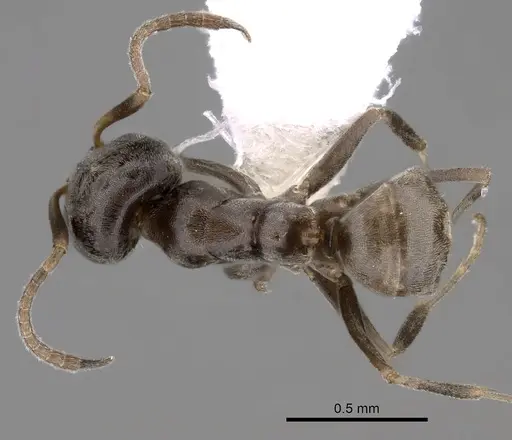
CASENT0886055
View on AntWeb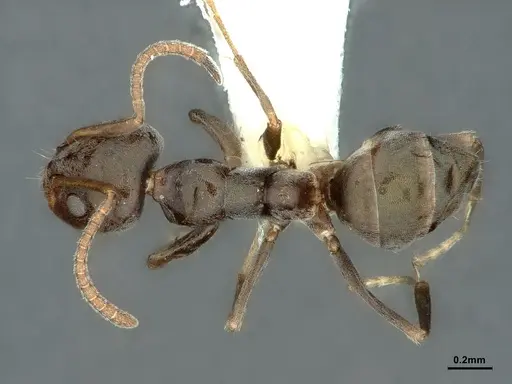
Literature
Loading...Loading products...