

Iridomyrmex bigi
- Scientific Name
- Iridomyrmex bigi
- Tribe
- Leptomyrmecini
- Subfamily
- Dolichoderinae
- Author
- Shattuck, 1993
- Distribution
- Found in 1 countries
Iridomyrmex bigi Overview
Iridomyrmex bigi is an ant species of the genus Iridomyrmex. It is primarily documented in 1 countries , including Australia. Detailed taxonomic data and occurrence records can be further explored via authoritative databases such as AntWeb or the Global Biodiversity Information Facility (GBIF).
Iridomyrmex bigi
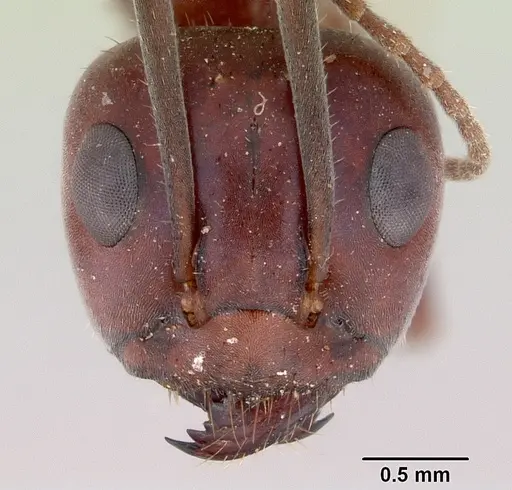
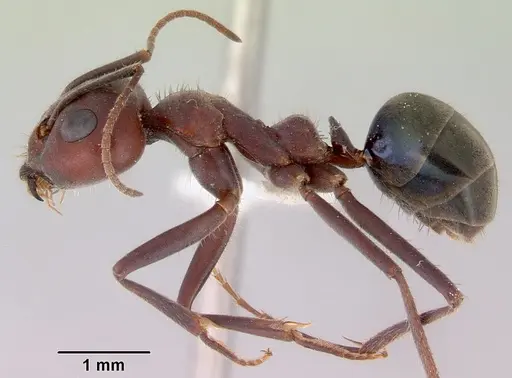
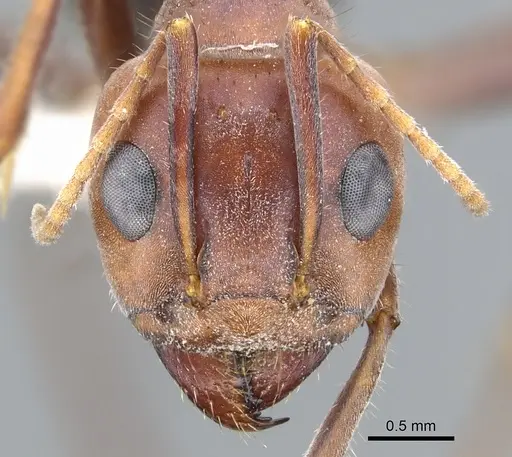
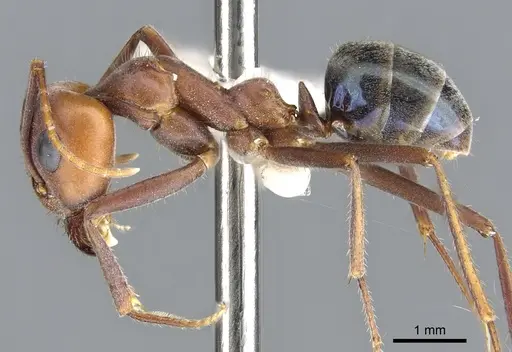
Iridomyrmex bigi is a distinctive Australian ant known for its unusual appearance among Iridomyrmex species. Workers measure 1.50-1.96mm in head width with remarkably large eyes and a pointed, scale-like petiole node. Their body coloration features light brick-red to dark crimson on the foreparts, while the gaster is brown with a subtle bluish to purplish iridescence. This species is strictly nocturnal, it plugs its nest entrance with soil during the day and forages only at night. Nests appear as small circles of slightly raised, cleared soil with a single entrance. It belongs to the Iridomyrmex purpureus species group, making it a close relative of the well-known meat ants, though it's considered a rare species with limited documented collections [1].
Quick Summary
- Difficulty: Unknown, species is rarely kept in captivity
- Origin & Habitat: Australia, specifically documented in the Meekatharra region of the northern goldfields in Western Australia. It may also occur in the far north-eastern parts of the Southwest Botanical Province [2].
- Colony Type: Unconfirmed, colony structure (single-queen or multi-queen) has not been documented in scientific literature.
- Size & Growth:
- Queen: Undocumented, queen measurements have not been published
- Worker: 1.50-1.96mm head width,1.60-1.91mm head length [1]
- Colony: Unknown, no colony size data available
- Growth: Unknown
- Development: Unconfirmed, development timeline has not been studied (Related Iridomyrmex species typically develop from egg to worker in 4-8 weeks at warm temperatures, but this is an estimate for I. bigi)
- Antkeeping:
- Temperature: Likely prefers warm conditions similar to other Australian Iridomyrmex species, aim for 24-28°C based on genus patterns, though specific requirements are unconfirmed
- Humidity: Likely adapted to arid to semi-arid conditions given its collection in the Meekatharra region of Western Australia, moderate humidity with dry areas available is recommended
- Diapause: Unknown, may require a mild winter rest period based on temperate Australian origin, but this is unconfirmed
- Nesting: In nature, they nest in soil forming small cleared circles. A naturalistic setup with soil chambers or a Y-tong/plaster nest with both moist and dry areas would likely work well. Ensure escape prevention is adequate for medium-sized ants.
- Behavior: Strictly nocturnal, workers do not emerge during daylight hours. They are closely related to meat ants (I. purpureus group), which are known for being aggressive and territorial. Expect moderate to high aggression levels, particularly when defending the nest. Their large eyes suggest excellent night vision. Escape risk is moderate, they are medium-sized ants but active foragers that may attempt to escape [1].
- Common Issues: this species is extremely rare in the antkeeping hobby and may not be available from suppliers, no captive breeding data exists, so founding success rates are unknown, strictly nocturnal behavior may make them less engaging for keepers who prefer daytime activity, wild-caught colonies may have parasites or diseases with no documented treatment protocols, lack of species-specific care information means keepers are essentially pioneering husbandry methods
Discovery and Taxonomy
Iridomyrmex bigi was first described by Shattuck in 1993 from worker specimens collected in Australia. Originally, a second form was described as Iridomyrmex bigi, distinguished by its paler coloration. However, when researchers revisited these specimens during a 2011 revision of the genus, they found the color variations fell within normal intraspecific variation seen in other Iridomyrmex species. The structural and setae patterns were identical, and morphometric measurements overlapped completely. As a result, I. variscapus was synonymized under I. bigi, making it a junior synonym [1][3].
Nocturnal Behavior and Nest Structure
This species is remarkable for being strictly nocturnal, a behavior so pronounced that workers plug their nest entrances with soil during daylight hours to block out light. The nests themselves are distinctive: small circles of slightly raised, cleared soil featuring a single entrance. This nesting behavior differs from many other Iridomyrmex species and represents an adaptation to avoid daytime predators and the harsh Australian heat. Keepers should expect their colonies to be most active at night and should not be concerned if workers remain inside during daylight hours [4].
Related Species and Identification
Iridomyrmex bigi belongs to the I. purpureus species group, making it a close relative of the famous meat ants (Iridomyrmex purpureus). However, it is impossible to confuse with any other Iridomyrmex due to its unique combination of features: an exceptionally large eye, a pointed and thin petiole node, and erect setae that are confined to the anterior margin of the antennal scape. This distinctive appearance makes field identification relatively straightforward for those who know what to look for. The species is considered rare, with very few documented collections since its original description [1].
Keeping Considerations
Iridomyrmex bigi is not a species commonly kept in ant collections, which means there is essentially no captive husbandry data available. If you obtain this species, you will be pioneering its care. Based on its relationship to meat ants and its Australian origin, it likely shares similar requirements: warm temperatures, access to protein foods, and moderate humidity. The nocturnal nature means you may want to observe them during evening hours. Given its rarity in the wild, ethical collection practices should be followed, and established captive colonies should be preserved rather than collected from the wild. This species would be best suited for experienced antkeepers who enjoy experimenting with novel husbandry methods [1][2].
Frequently Asked Questions
Is Iridomyrmex bigi available for purchase in the antkeeping hobby?
This species is extremely rare in the antkeeping hobby. It is not commonly available from commercial suppliers, and most specimens in collections likely come from scientific sampling rather than captive breeding.
What does Iridomyrmex bigi look like?
Workers have a distinctive appearance with very large eyes, a pointed petiole node, and light brick-red to dark crimson foreparts. The gaster is brown with a weak bluish to purplish iridescence. They measure approximately 1.5-2mm in head width.
Are Iridomyrmex bigi ants aggressive?
As close relatives of meat ants (I. purpureus group), they likely have aggressive defensive behaviors typical of that group. Meat ants are known for being territorial and quick to defend their nests.
When are Iridomyrmex bigi ants active?
This species is strictly nocturnal. Workers plug their nest entrances with soil during the day and do their foraging and activities at night.
Where is Iridomyrmex bigi found in the wild?
It is an Australian species documented primarily in the Meekatharra region of Western Australia's northern goldfields. It may also occur in the far north-eastern parts of the Southwest Botanical Province.
How do I set up a nest for Iridomyrmex bigi?
In nature, they nest in soil forming small circles of cleared earth. A naturalistic setup with soil chambers or a Y-tong/plaster nest with both moist and dry areas would likely be appropriate. The nocturnal behavior suggests they prefer darker, more enclosed nest spaces.
What should I feed Iridomyrmex bigi?
While specific dietary studies are lacking, other Iridomyrmex species are omnivorous and accept sugar sources (honey water, sugar water), protein (insects, mealworms), and honeydew. Offer a varied diet and observe what they accept.
Is Iridomyrmex bigi a good species for beginners?
No. This species is not recommended for beginners due to its extreme rarity in the hobby, complete lack of captive husbandry data, and the fact that keeping it would essentially require developing new care protocols from scratch.
How long does it take for Iridomyrmex bigi to develop from egg to worker?
The specific development timeline has not been documented. Based on patterns from related Iridomyrmex species, development likely takes 4-8 weeks at optimal warm temperatures, but this is an estimate rather than confirmed data.
Do Iridomyrmex bigi queens found colonies alone?
The founding behavior of this species has not been documented. Most Iridomyrmex species are claustral, meaning the queen seals herself in a chamber and raises the first workers on stored body fat, but this specific behavior is unconfirmed for I. bigi.
Does Iridomyrmex bigi need hibernation?
The overwintering requirements of this species are unknown. Based on its origin in temperate to subtropical Australia, a mild winter rest period at cooler temperatures (perhaps 15-20°C) may be beneficial, but this is speculative.
References

This caresheet is licensed under CC BY-SA 4.0 .
CASENT0172037
View on AntWeb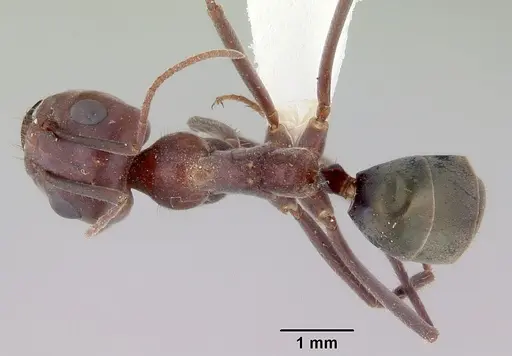
CASENT0903077
View on AntWeb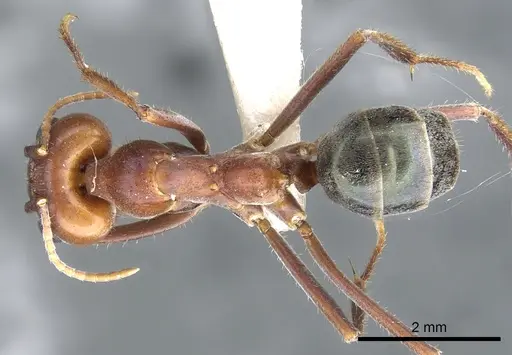
Literature
Loading...Loading products...