

Iridomyrmex anderseni
- Scientific Name
- Iridomyrmex anderseni
- Tribe
- Leptomyrmecini
- Subfamily
- Dolichoderinae
- Author
- Shattuck, 1993
- Distribution
- Found in 1 countries
Iridomyrmex anderseni Overview
Iridomyrmex anderseni is an ant species of the genus Iridomyrmex. It is primarily documented in 1 countries , including Australia. Detailed taxonomic data and occurrence records can be further explored via authoritative databases such as AntWeb or the Global Biodiversity Information Facility (GBIF).
Iridomyrmex anderseni
Iridomyrmex anderseni is a medium to large reddish ant species belonging to the Iridomyrmex genus, commonly known as sugar ants or meat ants in Australia. Workers measure approximately 1.4mm in head length and 1.33mm in head width, making them moderately sized within the genus [1]. The species has a distinctive coloration: head, mesonotum, propodeum and legs are reddish brown, the pronotum is orange, and the gaster is dark chocolate [1]. This species is a member of the viridigaster complex within the calvus species group and is known from only a single specimen collected in inland South Australia (Olympic Dam) [1]. Nothing is known about this species' biology in the wild or in captivity.
Quick Summary
- Difficulty: Unknown, Insufficient Data
- Origin & Habitat: Known only from inland South Australia (Olympic Dam), specifically from the southern arid zone of Australia. The single known specimen was collected in this arid region [1].
- Colony Type: Unconfirmed, only a single specimen has ever been collected, so colony structure is unknown. Most Iridomyrmex species are known to have single-queen colonies, but this has not been confirmed for I. anderseni.
- Size & Growth:
- Queen: Unknown, no queen specimens have been collected or described
- Worker: 1.33-1.40mm (head length 1.40mm, head width 1.33mm, scape length 1.03mm) [1]
- Colony: Unknown, no colony data exists
- Growth: Unknown, no development data exists
- Development: Unknown, no direct observations or studies exist for this species (No data available. Iridomyrmex genus members typically develop from egg to worker in 6-10 weeks at optimal temperatures, but this is not confirmed for I. anderseni.)
- Antkeeping:
- Temperature: Based on typical Iridomyrmex preferences for arid-adapted Australian species, aim for room temperature (20-25°C) with a mild gradient. This is an estimate since no thermal studies exist for this species.
- Humidity: As an arid-zone species from inland South Australia, likely prefers drier conditions. Keep nest substrate moderately dry with a small moist area for drinking. Avoid constant saturation.
- Diapause: Unknown, no seasonal data exists for this species. Many Australian Iridomyrmex species do not require formal hibernation but may reduce activity in cooler months.
- Nesting: No natural nesting observations exist. Based on arid-zone habitat, likely nests in soil or under stones. Standard test tube setups or acrylic nests work for Iridomyrmex genus members.
- Behavior: Undocumented, no behavioral observations exist for this species. The genus Iridomyrmex is generally known for aggressive foraging behavior and capable stings, but I cannot confirm these traits for I. anderseni specifically. Exercise caution as with most Iridomyrmex species.
- Common Issues: This species has never been kept in captivity, there is no established care protocol, Only one specimen has ever been collected, meaning virtually nothing is known about its biology, Wild-caught colonies may be extremely difficult to obtain, No information on diet preferences or feeding behavior exists, Temperature and humidity requirements are estimated from genus-level patterns, not species-specific data
Species Status and Knowledge Gaps
Iridomyrmex anderseni is one of the most poorly known ant species in the world. Only a single worker specimen has ever been collected, the holotype from Olympic Dam in inland South Australia [1]. This means there is absolutely no published information about this species' colony structure, founding behavior, diet, temperature preferences, or any other aspect of its biology. The species was described in 1993 by Steve Shattuck and later included in the 2011 revision of Iridomyrmex by Heterick and Shattuck, but no additional specimens have been found [1]. This makes providing specific care guidance essentially impossible, any recommendations would be pure speculation based on what we know about other Iridomyrmex species.
Genus-Level Care Guidance
Since species-specific information does not exist, care must be estimated from general Iridomyrmex genus patterns. Iridomyrmex ants are among the most common ants in Australia and are typically medium-sized, active foragers. Most species in this genus are not claustral, queens usually need to leave the nest to hunt for food during the founding stage (semi-claustral founding). They are generalist feeders that forage for nectar, honeydew, and insects. Many species are known for being aggressive and capable of delivering painful stings. For I. anderseni, start with a standard test tube setup and provide a varied diet including sugar sources and protein. Keep temperatures in the low-to-mid 20s Celsius range. As an arid-zone species from inland South Australia, likely prefer drier conditions than tropical species.
Availability and Acquisition
This species has never been available in the antkeeping hobby and is extremely unlikely to ever become available. The entire known global population consists of a single museum specimen. No colonies have ever been collected, and the species has not been observed since its original collection. If you are interested in keeping Australian Iridomyrmex species, consider related and more common species like Iridomyrmex rufoniger or other members of the calvus group that are occasionally available. These species have established care protocols and can be ethically sourced from reputable suppliers. [1]
Legal and Ethical Considerations
Given that this species is known from only a single specimen and has never been observed in the wild since its original collection, any attempt to locate and collect colonies would require significant effort in a remote area of South Australia. There is no information about whether the species is rare, endangered, or simply overlooked. Before attempting to locate any Iridomyrmex species in Australia, research local regulations regarding ant collection, as permits may be required. Always prioritize ethical collection practices and never remove large numbers of colonies from any population.
Frequently Asked Questions
Can I keep Iridomyrmex anderseni as a pet ant?
No. This species has never been kept in captivity and is essentially unavailable. Only a single specimen has ever been collected, and no colonies are known to exist. If you want to keep Australian Iridomyrmex species, look for more common related species instead.
What do Iridomyrmex anderseni ants eat?
Unknown, no feeding observations exist for this species. Based on genus patterns, they likely accept sugar sources (honey, sugar water) and protein (insects), but this is entirely speculative.
How do I set up a nest for Iridomyrmex anderseni?
No nest setup information exists for this species. Standard test tube setups or acrylic nests used for other Iridomyrmex species would be a reasonable starting point if specimens ever become available.
What temperature do Iridomyrmex anderseni ants need?
Unknown, no thermal studies exist for this species. Based on its origin in inland South Australia (arid zone), aim for room temperature in the 20-25°C range with a mild gradient.
How big do Iridomyrmex anderseni colonies get?
Unknown, no colony size data exists. Most Iridomyrmex colonies reach hundreds to thousands of workers, but this is not confirmed for I. anderseni.
Do Iridomyrmex anderseni queens need to forage during founding?
Unknown, no founding observations exist. Most Iridomyrmex species are semi-claustral (queens leave to hunt), but this is not confirmed for I. anderseni.
Is Iridomyrmex anderseni a good species for beginners?
This question is moot, the species is not available and has never been kept in captivity. There is no care protocol to follow.
Where does Iridomyrmex anderseni live?
Only known from a single specimen collected at Olympic Dam in inland South Australia. The species is part of the southern arid zone fauna of Australia.
How long does it take for Iridomyrmex anderseni eggs to become workers?
Unknown, no development data exists for this species. Generic Iridomyrmex development takes 6-10 weeks at optimal temperatures, but this is not confirmed for I. anderseni.
References

This caresheet is licensed under CC BY-SA 4.0 .
CASENT0172044
View on AntWeb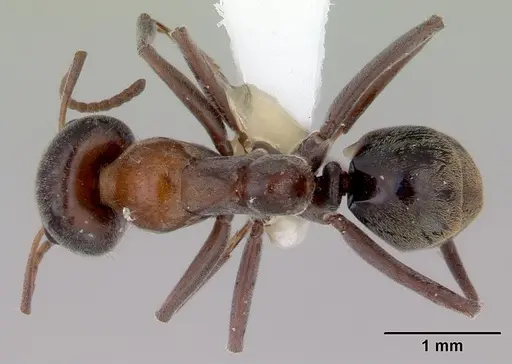
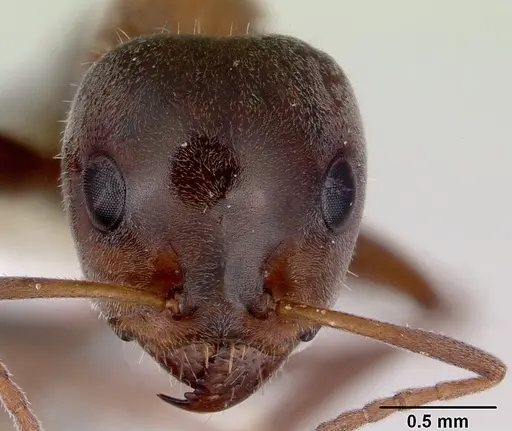
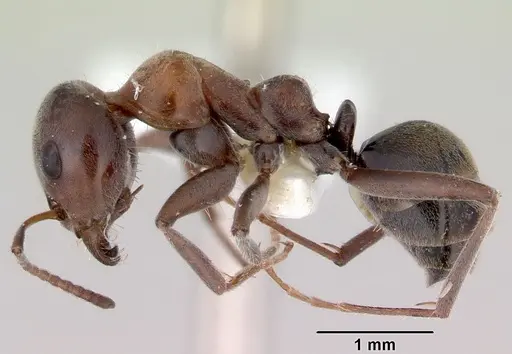
Literature
Loading...Loading products...