

Hypoponera spei
- Scientific Name
- Hypoponera spei
- Tribe
- Ponerini
- Subfamily
- Ponerinae
- Author
- Forel, 1910
- Distribution
- Found in 8 countries
Hypoponera spei Overview
Hypoponera spei is an ant species of the genus Hypoponera. It is primarily documented in 8 countries , including Ecuador, French Guiana, Indonesia. Detailed taxonomic data and occurrence records can be further explored via authoritative databases such as AntWeb or the Global Biodiversity Information Facility (GBIF).
Hypoponera spei
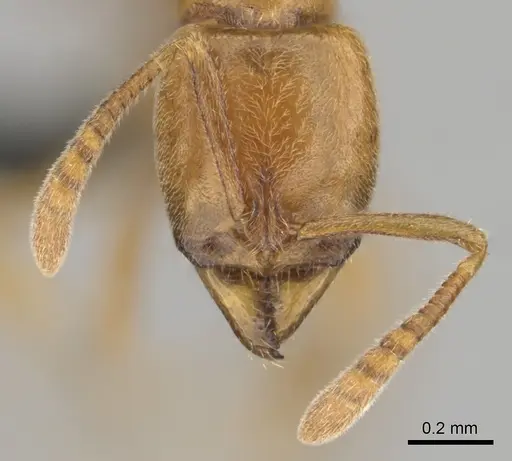
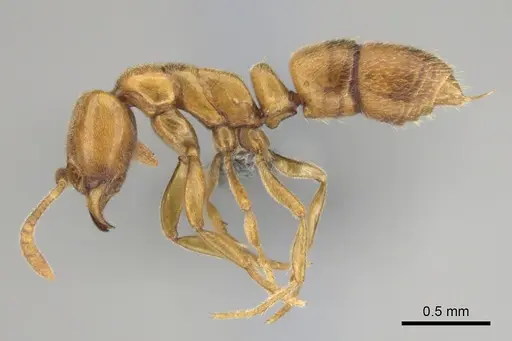
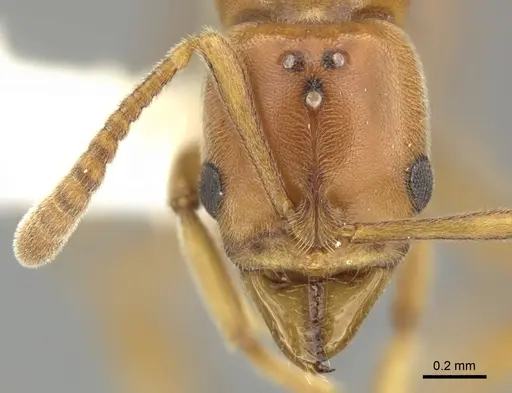
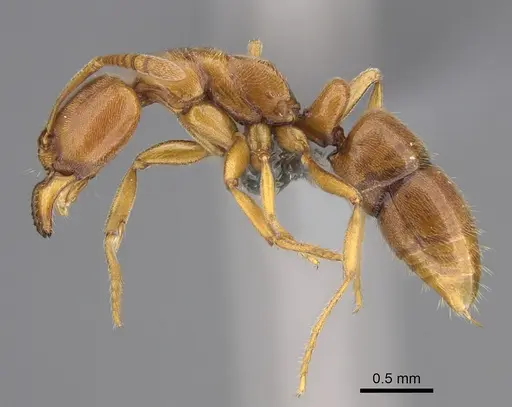
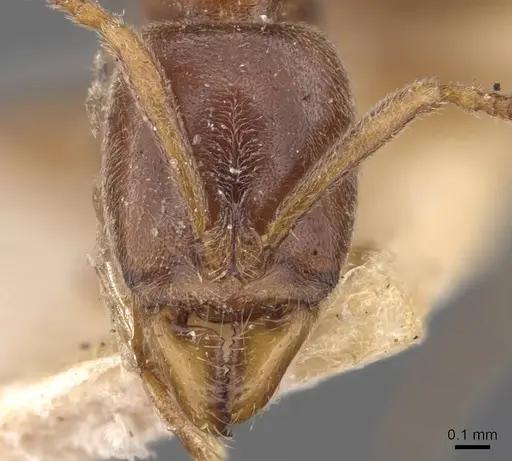
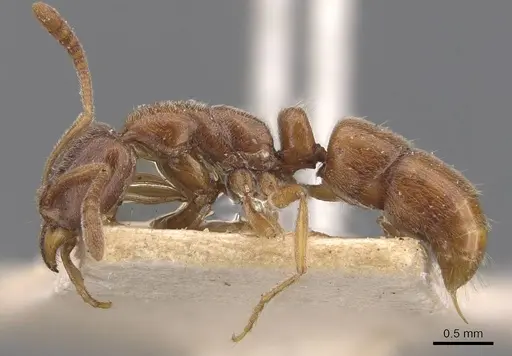
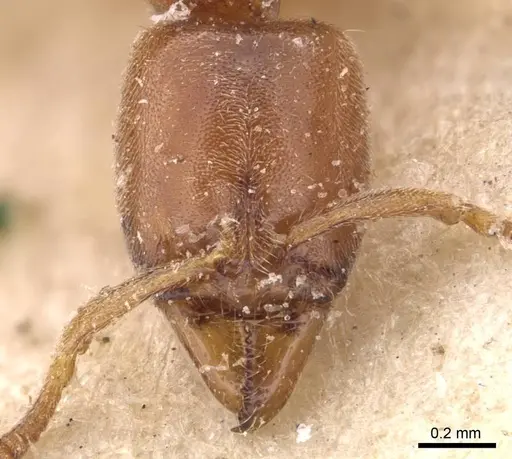
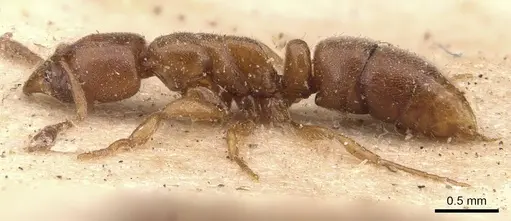
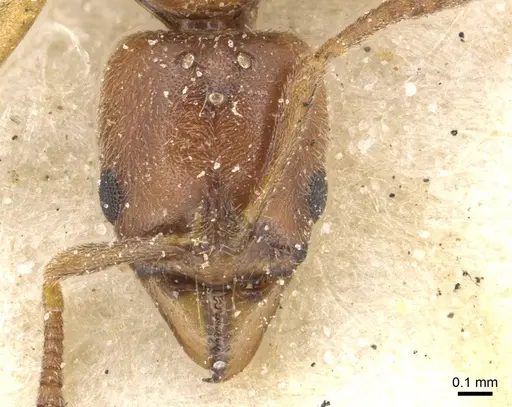
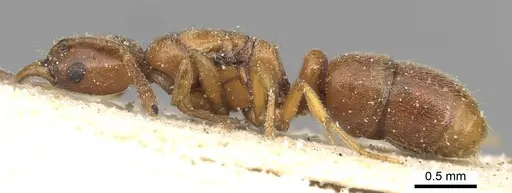
Hypoponera spei is a tiny predatory ant native to South Africa and Mozambique, found in montane and coastal forest habitats. Workers measure just 0.70-0.87mm in head length, making them one of the smaller ant species kept in captivity. They have a yellowish-brown to medium brown coloration and remarkably small eyes with only 1-7 ommatidia, which are often depigmented and difficult to see. This species is extremely closely related to Hypoponera boerorum and may eventually be considered the same species. As a Ponerine ant, they are predatory by nature and possess a stinger, though their small size means they struggle to penetrate human skin.
Quick Summary
- Difficulty: Medium
- Origin & Habitat: South Africa and Mozambique, found in ground-litter in montane forest and coastal forest [1]
- Colony Type: Likely single-queen colonies based on typical Ponerinae patterns
- Colony: Monogyne
- Founding: Semi-claustral
- Size & Growth:
- Queen: Unconfirmed, estimated 4-5mm based on genus patterns
- Worker: 0.70-0.87mm head length (approximately 3-4mm total) [2]
- Colony: Likely small colonies, probably under 100 workers based on typical Ponerinae patterns
- Growth: Moderate, estimated based on genus patterns
- Development: Estimated 6-8 weeks at optimal temperature based on related Ponerinae (Development time is estimated from genus-level data since species-specific studies are not available)
- Antkeeping:
- Temperature: Keep at 22-26°C, they prefer warm, humid conditions similar to their forest floor habitat
- Humidity: High humidity required, keep substrate consistently moist but not waterlogged. Their natural habitat in forest litter stays damp.
- Diapause: Unknown for this specific species, related species from temperate regions may require a cool period, but this is a tropical/subtropical species
- Nesting: They nest in ground-litter and soil. In captivity, a test tube setup with moist substrate or a small naturalistic setup with damp soil works well. They prefer tight, humid chambers.
- Behavior: These are small, cryptic ants that forage in leaf litter and soil. They are predatory and will hunt small invertebrates. They are not aggressive toward keepers and their small size combined with tiny stingers means they pose minimal sting risk to humans. They are likely nocturnal or crepuscular foragers. Escape prevention is important due to their tiny size, they can squeeze through very small gaps.
- Common Issues: tiny size makes escape prevention critical, use fine mesh and tight-fitting lids, predatory diet means they need live prey, sugar sources are unlikely to be accepted, high humidity requirements can lead to mold if ventilation is poor, slow colony growth may cause keepers to lose patience and overfeed, wild-caught colonies may contain parasites that can decimate the colony
Housing and Nest Setup
Hypoponera spei is a tiny ant that requires careful housing setup. A test tube setup works well for founding colonies, use a small test tube with a water reservoir plugged with cotton, keeping the cotton end slightly moist to maintain humidity. The ants will likely cling to the wet cotton area. For established colonies, a small acrylic nest or naturalistic setup with damp soil works well. The key is maintaining high humidity while allowing some ventilation to prevent mold. Because they are so small, even standard test tube setups may feel spacious to them, consider using narrow tubes or adding additional barriers. Avoid tall, open spaces, they prefer tight, enclosed chambers that mimic their natural leaf-litter habitat. [2][1]
Feeding and Diet
As a Ponerine ant, Hypoponera spei is predatory and needs live food. They are too small to take typical ant feeders like mealworms or crickets. Offer small live prey such as fruit flies, springtails, or other tiny arthropods. You can culture fruit flies at home for a constant food source. Some keepers report that Ponerinae may accept protein jelly or crushed insects, but live prey is always the safest option. Sugar sources are unlikely to be accepted, these are strict predators that don't tend honeydew-feeding aphids. Feed every 2-3 days, removing any uneaten prey after 24 hours to prevent mold.
Temperature and Humidity
Keep your colony at 22-26°C, which mimics the warm conditions of their South African forest habitat. A heating cable on one side of the nest can create a temperature gradient, allowing ants to self-regulate. Place the heating on top of the nest, not underneath, to avoid drying out the substrate too quickly. Humidity is critical, keep the nest substrate consistently moist but not waterlogged. The substrate should feel damp to the touch. You can achieve this by misting occasionally or using a water reservoir system. However, balance humidity with adequate ventilation to prevent mold growth, which can quickly kill small colonies. [1]
Behavior and Temperament
Hypoponera spei is a cryptic, secretive ant that spends most of its time in the dark, humid microhabitats of forest floor litter. Workers are tiny and not particularly aggressive. They are likely nocturnal or crepuscular, foraging for small prey in the leaf litter. Their stinger is present but so small that it rarely penetrates human skin, sting risk is minimal. However, their small size makes them excellent escape artists. Always use fine mesh on any ventilation holes and ensure all connections are tight. These ants are not display species, they are best appreciated by observing their hunting behaviors and colony activities through magnification. [2]
Colony Development
Colony growth is likely moderate but slow due to the small colony size typical of Ponerinae. A founding queen will lay a small number of eggs, which develop into nanitic (first) workers. These initial workers are typically smaller than mature workers. The colony will grow gradually over several months to a year, likely never reaching the massive numbers seen in species like Lasius or Camponotus. Expect a fully established colony to have perhaps 50-100 workers after a year or two. Patience is key with this species, resist the urge to overfeed or disturb the colony frequently.
Frequently Asked Questions
How long does it take for Hypoponera spei to have first workers?
Estimated 6-8 weeks from egg to first worker at optimal temperature (22-26°C). This is based on typical Ponerinae development patterns since species-specific studies are not available.
Can I keep Hypoponera spei in a test tube?
Yes, test tubes work well for this species. Use a small test tube with a water reservoir, keeping the cotton end moist for humidity. Due to their tiny size, ensure all connections are tight and consider using fine mesh on any air holes.
What do Hypoponera spei ants eat?
They are predatory and need live food. Offer small live prey like fruit flies, springtails, or other tiny arthropods. They are unlikely to accept sugar sources. Remove uneaten prey after 24 hours.
Do Hypoponera spei ants sting?
They possess a stinger but due to their very small size (under 4mm total), they rarely penetrate human skin. Sting risk is minimal for keepers.
Are Hypoponera spei good for beginners?
This species is rated as Medium difficulty. While not the hardest species, their small size, specific humidity needs, and predatory diet require some experience. Beginners should ensure they can provide consistent warm, humid conditions and live food.
How big do Hypoponera spei colonies get?
Colonies likely remain small, probably under 100 workers. This is typical for Ponerinae ants, which don't form the large colonies seen in many other subfamilies.
Do Hypoponera spei need hibernation?
This is not confirmed. As a species from South Africa (a subtropical region), they likely do not require a true hibernation. However, a slight cooling period during winter months may be beneficial.
Why are my Hypoponera spei escaping?
Their tiny size means they are excellent escape artists. Use fine mesh (at least 0.5mm or smaller), ensure all lids fit tightly, and check all connections and ventilation holes regularly.
When should I move Hypoponera spei to a formicarium?
Wait until the colony has at least 20-30 workers and the test tube is becoming crowded. Ponerinae prefer stable conditions, so avoid moving unless necessary. When moving, use gentle methods and ensure the new setup matches the humidity preferences.
Can I keep multiple Hypoponera spei queens together?
This is not documented for this species. Based on typical Ponerinae patterns, they likely form single-queen colonies. Combining unrelated queens is not recommended.
References

This caresheet is licensed under CC BY-SA 4.0 .
CASENT0217348
View on AntWeb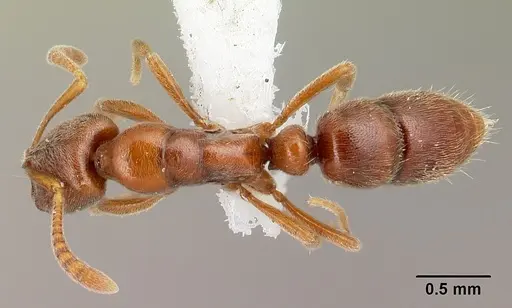
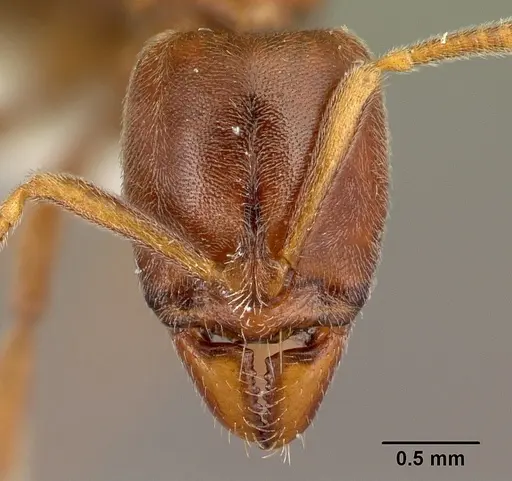
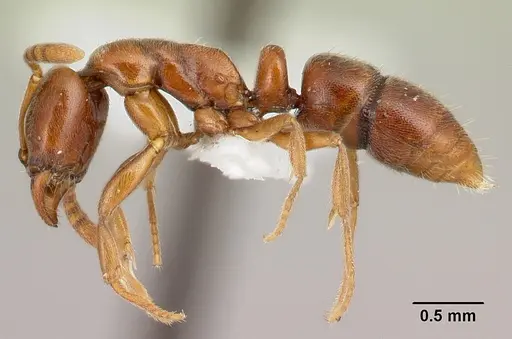
CASENT0217350
View on AntWeb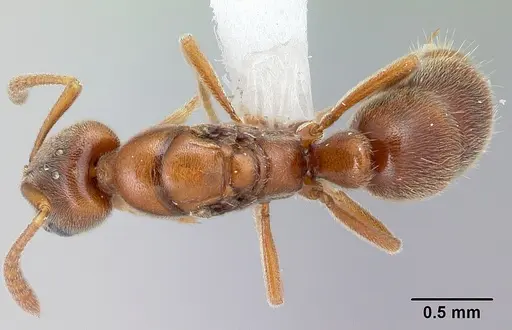
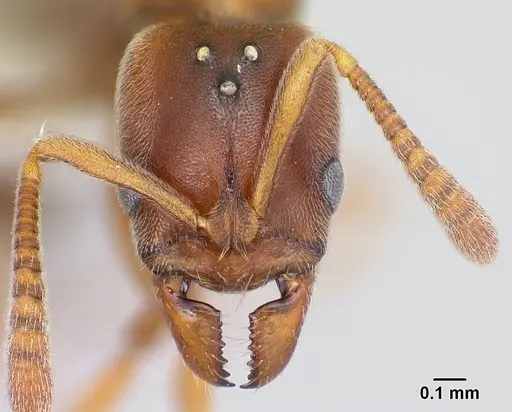
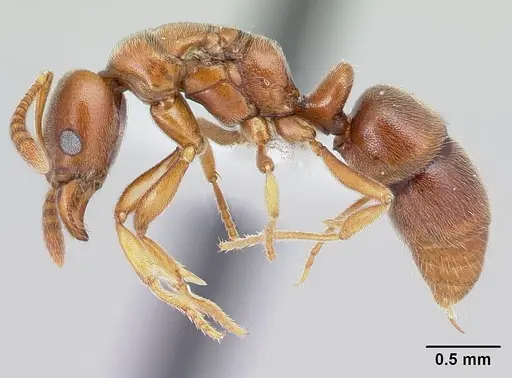
CASENT0259084
View on AntWeb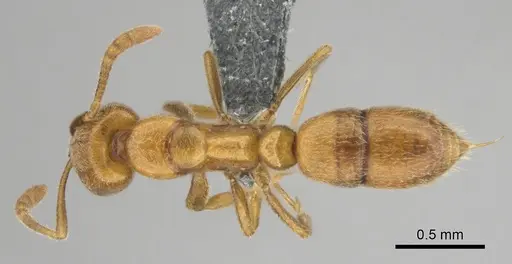
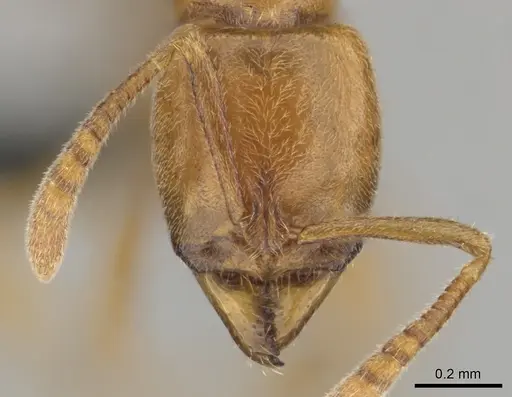
CASENT0270532
View on AntWeb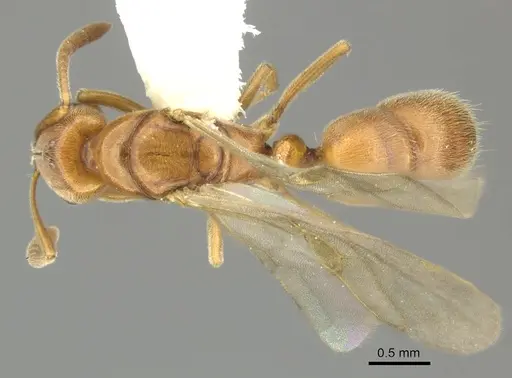
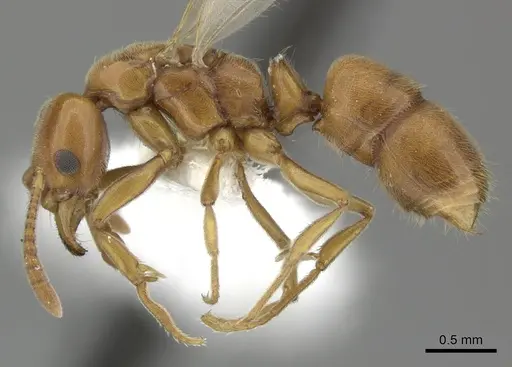
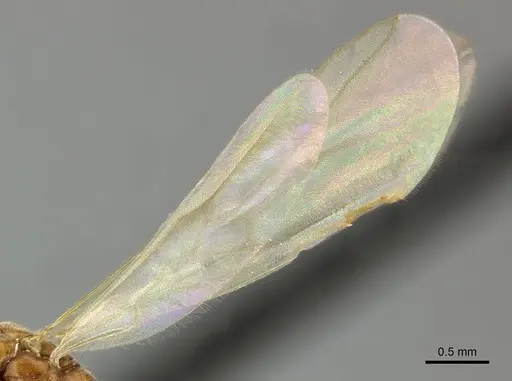
CASENT0785139
View on AntWeb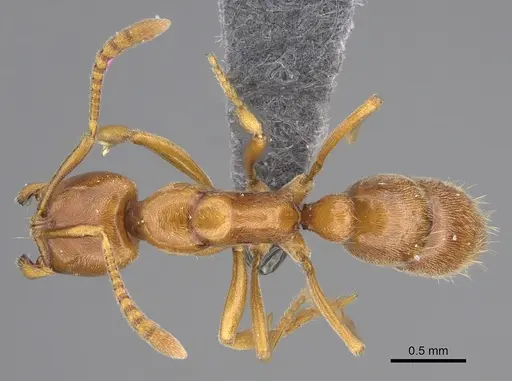
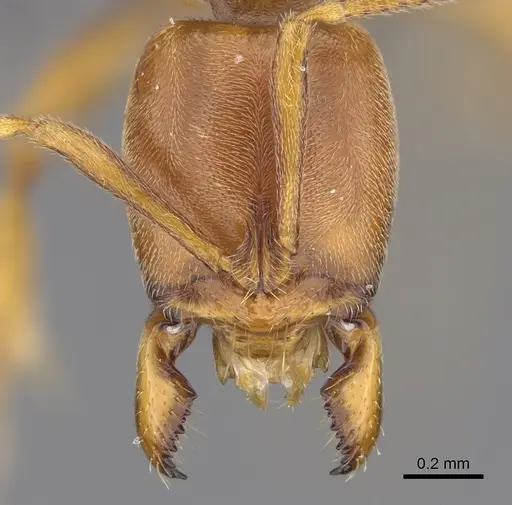
CASENT0907323
View on AntWeb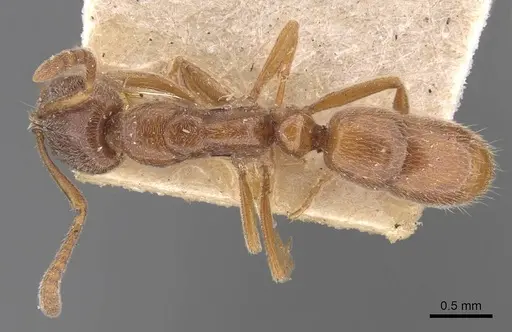
CASENT0907324
View on AntWeb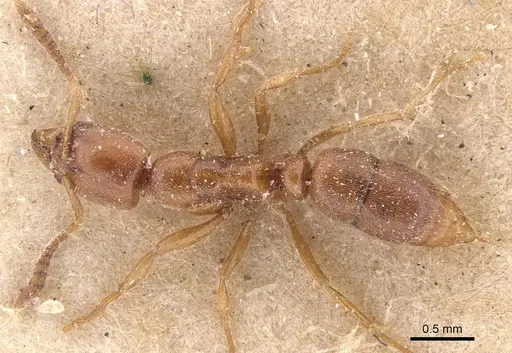
CASENT0915208
View on AntWeb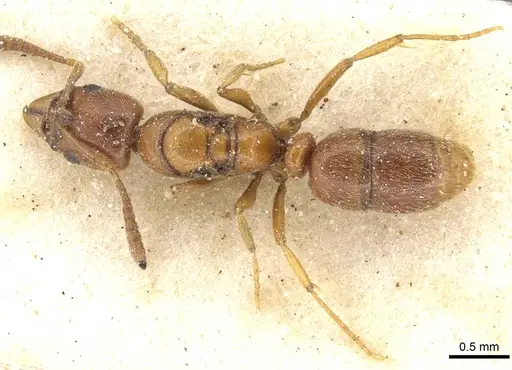
CASENT0923396
View on AntWeb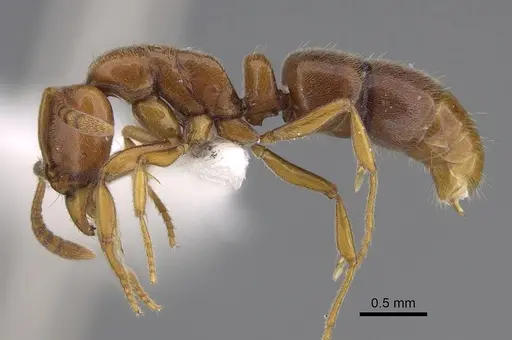
Literature
Loading...Loading products...