

Hypoponera eutrepta
- Scientific Name
- Hypoponera eutrepta
- Tribe
- Ponerini
- Subfamily
- Ponerinae
- Author
- Wilson, 1958
- Distribution
- Found in 2 countries
Hypoponera eutrepta Overview
Hypoponera eutrepta is an ant species of the genus Hypoponera. It is primarily documented in 2 countries , including Fiji, Wallis and Futuna. Detailed taxonomic data and occurrence records can be further explored via authoritative databases such as AntWeb or the Global Biodiversity Information Facility (GBIF).
Hypoponera eutrepta
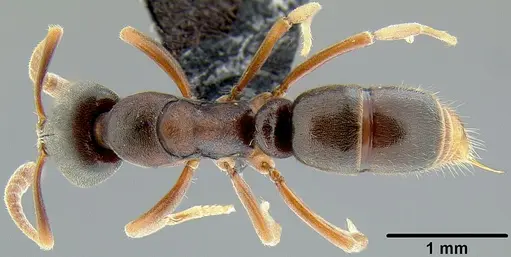
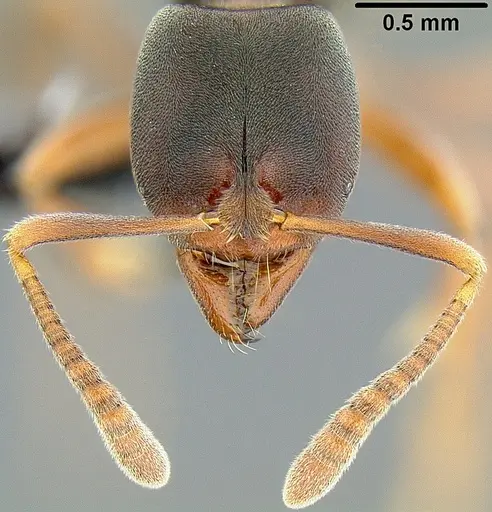
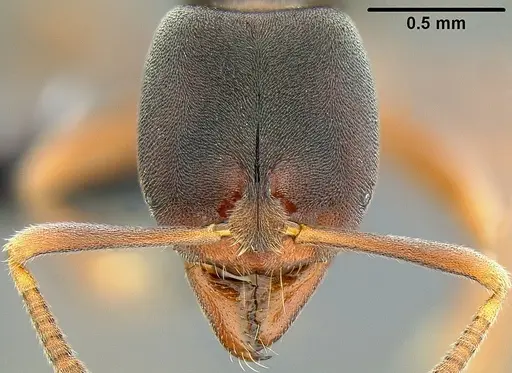
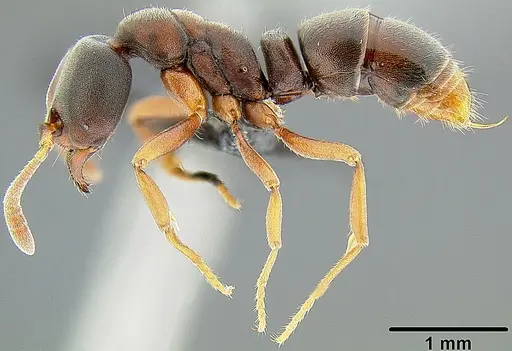
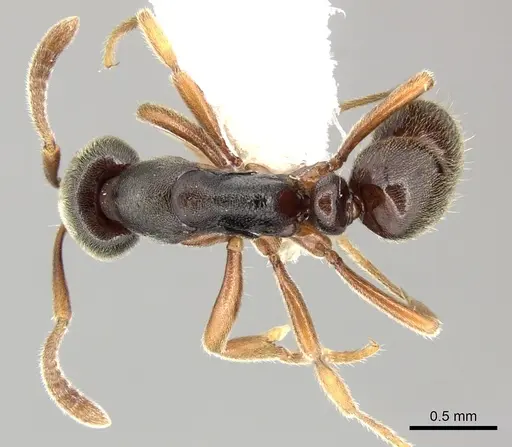
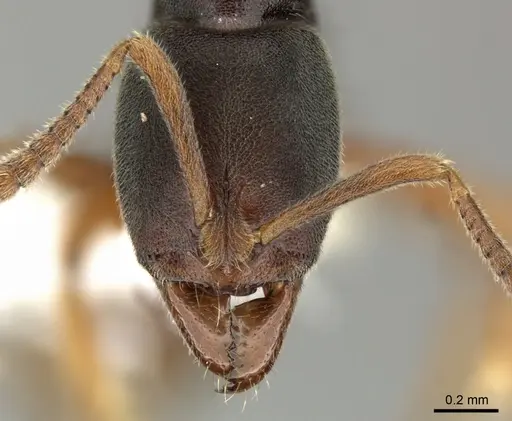
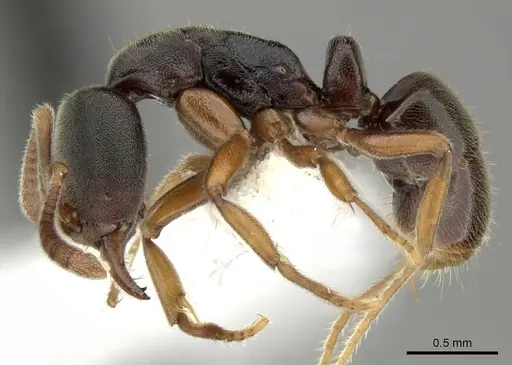
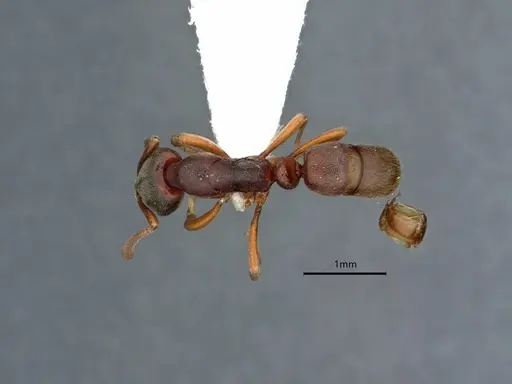
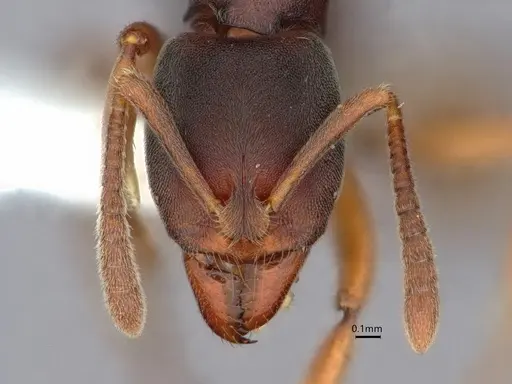
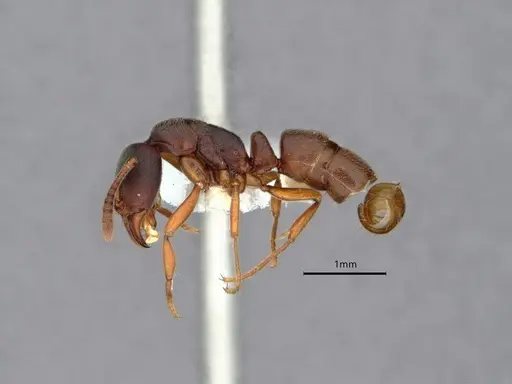
Hypoponera eutrepta is a small, dark ponerine ant endemic to the islands of Fiji. Workers are typically 2.5-3.5mm with the characteristic slender, elongated body typical of Hypoponera species, they have a narrow waist (petiole) and a smooth, glossy body surface. The species is part of the Ponerini tribe, which includes many predatory ants with potent stings. Originally described in 1921 as Hypoponera biroi rugosa by Mann, it was elevated to full species status by Wilson in 1958 and transferred to Hypoponera in 1995 [1][2].
This species is a litter-dwelling ant found exclusively in Fiji's forest floors. It lives in damp, shaded microhabitats among decaying leaves and rotting wood on the forest floor. Research shows it makes up about 15% of ant specimens found in litter samples, making it a significant part of Fiji's forest ant community [3]. Unlike some related species, it is not found in trees or at bait stations, confirming its strict ground-dwelling nature [3].
Quick Summary
- Difficulty: Medium
- Origin & Habitat: Endemic to Fiji, found only on Viti Levu and Yasawa islands in forest litter habitats. Lives in damp, shaded areas on the tropical forest floor among decaying organic matter [3][4].
- Colony Type: Likely single-queen (monogyne) colonies based on typical genus patterns. Colony size appears moderate, not among the largest Hypoponera species. Ergatoid (wingless replacement queen) presence is possible but not documented for this specific species.
- Colony: Monogyne
- Founding: Claustral
- Size & Growth:
- Queen: Estimated 5-6mm based on genus patterns for Hypoponera
- Worker: 2.5-3.5mm
- Colony: Likely 100-500 workers based on similar litter-dwelling Ponerinae
- Growth: Moderate, Ponerinae typically develop slower than myrmicines
- Development: Estimated 8-12 weeks at optimal tropical temperatures based on related Ponerinae species (Development is temperature-dependent, warmer conditions (24-28°C) accelerate growth. First workers (nanitics) are typically smaller than mature workers.)
- Antkeeping:
- Temperature: Keep at 24-28°C (tropical species). A heating cable on one side of the nest creates a gentle gradient allowing ants to self-regulate. Avoid temperatures below 22°C as this is a tropical species
- Humidity: High humidity is essential, these are forest floor ants from a humid tropical environment. Keep nest substrate consistently moist but not waterlogged. Provide a water tube as a drinking source. Mist the outworld occasionally but avoid standing water
- Diapause: No true diapause required. This is a tropical species from Fiji where temperatures remain warm year-round. However, a slight reduction in temperature during winter months (down to 22°C) may be beneficial if you replicate seasonal轻微变化
- Nesting: Y-tong (AAC) nests or plaster nests work well. This species prefers tight, humid chambers similar to their natural litter environment. Avoid dry, airy setups. Naturalistic setups with damp soil and leaf litter mimic their natural habitat well. Provide multiple chambers for colony expansion
- Behavior: Hypoponera eutrepta is a secretive, ground-dwelling ant that prefers to stay hidden in the nest. Workers are slow-moving and not aggressive toward humans. Like other Ponerinae, they possess a functional stinger but are too small to cause significant pain to humans, most stings are barely perceptible. They are predatory and will hunt small invertebrates in the outworld. Escape risk is moderate, their small size means they can slip through small gaps, but they are not strong climbers. They are not colonial and do not form supercolonies. Workers forage individually rather than in trails.
- Common Issues: high humidity maintenance is critical, drying out causes colony collapse, small size means escape prevention must be good despite their ground-dwelling nature, slow development compared to common ants, beginners may lose patience, predatory diet requires live food, sugar alone is insufficient, tropical species cannot tolerate cool temperatures, keep warm year-round
Natural History and Distribution
Hypoponera eutrepta is a Fijian endemic, meaning it is found nowhere else on Earth. The species was originally described in 1921 from Fiji specimens and has a complicated taxonomic history, it was once considered a subspecies of Hypoponera biroi, then elevated to full species status, and has even been tentatively synonymized with the widespread Hypoponera opaciceps by some researchers [1][2]. Current consensus treats it as a distinct endemic species.
This is a litter-dwelling species, meaning it lives among the decaying leaves and organic matter on the forest floor. Research in Fiji's Yasawa islands found it in about 1.5% of litter samples, making it a regular but not dominant member of the forest ant community [3][4]. It is strictly ground-dwelling, researchers never found it in trees or at bait stations, confirming it stays in its preferred floor-level habitat [3]. The species has been recorded from Viti Levu (Fiji's main island) and at least two Yasawa islands [4].
Housing and Nest Setup
For keeping Hypoponera eutrepta successfully, you need to replicate their natural forest floor habitat. A Y-tong (AAC) nest or plaster nest works well because these materials hold humidity effectively. The nest chambers should be relatively small and tight-fitting, these are small ants that feel secure in compact spaces.
Keep the nest substrate consistently moist. Unlike desert ants that prefer dry conditions, these forest-floor dwellers need damp soil or substrate. Check regularly and mist if the substrate begins drying. A water tube connected to the nest provides drinking water, which is important for a species from a humid tropical environment.
The outworld can be simple, a small foraging area where you offer food. Because they are small and secretive, avoid large open spaces. A small plastic container or glass jar works as an outworld. Add some leaf litter or small hiding structures to make them feel secure when exploring.
Escape prevention is important, while not extreme climbers, their small size means they can slip through tiny gaps. Use fluon on container rims and ensure all openings are sealed.
Feeding and Diet
Hypoponera eutrepta is a predatory ant, like other members of the Ponerinae subfamily. In the wild, they hunt small invertebrates found in forest litter, springtails, mites, tiny beetles, and other micro-arthropods form their natural diet.
In captivity, offer small live prey such as fruit flies, pinhead crickets, small mealworms, or ideally live springtails (which are ideal due to their small size). Feed protein prey 2-3 times per week. Remove any uneaten prey after 24 hours to prevent mold.
While some Ponerinae accept sugar water or honey, this species' acceptance is uncertain. You can offer a small drop of honey or sugar water occasionally, but do not rely on it as a primary food source. Their main nutrition should come from protein prey. Fresh water should always be available.
Temperature and Seasonal Care
As a tropical species from Fiji, Hypoponera eutrepta needs warm conditions year-round. Keep the nest at 24-28°C. A heating cable placed on one side of the nest creates a temperature gradient, allowing ants to move to warmer or cooler areas as needed. This is especially important for brood development, which proceeds faster at warmer temperatures within this range.
Do not let temperatures drop below 22°C for extended periods. Fiji is a tropical island with minimal seasonal temperature variation, the ants have not evolved any cold tolerance. Room temperature may be sufficient in warm climates, but in cooler regions you will need supplemental heating.
Unlike temperate ants, they do not require a true hibernation period. However, you might slightly reduce temperatures during winter months (to around 22°C) to simulate轻微 seasonal change, but this is not strictly necessary for a tropical species.
Colony Development and Growth
Hypoponera colonies grow more slowly than common ant species like Lasius or Tetramorium. A newly mated queen will lay eggs within a week or two of sealing herself in. The first workers (called nanitics because they are smaller than mature workers) typically emerge after 8-12 weeks at optimal temperature.
Initial colony growth is slow, the queen raises the first brood alone, then the nanitic workers help with subsequent broods. Once you have 10-20 workers, growth typically accelerates. A mature colony might reach 100-500 workers over several years.
Be patient with this species. Unlike fast-growing ants that can fill a formicarium in months, Hypoponera eutrepta will take years to reach moderate colony sizes. This slow growth is normal for the genus and not a sign of problems.
Behavior and Handling
Hypoponera eutrepta is a secretive, non-aggressive ant. Workers spend most of their time in the nest and are not particularly active foragers compared to some species. When they do venture out, they move slowly and deliberately, hunting for small prey rather than scavenging in the open.
These ants have a stinger (like all Ponerinae), but due to their small size, stings are rarely noticeable to humans. Most keepers report either no sensation or a very mild, brief sting. They are not dangerous to handle and pose no threat to humans.
They are not colonial and do not form large supercolonies. Each colony maintains its own territory. If you keep multiple colonies, ensure they cannot interact, as they may fight. They are not strong climbers, so escape risk is moderate rather than high, but still use good containment practices due to their small size.
Frequently Asked Questions
How long does it take for Hypoponera eutrepta to produce first workers?
Expect first workers (nanitics) to emerge 8-12 weeks after the queen lays eggs, at optimal temperatures of 24-28°C. Development is slower than common ant species, this is normal for Ponerinae ants.
What do Hypoponera eutrepta ants eat?
They are predatory ants that need live protein prey. Offer small live insects like fruit flies, pinhead crickets, small mealworms, or ideally springtails. You can occasionally offer sugar water or honey, but protein prey should be their main food.
Can I keep Hypoponera eutrepta in a test tube setup?
Yes, test tubes work well for founding colonies. Keep the cotton damp (not soaking wet) and maintain high humidity around the tube. Once the colony reaches 20-30 workers, consider moving to a more permanent nest like a Y-tong or plaster formicarium.
What temperature do Hypoponera eutrepta need?
Keep them warm at 24-28°C. This is a tropical species from Fiji and cannot tolerate cool temperatures. Use a heating cable or heat mat if your room temperature falls below 22°C.
Are Hypoponera eutrepta good for beginners?
They are moderate difficulty. The main challenges are maintaining high humidity, providing live prey, and being patient with their slow growth. If you can meet their humidity and heating needs, they are manageable for beginners interested in Ponerinae ants.
How big do Hypoponera eutrepta colonies get?
Colonies likely reach 100-500 workers over several years. They are not large colony builders, expect moderate-sized colonies rather than the massive colonies seen in some ant species.
Do Hypoponera eutrepta need hibernation?
No, they do not require hibernation. This is a tropical species from Fiji where year-round temperatures are warm. You can keep them at stable warm temperatures throughout the year.
Why is my Hypoponera eutrepta colony dying?
The most common causes are: drying out (they need high humidity), temperatures too cool (below 22°C), or lack of live prey (they need protein). Check these three factors first. Also ensure they are not being disturbed excessively, they are secretive ants that prefer minimal disturbance.
References

This caresheet is licensed under CC BY-SA 4.0 .
Literature
Loading...Loading products...