

Hypoponera biroi
- Scientific Name
- Hypoponera biroi
- Tribe
- Ponerini
- Subfamily
- Ponerinae
- Author
- Emery, 1900
- Distribution
- Found in 1 countries
Hypoponera biroi Overview
Hypoponera biroi is an ant species of the genus Hypoponera. It is primarily documented in 1 countries , including Papua New Guinea. Detailed taxonomic data and occurrence records can be further explored via authoritative databases such as AntWeb or the Global Biodiversity Information Facility (GBIF).
Hypoponera biroi
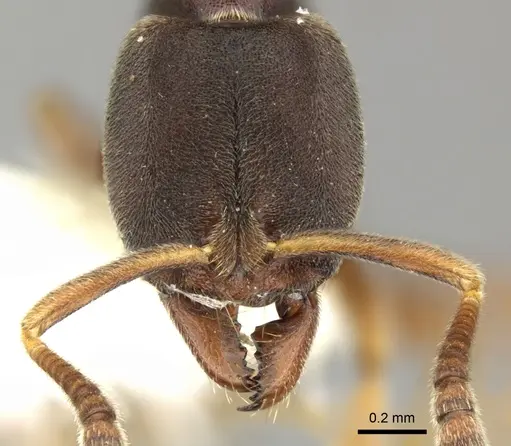
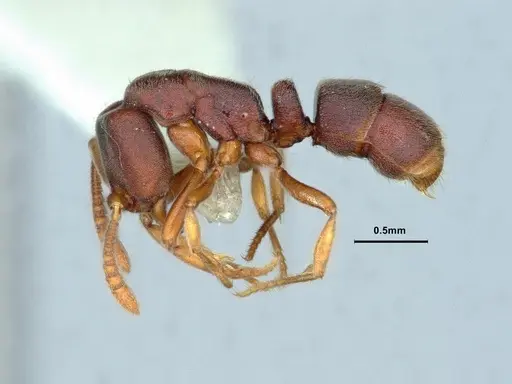
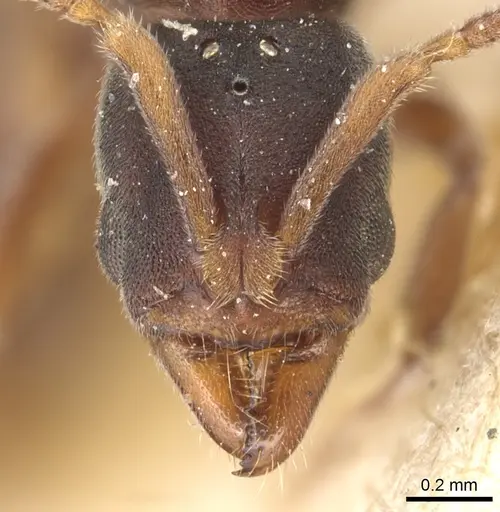
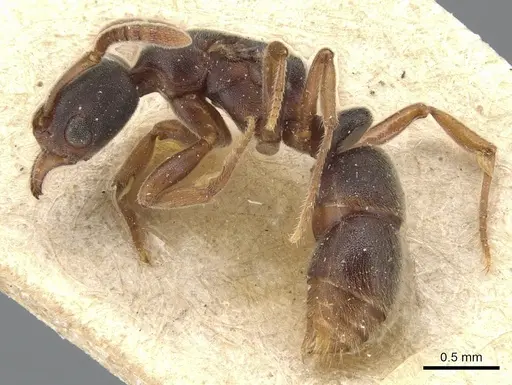
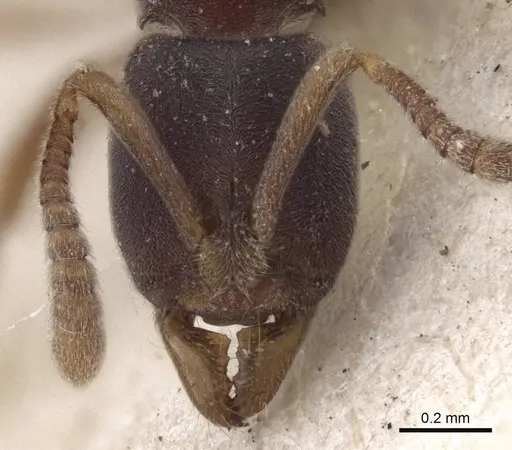
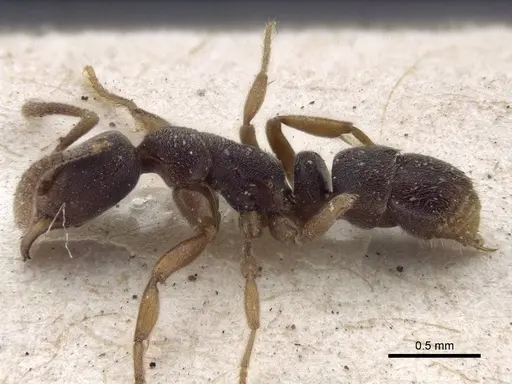
Hypoponera biroi is a small Ponerine ant native to the Australasian region, originally described from New Guinea. Workers are tiny, measuring around 2.5-3mm, with the typical Ponerine body form including a functional stinger. The species has been recorded across a broad geographic range including New Guinea, the Solomon Islands (Guadalcanal), Fiji, and Taiwan. As a member of the subfamily Ponerinae, these ants retain primitive characteristics including a well-developed stinger and are typically predatory in nature. This species remains poorly studied in captivity, with limited documented information on its specific care requirements.
Quick Summary
- Difficulty: Medium
- Origin & Habitat: Native to New Guinea, Solomon Islands, Fiji, and Taiwan. In nature, they likely nest in soil or under stones in forest habitats, typical of Ponerine ants in tropical regions [1][2].
- Colony Type: Colony structure is unconfirmed. Ponerine ants typically establish single-queen colonies, though some Hypoponera species may have ergatoid (wingless) replacement reproductives. No specific data exists for this species.
- Size & Growth:
- Queen: Approximately 3-4mm (estimated from related species)
- Worker: Approximately 2.5-3mm [1]
- Colony: Likely small colonies of under 100 workers based on typical Hypoponera patterns
- Growth: Unknown, likely moderate based on genus patterns
- Development: Estimated 6-8 weeks at tropical temperatures (25-28°C), based on typical Ponerine development (Direct development data unavailable for this species. Ponerines generally develop slower than many Myrmicines due to their more primitive social structure.)
- Antkeeping:
- Temperature: Keep at 24-28°C, reflecting their tropical origin. A slight gradient allows workers to self-regulate.
- Humidity: Moderate to high humidity (60-80%). Keep the nest substrate consistently moist but not waterlogged. Ponerines often prefer damp conditions.
- Diapause: Unlikely required, as a tropical species, they probably do not enter true diapause. However, a slight reduction in temperature during winter months may be appropriate.
- Nesting: Use a naturalistic setup with moist substrate or a Y-tong/plaster nest. These ants prefer tight, enclosed spaces and will do well in test tube setups with access to a foraging area. Provide damp soil or sand for nesting material.
- Behavior: Hypoponera biroi is a cryptic, ground-dwelling ant that is not aggressive but will use its stinger if threatened. Workers are small and slow-moving, typically foraging on the ground surface for small prey. Escape prevention is important due to their tiny size, use fine mesh and secure barriers. They are not known for escape artist behavior but their small size means they can slip through gaps that larger ants cannot.
- Common Issues: tiny size makes escape prevention critical, use fine mesh barriers, limited documented care information means you may need to experiment with conditions, slow colony growth can frustrate beginners, patience is essential, predatory nature requires live prey acceptance, test with small insects, humidity control is important, too dry causes colony decline, too wet causes mold
Housing and Nest Setup
Hypoponera biroi is a tiny ant that prefers enclosed, humid nest spaces. A test tube setup works well for founding colonies, use a small test tube with a water reservoir sealed with a cotton plug, providing a dark, humid chamber. Once the colony reaches 15-20 workers, you can transition to a small formicarium or Y-tong nest. Foraging areas should be simple and easy to maintain. Use a small outworld container with smooth walls to prevent escape. Because of their tiny size, ensure all connections and barriers are secure, even small gaps that you might ignore with larger ants can allow these escapees. A layer of fluon or petroleum jelly on container rims helps prevent escapes. [1]
Feeding and Diet
As a Ponerine ant, Hypoponera biroi is primarily predatory and will hunt small invertebrates. Offer small live prey such as fruit flies, pinhead crickets, mealworm pieces, and other tiny arthropods. They are unlikely to accept sugar water or honey readily, Ponerines typically rely on protein sources. Feed small amounts every 2-3 days, removing uneaten prey after 24 hours to prevent mold. A varied diet helps ensure colony health. Some keepers report success with very small prey items that match the worker size. Observe your colony's acceptance of different foods and adjust accordingly.
Temperature and Humidity
Keep your colony at 24-28°C, reflecting their tropical distribution across New Guinea, Solomon Islands, and Fiji. Temperature affects development speed, warmer temperatures within this range accelerate brood development but require more attention to humidity. Maintain humidity at 60-80% by keeping the nest substrate moist. A water tube attached to the nest provides a constant moisture source. Monitor for condensation, some condensation is normal and beneficial, but excessive moisture leads to mold. Room temperature within this range is often acceptable, but a small heating cable on one side of the nest can create a beneficial gradient.
Colony Development and Growth
Expect slow but steady growth from founding colony to established colony. The first workers (nanitics) may take 6-8 weeks to emerge, though this is estimated based on related species since specific development data is unavailable for H. biroi. Initial colonies grow slowly as the queen invests heavily in each brood. Once the first workers emerge, growth typically accelerates but remains moderate compared to faster-growing genera like Tetramorium or Lasius. Patience is essential, Ponerine colonies do not explode in numbers like some tropical ants. A healthy mature colony may reach 50-100 workers over several years.
Handling and Temperament
Hypoponera biroi is not aggressive and will retreat rather than confront threats. However, as a Ponerine ant, they possess a functional stinger and will use it if handled roughly or if the nest is threatened. The sting is mild due to their tiny size, most keepers report minimal pain comparable to a mosquito bite. They are cryptic by nature and prefer to stay hidden in their nest rather than exploring openly. This makes them less entertaining than some larger, more visible ant species, but their small size and interesting Ponerine morphology make them appealing for advanced antkeepers interested in less common species.
Frequently Asked Questions
How long does it take for Hypoponera biroi to produce first workers?
Based on typical Ponerine development, expect 6-8 weeks from egg to first worker at optimal temperatures (25-28°C). This is an estimate since specific development data for this species is not documented.
What do Hypoponera biroi ants eat?
They are predatory and need live small prey. Offer fruit flies, tiny crickets, mealworm pieces, and other small insects. Sugar sources are unlikely to be accepted, focus on protein-rich foods.
How big do Hypoponera biroi colonies get?
Based on typical Hypoponera patterns, colonies likely remain small at under 100 workers. They are not large colony formers like some Myrmicines.
What temperature do Hypoponera biroi need?
Keep them at 24-28°C, reflecting their tropical origin in New Guinea, Solomon Islands, and Fiji. Room temperature in this range is often suitable.
Do Hypoponera biroi need hibernation?
No, they are tropical ants and do not require hibernation. A slight temperature reduction during winter months may be appropriate but is not necessary.
Is Hypoponera biroi good for beginners?
This species is not ideal for beginners due to limited documented care information, their tiny size requiring excellent escape prevention, and their slow growth. Experienced antkeepers interested in Ponerines will find them more rewarding.
How do I prevent Hypoponera biroi from escaping?
Use fine mesh (0.5mm or smaller) on all ventilation. Apply fluon or petroleum jelly to container rims. Check all connections between nest and outworld regularly. Their tiny size means they can squeeze through gaps invisible to the naked eye.
Can I keep multiple queens together?
This has not been documented for this species. Based on typical Ponerine behavior, single-queen colonies are most likely. Combining unrelated queens is not recommended without evidence they can coexist.
When should I move Hypoponera biroi to a formicarium?
Move from test tube to a formicarium once the colony reaches 15-30 workers. Ensure the new setup maintains appropriate humidity and has appropriately sized chambers for their tiny workers.
References

This caresheet is licensed under CC BY-SA 4.0 .
CASENT0217520
View on AntWeb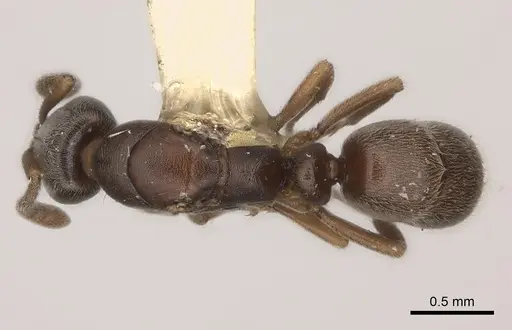
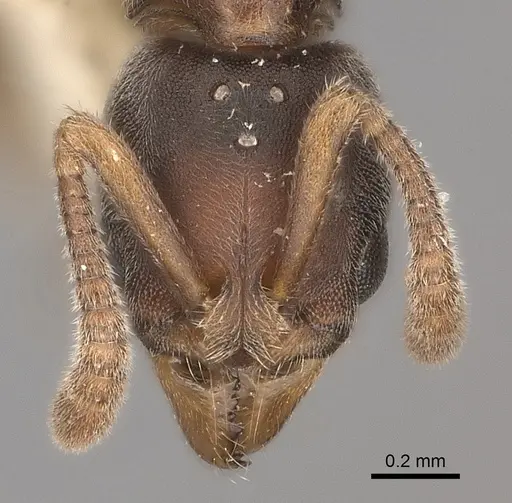
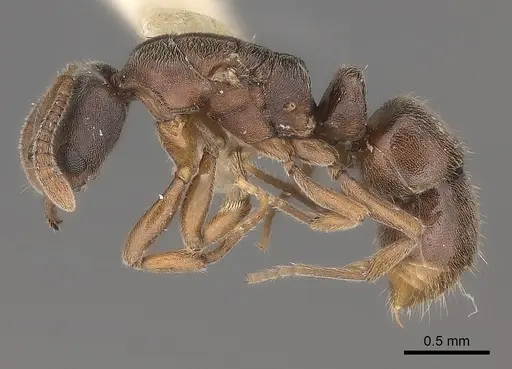
CASENT0270521
View on AntWeb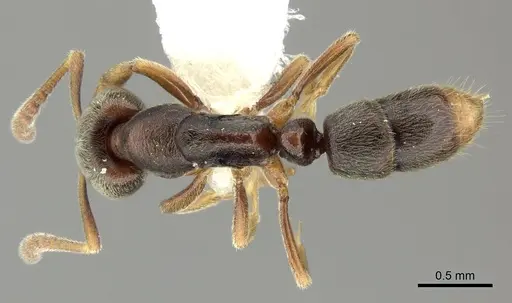
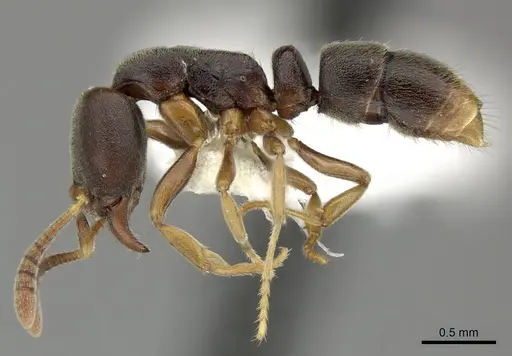
CASENT0886859
View on AntWeb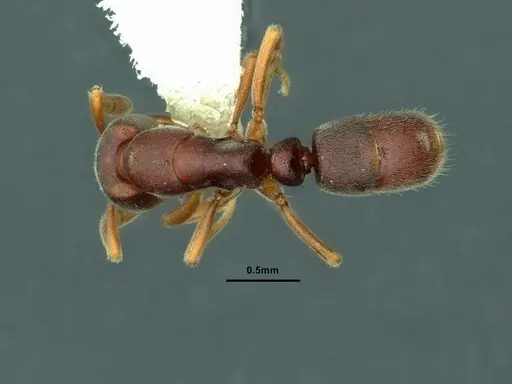
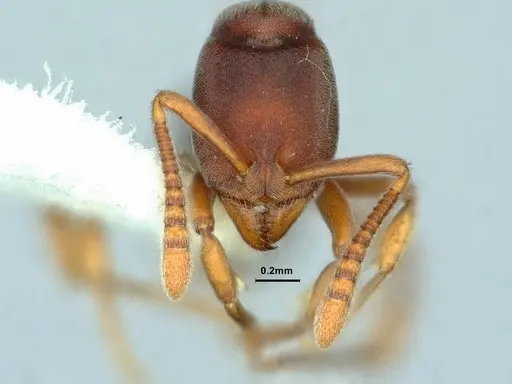
CASENT0903909
View on AntWeb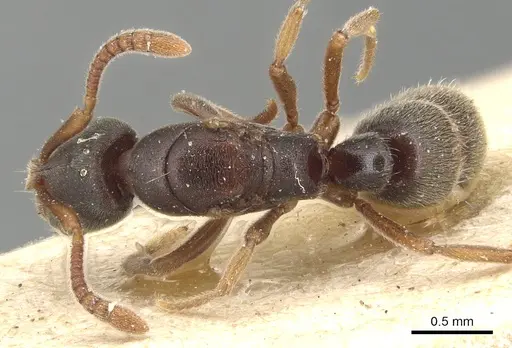
CASENT0916598
View on AntWeb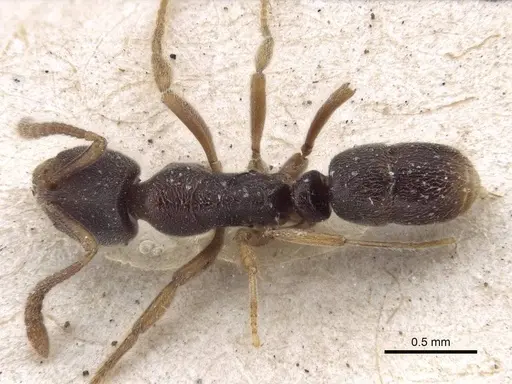
Literature
Loading...Loading products...