

Hylomyrma plumosa
- Scientific Name
- Hylomyrma plumosa
- Tribe
- Pogonomyrmecini
- Subfamily
- Myrmicinae
- Author
- Pierce <i>et al.</i>, 2017
- Distribution
- Found in 1 countries
Hylomyrma plumosa Overview
Hylomyrma plumosa is an ant species of the genus Hylomyrma. It is primarily documented in 1 countries , including Costa Rica. Detailed taxonomic data and occurrence records can be further explored via authoritative databases such as AntWeb or the Global Biodiversity Information Facility (GBIF).
Hylomyrma plumosa
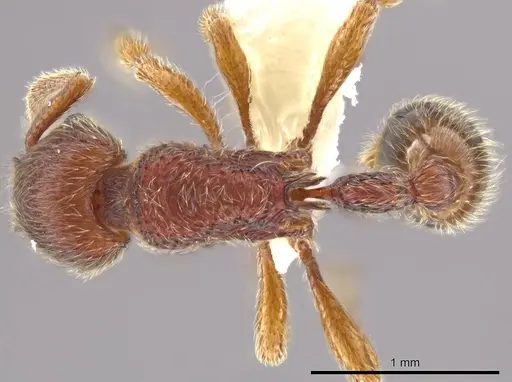
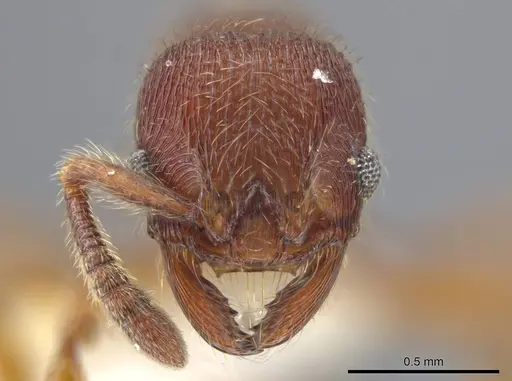
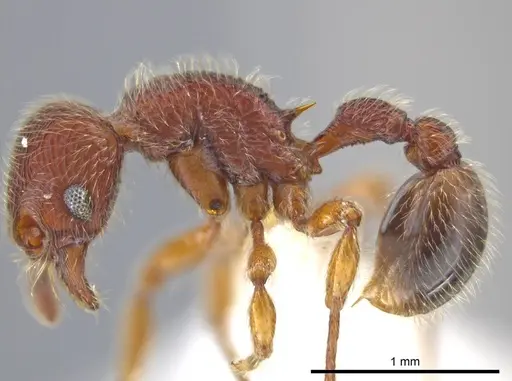
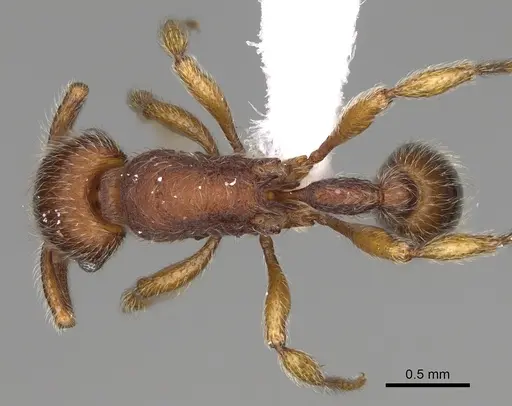
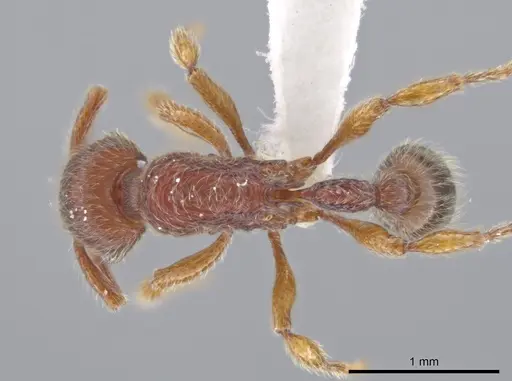
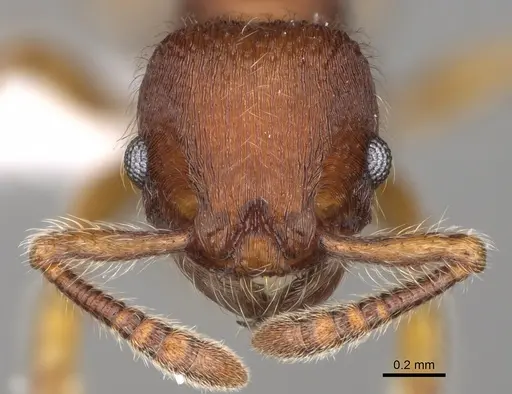
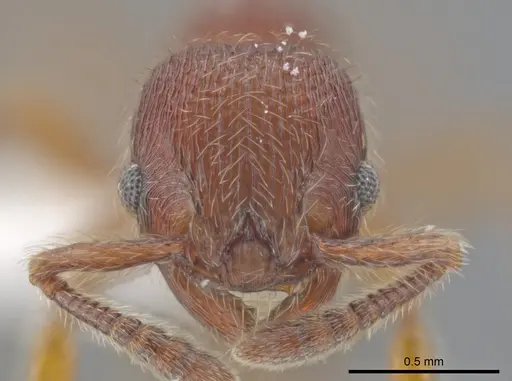
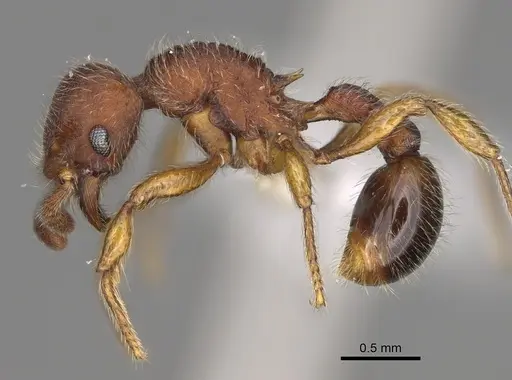
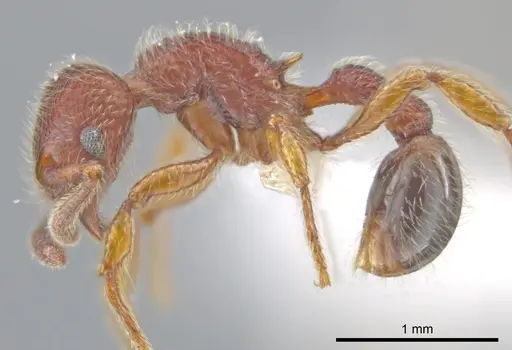
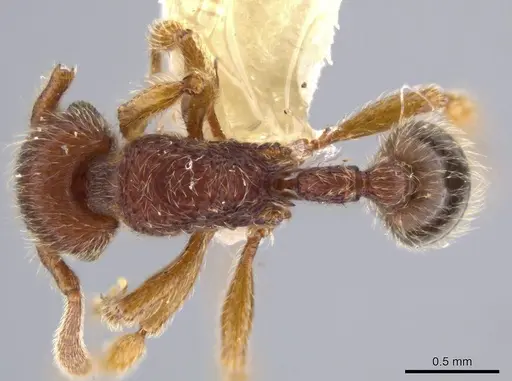
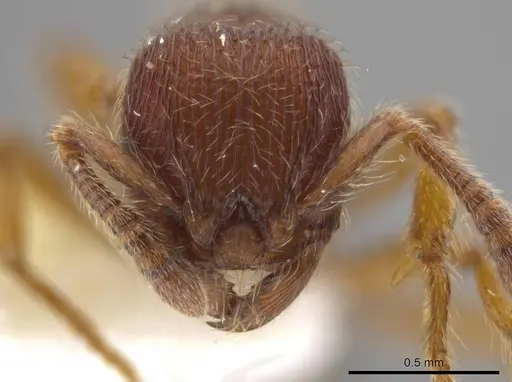
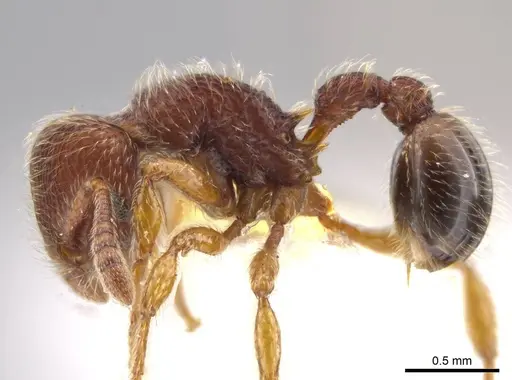
Hylomyrma plumosa is a small Neotropical ant native to the wet forests of Costa Rica. Workers measure 4.15-4.65mm and have a distinctive reddish to reddish-brown body with a darker brown gaster [1]. The species gets its name from the conspicuous branched (plumose) setae covering its dorsum, these are usually trifid (three-branched), giving it a fuzzy appearance unlike most ants [2]. They have relatively large eyes and short propodeal spines. This species was only described in 2017 and remains poorly studied in captivity, making it a challenging but rewarding species for experienced antkeepers who can provide the warm, humid conditions it requires.
Quick Summary
- Difficulty: Medium
- Origin & Habitat: Endemic to Costa Rica, found exclusively in wet lowland tropical forests at elevations between 50-300m in Limón province [1]. The type locality is the Hitoy-Cerere Biological Reserve in tropical rainforest [2].
- Colony Type: Colony structure is unconfirmed. No data exists on whether they are single-queen (monogyne) or multi-queen (polygyne) colonies.
- Size & Growth:
- Queen: Unknown, queen has not been described
- Worker: 4.15-4.65mm total length [1]
- Colony: Unknown, no colony size data available
- Growth: Unknown, no development data exists
- Development: Estimated 6-10 weeks based on typical Myrmicinae patterns at 24-26°C (No direct development data exists for this species. Estimate based on related genera in Myrmicinae.)
- Antkeeping:
- Temperature: Keep at 24-27°C, these are lowland tropical ants requiring warm, stable conditions. A heating cable on one side of the nest creates a gentle gradient.
- Humidity: High humidity is essential, they come from wet Costa Rican forests. Keep nest substrate consistently moist but not waterlogged. Provide a water tube for drinking water.
- Diapause: No, as a tropical species, they do not require hibernation. Maintain warm conditions year-round.
- Nesting: In nature they likely nest in fallen logs, rotten wood, or leaf-litter in superficial soil cavities. In captivity, a naturalistic setup with moist substrate (soil/peat mix) or a Y-tong/plaster nest works well. They prefer tight, enclosed spaces.
- Behavior: This is a poorly known species in captivity. Based on their genus, they are likely generalist foragers that scavenge and hunt small invertebrates. Workers are small (4-4.6mm) so escape prevention should be good, they are not known escape artists. Their large eyes suggest they may be more visually-oriented than typical ants. The trifid setae may serve a defensive or sensory function.
- Common Issues: tropical humidity requirements mean colonies can fail if kept too dry, no captive breeding data exists, wild-caught colonies may be the only option, small colony size means slow growth and higher mortality risk, lack of published care guides means keepers must experiment with conditions, warm temperatures year-round required, no winter rest possible
Natural History and Distribution
Hylomyrma plumosa is endemic to Costa Rica, found only in the wet lowland forests of Limón province in the Caribbean lowlands [2][1]. They occur at elevations between 50-300 meters, typically in tropical rainforest environments. Specimens have been collected from leaf-litter samples, suggesting they nest in decaying wood, under loose bark, or in shallow soil cavities [1]. The species was only formally described in 2017,making it one of the newer ant species in the hobby. It is sympatric (lives in the same areas) with the similar-looking Hylomyrma versuta, but genetic analysis shows they are distinct species with high sequence divergence despite looking very similar [2]. The distinctive plumose (branched) setae that give this species its name are its most recognizable feature.
Housing and Nest Preferences
In the wild, Hylomyrma plumosa lives in wet forest environments with high humidity. In captivity, they do best in naturalistic setups with moist substrate or in plaster/Y-tong nests that hold humidity well. A soil/peat mixture as substrate works well, keep it consistently damp but not flooded. Since they nest in leaf-litter and rotting wood in nature, they prefer enclosed, tight spaces rather than open areas. The nest should have chambers small enough that the ants feel secure. A water tube should always be available for drinking water, as tropical ants often need free water access. Room temperature is likely suitable if your home stays in the low-mid 20s°C, otherwise use a gentle heat source. [1]
Feeding and Diet
The diet of Hylomyrma plumosa has not been specifically studied, but like other members of the tribe Pogonomyrmecini, they are likely generalist omnivores. Offer a varied diet including: small live insects (fruit flies, pinhead crickets, small mealworms), protein gels or pieces of raw chicken/egg, and sugar sources (honey water, sugar water). Since they are small ants, prey items should be appropriately sized. Feed protein 2-3 times per week and keep sugar water available at all times. Remove uneaten prey after 24-48 hours to prevent mold. Their tropical origin suggests they may have higher protein needs for growth.
Temperature and Seasonal Care
As a tropical lowland species from Costa Rica, Hylomyrma plumosa requires warm conditions year-round. Keep the nest area at 24-27°C (75-80°F). Unlike temperate species, they do not undergo diapause or hibernation, maintaining consistent warmth is critical. A small heating cable placed on one side of the nest can create a temperature gradient, allowing ants to self-regulate. Avoid temperature drops below 20°C, as this could stress or kill the colony. High ambient humidity (60-80%) complements their wet forest origins. If your room is cooler, use a heat mat or heating cable, placing it on top of the nest rather than underneath to avoid drying out the substrate. [1]
Colony Development and Growth
No published data exists on the development time of Hylomyrma plumosa from egg to worker. Based on typical patterns in the Myrmicinae subfamily, expect roughly 6-10 weeks at optimal temperatures (24-26°C). Queen size is unknown as the queen caste has not been described in scientific literature. Colony size in the wild is also undocumented, but related Hylomyrma species typically form colonies of several hundred workers. Growth is likely slow compared to faster-moving genera like Pheidole, patience is essential. Do not disturb the queen during founding, claustral (sealed-in) founding is typical for Myrmicinae, though this specific species has not been studied.
Behavior and Handling
Hylomyrma plumosa workers are small (under 5mm) and relatively docile. They possess a stinger typical of Myrmicinae, but given their tiny size, it is unlikely to penetrate human skin effectively. They are not aggressive defenders and are unlikely to bite. Workers are moderately active foragers. Their relatively large eyes suggest they may rely more on visual cues than many ants, though this is speculative. Escape prevention should be adequate for their size, they are not particularly agile climbers, but use fluon on container rims as a precaution. This is a calm species suitable for observation but not for handling. [2]
Frequently Asked Questions
How long does it take for Hylomyrma plumosa to have first workers?
The exact development time is unknown, but based on typical Myrmicinae patterns, expect 6-10 weeks from egg to worker at optimal temperatures (24-26°C). This is an estimate as no specific development data exists for this species.
What do Hylomyrma plumosa ants eat?
They likely accept a generalist diet similar to other Myrmicinae: small live insects (fruit flies, pinhead crickets), protein (egg, chicken), and sugar sources (honey water, sugar water). Offer variety and remove uneaten prey after a day.
Do Hylomyrma plumosa ants need hibernation?
No. As a tropical species from Costa Rica, they do not require hibernation or winter cooling. Keep them warm year-round at 24-27°C.
Are Hylomyrma plumosa good for beginners?
No. This is a challenging species for experienced keepers only. They were only described in 2017 and have no established captive breeding protocols. Their high humidity and temperature requirements make them difficult for beginners.
How big do Hylomyrma plumosa colonies get?
Colony size is undocumented, but based on related species, they likely reach several hundred workers. Growth is expected to be slow.
Can I keep multiple Hylomyrma plumosa queens together?
Unknown. No data exists on their colony structure (monogyne vs polygyne). Combining unrelated queens is not recommended due to lack of information.
What humidity do Hylomyrma plumosa need?
High humidity, they come from wet Costa Rican forests. Keep nest substrate consistently moist but not waterlogged, with ambient humidity around 60-80%.
What temperature is ideal for Hylomyrma plumosa?
Keep them at 24-27°C (75-80°F). This is a lowland tropical species requiring warm, stable conditions year-round.
References

This caresheet is licensed under CC BY-SA 4.0 .
Literature
Loading...Loading products...