

Hylomyrma lispectorae
- Scientific Name
- Hylomyrma lispectorae
- Tribe
- Pogonomyrmecini
- Subfamily
- Myrmicinae
- Author
- Ulysséa, 2021
- Distribution
- Found in 1 countries
Hylomyrma lispectorae Overview
Hylomyrma lispectorae is an ant species of the genus Hylomyrma. It is primarily documented in 1 countries , including Ecuador. Detailed taxonomic data and occurrence records can be further explored via authoritative databases such as AntWeb or the Global Biodiversity Information Facility (GBIF).
Hylomyrma lispectorae
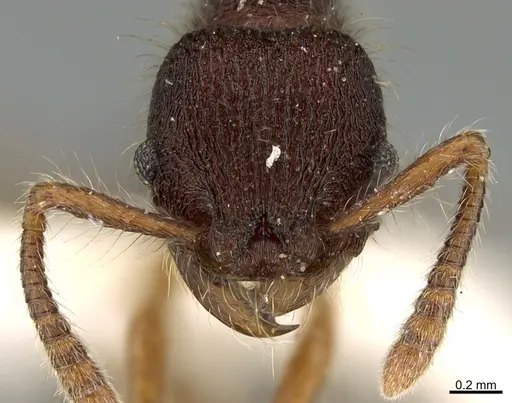
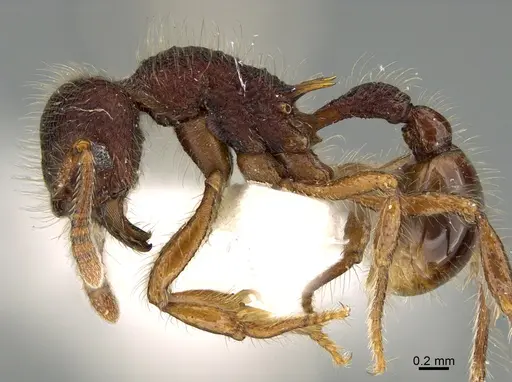
Hylomyrma lispectorae is a midsized Neotropical ant native to tropical rainforests in Colombia and Ecuador. Workers measure 4.77-5.21mm with a shiny dark integument and distinctive vermicular (worm-like) striations on the head that diverge toward the rear. The mesosoma is notably convex, and the petiole has a continuous rounded dorsal margin. Queens are larger at 5.34-5.78mm. This species was only described in 2021 and is named after Clarice Lispector, the renowned Ukrainian-Brazilian novelist. It closely resembles Hylomyrma montana but can be distinguished by its vermicular striations of variable thickness with indistinguishable interspaces versus the regular striae of H. montana. The genus Hylomyrma remains poorly studied in captivity, making this a species for more experienced antkeepers who enjoy working with rare species.
Quick Summary
- Difficulty: Expert
- Origin & Habitat: Tropical rainforests of Colombia and Ecuador, below 600m altitude. Specimens collected from leaf-litter using winkler extractors and Berlese-Tüllgren funnels, indicating they nest in fallen logs, rotten wood, between leaves, or in natural cavities of superficial soil layers [1][2].
- Colony Type: Colony structure is unconfirmed. No published data exists on whether this species is single-queen (monogyne) or multi-queen (polygyne).
- Size & Growth:
- Queen: 5.34-5.78mm [1]
- Worker: 4.77-5.21mm [1]
- Colony: Unknown, no colony size data published
- Growth: Unknown, no development timing data available for this recently described species
- Development: Unknown, no direct measurements exist. Based on typical Myrmicinae patterns, expect 6-10 weeks at optimal temperature, but this is an estimate. (This species was only described in 2021,so no captive breeding data exists. Estimates based on genus-level patterns for Myrmicinae.)
- Antkeeping:
- Temperature: Keep around 24-26°C. Being a tropical rainforest species from low altitudes in Colombia and Ecuador, they need warm, stable conditions [1]. A heating cable on one side of the nest creates a gentle gradient.
- Humidity: High humidity is essential, think damp rainforest floor. Keep the nest substrate consistently moist but not waterlogged. Provide a water tube as a humidity source. The leaf-litter collection method indicates they prefer humid microhabitats [1].
- Diapause: Unlikely to require true diapause. As a tropical species from below 600m in Ecuador and Colombia, they experience minimal seasonal temperature variation. However, they may have reduced activity during drier periods.
- Nesting: In captivity, they likely prefer naturalistic setups that mimic their natural nesting sites. A Y-tong (AAC) nest or plaster nest with moisture retention works well. The species was collected from leaf-litter and rotting wood, so include some decaying organic material in the setup if possible. Keep chambers appropriately scaled to their 5mm worker size.
- Behavior: Behavior is poorly documented. Based on collection methods (leaf-litter extraction), they are likely ground-nesting and surface-active foragers. Escape risk is moderate, their 5mm size means standard barriers work well, but they are agile climbers. No data on aggression levels, but Myrmicinae generally can deliver a sting if threatened. Being a recently described species with no captive history, expect some trial and error in establishing optimal care.
- Common Issues: no captive breeding data means you are pioneering husbandry, expect losses while learning their needs, high humidity requirements can lead to mold problems if ventilation is inadequate, tropical species may struggle if temperatures drop below 22°C, being a rare species, finding compatible tank mates or establishing proper colony ratios is speculative, no documented diet acceptance, you will need to experiment with various foods
Discovery and Naming
Hylomyrma lispectorae was only described in 2021 by Mônica Antunes Ulysséa and C.R.F. Brandão through their comprehensive taxonomic revision of the genus Hylomyrma. The species was named after Clarice Lispector (1920-1977), the celebrated Ukrainian-Brazilian novelist, poetess, and short story writer. The type locality is in Pichincha, Ecuador,4km east of Santo Domingo de los Colorados. Specimens were collected by S. and J. Peck in 1975-1976 using specialized entomological extraction methods from leaf-litter. This species is known only from Colombia and Ecuador, where it occurs in sympatry with Hylomyrma montana in two Ecuadorian localities [1].
Natural Habitat and Nesting
This species inhabits tropical rainforest areas at altitudes below 600 meters. The specimens were collected using winkler extractors and Berlese-Tüllgren funnels, specialized tools that separate insects from leaf-litter and soil samples. This collection method strongly suggests that nests are located in fallen logs, rotten wood, between accumulated leaves, or inside natural cavities in the superficial soil layers. In captivity, you should replicate these conditions with a naturalistic setup that includes damp substrate, decaying organic material, and appropriately sized chambers. The species prefers high humidity environments typical of tropical rainforest floor microhabitats [1][2].
Identification and Distinction
Hylomyrma lispectorae workers are midsized ants measuring 4.77-5.21mm with a shiny integument. The most distinctive features are the vermicular (worm-like) striations on the head dorsum that diverge toward the posterior margin, with thinner striae filling the spaces between thicker ones. The mesosoma is notably convex, and the dorsal margin of the petiole is continuous and rounded. The postpetiole is smooth, and striation on the first gastral segment is restricted to the base and very short. This species is very similar to Hylomyrma montana, which it overlaps with geographically in Ecuador. You can distinguish them by the striae: H. lispectorae has vermicular striae of variable thickness with indistinguishable interspaces, while H. montana has irregular striae of uniform thickness with distinguishable interspaces [1].
Feeding and Diet
The diet of Hylomyrma lispectorae has not been documented in scientific literature. As a Myrmicinae member from tropical rainforests, they likely have an omnivorous diet similar to other ground-nesting ants in that region, accepting protein sources like small insects and carbohydrates from honeydew or nectar. Start by offering small live prey (fruit flies, pinhead crickets, mealworms) and sugar water or honey. Monitor acceptance carefully and adjust offerings based on colony response. Given their small size, prey items should be appropriately sized. Do not rely on sugar sources exclusively until you confirm acceptance [1].
Temperature and Humidity Requirements
Being a tropical rainforest species from low altitudes in Colombia and Ecuador, Hylomyrma lispectorae requires warm and humid conditions. Keep temperatures in the range of 24-26°C. A heating cable placed on one side of the nest creates a gentle thermal gradient that allows the ants to self-regulate. Humidity should be high, the substrate should feel consistently moist but never waterlogged. Provide a water tube as a constant humidity source. The leaf-litter collection method indicates they thrive in damp conditions similar to rainforest floor microhabitats. Poor humidity or temperatures below 22°C will likely cause colony decline [1][2].
Colony Structure and Development
No published data exists on the colony structure of Hylomyrma lispectorae, whether they are single-queen (monogyne) or multi-queen (polygyne) colonies is unknown. Similarly, founding behavior, development timeline, and maximum colony size have not been documented. This species was only described in 2021,making it one of the most recently described ants in the hobby. You will essentially be pioneering captive husbandry for this species. Based on typical Myrmicinae patterns, expect founding to take 6-10 weeks from egg to first worker, but this is an estimate. Queens are larger than workers (5.34-5.78mm vs 4.77-5.21mm) and likely have substantial energy reserves for claustral founding, though this is not confirmed [1].
Frequently Asked Questions
How long does it take for Hylomyrma lispectorae to produce first workers?
The egg-to-worker timeline is unconfirmed for this species, no captive breeding data exists. Based on typical Myrmicinae development patterns, expect approximately 6-10 weeks at optimal temperature (24-26°C), but this is an estimate. You are essentially pioneering captive husbandry for this recently described species.
What do Hylomyrma lispectorae ants eat?
Diet is not documented for this species. As a ground-nesting tropical ant, they likely accept small live prey (fruit flies, tiny crickets, mealworms) and sugar sources (honey water). Start with offering small protein prey twice weekly and sugar water constantly. Adjust based on what your colony accepts.
Are Hylomyrma lispectorae good for beginners?
No. This is an expert-level species due to several factors: it was only described in 2021 with no captive husbandry data, requires high humidity and warm temperatures, has an unknown colony structure, and you will essentially be pioneering its care in captivity. Only experienced antkeepers should attempt this species.
Do Hylomyrma lispectorae ants sting?
As a Myrmicinae member, they likely possess a stinger. The sting's potency for this specific species is unstudied. Most Myrmicinae stings are mild to humans, though some can be painful. Handle with care regardless.
What temperature should I keep Hylomyrma lispectorae at?
Keep them at 24-26°C. This tropical rainforest species from lowland Ecuador and Colombia requires warm, stable conditions. A heating cable on one side of the nest creates a gradient. Avoid temperatures below 22°C.
What humidity do Hylomyrma lispectorae need?
High humidity is essential, keep the nest substrate consistently moist but not waterlogged. Think damp rainforest floor conditions. Provide a water tube as a humidity source. The species was collected from leaf-litter in tropical rainforests, indicating they need humid microhabitats.
Can I keep multiple queens together?
Unknown. No published data exists on whether this species is monogyne (single-queen) or polygyne (multi-queen). Until documented, do not attempt combining unrelated queens, the safe approach is single-queen colonies.
What type of nest should I use for Hylomyrma lispectorae?
A naturalistic setup that mimics their natural habitat works best. A Y-tong (AAC) nest or plaster nest with good moisture retention is suitable. Include some decaying organic material if possible. Keep chambers appropriately scaled to their 5mm worker size.
Do Hylomyrma lispectorae need hibernation?
Unlikely. As a tropical species from below 600m in Ecuador and Colombia, they experience minimal seasonal temperature variation and do not require true diapause. They may have reduced activity during drier periods, but no hibernation is needed.
How big do Hylomyrma lispectorae colonies get?
Unknown. No colony size data has been published. Being a recently described species with limited collection records, maximum colony size is unconfirmed. Expect moderate-sized colonies based on their 5mm worker size.
References

This caresheet is licensed under CC BY-SA 4.0 .
MCZ-ENT00524670
View on AntWeb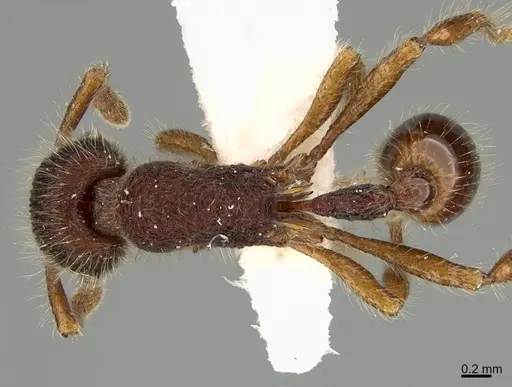
Literature
Loading...Loading products...