

Hylomyrma montana
- Scientific Name
- Hylomyrma montana
- Tribe
- Pogonomyrmecini
- Subfamily
- Myrmicinae
- Author
- Pierce <i>et al.</i>, 2017
- Distribution
- Found in 2 countries
Hylomyrma montana Overview
Hylomyrma montana is an ant species of the genus Hylomyrma. It is primarily documented in 2 countries , including Costa Rica, Ecuador. Detailed taxonomic data and occurrence records can be further explored via authoritative databases such as AntWeb or the Global Biodiversity Information Facility (GBIF).
Hylomyrma montana
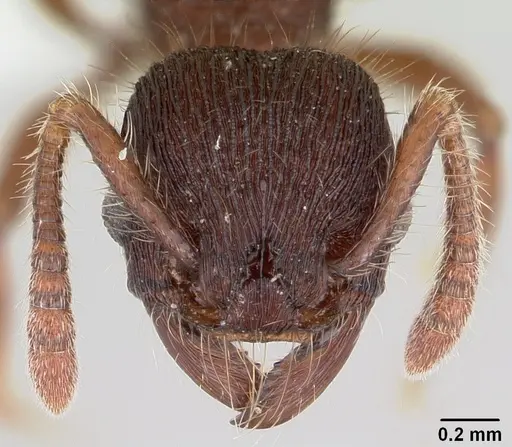
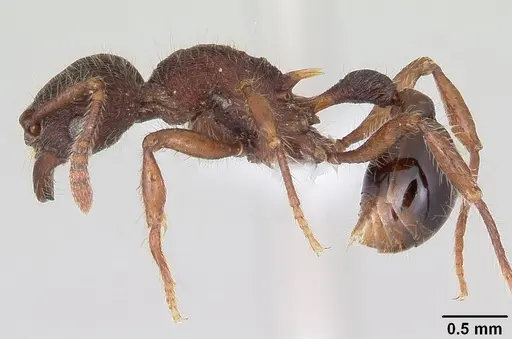
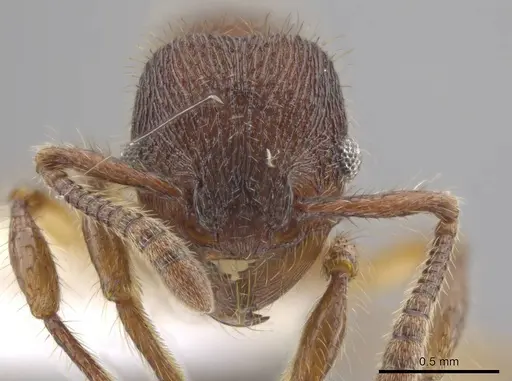
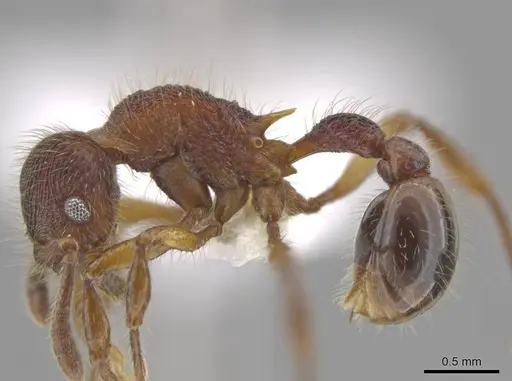
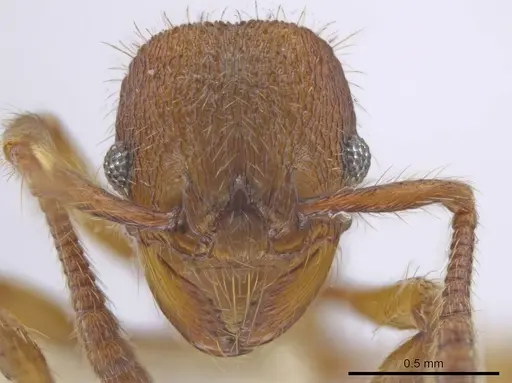
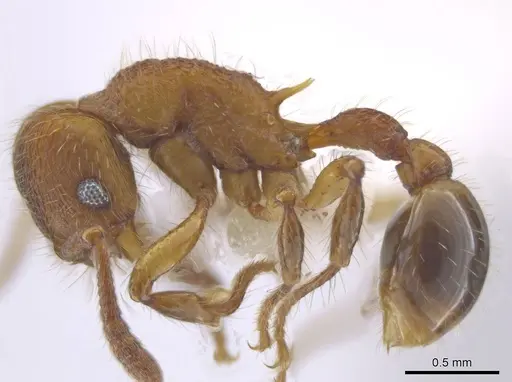
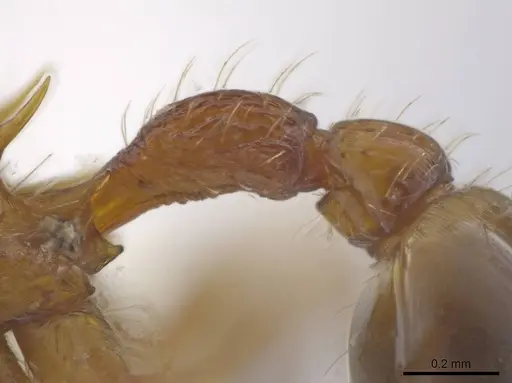
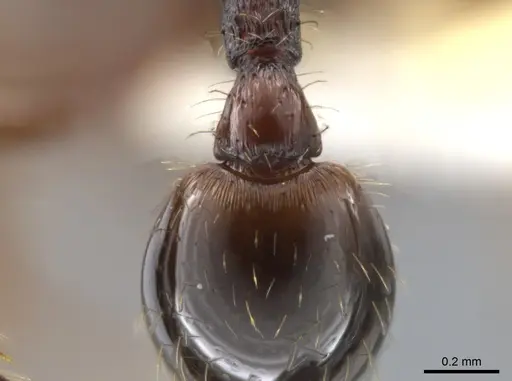
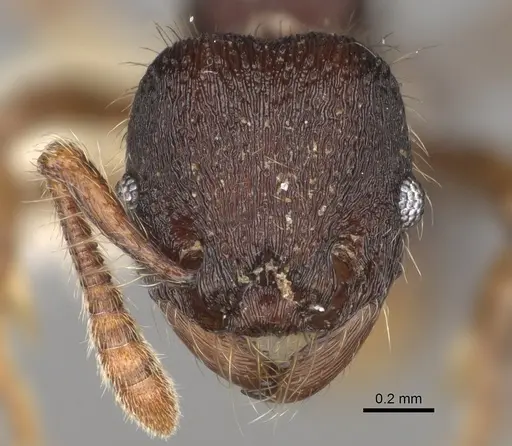
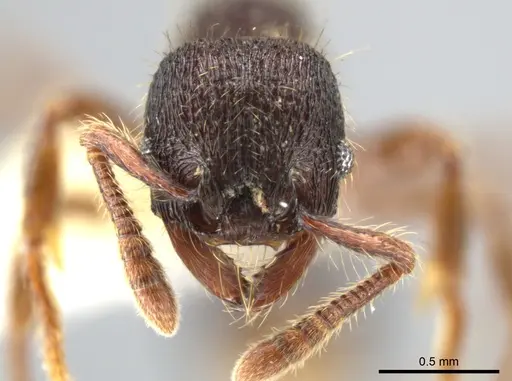
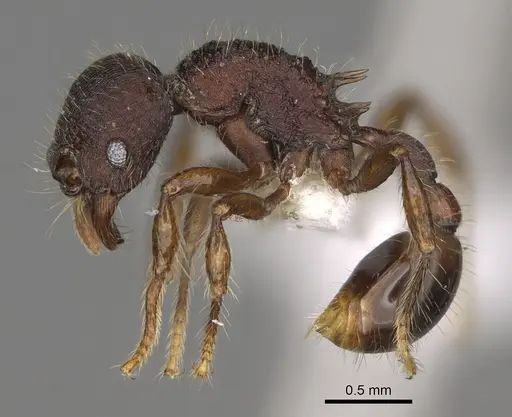
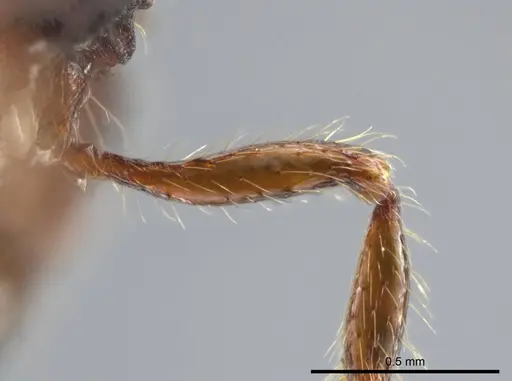
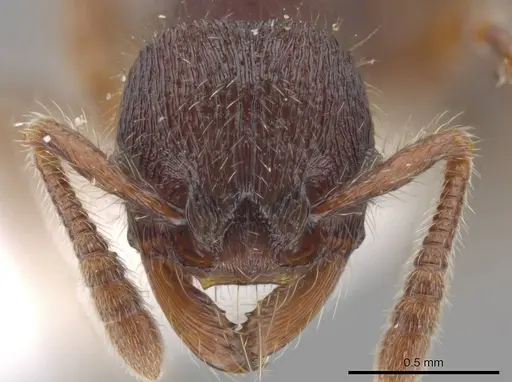
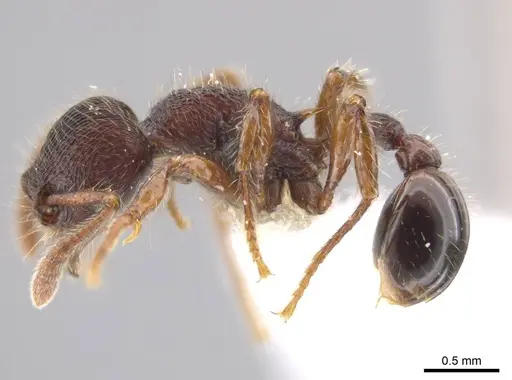
Hylomyrma montana is a small Neotropical ant species native to Central America and Ecuador, first described in 2017. Workers measure 4.3-4.5mm with a distinctive dark reddish-brown body and lighter-colored legs and antennae. This species is notable as the first recorded member of the genus Hylomyrma to be exclusively restricted to cloud forest habitat, living at elevations between 29 and 1800 meters. The head and mesosoma feature characteristic striations, while the postpetiole (the segment behind the waist) is notably smooth and shiny. Queens are larger at 5.5-5.6mm and were only described in 2021. The presence of intercastes (intermediate forms between workers and queens) has been documented in some specimens. This species represents the single colonization of montane habitat from lowland ancestors within its genus [1][2].
Quick Summary
- Difficulty: Unknown, limited husbandry data available
- Origin & Habitat: Cloud forests of Costa Rica, Panama, and Ecuador's Pacific slope at elevations of 29-1800m [2][1]. Type locality is Cerro Platano in Costa Rica at 1130m elevation in cloud forest [2].
- Colony Type: Colony structure unconfirmed, no published data on queen number or colony size in the wild
- Size & Growth:
- Queen: 5.49-5.62mm [2]
- Worker: 4.31-4.47mm [2]
- Colony: Unknown, no colony size data available
- Growth: Unknown
- Development: Unknown, no development data available for this species (Development timeline has not been studied. Related Hylomyrma species may provide rough estimates, but specific data is lacking.)
- Antkeeping:
- Temperature: Based on cloud forest habitat, keep in the cool range around 18-22°C with stable conditions. Avoid overheating. Room temperature is likely suitable for most keepers.
- Humidity: High humidity required, think damp cloud forest floor. Keep nest substrate consistently moist but not waterlogged. Provide a humidity gradient so ants can choose their preferred zone.
- Diapause: Unknown, no published data on overwintering requirements. Cloud forests experience mild seasonal variation, so a cool period (not true hibernation) around 15-18°C for 2-3 months may be appropriate.
- Nesting: In the wild, nests are located in leaf-litter, fallen logs, rotten wood, or natural cavities in superficial soil layers [2]. For captivity, a naturalistic setup with moist substrate (soil/peat mix) works well, or a Y-tong/plaster nest with good moisture retention. Avoid dry setups.
- Behavior: Workers are moderately active foragers. No specific aggression or defense data is available, but the genus is not known for particularly aggressive behavior. Escape risk is moderate, these are small ants but not among the tiniest, so standard escape prevention measures should suffice.
- Common Issues: limited husbandry data makes care recommendations uncertain, this is a newly described species with almost no biological studies, humidity requirements are critical, too dry and colonies will fail, no data on founding behavior means claustral vs semi-claustr al is unknown, wild-caught colonies may have collection-related stress or parasites
Nest Preferences and Housing
Hylomyrma montana is a leaf-litter specialist found in wet forest environments. In their natural habitat, they nest in leaf-litter, fallen logs, rotten wood, or natural cavities in the superficial soil layers [2]. For captive care, a naturalistic setup with a moist soil or peat-based substrate is ideal. The substrate should remain damp but not waterlogged, think of the moisture level in a forest floor that never fully dries out. Y-tong (AAC) nests or plaster nests with good water retention also work well, as these materials can maintain the humidity levels this species requires. Avoid dry setups entirely, as this species will not survive in arid conditions. Provide some cover or debris on the surface to simulate the leaf-litter layer they naturally inhabit.
Feeding and Diet
The specific diet of Hylomyrma montana has not been documented in scientific literature. As a member of the tribe Pogonomyrmecini (which includes seed-harvesting ants like Pogonomyrmex), they may have some dietary overlap with granivorous species, but Hylomyrma is generally considered more predatory and omnivorous than typical seed-harvesters. Based on related species in the genus, they likely consume small insects, other arthropods, and honeydew from aphids or scale insects. For captive feeding, offer small live prey such as fruit flies, pinhead crickets, or mealworms, along with sugar sources like honey water or sugar water. Given the uncertainty about their exact dietary needs, offering a varied diet and observing what they accept is the best approach.
Temperature and Environmental Conditions
This species is restricted to cloud forest habitat in the wild, which provides important clues about their temperature requirements. Cloud forests are characterized by cool, stable temperatures with high humidity year-round. Based on their natural elevation range (29-1800m), aim for temperatures in the cool range of approximately 18-22°C. Avoid temperatures above 25°C, as this species is not adapted to warm conditions. Room temperature is likely suitable for most ant keepers, but monitor for overheating if using any heating equipment. The key is stability, avoid temperature fluctuations. If your room runs cool, a gentle heat gradient using a heating cable on one side of the nest (placed on top of the nest, not underneath to avoid drying) can help maintain appropriate temperatures. [1][2]
Humidity Requirements
High humidity is critical for keeping Hylomyrma montana successfully. As a cloud forest species, they are adapted to consistently moist conditions. Keep the nest substrate damp to the touch at all times, but avoid standing water or waterlogging which can drown the colony. The air humidity should also be high, consider using a hydration system or misting the outworld occasionally. Providing a humidity gradient allows the ants to self-regulate by moving between moister and drier areas within the nest. Good ventilation is still necessary to prevent mold, but avoid excessive airflow that dries out the nest. The goal is damp forest floor conditions, not wet swamp or dry room. [2]
Colony Structure and Development
The colony structure of Hylomyrma montana remains unstudied in the scientific literature. Researchers have documented the presence of intercastes, intermediate forms between workers and queens, in some specimens, which suggests some flexibility in caste development [1]. Two specimens from Panama showed more queen-like traits including larger body size, three ocelli (simple eyes), and differentiated mesonotum structure [1]. However, this does not necessarily indicate polygyny (multiple queens). The maximum colony size is unknown, as no colony size data has been published. Similarly, the egg-to-worker development timeline has not been studied. Queens measure 5.49-5.62mm while workers are 4.31-4.47mm [2]. Given the lack of specific data, keepers should expect slow growth typical of many Myrmicinae species and be patient during the founding stage.
Behavior and Temperament
Specific behavioral observations for Hylomyrma montana are limited, but the genus is not known for particularly aggressive or unusual behaviors. Workers are small at 4.3-4.5mm and likely forage in the leaf-litter layer. They have relatively small eyes (OI 21-24) compared to some related species, which may indicate less visual reliance and more chemical/ tactile foraging strategies [1]. The propodeal spines are medium-sized and may be used in defense, though the genus is not considered particularly defensive. Workers likely use chemical trails for foraging communication rather than the tandem-running seen in some other ants. The presence of intercastes suggests some developmental flexibility, but the functional significance is unclear. Overall, expect calm, moderately active ants that focus on foraging in the substrate layer.
Frequently Asked Questions
How difficult is Hylomyrma montana to keep?
Difficulty level is currently unknown as this is a newly described species with almost no husbandry data. The primary challenge is providing appropriate cloud forest conditions, high humidity and cool, stable temperatures. If you can maintain consistently damp conditions around 18-22°C, keeping this species should be manageable. However, the lack of biological data means some trial and error may be required.
What do I feed Hylomyrma montana?
Specific dietary data is lacking for this species. Based on related Hylomyrma species, offer small live prey (fruit flies, small crickets, mealworms) and sugar sources (honey water, sugar water). Observe what your colony accepts and adjust accordingly. Avoid over-relying on dry seeds given the limited data on granivory in this species.
What temperature does Hylomyrma montana need?
Keep them cool, around 18-22°C based on their cloud forest habitat. Avoid temperatures above 25°C. Room temperature is likely appropriate for most keepers. If your room runs cold, a gentle heat gradient can help, but avoid overheating.
What humidity level is required?
High humidity is essential. Keep the nest substrate consistently damp but not waterlogged. Think damp forest floor, the substrate should feel moist to the touch. Provide a humidity gradient so ants can choose their preferred zone.
How long does it take for the first workers to emerge?
The development timeline has not been studied for this species. Based on typical Myrmicinae patterns, expect 6-10 weeks from egg to worker at optimal temperature, but this is an estimate only.
Can I keep multiple queens together?
This has not been documented. The colony structure (monogyne vs polygyne) is unknown for Hylomyrma montana. Do not combine unrelated foundress queens without documented evidence that this species tolerates pleometrosis.
What type of nest should I use?
A naturalistic setup with moist substrate (soil/peat mix) works best to simulate their natural leaf-litter habitat. Y-tong or plaster nests with good moisture retention are also suitable. Avoid dry setups entirely.
Does Hylomyrma montana need hibernation?
Diapause requirements are unknown. Cloud forests experience mild seasonal variation, so a cool period around 15-18°C for 2-3 months during winter months may be appropriate, but this is an educated guess rather than documented requirement.
Where is Hylomyrma montana found in the wild?
This species is found in Costa Rica, Panama, and the Pacific slope of Ecuador at elevations between 29 and 1800 meters. It is the first recorded Hylomyrma species exclusively restricted to cloud forest habitat.
How big do colonies get?
Maximum colony size is unknown, no colony size data has been published for this species. Expect moderate-sized colonies based on typical genus patterns.
Is Hylomyrma montana good for beginners?
Not recommended for beginners due to the lack of husbandry data and specific humidity/temperature requirements. This species is best suited for experienced antkeepers who can maintain consistent cloud forest conditions and who are comfortable with species that require some experimental care.
References

This caresheet is licensed under CC BY-SA 4.0 .
CASENT0428625
View on AntWeb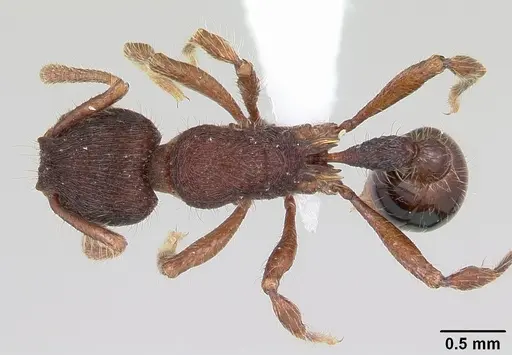
CASENT0633349
View on AntWeb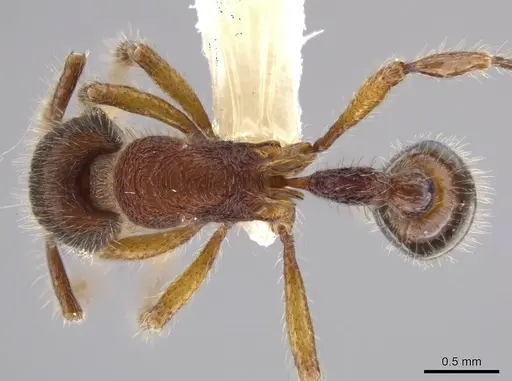
CASENT0633695
View on AntWeb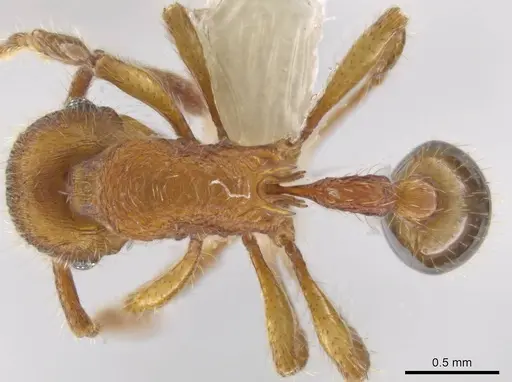
CASENT0637306
View on AntWeb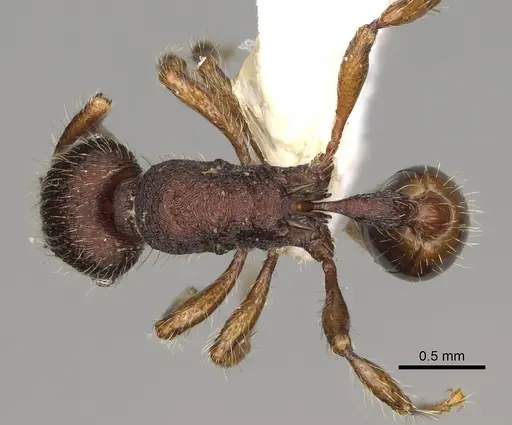
INB0003665629
View on AntWeb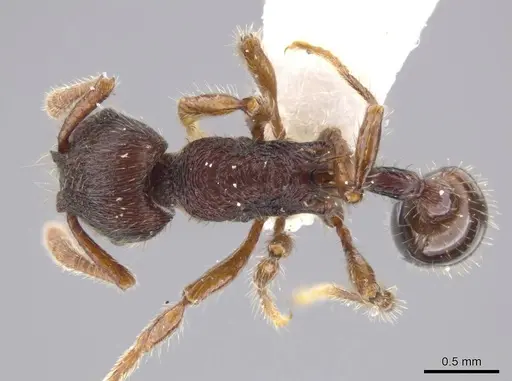
Literature
Loading...Loading products...