

Hylomyrma dentiloba
- Scientific Name
- Hylomyrma dentiloba
- Tribe
- Pogonomyrmecini
- Subfamily
- Myrmicinae
- Author
- Santschi, 1931
- Distribution
- Found in 7 countries
Hylomyrma dentiloba Overview
Hylomyrma dentiloba is an ant species of the genus Hylomyrma. It is primarily documented in 7 countries , including Brazil, Costa Rica, Guatemala. Detailed taxonomic data and occurrence records can be further explored via authoritative databases such as AntWeb or the Global Biodiversity Information Facility (GBIF).
Hylomyrma dentiloba
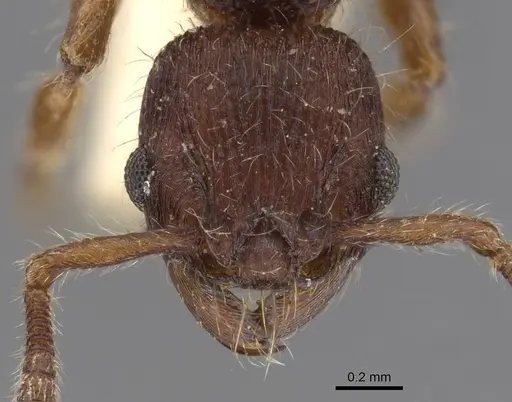
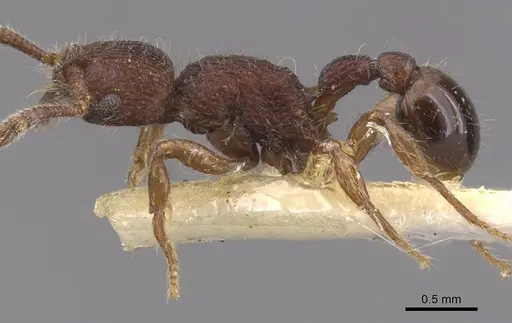
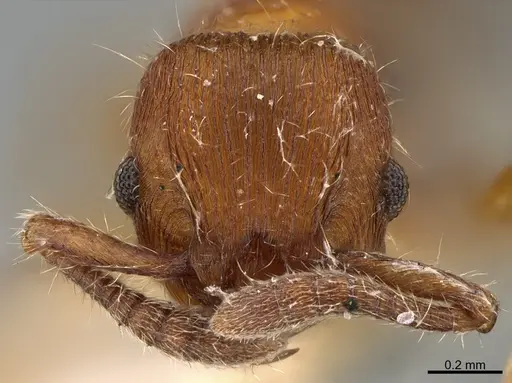
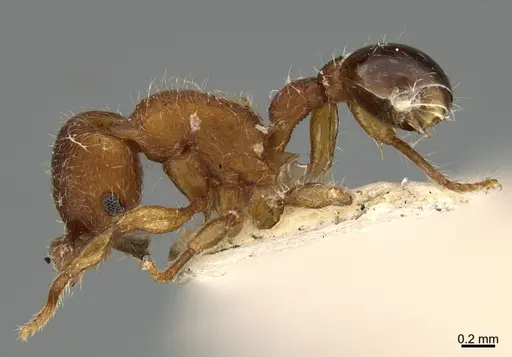
Hylomyrma dentiloba is a small to midsized ant native to Central America, found only in Panama and the Osa Peninsula of Costa Rica [1][2]. Workers measure 4.15-4.65mm with a distinctive appearance featuring longitudinal striae on the head, a flattened mesosoma, and relatively large eyes [3]. The species is cryptic, it looks nearly identical to the closely related Hylomyrma versuta, and genetic analysis has revealed there may actually be multiple hidden species within what we call H. dentiloba [1]. This ant lives in lowland humid forests at elevations of 90-100 meters, typically collected from leaf-litter in areas with high rainfall [4][3].
Quick Summary
- Difficulty: Medium
- Origin & Habitat: Panama and Costa Rica (Osa Peninsula), lowland humid rainforest at 90-100m elevation [1][3]. Collected from leaf-litter in humid and rainy lowland forests [4].
- Colony Type: Colony structure is unconfirmed. Based on related genus patterns, likely single-queen colonies. No documented ergatoid (wingless replacement queen) system for this species.
- Size & Growth:
- Queen: 4.79-4.98mm [3]
- Worker: 4.15-4.65mm [3]
- Colony: Unknown, no colony size data available for this species. Based on similar small Myrmicines, likely under 500 workers.
- Growth: Unknown, estimated moderate based on related species patterns
- Development: Unknown, estimated 6-10 weeks based on typical Myrmicinae development at tropical temperatures (Development timeline has not been directly studied. Estimates based on related species in the tribe Pogonomyrmecini.)
- Antkeeping:
- Temperature: Keep at 24-28°C, they come from lowland tropical rainforest so they need warmth and humidity [4]. A gentle gradient allowing them to move between warmer and cooler areas is ideal.
- Humidity: High humidity is essential, these ants live in humid rainforest environments [4]. Keep nest substrate consistently moist but not waterlogged. Provide a water tube as a constant moisture source.
- Diapause: Unknown, being a tropical species, they likely do not require a true hibernation period. However, slight temperature reduction during what would be the dry season may be beneficial.
- Nesting: In captivity, they likely prefer nesting in rotting wood, leaf-litter material, or soil cavities, similar to how they live in the wild [3]. A naturalistic setup with moist substrate or a Y-tong/plaster nest works well.
- Behavior: This is a poorly documented species in captivity. Based on related Pogonomyrmecini, they are likely ground-nesting ants with moderate activity levels. They may be somewhat shy or non-aggressive. Their large eyes suggest they may be more visually oriented than many ants. Escape prevention should be moderate, they are small ants but not among the tiniest escape artists.
- Common Issues: high humidity maintenance is critical, these rainforest ants can quickly decline in dry conditions, colony growth may be slow since the species is poorly documented and may have specific nutritional needs, wild-caught colonies may have parasites since they are typically collected from leaf-litter, limited availability means established colonies are rare in the hobby, temperature stability matters, avoid cold drafts and sudden temperature drops
Natural History and Distribution
Hylomyrma dentiloba is one of the more obscure ant species in the hobby, with a very limited distribution in Central America. It is found only in Panama and the Osa Peninsula of Costa Rica, living at elevations between 90 and 100 meters above sea level [1][2]. This makes it a true lowland tropical species. The ant was originally described by Santschi in 1931 from specimens collected in Panama's France Field, and the holotype worker is preserved at the Natural History Museum in Basel, Switzerland [3].
The species inhabits humid and rainy lowland forests, typically being collected by sifting through leaf-litter on the forest floor [4]. This suggests they nest in moist microhabitats such as fallen logs, rotting wood, or natural cavities in the top layers of soil [3]. Their large eyes (OI 27-30) are somewhat unusual for ground-nesting Myrmicines and may indicate they are more visually responsive than many ants [1].
One of the most interesting aspects of this species is its cryptic nature, it is morphologically nearly identical to Hylomyrma versuta, and genetic analysis has revealed there may be multiple hidden species within what scientists currently call H. dentiloba [1]. This means the ant you keep might actually be a different but closely related species.
Housing and Nest Setup
Because Hylomyrma dentiloba comes from humid rainforest environments, your setup must prioritize moisture retention. These ants will not do well in dry conditions, think damp forest floor, not a dry ant farm.
For nesting, a naturalistic setup works best since it mimics their natural habitat. Use a mix of soil and rotting wood material, or provide a Y-tong/plaster nest with good moisture retention. The chambers should be appropriately sized for their worker size of 4-4.5mm, not too large, but spacious enough for a growing colony. Keep the nest substrate consistently moist but never waterlogged. You should see condensation on the nest walls occasionally.
The outworld can be a standard foraging area. Since they are small ants, ensure your escape prevention is adequate, they can squeeze through surprisingly small gaps. A layer of fluon on the rim of the foraging area helps prevent escapes.
Temperature in the nest area should stay around 24-28°C. You can create a gentle gradient by placing a heating cable on one side of the nest (on top, not under, to avoid drying it out). This allows the ants to regulate their temperature by moving between warmer and cooler areas. [3][4]
Feeding and Diet
The diet of Hylomyrma dentiloba has not been specifically studied, but based on its position in the tribe Pogonomyrmecini (sister group to Pogonomyrmex), it likely has similar dietary preferences. Most Pogonomyrmecini are seed-harvesters with some predatory tendencies.
In captivity, offer a varied diet including: protein sources like small insects (fruit flies, pinhead crickets, mealworms), seeds (millet, chia, flax), and occasional sugar sources (honey water, sugar water). Start with small amounts of protein and see what they accept. Remove uneaten food after 24-48 hours to prevent mold.
Since this is a poorly documented species, they may have specific dietary requirements that aren't yet known. If standard foods are rejected, try offering a wider variety of small live prey. The large eyes suggest they may locate food visually, so placing food in visible locations rather than hidden in corners may help.
Feed protein roughly twice a week, and keep a sugar source available at all times. Adjust based on colony size and appetite, growing colonies will consume more. [3]
Temperature and Humidity Management
Being a lowland tropical species from Panama and Costa Rica, Hylomyrma dentiloba needs warm and humid conditions. This is not a species for beginners who keep their ant room at room temperature, you will need to provide some supplemental heat and humidity.
Aim for temperatures in the range of 24-28°C in the nest area. This is warm but not extreme, typical for a tropical species. You can achieve this with a small heating cable, heat mat on low, or simply by keeping them in a warm room. Avoid direct hot spots that could overheat the colony.
Humidity is perhaps even more critical. These ants come from humid rainforest environments where rainfall is frequent [4]. Keep the nest substrate consistently moist, it should feel damp to the touch, like wrung-out sponge. Provide a water tube so they always have access to drinking water. Mist the outworld occasionally, but avoid letting water pool in the nest.
Poor humidity is one of the most common reasons this species fails in captivity. If you see workers clustering near water sources or the nest seems dry, increase moisture immediately.
Colony Development and Growth
This is one of the least documented ant species in the antkeeping hobby, so realistic expectations are important. There is no published data on how fast Hylomyrma dentiloba colonies grow or how long it takes from egg to first worker.
Based on typical Myrmicinae development patterns at tropical temperatures (24-28°C), you can reasonably expect the first workers to emerge in approximately 6-10 weeks after the queen lays eggs. This is a rough estimate, the actual time could be shorter or longer depending on conditions.
Colony size in the wild is unknown, but based on similar small Myrmicines, mature colonies probably number in the hundreds of workers rather than thousands. Do not expect rapid colony explosion, growth is likely moderate.
The queen measures 4.79-4.98mm, which is only slightly larger than workers (4.15-4.65mm). This is unusual, most ant queens are significantly larger than workers. The relatively small size difference may indicate the queen has limited fat reserves and may need to forage during founding (semi-claustral), though this is unconfirmed. [3]
Behavior and Temperament
Specific behavioral observations of Hylomyrma dentiloba in captivity have not been published, so much of what we know comes from inference about related species. Being in the tribe Pogonomyrmecini (sister to the well-known seed-harvesting genus Pogonomyrmex), they are likely relatively docile and not particularly aggressive.
The large eyes (OI 27-30) are notable and may indicate more visual orientation than typical ants [1]. They might use visual cues for foraging or navigation, which is unusual among ground-nesting Myrmicines.
In terms of escape risk, they are small ants (4-4.5mm workers) but not among the tiniest. Standard escape prevention measures should suffice, tight-fitting lids, fluon barriers, and careful handling during transfers. They are not known to be particularly good climbers or escape artists.
Since this species is so rarely kept, expect some trial and error. What works for related species is your best guide. Start with conservative care parameters and adjust based on how your colony responds.
Frequently Asked Questions
How long does it take for Hylomyrma dentiloba to produce first workers?
The exact timeline is unconfirmed, but based on typical Myrmicinae development at tropical temperatures, expect first workers in approximately 6-10 weeks after the queen lays eggs. This is an estimate since the species has not been specifically studied.
What temperature do Hylomyrma dentiloba ants need?
Keep them warm at 24-28°C. This matches their natural lowland tropical habitat in Panama and Costa Rica. A gentle temperature gradient allows them to regulate their own conditions.
Do Hylomyrma dentiloba ants need hibernation?
No, they are tropical ants from a region with minimal seasonal temperature variation. They do not require a true hibernation period. Slight temperature reduction during the dry season may be beneficial but is not necessary.
What do Hylomyrma dentiloba ants eat?
Based on their position in the ant family, they likely accept protein (small insects), seeds, and sugar sources. Offer a varied diet including fruit flies, small crickets, mealworms, and occasional honey or sugar water. Remove uneaten food promptly.
Are Hylomyrma dentiloba good for beginners?
This is not an ideal beginner species. They require high humidity and warm temperatures that must be carefully maintained. The species is also rarely available since it has limited distribution and is poorly documented. Expect some trial and error.
How big do Hylomyrma dentiloba colonies get?
Colony size is not documented in scientific literature. Based on similar small Myrmicines, mature colonies likely reach a few hundred workers, not thousands. Growth is probably moderate.
Can I keep multiple Hylomyrma dentiloba queens together?
The colony structure of this species is unconfirmed. Combining unrelated queens is not recommended since there is no documented evidence they can found colonies pleometrotically (multiple queens together).
What makes Hylomyrma dentiloba different from other ants?
They are one of the most poorly documented ant species in the hobby, with a tiny natural distribution in Panama and Costa Rica. They are cryptically similar to Hylomyrma versuta, genetic analysis shows there may be multiple hidden species. Their relatively large eyes are unusual for ground-nesting Myrmicines.
Why is my Hylomyrma dentiloba colony declining?
The most common cause is low humidity, these rainforest ants need consistently moist conditions. Also check temperature (should be 24-28°C), food variety, and for signs of parasites. Wild-caught colonies especially may carry parasites that can cause decline.
References

This caresheet is licensed under CC BY-SA 4.0 .
CASENT0913528
View on AntWeb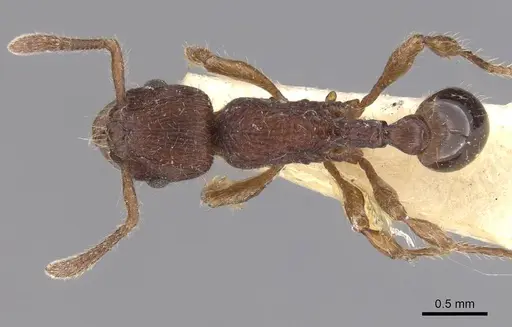
CASENT0923620
View on AntWeb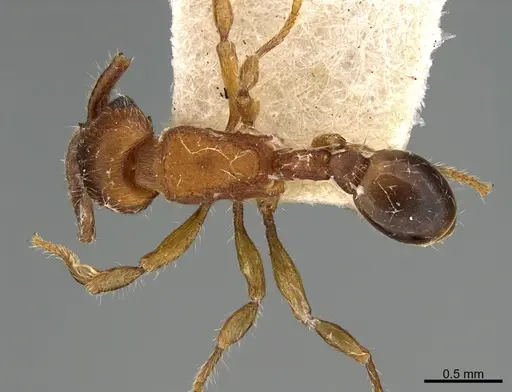
Literature
Loading...Loading products...