Hylomyrma balzani - "Balzani's Leaf-Litter Ant"
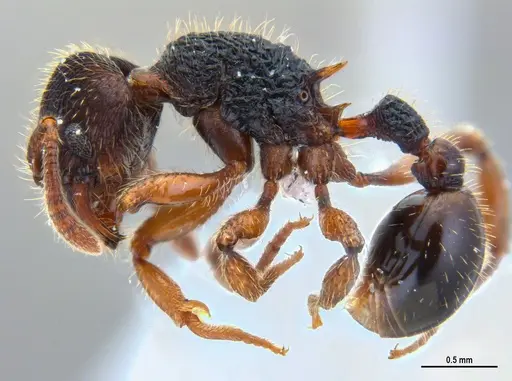
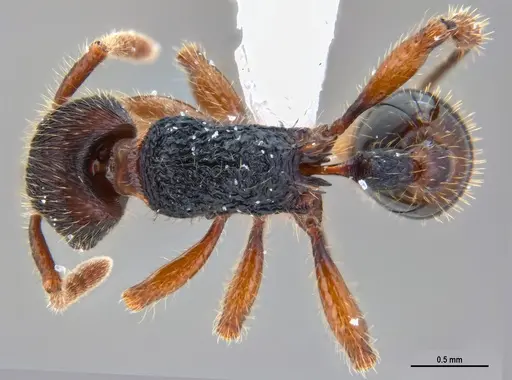
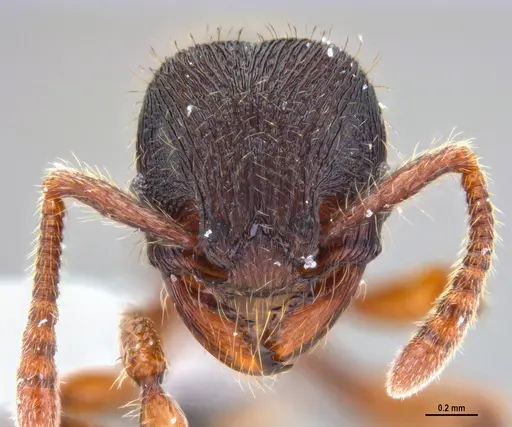
Hylomyrma balzani is a small, cryptic ant species belonging to the Myrmicinae subfamily. These ants are primarily found in the leaf litter of Neotropical forests, making them quite elusive in their natural habitat. Workers typically have a brownish color, though some variations can occur. They are known for their rugose (wrinkled) striae on the mesosoma and petiole. When disturbed, workers may feign death (thanatosis), blending in with small debris to avoid predation, which makes them quite challenging to observe in the field. Our current understanding of Hylomyrma balzani's biology is limited, mainly derived from specimen labels and rare observations.
- Difficulty: Hard
- Origin & Habitat: South America (Argentina, Brazil, Paraguay) in Wet forests, lowland rainforests, leaf litter, under fallen twigs, and occasionally cropping areas with soil covered by litter..
- Colony Type: Monogyne, claustral founding.
- Size & Growth:
- Queen: Not specified
- Worker: 4.27-5.23mm
- Colony: Small (tens, typically 16-21 individuals). Slow growth.
- Antkeeping:
- Temperature: Since they are found in tropical rainforests, a stable temperature between 22-26°C would likely be suitable. Avoid extreme fluctuations..
- Humidity: High humidity is crucial for this species, reflecting their natural leaf-litter habitat. Aim for 70-90% humidity within the nest..
- Diapause: Not required. Not specified at Not specified.
- Nesting: Given their natural preference for leaf litter and fallen twigs, a nest that mimics these conditions is ideal. Plaster nests, naturalistic setups with plenty of substrate, or even small acrylic setups with a focus on high humidity and tight spaces would be suitable..
- Behavior: Low (towards handler, primarily defensive with feigned death) aggressiveness.
- Common Issues: Humidity fluctuations, Lack of suitable small prey, Stress from excessive disturbance, Inadequate nest setup.
Keeping Hylomyrma balzani can be quite challenging due to their cryptic nature and the limited information available on their biology. These ants are not widely kept in the antkeeping hobby, making detailed care guides scarce. Successful keeping will likely require a dedicated ant keeper willing to experiment and carefully observe the colony's needs. Replicating their natural leaf-litter environment, especially in terms of humidity and substrate, will be key to their well-being.
One fascinating aspect of Hylomyrma balzani is their defensive behavior of feigning death when disturbed. This 'thanatosis' makes them incredibly difficult to spot in their natural habitat, and keepers should be aware of this trait when handling or observing the colony. Patience is a virtue when working with such elusive ants, as they might appear lifeless when startled.
Colony sizes for Hylomyrma species, including H. balzani, are generally quite small, often only a few dozen individuals. This small colony size means they won't require massive setups, but it also means each individual worker is more critical to the colony's overall health and survival. Keepers should be prepared for a slow-growing colony rather than expecting rapid expansion.
Dietary requirements for Hylomyrma balzani are not extensively documented, but observations of related species suggest they are omnivorous, feeding on small invertebrates. Providing a varied diet of tiny protein sources like fruit flies or small springtails, along with a sugar source, should be a good starting point for these ants.
The presence of 'intercastes' in Hylomyrma balzani, which are female specimens with queen-like traits, adds an interesting dimension to their biology. While the exact role of these intercastes isn't fully understood, it highlights the potential for phenotypic plasticity within the species. This genetic flexibility could mean fascinating colony dynamics for a keen observer.
Frequently Asked Questions
What kind of nest is best for Hylomyrma balzani?
For Hylomyrma balzani, replicating their natural leaf-litter environment is paramount. We'd suggest a plaster or naturalistic setup, possibly a small formicarium with ample substrate like loam or fine gravel mixed with some leaf litter. The key is to provide stable, high humidity and plenty of nooks and crannies for them to feel secure, much like they would under fallen twigs in the wild. Ensuring consistent moisture without stagnant water is crucial for a healthy formicarium.
What do Hylomyrma balzani ants eat?
While specific dietary details for Hylomyrma balzani are sparse, observations of other Hylomyrma species suggest they are omnivores, readily consuming tiny invertebrates. Offer them small protein sources like fruit flies (Drosophila spp.), springtails (Collembola), or even small pieces of other feeder insects. Don't forget to provide a regular sugar source, such as sugar water or honey, to meet their energy needs. Variety is always a good strategy for your ant colony's diet.
How large do Hylomyrma balzani colonies get?
Hylomyrma balzani colonies are generally quite small, typically numbering between 16 to 21 individuals. Don't expect a supercolony with these ants; their modest size is a characteristic of the genus. This means you won't need an enormous outworld, and managing their space will be relatively straightforward, but it also emphasizes the importance of each individual worker to the health of the colony.
Do Hylomyrma balzani ants sting?
Yes, Hylomyrma balzani workers do possess a sting. While their aggressiveness towards handlers is generally low, and their primary defense mechanism is feigning death (thanatosis), it's always wise to exercise caution when interacting with any ant species that can sting. Always handle your formicarium with care and avoid direct contact with the ants.
Are Hylomyrma balzani hard to keep?
Yes, Hylomyrma balzani are considered a 'Hard' difficulty species to keep in the antkeeping hobby. The limited information on their natural biology, coupled with their specific humidity and substrate requirements, makes them a challenging species for even experienced ant keepers. They are not recommended for beginners, but for those up for the challenge, they offer a fascinating glimpse into a lesser-known ant behavior.
What is diapause for Hylomyrma balzani?
Based on current information and their tropical origin, Hylomyrma balzani are not known to require diapause. This means you won't need to put your colony through a cooling period, which simplifies their care compared to temperate species that undergo hibernation. Maintaining stable temperatures year-round, within their preferred range, should suffice for these Neotropical ants.
How fast do Hylomyrma balzani colonies grow?
Hylomyrma balzani colonies exhibit a slow growth rate. Given their small natural colony sizes, don't anticipate a rapid explosion in worker numbers. Patience is key when rearing these fascinating ants; a slow and steady expansion of the brood pile is a sign of a healthy and thriving colony.
What is an 'intercaste' in Hylomyrma balzani?
In Hylomyrma balzani, an 'intercaste' refers to a female ant that possesses a mix of worker and queen traits. These ants might have some queen-like features, such as rudimentary ocelli (simple eyes), but they aren't fully developed queens. The exact biological role of these intercastes is still being studied, but they add an intriguing layer to the caste system of this species, making them unique within the antkeeping world.
Where are Hylomyrma balzani found naturally?
Hylomyrma balzani are native to the Neotropics, specifically found in countries like Argentina, Brazil, and Paraguay. Their preferred natural habitats include wet forests, lowland rainforests, and areas with substantial leaf litter, where they forage and establish their tiny nests.
What kind of humidity do Hylomyrma balzani need?
High humidity is absolutely essential for Hylomyrma balzani. To mimic their natural leaf-litter environment, aim for a consistent humidity level between 70% and 90% within their nest. This can be achieved through proper nest hydration systems or by keeping a portion of their substrate consistently moist. Ensuring good ventilation to prevent mold while maintaining high humidity is a fine balance.