

Heteroponera flava
- Scientific Name
- Heteroponera flava
- Tribe
- Heteroponerini
- Subfamily
- Ectatomminae
- Author
- Kempf, 1962
- Distribution
- Found in 2 countries
Heteroponera flava Overview
Heteroponera flava is an ant species of the genus Heteroponera. It is primarily documented in 2 countries , including Argentina, Brazil. Detailed taxonomic data and occurrence records can be further explored via authoritative databases such as AntWeb or the Global Biodiversity Information Facility (GBIF).
Heteroponera flava
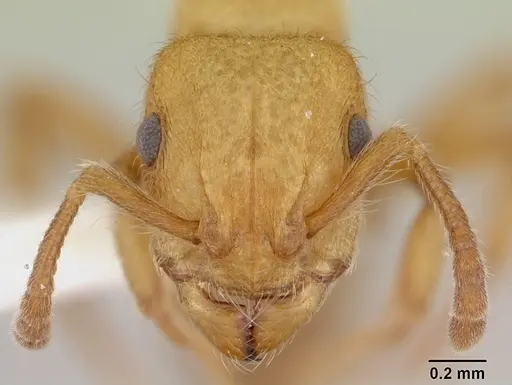
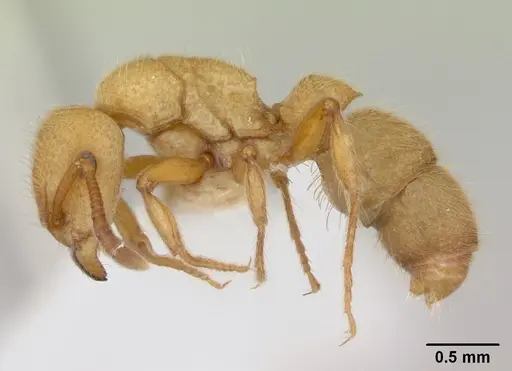
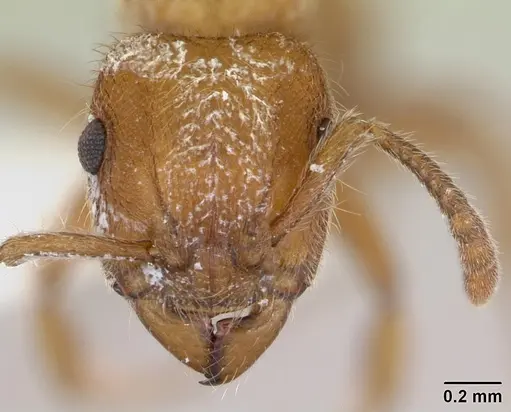
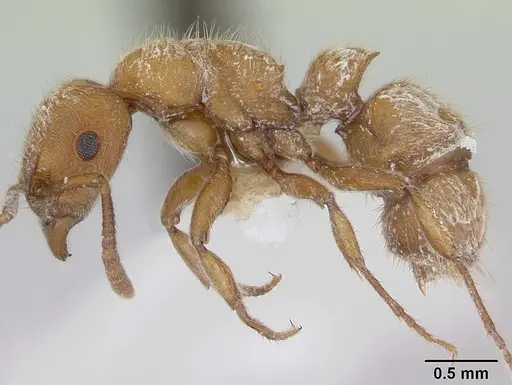
Heteroponera flava is a small yellow ant species native to the Atlantic forest regions of Brazil, Paraguay, and northern Argentina. Workers are yellow to light yellowish-brown with a distinctive subglobular petiole (the narrow waist section) that isn't compressed from top to bottom. This species is part of the Heteroponerini tribe, which is known for having functional stingers, and H. flava has a particularly slender, dorsally curved stinger [1]. In the wild, these ants are ground-dwelling forest dwellers, found in leaf litter and soil, often in secondary forest areas. Researchers have observed small colonies associated with nests of Odontomachus affinis, suggesting they may have some ecological relationship with these trap-jaw ants [2].
Quick Summary
- Difficulty: Medium
- Origin & Habitat: Native to the Neotropical region, specifically Brazil (São Paulo, Santa Catarina, Rio Grande do Sul, Minas Gerais), Paraguay (Alto Paraná), and Argentina. Found in Atlantic forest habitats, secondary forest areas, and forest fragments. Typically collected at low elevations around 8m using Winkler extraction from leaf litter [3][4][5].
- Colony Type: Colony structure is unconfirmed. Observed in small colonies associated with Odontomachus affinis nests [2]. The tribe Heteroponerini typically forms small to moderate colonies, but specific data for H. flava is lacking.
- Size & Growth:
- Queen: Unconfirmed, no specific measurements in literature [6]
- Worker: Unconfirmed, standard for the genus is approximately 4-6mm based on related species
- Colony: Likely small, observed in small colonies in the wild [2]
- Growth: Unknown, no development data available
- Development: Unknown, no direct measurements. Based on typical Heteroponera patterns, estimate 8-12 weeks at tropical temperatures (Development timeline is unconfirmed. Related species in the genus suggest moderate growth rates.)
- Antkeeping:
- Temperature: Keep at 24-28°C, they are a tropical/subtropical species from Atlantic forests. A gentle gradient allowing warmer and cooler areas is recommended. Room temperature in heated homes typically falls within acceptable range.
- Humidity: Maintain moderate to high humidity, think damp forest floor conditions. Keep the nest substrate consistently moist but not waterlogged. These leaf-litter ants prefer humidity around 60-80%. Provide a water tube for drinking access.
- Diapause: Unknown for this species. Atlantic forest species from southern Brazil may tolerate cooler temperatures in winter but true diapause is not documented. Consider a slight cooling period (18-20°C) during winter months if the colony shows reduced activity.
- Nesting: These are ground-dwelling ants that prefer humid, dark spaces. Y-tong (AAC) nests or plaster nests with good moisture retention work well. Provide a deep layer of humid substrate (coco fiber or soil mix) if using a naturalistic setup. They do well in test tube setups with moist cotton as a water reservoir, placed in a dark enclosure.
- Behavior: Heteroponera flava is a ground-dwelling, secretive ant that forages in leaf litter. They are omnivorous, with the tribe being classified as omnivores based on diet analysis [1]. They likely prey on small invertebrates and also consume honeydew and sugary liquids. Workers are moderately sized and can deliver a sting, their stinger morphology suggests it is functional [1]. They are not aggressive but will defend the nest if threatened. Escape risk is moderate, they are small ants but not among the tiniest, so standard barrier methods (fluon on edges) work well. They are not known escape artists.
- Common Issues: lack of documented care information makes it difficult to provide precise care guidelines, humidity control is critical, too dry and colonies will fail, too wet causes mold issues, small colony size in the wild suggests they may be sensitive to disturbance during founding, their association with other ant species in the wild may indicate specific ecological needs we don't understand yet, their tropical origin means they are sensitive to cold, keep above 20°C year-round
Housing and Nest Setup
Heteroponera flava is a ground-dwelling species that thrives in humid, dark environments. For captivity, Y-tong (AAC) nests work well because they hold moisture effectively and provide the dark spaces these ants prefer. Plaster nests are another good option, they retain humidity and allow you to monitor the colony easily. If using a naturalistic setup, provide a deep layer of humid substrate (a mix of coco fiber and fine soil works well). Test tube setups can work for founding colonies, use a test tube with a water reservoir (cotton ball) and place the entire setup in a dark container to reduce stress. Regardless of nest type, always provide an outworld area for foraging. These ants are not climbers, so you don't need to worry about them escaping up smooth surfaces as much as some species. [2]
Feeding and Diet
As omnivores in the Heteroponerini tribe, these ants need a balanced diet of protein and sugars. Offer protein sources like small insects (fruit flies, pinhead crickets, small mealworms) and sugar sources (sugar water, honey, or commercial ant nectar). In the wild, they likely hunt small invertebrates in the leaf litter and also tend aphids for honeydew. Feed protein 2-3 times per week, and keep a constant sugar source available. Remove uneaten prey after 24-48 hours to prevent mold. Since this species is not well-studied in captivity, observe what your colony accepts best and adjust accordingly. Fresh killed insects are usually more readily accepted than live prey for established colonies. [1]
Temperature and Seasonal Care
Being native to Atlantic forests in Brazil, Paraguay, and Argentina, Heteroponera flava prefers warm, stable temperatures. Keep the nest area between 24-28°C for optimal activity and brood development. A slight temperature gradient (warm side around 28°C, cooler side around 24°C) allows the ants to self-regulate. During winter months in temperate climates, maintain at least 20°C, these are tropical ants and cold temperatures can be fatal. If your room temperature drops below 20°C in winter, use a small heating cable or mat on one side of the nest. Do not let the nest dry out from heating elements, monitor humidity closely. Unlike some temperate species, they do not require a true hibernation period, but you may notice reduced activity during cooler months. [2]
Humidity Management
Proper humidity is one of the most critical factors for keeping Heteroponera flava successfully. These leaf-litter ants from humid forests need consistent moisture. Keep the nest substrate damp but not waterlogged, you should see condensation on the nest walls occasionally. A good test: the substrate should feel moist to the touch but not drip when squeezed. In Y-tong or plaster nests, check the water reservoir regularly and refill as needed. In test tube setups, ensure the cotton ball remains damp but not flooded. Too dry and the colony will fail to develop, too wet leads to mold and bacterial issues. Finding the right balance takes observation, adjust based on how the ants behave. If they cluster near the water source, it's too dry. If you see condensation constantly pooling, it's too wet. [2]
Colony Founding and Growth
Colony founding behavior for Heteroponera flava has not been directly documented, but based on typical Heteroponera patterns, the queen likely seals herself in a claustral chamber and raises the first workers alone using stored fat reserves. Expect a wait of several months before the first workers (nanitics) emerge. Once the colony is established, growth is likely moderate. The observed wild colonies are small, so don't expect rapid exponential growth. Be patient, this species is not a fast grower. A healthy founding colony may take a year or more to reach 30-50 workers. Avoid disturbing the queen during founding, stress can cause her to eat the brood or abandon the nest. Only offer food after you see the first workers, and keep disturbances minimal. [2]
Behavior and Defense
Heteroponera flava is a secretive, ground-dwelling ant that prefers to stay hidden in the nest or forage in protected areas. Workers are not particularly aggressive but will defend the nest if threatened. This species has a functional stinger, while small, it can deliver a sting if the ant feels cornered [1]. The stinger morphology (slender and dorsally curved) suggests it is effective for venom delivery. Treat them with respect, but they are not dangerous to humans, the sting is mild and these ants are not prone to attacking. In terms of activity patterns, they are likely crepuscular or nocturnal, typical for ground-dwelling forest ants. They are not aggressive toward other ant species but will defend their territory near the nest.
Frequently Asked Questions
How long does it take for Heteroponera flava to produce first workers?
The exact timeline is unconfirmed for this species. Based on typical Heteroponera patterns, expect 8-12 weeks from egg to worker at optimal temperatures (24-28°C). The founding queen will likely seal herself in and raise the first brood alone, so be patient, founding colonies can take several months before you see workers.
What do Heteroponera flava ants eat?
They are omnivores. Feed them small insects (fruit flies, pinhead crickets, small mealworms) for protein 2-3 times per week, and provide a constant sugar source like sugar water or honey. In the wild, they hunt small invertebrates in leaf litter and likely consume honeydew from aphids.
Can I keep Heteroponera flava in a test tube?
Yes, test tubes work well for founding colonies. Use a test tube with a moist cotton ball as a water reservoir, and place the entire setup in a dark container to reduce stress. For established colonies, consider transitioning to a Y-tong or plaster nest that holds humidity better.
Do Heteroponera flava ants sting?
Yes, they have a functional stinger. The stinger is slender and dorsally curved [1]. However, they are not aggressive and will only sting if directly threatened or handled roughly. The sting is mild and not dangerous to healthy humans.
What temperature do Heteroponera flava ants need?
Keep them warm, 24-28°C is ideal. They are tropical ants from Atlantic forests in Brazil and cannot tolerate cold temperatures. If your room temperature falls below 20°C, use a small heating cable on one side of the nest.
How big do Heteroponera flava colonies get?
Based on observations of small colonies in the wild, they likely remain moderate in size, probably under 500 workers. They are not known for forming large supercolonies. Growth is likely moderate and gradual.
Are Heteroponera flava good for beginners?
They are rated as Medium difficulty. While not the hardest species, there is limited documented care information available, and they require precise humidity control. If you're experienced with humidity-sensitive species, they can be a rewarding challenge. Beginners may struggle with maintaining proper moisture levels.
Do Heteroponera flava need hibernation?
True diapause is not documented for this species. As tropical ants, they do not require hibernation. However, they may show reduced activity during cooler months. You can provide a slight cooling period (18-20°C) in winter if the colony shows signs of slowing down, but this is not required.
Why are my Heteroponera flava dying?
The most common causes are: too low humidity (the nest dried out), temperatures below 20°C (cold stress), or disturbance during founding. These ants are sensitive to dry conditions and cold. Check your humidity levels first, the substrate should be consistently moist. Also ensure the colony is in a quiet, dark location away from vibrations and light.
When should I move Heteroponera flava to a formicarium?
Wait until the colony has at least 30-50 workers and the test tube is becoming cramped or fouled. For this species, that typically means 6-12 months after founding. Moving too early can stress the colony. When transitioning, use a gentle method, connect the test tube to the new nest and let them move on their own.
References

This caresheet is licensed under CC BY-SA 4.0 .
CASENT0173541
View on AntWeb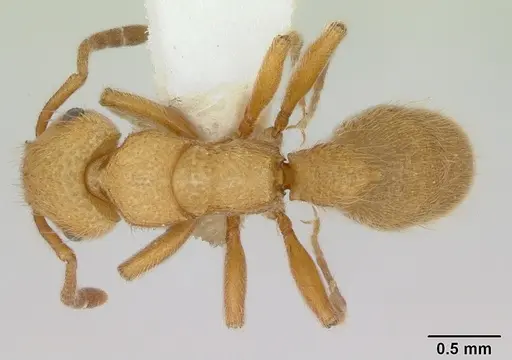
CASENT0173542
View on AntWeb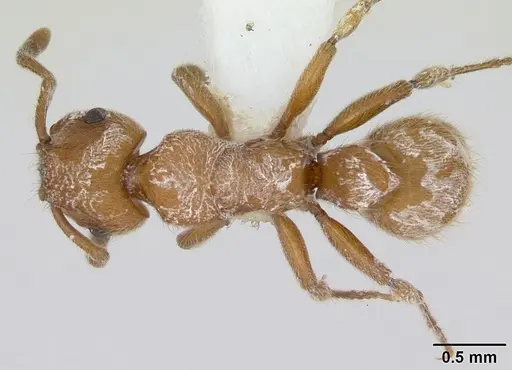
Literature
Loading...Loading products...