

Harpagoxenus canadensis
- Scientific Name
- Harpagoxenus canadensis
- Tribe
- Crematogastrini
- Subfamily
- Myrmicinae
- Author
- Smith, 1939
- Common Name
- Canadian Robber Ant
- Distribution
- Found in 2 countries
Harpagoxenus canadensis Overview
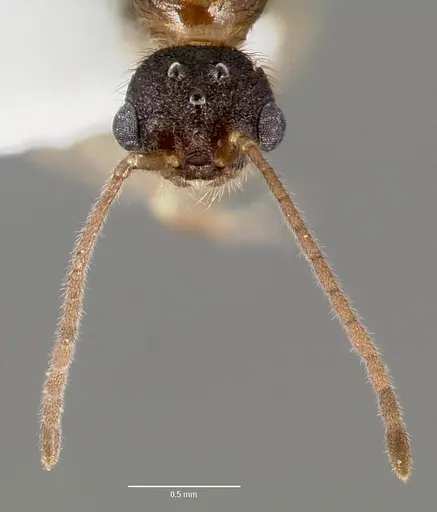
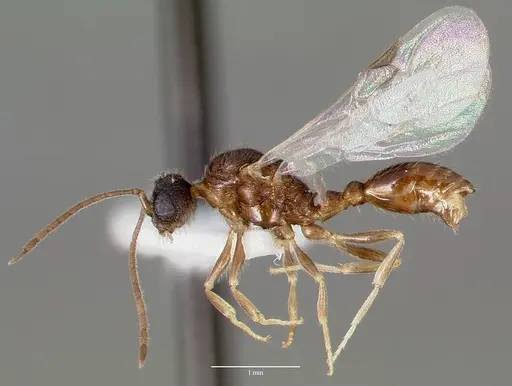
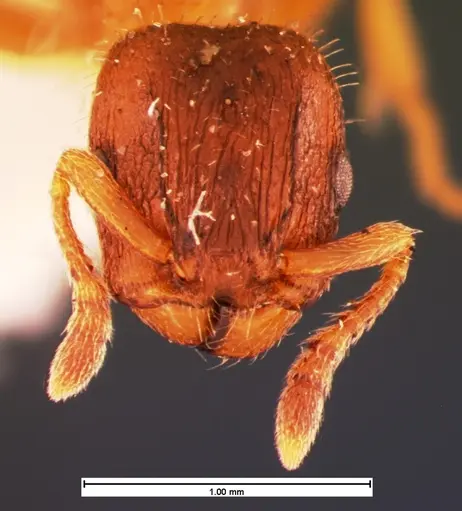
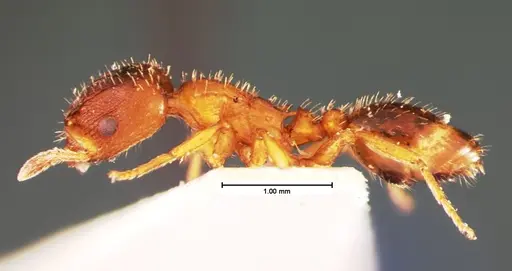
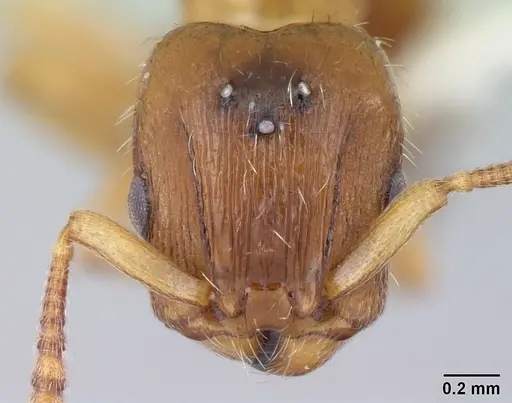
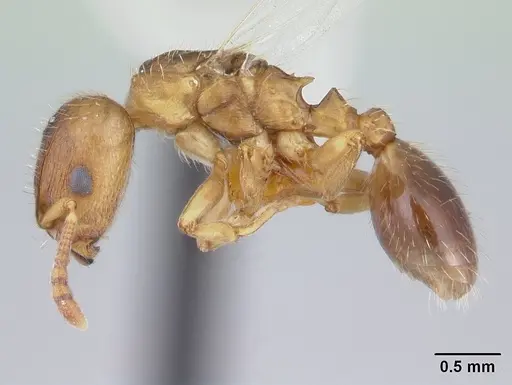
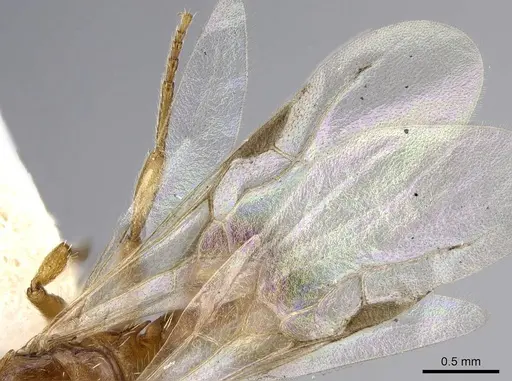
Harpagoxenus canadensis (commonly known as the Canadian Robber Ant) is an ant species of the genus Harpagoxenus. It is primarily documented in 2 countries , including Canada, United States of America. Detailed taxonomic data and occurrence records can be further explored via authoritative databases such as AntWeb or the Global Biodiversity Information Facility (GBIF).
Harpagoxenus canadensis - "Canadian Robber Ant"
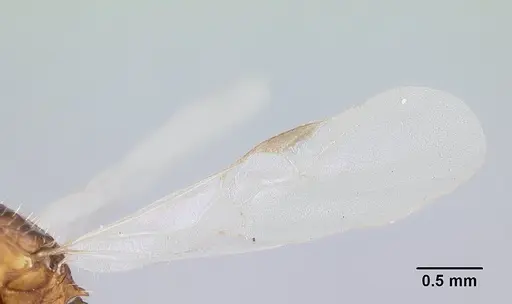
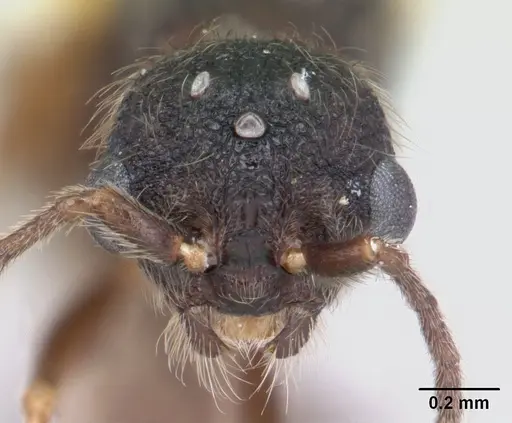
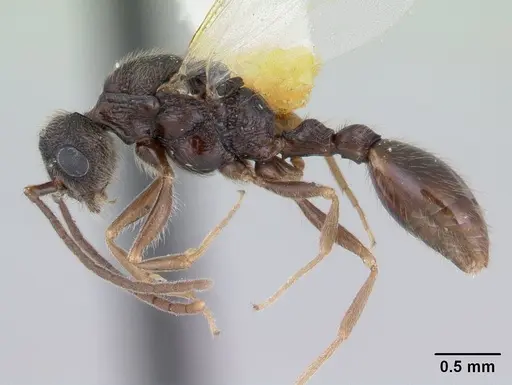
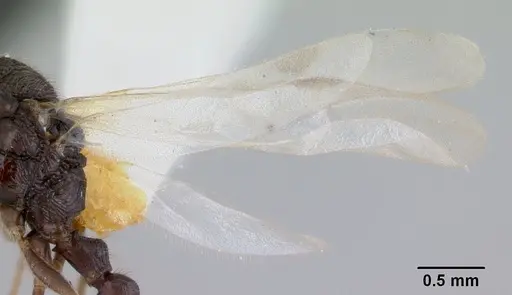
Harpagoxenus canadensis is a small, obligate slave-making ant native to northern North America, ranging from Quebec and Nova Scotia west to Alberta, and south into the northern United States [1][2]. Workers are tiny, measuring just a few millimeters, with a dark brownish-black coloration. The species is remarkable for having ergatoid (wingless) females in addition to normal winged queens, these are born without wings and can serve as replacement reproductives if the primary queen dies [1]. This ant cannot establish its own colony, instead, it infiltrates nests of Leptothorax species (particularly Leptothorax canadensis and related species in the muscorum complex), kills or displaces the host queen, and uses the host workers to raise its own brood [3][4]. This is one of six independent origins of slavery in the Formicoxenini ant tribe [3].
Quick Summary
- Difficulty: Expert
- Origin & Habitat: Boreal and northern temperate forests of Canada and the northern United States, particularly in sandy forest clearings and boreal sand hill areas [2][5]. Found in transition environments and forest edges in Quebec and the Canadian boreal zone [5].
- Colony Type: Single-queen colonies (monogynous) with ergatoid replacement reproductives present [6][7]. This is an obligate social parasite, the colony cannot survive without a host Leptothorax colony.
- Colony: Monogyne
- Queen: Socially parasitic
- Special: Slave-making
- Size & Growth:
- Queen: Ergatoid queens 4-4.25mm, larger winged queens 4.5-5mm [8]
- Worker: Small, a few millimeters (worker caste described by Gregg 1945) [8]
- Colony: Colonies typically small due to parasitic lifestyle, mixed slave stocks found in about 23% of complete slave-maker colonies [4]
- Growth: Slow, growth depends on host colony success
- Development: Unknown, development is tied to host colony development (This species relies entirely on host workers to raise its brood, so development timing is tied to the host species)
- Antkeeping:
- Temperature: Keep at room temperature (20-24°C) matching typical Leptothorax preferences. Avoid overheating, these are cold-adapted boreal species [9].
- Humidity: Moderate humidity (50-70%) similar to host species requirements. Keep nest substrate slightly moist but not waterlogged.
- Diapause: Yes, as a subarctic species, colonies require a winter hibernation period at cold temperatures (5-10°C) for several months [9].
- Nesting: This species cannot be kept alone. You must maintain a host Leptothorax colony (L. canadensis or related species) alongside or within the same enclosure. Natural nests are in small cavities under stones, in rotting wood, or in acorns, Y-tong or plaster nests work well for the host colony.
- Behavior: These ants are specialized parasites that rely entirely on host workers. They are not aggressive toward humans and rarely sting. The main challenge is maintaining both the parasite and host colonies. Escape risk is low, these are tiny ants but they cannot survive without their host.
- Common Issues: maintaining a host colony is difficult, Leptothorax species have specific requirements and small colony sizes, the parasite cannot survive without host workers, if the host colony dies, the Harpagoxenus colony will also die, finding a legal source of host Leptothorax colonies can be challenging, mixed slave stocks mean colonies may have multiple Leptothorax subspecies, host specificity matters for successful enslavement, cold temperature requirements mean this species cannot be kept in warm rooms year-round
Understanding Harpagoxenus Biology
Harpagoxenus canadensis is an obligate social parasite, meaning it cannot form its own colony. The queen must invade an established colony of Leptothorax species (primarily Leptothorax canadensis and related species in the muscorum complex) [3][4]. Once inside, she kills or displaces the host queen and uses the host workers to raise her own offspring. This is called 'slavery' because the enslaved workers continue their normal tasks, foraging, nursing brood, maintaining the nest, but now serve the parasite instead of their own species. The species has ergatoid (wingless) females in addition to normal winged queens. These ergatoids are born without wings and may serve as replacement reproductives if the primary queen dies [1]. Research shows this species is monogynous with single mating (monandrous), the queen mates only once during her nuptial flight [10][11]. Copulation lasts 40 seconds to 1.5 minutes [11].
Housing the Host Colony First
You cannot keep Harpagoxenus canadensis without first establishing a healthy Leptothorax host colony. The host species (Leptothorax canadensis or related species) requires its own proper setup before you can introduce the parasite. Leptothorax species are tiny ants that nest in small cavities, under stones, in rotting wood, or in natural cavities like hollow stems and acorns. In captivity, they do well in Y-tong nests, small plaster nests, or test tube setups with tight chambers scaled to their tiny size. Keep the host colony at room temperature (20-24°C) with moderate humidity. Feed them small prey like fruit flies, pinhead crickets, and occasional honey or sugar water. The host colony should be well-established with a healthy queen and multiple workers before introducing the parasite.
Introducing the Parasite
Introducing Harpagoxenus to a host colony is the most critical and difficult step. The goal is to get the parasite queen accepted without triggering aggression from the host workers. Some keepers use a gradual introduction method: place the parasite queen in a separate container connected to the host colony via a tube, allowing them to acclimate to each other's scent before direct contact. Others attempt direct introduction when the host colony is queenless or when the host queen has recently been removed. Success rates vary significantly, and this is an advanced technique that requires experience with ant keeping. Never combine unrelated foundresses, this species is a permanent social parasite that requires a host, not a colony that can be started with multiple queens.
Temperature and Seasonal Care
As a subarctic species, Harpagoxenus canadensis requires cold temperatures during winter. In captivity, you should provide a hibernation period of 3-4 months at temperatures between 5-10°C [9]. This mimics the natural cold season in their boreal habitat and is essential for colony health. During the active season, keep the colony at room temperature (roughly 20-24°C). Avoid overheating, these are cold-adapted ants that do poorly in warm conditions. A heating cable is not recommended and could harm the colony. If your room temperature stays in this range naturally, that's ideal. The parasite-host system should be maintained at consistent temperatures year-round except during hibernation.
Feeding and Nutrition
The enslaved host workers will forage for food for the entire colony, including the Harpagoxenus queen and brood. Therefore, you should feed the host colony rather than trying to feed the parasite directly. Offer small protein sources like fruit flies, small crickets, and other tiny insects. Leptothorax species also accept sugar sources occasionally, so you can offer diluted honey or sugar water, but protein should be the primary food. Remove any uneaten prey after 24-48 hours to prevent mold. Feed the colony 2-3 times per week, adjusting based on how quickly food is consumed.
Ethical and Legal Considerations
Harpagoxenus canadensis is listed as Vulnerable on the IUCN Red List [2], meaning wild populations are at risk. This species should only be kept by experienced antkeepers who can properly maintain both the parasite and host colonies. Never release any ant colony into the wild, especially not a parasitic species, this could disrupt native ecosystems and harm native Leptothorax populations. If you can no longer keep the colony, the most responsible option is to allow it to die out naturally rather than releasing it. Always source your ants from reputable breeders who practice ethical collection and husbandry.
Frequently Asked Questions
Can I keep Harpagoxenus canadensis in a test tube?
No, this species cannot survive without a host colony. You must keep a Leptothorax host colony first, then introduce the parasite. The combined colony could be housed in a test tube setup if it's small enough, but the host colony needs proper housing first.
How do I start a Harpagoxenus colony?
You cannot start a Harpagoxenus colony the way you would start a normal ant colony. You must first establish a healthy Leptothorax host colony, then introduce a Harpagoxenus queen. The queen will need to kill or displace the host queen and become accepted by the host workers. This is an advanced technique that requires experience.
What do Harpagoxenus canadensis eat?
They eat whatever the enslaved host workers bring back. You should feed the host colony small insects like fruit flies, pinhead crickets, and other tiny prey. Occasional sugar water or honey can be offered but protein is more important.
Do Harpagoxenus ants sting?
These ants are too small to effectively sting humans. They pose no danger to keepers and are not aggressive toward humans.
Are Harpagoxenus canadensis good for beginners?
No, this is an expert-level species. The biggest challenge is maintaining a host Leptothorax colony while also keeping the parasite. Both species have specific requirements, and the introduction process is difficult and often fails. This species is only recommended for experienced antkeepers who understand social parasitism.
How long until first workers?
This is unknown and depends entirely on the host colony. The parasite relies on host workers to raise its brood, so development timing is tied to the host species and the success of the introduction.
Do they need hibernation?
Yes, as a subarctic species, they require a winter hibernation period of 3-4 months at cold temperatures (5-10°C). This is essential for colony health and mimics their natural boreal habitat.
Can I keep multiple queens together?
No, this species is monogynous (single queen per colony) and cannot have multiple functional queens. The colony has one queen that rules over the enslaved host workers.
Why is my colony dying?
The most likely cause is that the host colony died. Harpagoxenus cannot survive without host workers, they rely entirely on the enslaved Leptothorax workers to feed and care for them. If the host workers die, the parasite colony will also die. Maintaining the host colony is the biggest challenge in keeping this species.
What is the host species for Harpagoxenus canadensis?
The primary host is Leptothorax canadensis, along with other related species in the Leptothorax muscorum complex [3][4]. You will need to identify and maintain a compatible Leptothorax species for successful slavery.
How big do colonies get?
Colonies remain relatively small because they depend on a limited number of host workers. A typical colony might have just a handful of Harpagoxenus individuals (queen plus some workers) plus the enslaved host workers, usually under 100 total ants.
Is this species legal to keep?
Harpagoxenus canadensis is not a regulated species in most areas, but you should check local regulations. However, this species is listed as Vulnerable and should only be kept by experienced, responsible antkeepers who can properly care for both the parasite and host species.
References

This caresheet is licensed under CC BY-SA 4.0 .
CASENT0006075
View on AntWeb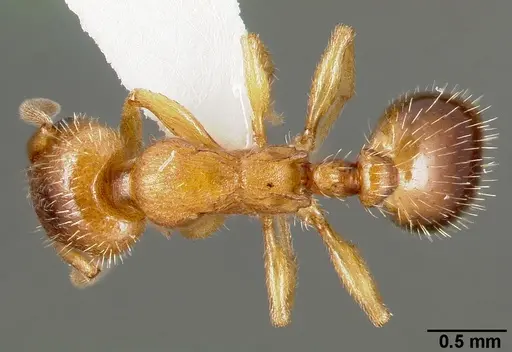
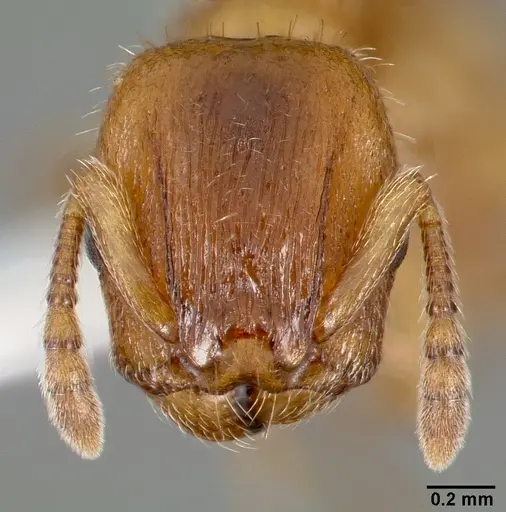
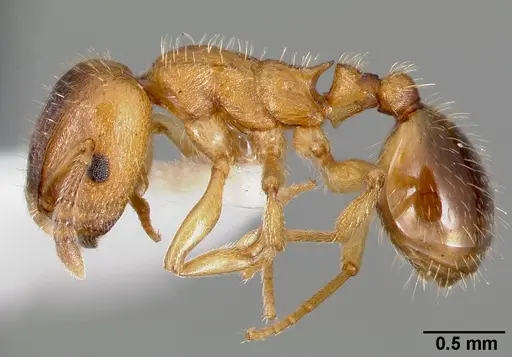
CASENT0006078
View on AntWeb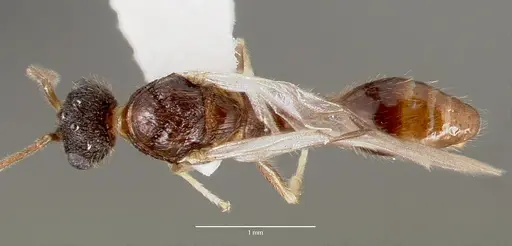
CASENT0105557
View on AntWeb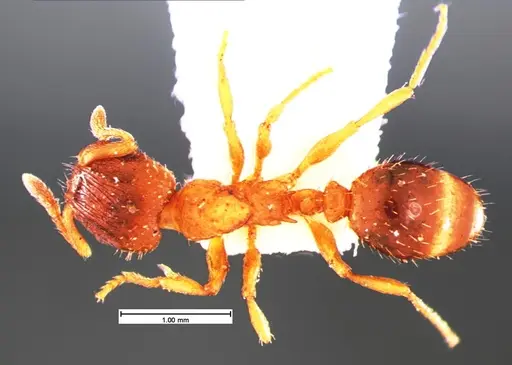
CASENT0178586
View on AntWeb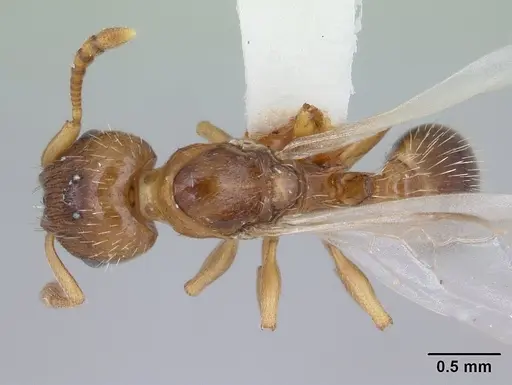
CASENT0178587
View on AntWeb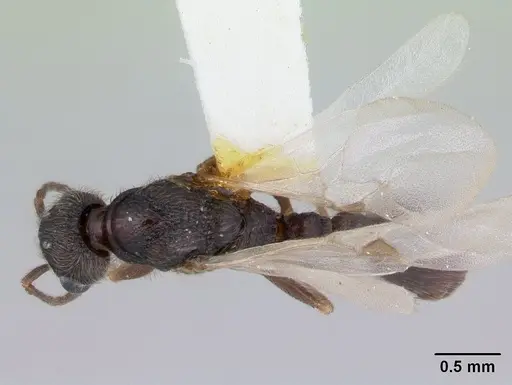
CASENT0914975
View on AntWeb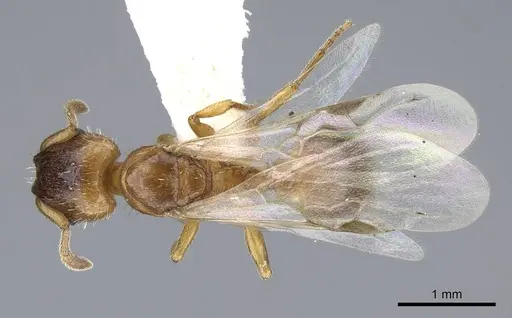
Literature
Loading...Loading products...