

Goniomma blanci
- Scientific Name
- Goniomma blanci
- Tribe
- Stenammini
- Subfamily
- Myrmicinae
- Author
- André, 1881
- Distribution
- Found in 2 countries
Goniomma blanci Overview
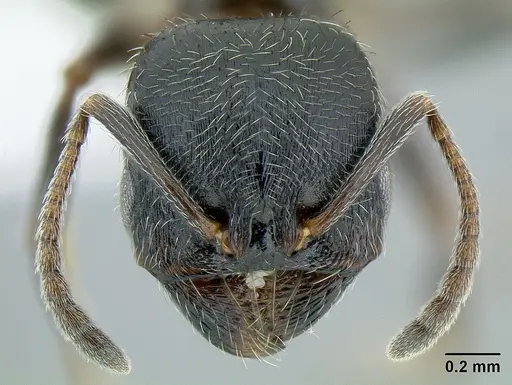
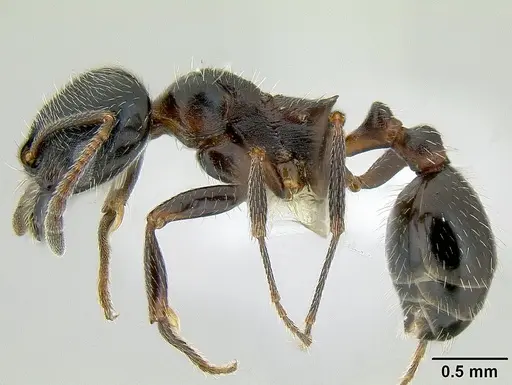
Goniomma blanci is an ant species of the genus Goniomma. It is primarily documented in 2 countries , including Spain, France. Detailed taxonomic data and occurrence records can be further explored via authoritative databases such as AntWeb or the Global Biodiversity Information Facility (GBIF).
Goniomma blanci
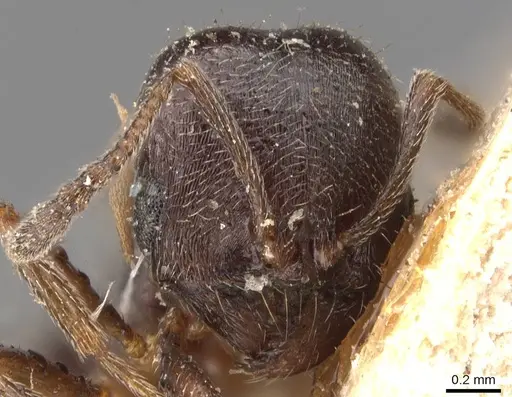
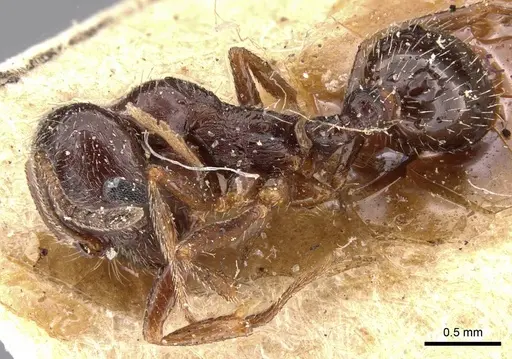
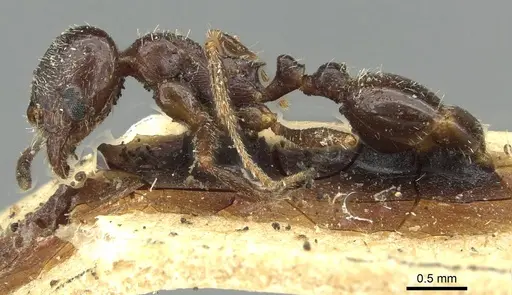
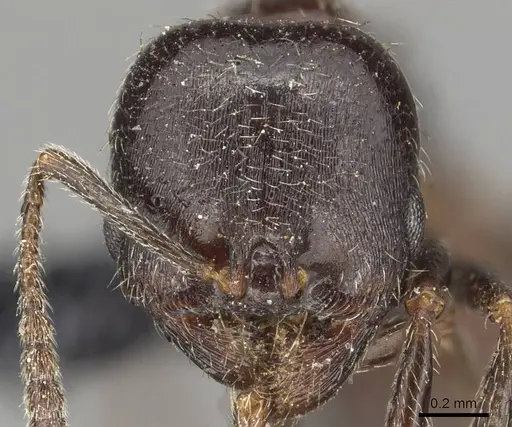
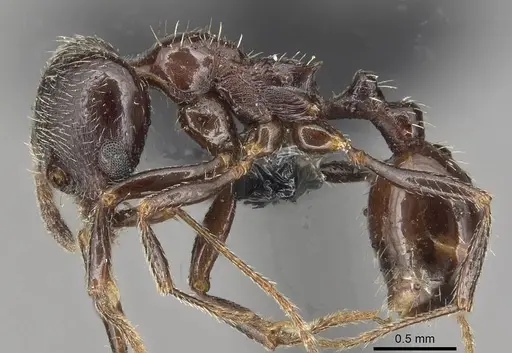
Goniomma blanci is a small, dark granivorous ant native to the western Mediterranean region. Workers measure 3.3-3.5mm and are monomorphous (all the same size), with a uniform black to brownish-black coloration [1]. This species belongs to the Myrmicinae subfamily and is closely related to Oxyopomyrmex [2]. Unlike many ants that recruit nestmates to food sources, Goniomma blanci forages singly without forming recruitment trails [1]. The genus Goniomma is specialized for seed collection, particularly targeting plants from the Cistaceae (rockrose) family [3]. These ants inhabit open, warm areas with Mediterranean vegetation across France, Portugal, and Spain, typically at elevations between 392-1,280 meters [4].
Quick Summary
- Difficulty: Medium
- Origin & Habitat: Western Mediterranean (France, Portugal, Spain), open xerophilous areas with Mediterranean vegetation, calcareous warm habitats, typically Montane vegetation zones [5][6][4]
- Colony Type: Colony structure is unconfirmed, likely monogyne (single queen) based on genus patterns, but no direct research found
- Size & Growth:
- Queen: Unconfirmed, no documented measurements found
- Worker: 3.3-3.5mm [1]
- Colony: Under 1,000 workers [1]
- Growth: Unknown, likely slow to moderate based on small colony size
- Development: Unconfirmed, no development data available for this species (Development timeline has not been studied. Related Stenammini species suggest 6-10 weeks at optimal temperature, but this is an estimate.)
- Antkeeping:
- Temperature: Likely prefers warm conditions, inferred from Mediterranean distribution and preference for calcareous warm habitats. Aim for roughly 22-26°C and observe colony activity [6].
- Humidity: Dry to moderate, native to xerophilous (dry-loving) Mediterranean habitats. Keep substrate moderately dry, with a small water tube for drinking access.
- Diapause: Unknown, likely tolerates cool winters given Montane elevation range (up to 1,280m), but specific overwintering requirements unstudied [7][4].
- Nesting: Soil-nesting species, a naturalistic setup with dry, compactable substrate works well. Y-tong or plaster nests with small chambers suit their tiny size. Avoid overly humid conditions.
- Behavior: Peaceful, non-aggressive granivores. They forage individually for seeds and do not form recruitment trails, meaning food discovery is not broadcast to nestmates [1]. They are not known to sting and pose no danger to keepers. Their very small size (3.3mm) means escape prevention should be moderate, standard barriers work well but fine mesh provides extra safety.
- Common Issues: seed feeding is specialized, they may reject protein foods that other ants readily accept, small colony size makes them vulnerable to stress, avoid disturbing founding colonies, foraging style means food discovery does not attract other workers, scatter seeds widely in the outworld, no recruitment behavior can make it seem like they are not finding food, they simply work alone, very small colonies are difficult to observe in the field, so wild populations may be underestimated, captive colonies stay small
Housing and Nest Setup
Goniomma blanci is a soil-nesting species that prefers dry to moderately humid conditions [6]. A naturalistic setup with a compactable substrate like sand-soil mix allows them to create their own chambers. Alternatively, a Y-tong (acrylic) nest with small, tight chambers works well given their tiny 3.3mm worker size. Plaster nests can also work if kept relatively dry. The outworld should include a water tube for drinking access, though they get most moisture from seeds. Because they forrage singly, scatter seeds across the foraging area rather than in a single pile, this matches their natural foraging strategy of individual seed collection [1]. Escape prevention should be moderate, while not particularly escape-prone, their small size means standard barriers are necessary.
Feeding and Diet
This species is a specialized granivore (seed-eater), primarily collecting smaller seeds from Cistaceae (rockrose) and other Mediterranean plants [1][3]. In captivity, offer a variety of small seeds, millet, grass seeds, and poppy seeds work well. They can carry seeds up to 2.2mg, so offer appropriately sized options [1]. Unlike Messor harvester ants, they do not form recruitment trails, so each forager works independently [1]. This means you may see fewer workers actively foraging compared to seed-harvesting species that recruit. They may accept protein sources experimentally, but seeds should form the primary diet. A small water tube should always be available.
Temperature and Seasonal Care
As a Mediterranean species from warm, calcareous habitats, Goniomma blanci likely prefers temperatures in the low-to-mid 20s°C [6]. They are found at elevations up to 1,280m in the Sierra de Guadarrama, suggesting they can tolerate cooler conditions than purely lowland Mediterranean species [4]. However, specific temperature requirements are unconfirmed. Start around 22-26°C and observe colony behavior, active workers indicate suitable conditions. Diapause (winter rest) requirements are unknown, but given their Montane distribution, a cool period during winter months is likely beneficial. If your room temperature drops significantly in winter, allow a natural cool period rather than maintaining constant warmth.
Behavior and Colony Dynamics
Goniomma blanci is a peaceful, non-aggressive species that forages individually rather than in groups [1]. Workers search for seeds alone without recruiting nestmates, this is a distinct foraging strategy compared to trail-forming seed harvesters like Messor. Colonies remain small, typically under 1,000 workers, which makes them less dramatic than larger species but still fascinating to observe [1]. They are not known to sting and pose no danger to keepers. Their small size and individual foraging mean you may not see constant activity in the outworld, this is normal behavior, not a sign of colony decline. The genus has stridulatory organs (producing sound through rubbing), though the function in this species is not documented.
Growth and Development
Specific development timelines for Goniomma blanci have not been studied. Workers are 3.3-3.5mm, and colonies reach a maximum of around 1,000 workers in the wild [1]. The small colony size suggests relatively slow growth compared to faster-developing species. Based on typical Myrmicinae patterns, expect development from egg to worker to take approximately 6-10 weeks at optimal temperature, but this is an estimate rather than confirmed data. Founding colonies are particularly vulnerable and should be left undisturbed during the claustral phase (queen raising first workers alone). Their specialized seed diet may mean brood development is slower than protein-feeding species.
Field Distribution and Habitat Notes
Goniomma blanci is found across the western Mediterranean: France, Portugal, and Spain [8]. They prefer open xerophilous (dry-loving) areas with Mediterranean vegetation, particularly calcareous warm habitats [5][6]. Their elevation range spans 392-1,280 meters above sea level, with highest abundance in Montane vegetation zones [4][7]. They are more common in grassland than in reforested areas, showing a clear preference for open habitats [3]. The species is considered a specialized seed harvester of Cistaceae plants, similar to Goniomma kugleri [3]. This specialization means they play a specific ecological role in their native habitat rather than being generalist foragers.
Frequently Asked Questions
What do Goniomma blanci ants eat?
They are specialized seed-eaters (granivores). Offer small seeds like millet, grass seeds, or poppy seeds. They particularly prefer seeds from the Cistaceae (rockrose) family in the wild. A water tube should also be available.
How big do Goniomma blanci colonies get?
Colonies typically reach under 1,000 workers in the wild. They are small colonies compared to many common ant species.
Are Goniomma blanci good for beginners?
They are moderate difficulty. Their specialized diet and small colony size require some experience, but they are peaceful and not aggressive. The main challenge is their seed-only diet and lack of recruitment behavior.
Do Goniomma blanci ants sting?
No, they are not known to sting and pose no danger to keepers. They are peaceful, small ants.
What temperature do Goniomma blanci need?
Aim for roughly 22-26°C based on their Mediterranean distribution. They can likely tolerate cooler conditions given their Montane habitat, but warmth is preferred.
How long does it take for Goniomma blanci to develop from egg to worker?
The exact timeline is unconfirmed. Based on typical Myrmicinae development, expect approximately 6-10 weeks at optimal temperature, but this is an estimate.
Can I keep multiple Goniomma blanci queens together?
Colony structure is not well-documented. Based on typical genus patterns, they likely form single-queen colonies. Combining unrelated queens is not recommended due to lack of documented success.
Why do my Goniomma blanci workers forage alone?
This is normal behavior, they are solitary foragers that do not form recruitment trails like Messor ants. Each worker searches for seeds independently.
Do Goniomma blanci need hibernation?
Diapause requirements are unknown, but given their Montane distribution (up to 1,280m elevation), a cool winter period is likely beneficial. Allow natural temperature drops in winter.
What size nest should I use for Goniomma blanci?
Use small chambers scaled to their tiny 3.3mm size. Y-tong nests with narrow passages or a naturalistic setup with compact soil work well. Keep conditions relatively dry.
Why are my Goniomma blanci not accepting protein foods?
This is expected, they are specialized granivores. Seeds should form their primary diet. They may accept protein experimentally, but seeds are their natural food source.
Where is Goniomma blanci native to?
They are native to the western Mediterranean: France, Portugal, and Spain. They prefer open, warm, dry habitats with Mediterranean vegetation.
References

This caresheet is licensed under CC BY-SA 4.0 .
CASENT0106230
View on AntWeb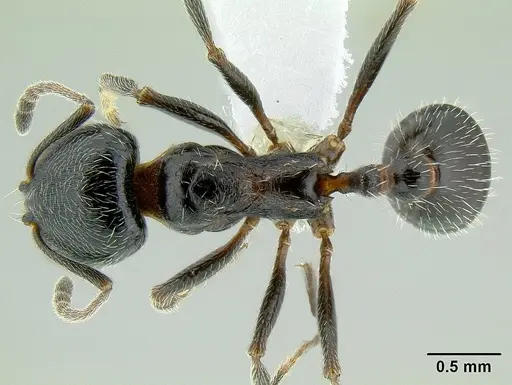
CASENT0907756
View on AntWeb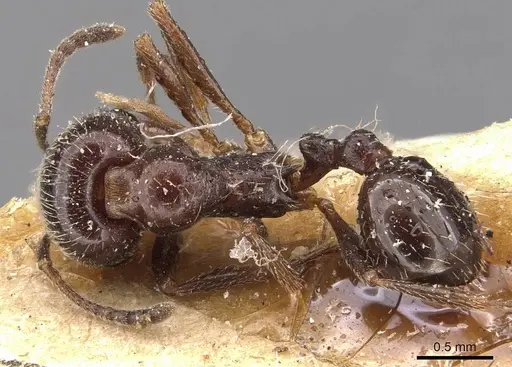
CASENT0913651
View on AntWeb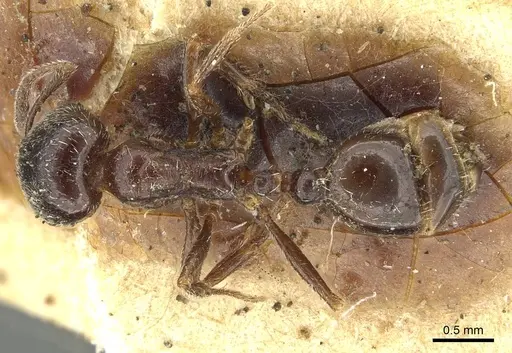
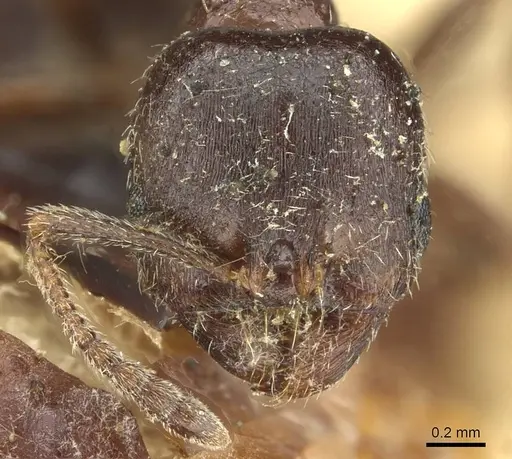
CASENT0915449
View on AntWeb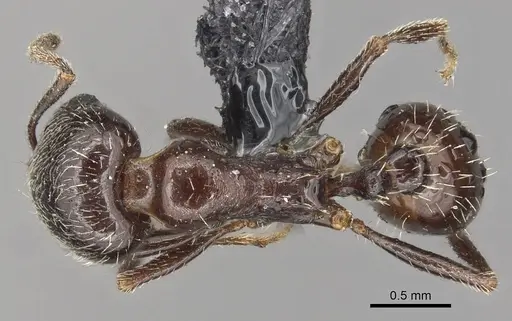
Literature
Loading...Loading products...