

Goniomma kugleri
- Scientific Name
- Goniomma kugleri
- Tribe
- Stenammini
- Subfamily
- Myrmicinae
- Author
- Espadaler, 1986
- Distribution
- Found in 1 countries
Goniomma kugleri Overview
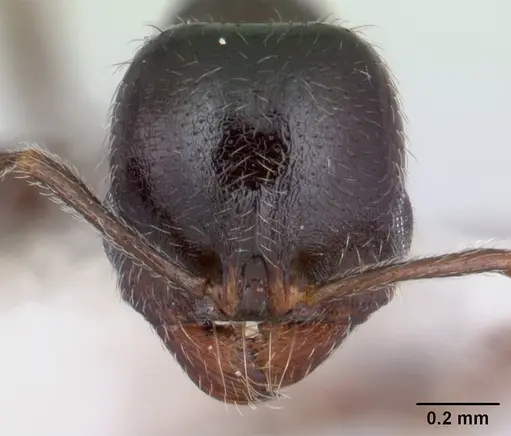
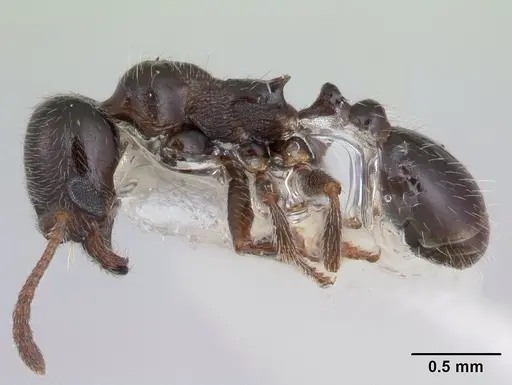
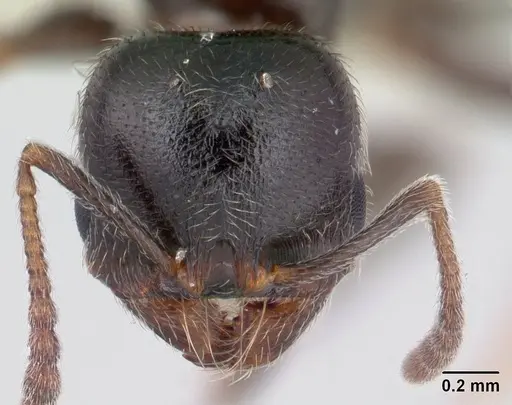
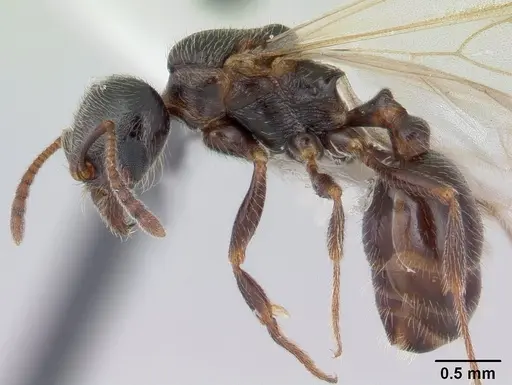
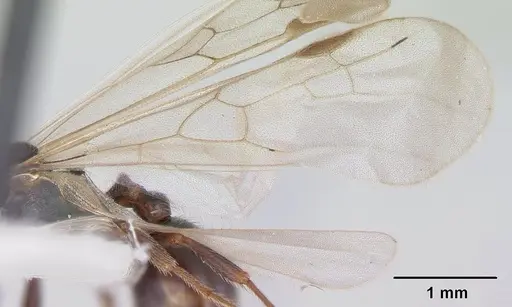
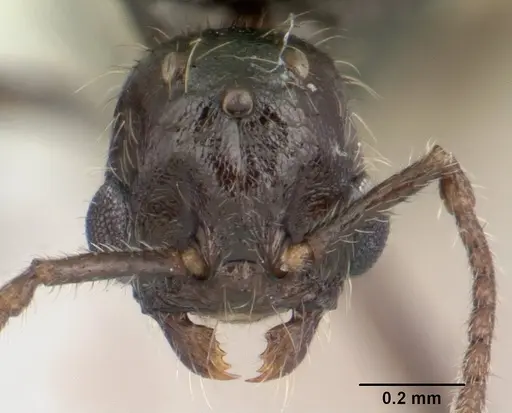
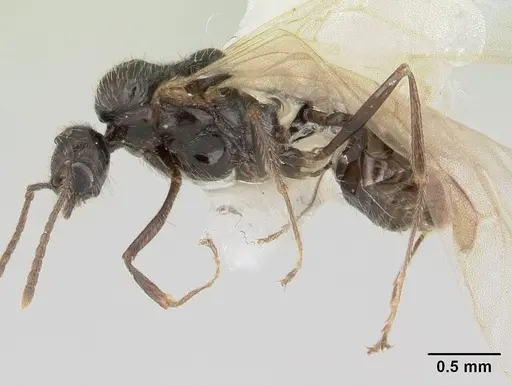
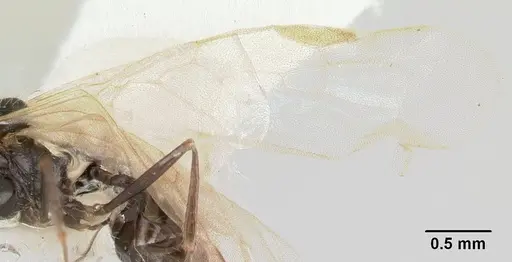
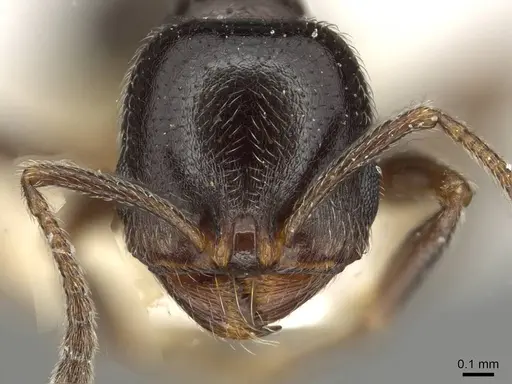
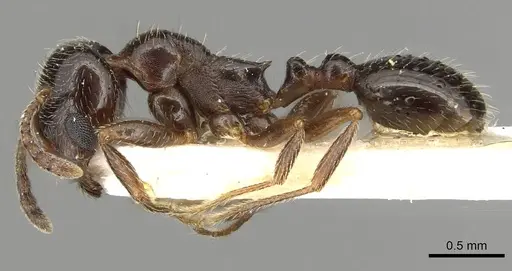
Goniomma kugleri is an ant species of the genus Goniomma. It is primarily documented in 1 countries , including Spain. Detailed taxonomic data and occurrence records can be further explored via authoritative databases such as AntWeb or the Global Biodiversity Information Facility (GBIF).
Goniomma kugleri
Goniomma kugleri is a tiny, rarely encountered seed-gathering ant native to the Iberian Peninsula and Morocco. Workers are small and use a cryptic foraging strategy that makes them difficult to spot in the wild, explaining why so few specimens have been collected despite their presence in suitable habitat [1][2]. This species belongs to the Stenammini tribe within the Myrmicinae subfamily, which includes other seed-harvesting ants like Messor, but Goniomma remains one of the most poorly studied ants in Europe [3]. The genus Goniomma is unusual among Myrmicinae for its specialized granivorous diet. What makes this species particularly interesting is its extreme rarity in scientific collections, despite being an Iberian endemic known since 1986,it has rarely been recorded in ant surveys, likely due to its secretive nature and small worker size rather than true scarcity [1][4].
Quick Summary
- Difficulty: Unknown, this species has never been documented in captive antkeeping. Extremely limited natural history data makes care recommendations highly speculative.
- Origin & Habitat: Iberian Peninsula (Spain, Portugal) and Morocco. Found in Mediterranean woodland with dense scrub layer dominated by Quercus coccifera, Cistus species, and Lavandula stoechas, at elevations of 244-465 meters [5]. Also collected near peat bogs bordering Quercus suber forests in Morocco. Prefers areas with thick arbustive vegetation [1].
- Colony Type: Colony structure is unconfirmed. Based on related Stenammini genera, likely single-queen (monogyne) colonies, but this has not been documented.
- Size & Growth:
- Queen:{.size-link} size data unavailable, no measurements exist in scientific literature for this species
- Worker:{.size-link} size data unavailable, workers are described as small but no specific measurements exist
- Colony: Unknown, no colony size data exists. Based on capture numbers (fewer than 10 individuals total in multiple studies), colonies are likely very small [2][4].
- Growth: Unknown, no development data exists for this species.
- Development: Unconfirmed, no direct measurements exist. Based on typical Stenammini patterns at Mediterranean temperatures, estimate 6-10 weeks but this is highly speculative. (Development timeline is entirely unstudied. Any estimate would be based on inference from related genera, not species-specific data.)
- Antkeeping:
- Temperature: Unconfirmed. Based on Iberian distribution and elevation (244-465m), likely tolerates 15-28°C. Recommend starting around 20-24°C and observing colony activity [5].
- Humidity: Unconfirmed. Natural habitat includes both dry woodland and peat bog edges, suggesting moderate humidity tolerance. Start with typical dry-to-moderate substrate conditions and adjust based on colony behavior.
- Diapause: Unknown, no seasonal data exists. Iberian distribution suggests some winter dormancy may occur, but this is unconfirmed.
- Nesting: Unconfirmed. Based on habitat data, likely nests in soil under stones or in decaying wood in shaded, vegetated areas. For captive keeping, standard test tubes or small nests would be appropriate starting points, with substrate for seed storage.
- Behavior: Granivorous (seed-eating), this is confirmed from the species description and habitat [6]. Workers forage cryptically, meaning they search for food quietly and avoid attention, which explains their rarity in trap samples [1]. Temperament is unconfirmed but related Stenammini are typically docile. Escape risk is likely low given their small size, but standard barriers are still recommended. No documented stinging behavior, though this is unstudied.
- Common Issues: no captive keeping documentation exists, this species may never have been kept in captivity, extreme rarity means virtually no care information is available from antkeepers, small worker size may require fine mesh barriers despite low escape behavior, cryptic foraging means workers may be overlooked when collecting food, wild-caught colonies may be nearly impossible to obtain due to species rarity
Species Overview and Distribution
Goniomma kugleri is one of the rarest ants in the Iberian Peninsula, known from only a handful of localities in southern Spain, Portugal, and recently Morocco [7][6]. The species was first described by Xavier Espadaler in 1986 from specimens collected in Córdoba, Spain [6]. Since then, it has been recorded in Sierra Nevada, Doñana, and the Segura River Basin, always in low numbers [8][5]. The Moroccan populations were only documented in 2023,expanding the known range significantly [6]. This ant occupies Mediterranean woodland and scrubland habitats, typically at elevations between 244-465 meters. The species appears to prefer areas with dense vegetation cover, particularly where Cistus shrubs and evergreen oaks dominate [1]. The extreme rarity in scientific collections is attributed to both genuine low population densities and the species' cryptic, inconspicuous foraging behavior, workers are small and forage quietly, making them easy to miss even where they are present.
Diet and Feeding
Goniomma kugleri is a granivorous ant, meaning it collects and consumes seeds as its primary food source [6]. This places it in the Stenammini tribe alongside better-known seed harvesters like Messor. In captivity, you would likely need to provide small seeds appropriate to their size, typical ant diet seeds may need to be crushed or offered in smaller sizes than you would use for larger Messor species. Beyond seeds, they likely supplement their diet with small insects and arthropods, similar to other granivorous ants, though this is unconfirmed. Sugar sources may or may not be accepted, many Stenammini primarily focus on seeds but will occasionally tend aphids for honeydew. Given how little is known about this species' specific dietary needs, offering a variety including small seeds, occasional protein sources, and sugar water would be the most conservative approach until more specific data emerges.
Habitat and Nesting
In the wild, Goniomma kugleri has been collected from Mediterranean woodland with thick scrub layers and from degraded Quercus suber (cork oak) forests [6]. The Portuguese specimens came from areas with Quercus coccifera, Cistus ladanifer, and Lavandula stoechas, while Moroccan collections occurred near peat bogs bordering cork oak forests [6]. This suggests the species prefers shaded, vegetated areas with moderate ground cover rather than open sunny locations. The elevation range of 244-465 meters in the Segura River Basin gives some indication of the microhabitats they occupy [5]. For captive keeping, you would want to replicate these conditions with a nest that allows for some humidity retention while not being saturated. Standard test tube setups would work as starting points, with a small area of damp substrate for the colony to maintain. The species' small size means chambers and passages should be appropriately scaled.
Conservation and Collection Status
This species has only been collected a handful of times since its description in 1986,making it one of the rarest Iberian ants [1][2]. In the Doñana study, it was categorized as rarely appearing and was detected in only pitfall traps with fewer than 10 individuals total [1][4]. This extreme rarity could indicate either genuinely low population sizes or simply that the species is difficult to detect with standard survey methods. Either way, wild collection would be extremely challenging and potentially ecologically concerning given how few specimens have ever been documented. If you were to attempt keeping this species, it would almost certainly require obtaining an existing captive colony rather than collecting from the wild, and such colonies do not appear to exist in the antkeeping hobby based on the complete lack of documented care information.
Related Species and Taxonomic Context
Goniomma kugleri belongs to the Stenammini tribe within the Myrmicinae subfamily [3]. This tribe includes well-known seed-harvesting genera like Messor (harvester ants) and Aphaenogaster, which have more documented care information. The genus Goniomma itself contains only a few species, all centered around the Mediterranean region. The type locality is Spain, specifically Córdoba, and the species has been placed in the Palearctic biogeographic region [3]. While the Stenammini tribe is relatively well-studied overall, Goniomma kugleri specifically remains one of the least known European ants. Any care recommendations must be based largely on inference from related genera rather than species-specific data, which makes this an extremely challenging species to keep even for experienced antkeepers who typically work with better-documented species.
Frequently Asked Questions
Is Goniomma kugleri available in the antkeeping hobby?
No, this species has never been documented in the antkeeping hobby. It is one of the rarest ants in the Iberian Peninsula with virtually no captive keeping information available. Even finding wild colonies would be extremely difficult given how few specimens have ever been collected by researchers.
What do Goniomma kugleri ants eat?
They are granivorous, meaning they eat seeds as their primary food source, similar to Messor ants. Beyond seeds, they likely accept small insects and may occasionally tend aphids for honeydew, though this is unconfirmed for this specific species.
How big do Goniomma kugleri colonies get?
Unknown, no colony size data exists for this species. Based on the very small number of specimens ever captured (fewer than 10 individuals across multiple studies), colonies are likely very small, possibly under 100 workers or even smaller.
What temperature should I keep Goniomma kugleri at?
Unconfirmed. Based on their Iberian distribution and elevation (244-465m), they likely tolerate 15-28°C. Start around 20-24°C and observe colony behavior. This is entirely speculative, no captive temperature data exists.
Do Goniomma kugleri ants need hibernation?
Unknown, no seasonal or diapause data exists for this species. Their Iberian distribution suggests some winter dormancy may occur, but this is unconfirmed. Related Mediterranean ants typically reduce activity in winter but may not require true hibernation.
Are Goniomma kugleri good for beginners?
No, this species is absolutely not recommended for beginners or even experienced antkeepers. No captive care information exists, colonies are virtually impossible to obtain, and even basic biological data is missing. There are many well-documented species available that would be far more appropriate.
Where does Goniomma kugleri live in the wild?
Southern Spain, Portugal, and Morocco. They inhabit Mediterranean woodland with dense scrub vegetation, typically at elevations of 244-465 meters. Preferred habitats include areas with Quercus coccifera, Cistus species, and Lavandula stoechas.
Do Goniomma kugleri ants sting?
Undocumented, no information exists about their sting or pain level. Given their very small size and placement in Myrmicinae, they likely have a stinger but it would be too small to penetrate human skin effectively, similar to many tiny ants.
How long does it take for Goniomma kugleri to develop from egg to worker?
Unconfirmed, no development timeline has been documented. Based on typical Stenammini patterns at Mediterranean temperatures, estimate 6-10 weeks, but this is highly speculative and not based on species-specific data.
Can I keep multiple Goniomma kugleri queens together?
Unknown, colony structure has not been documented for this species. Based on related Stenammini, they likely form single-queen colonies, but this is inferred, not confirmed. Combining unrelated queens is not recommended given how little is known about their social structure.
Report an Issue
The current care sheet is based fully on literature. See inconsistencies, or something that's incorrect? Please , it will be resolved after review from an admin. Contributing to the blogs tab also helps providing information, to make us be able to further improve the caresheets. Thank you for your support!
References

This caresheet is licensed under CC BY-SA 4.0 .
CASENT0178583
View on AntWeb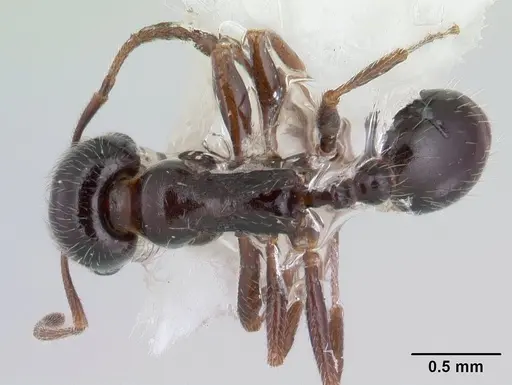
CASENT0178584
View on AntWeb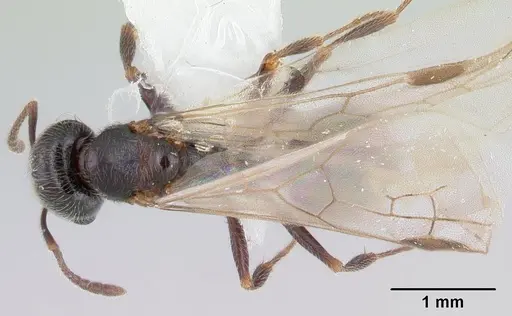
CASENT0178585
View on AntWeb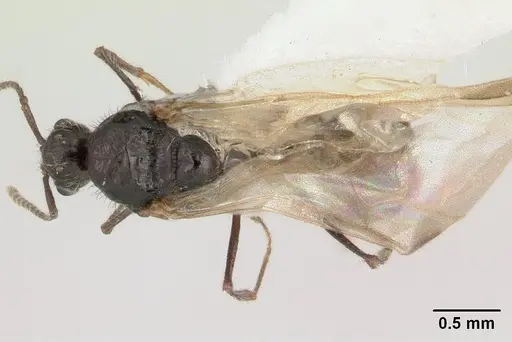
CASENT0915447
View on AntWeb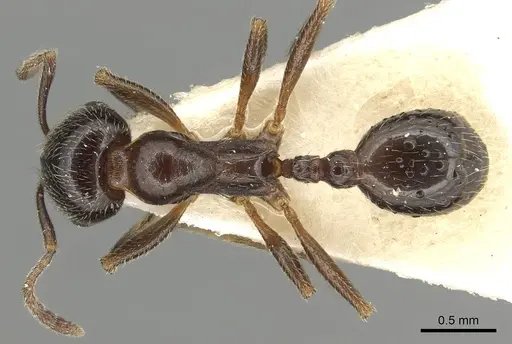
Literature
Loading...Loading products...