

Gnamptogenys mordax
- Scientific Name
- Gnamptogenys mordax
- Tribe
- Ectatommini
- Subfamily
- Ectatomminae
- Author
- Smith, 1858
- Distribution
- Found in 11 countries
Gnamptogenys mordax Overview
Gnamptogenys mordax is an ant species of the genus Gnamptogenys. It is primarily documented in 11 countries , including Bolivia, Plurinational State of, Brazil. Detailed taxonomic data and occurrence records can be further explored via authoritative databases such as AntWeb or the Global Biodiversity Information Facility (GBIF).
Gnamptogenys mordax
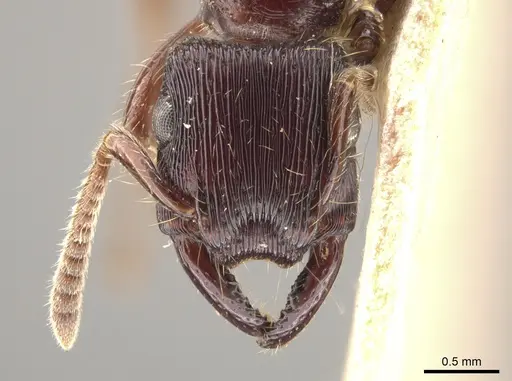
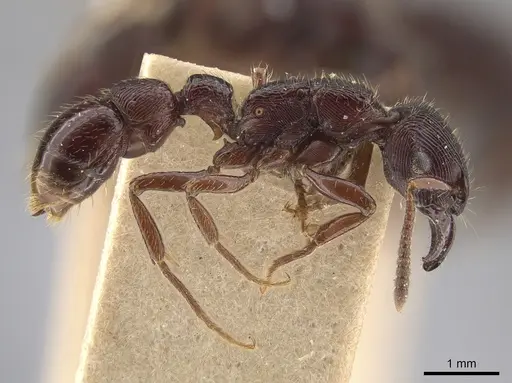
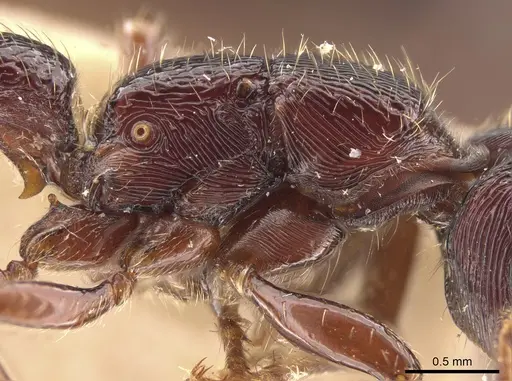
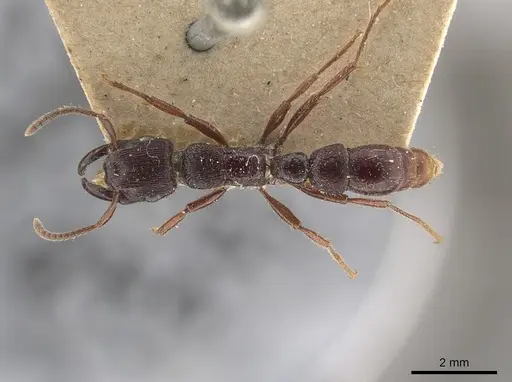
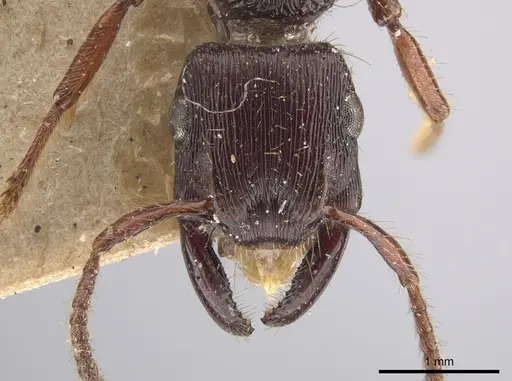
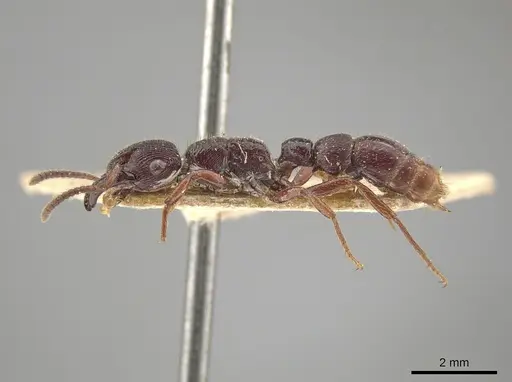
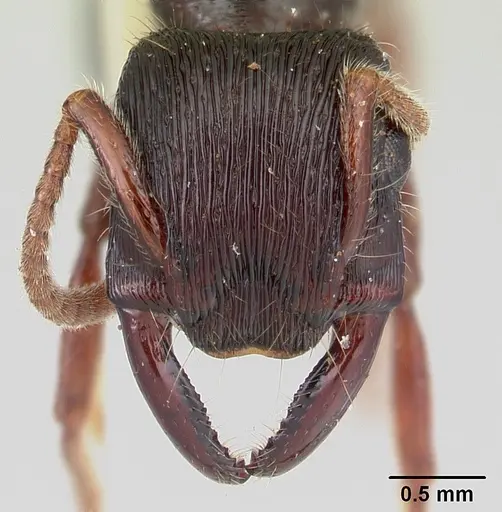
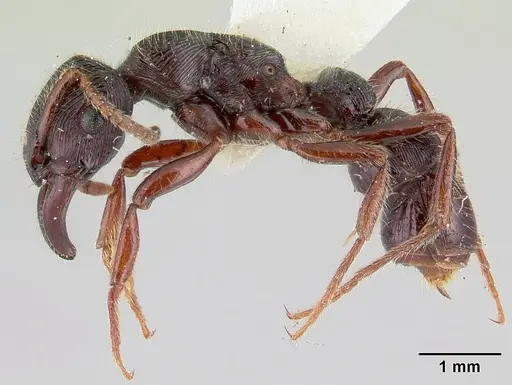
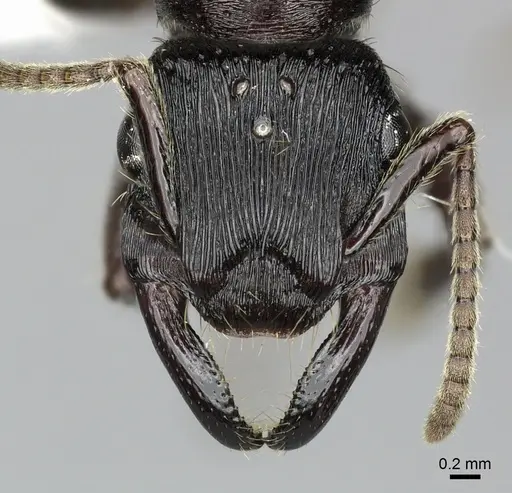
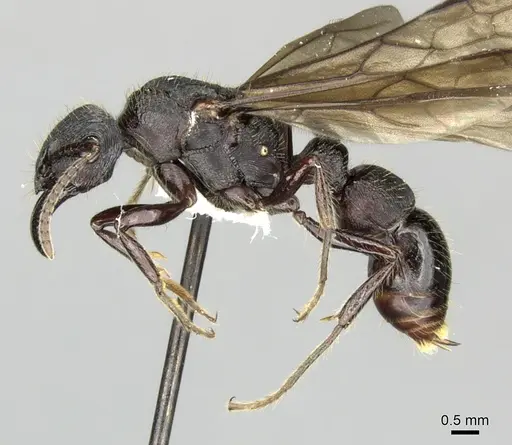
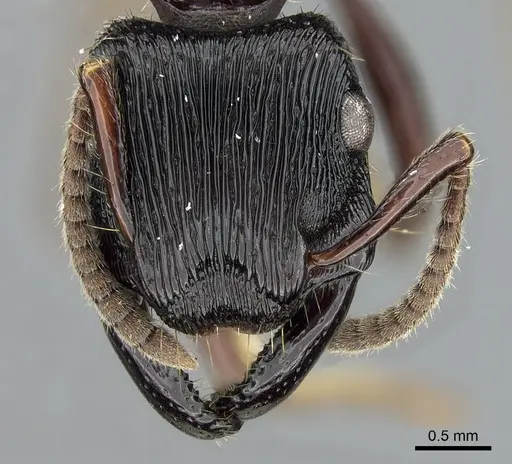
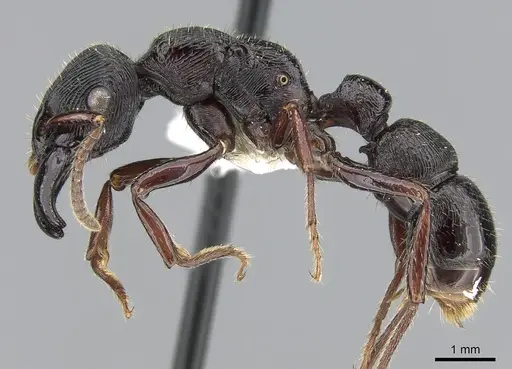
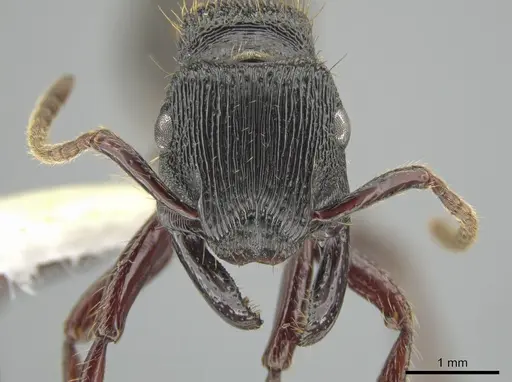
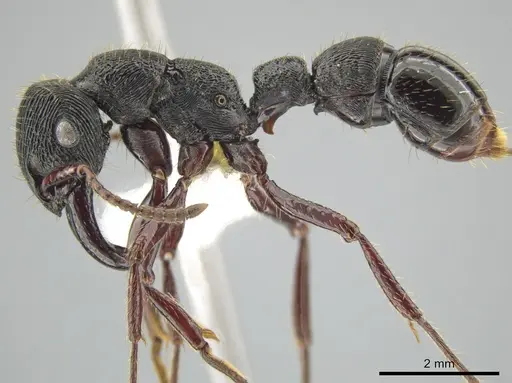
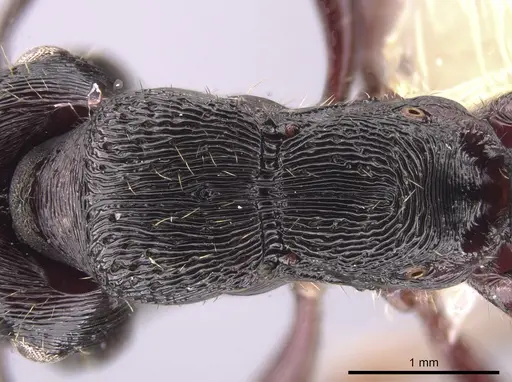
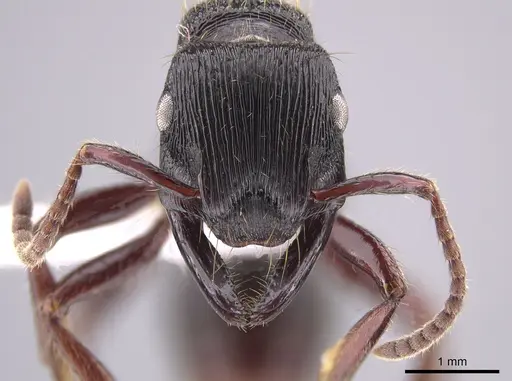
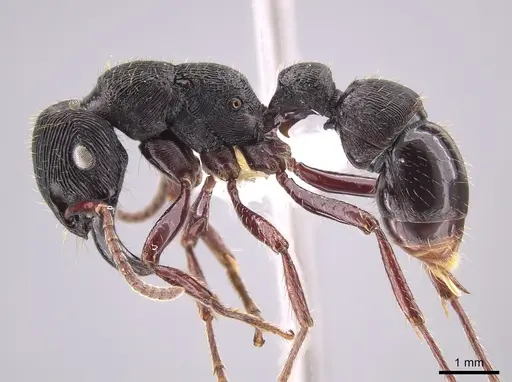
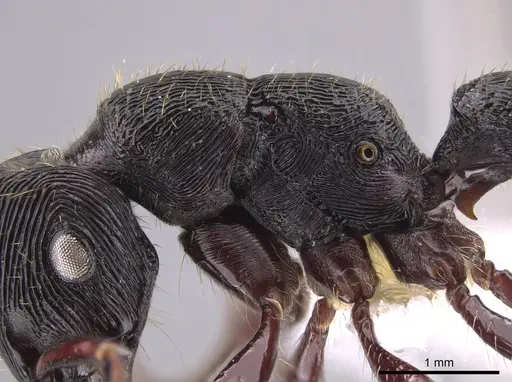
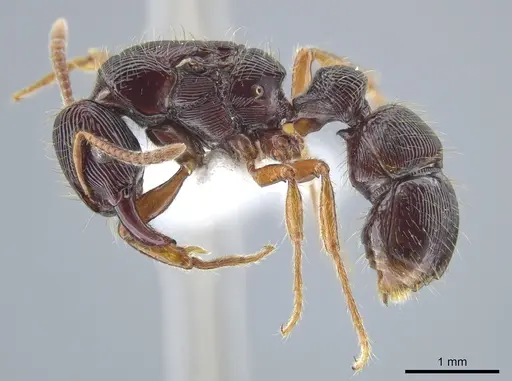
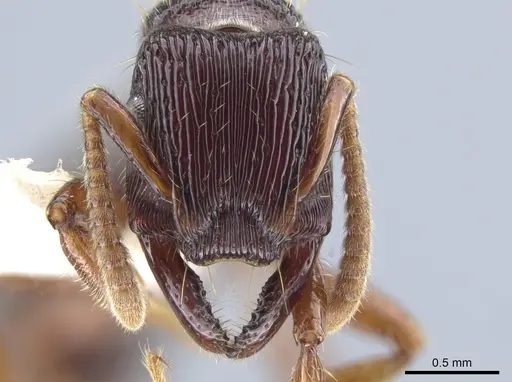
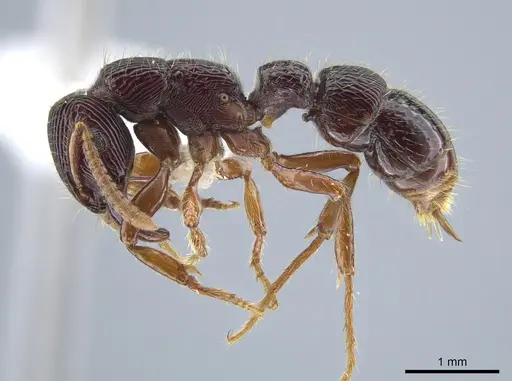
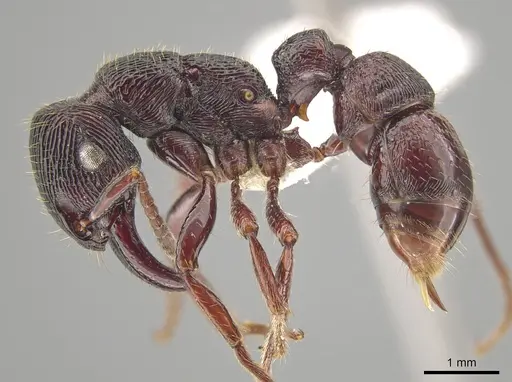
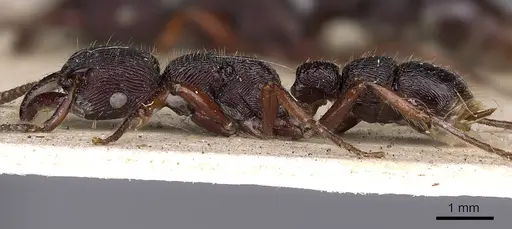
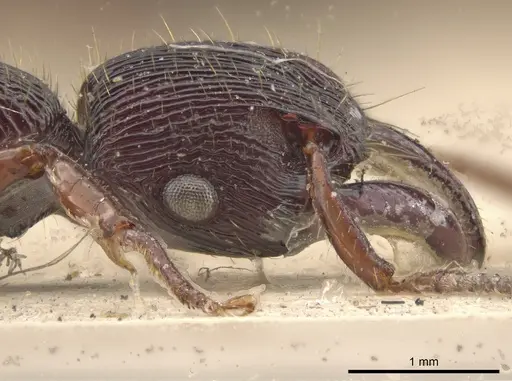
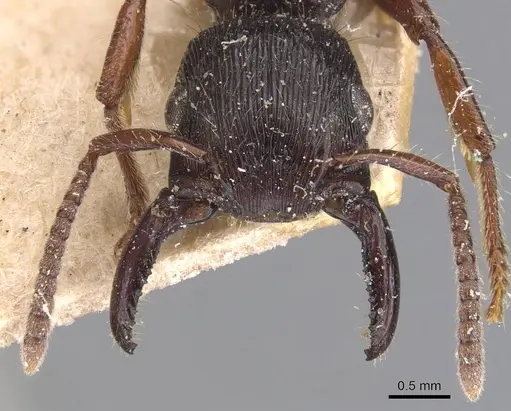
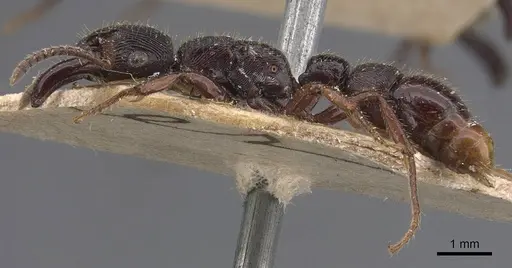
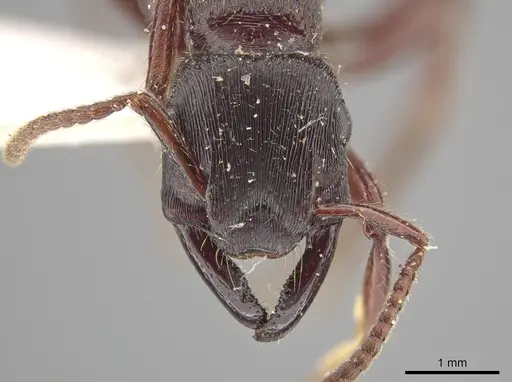
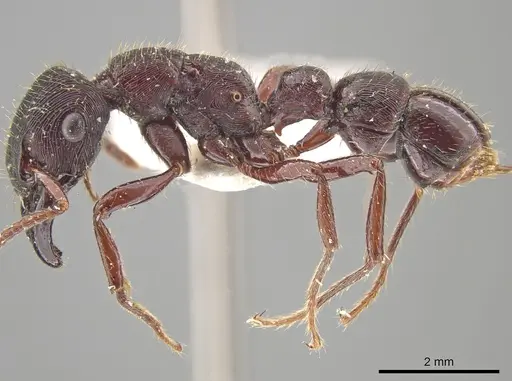
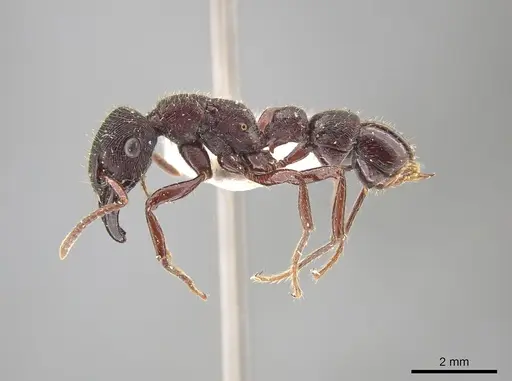
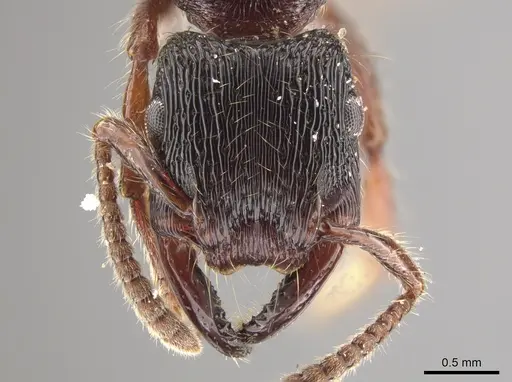
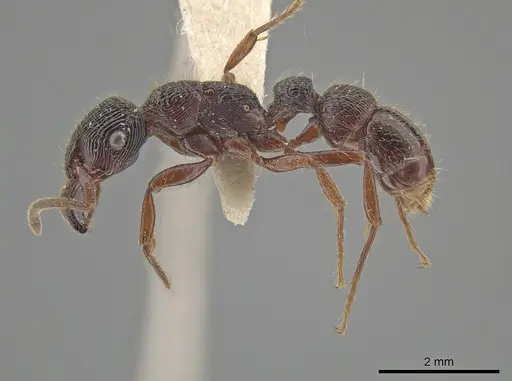
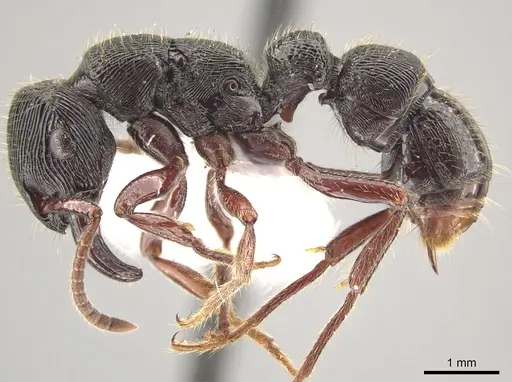
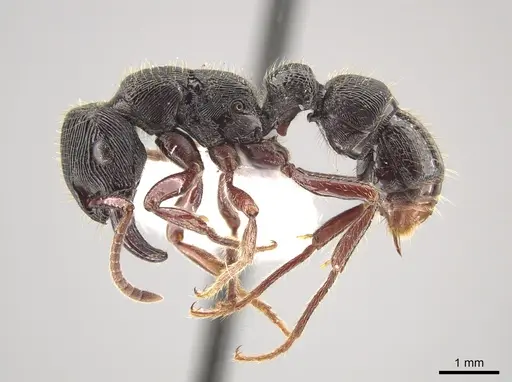
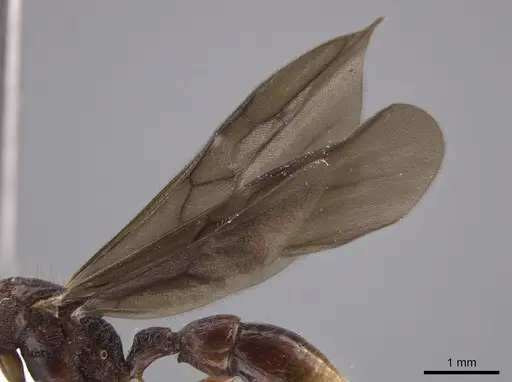
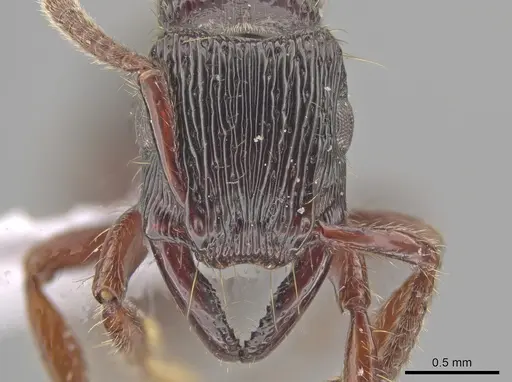
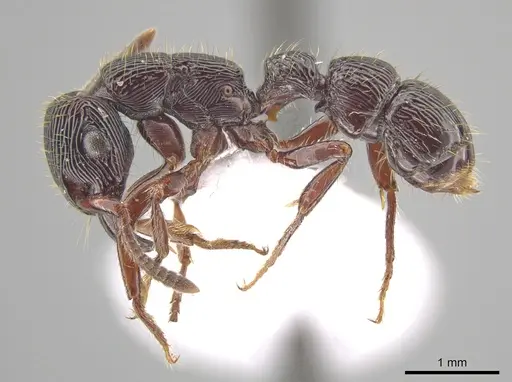
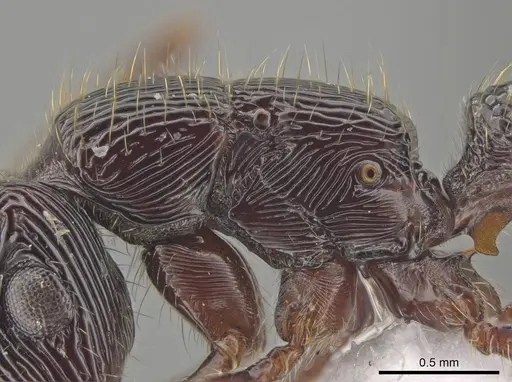
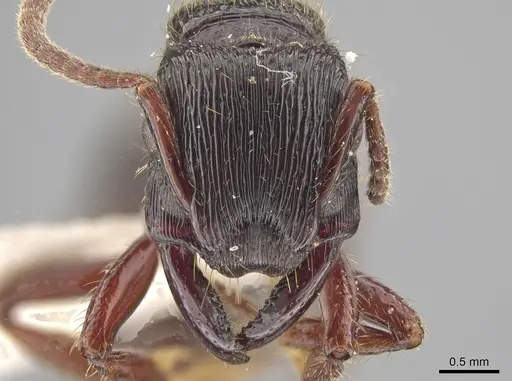
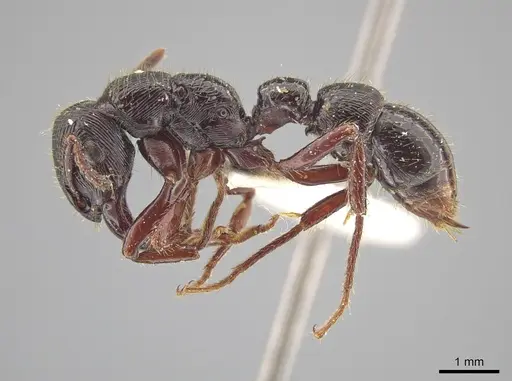
Gnamptogenys mordax is a medium-sized predatory ant found across the Neotropics, ranging from Mexico to Argentina. Workers measure 1.08-2.08mm in head width and 1.66-2.92mm in body length, with queens reaching approximately 9.5mm [1][2]. They have a very dark, almost black-brown body with dark brown legs, semi-triangular mandibles, and a distinctive propodeal (the section behind the waist) face with transverse ridges [2][3]. The second abdominal segment can range from smooth to longitudinally ridged, adding to their variable appearance [2]. These ants inhabit humid forests from sea level up to nearly 2,000m altitude, including both primary rainforests and secondary growth, as well as shaded coffee plantations [2][3]. Despite their relatively large size, they are not aggressive and typically freeze completely when their nest is disturbed, a defensive strategy rather than attack [2][3].
Quick Summary
- Difficulty: Medium
- Origin & Habitat: Neotropical region, Mexico to Argentina, including Brazil, Colombia, Costa Rica, Ecuador, French Guiana, Guyana, Honduras, Panama, Peru, and Suriname. Inhabits humid forests (primary and secondary) up to 2,000m altitude, including shaded coffee plantations [2][3][4].
- Colony Type: Colony structure is unconfirmed. No specific data on queen number or colony size in scientific literature.
- Size & Growth:
- Queen: Approximately 9.5mm (4.5 lines) [1]
- Worker: HW 1.08-2.08mm, WL 1.66-2.92mm [2]
- Colony: Unknown, no documented colony size in research
- Growth: Unknown, no development timing data available
- Development: Unknown, no direct development studies exist for this species (Based on related Poneromorph ants, expect 6-10 weeks at tropical temperatures, but this is an estimate)
- Antkeeping:
- Temperature: Keep at 24-28°C, mimicking warm tropical forest conditions. A slight gradient allows workers to self-regulate.
- Humidity: High humidity required, these are forest floor ants from humid environments. Keep nest substrate consistently moist but not waterlogged. Provide a water reservoir for humidity.
- Diapause: Unknown, given their tropical distribution, they likely do not require a true diapause. However, cooler temperatures during winter months may slow activity.
- Nesting: Natural nesting: leaf litter and decomposing wood on the ground [5]. In captivity, a naturalistic setup with moist substrate and hiding places works well. Y-tong or plaster nests with good humidity retention are suitable options.
- Behavior: These ants are docile and non-aggressive, they rely on freezing behavior rather than fighting when threatened [2][3]. They are predators that specialize in beetles, particularly rove beetles (Staphylinidae) and their larvae, plus millipedes (Diplopoda) [2][3][6]. Workers forage in leaf litter and decaying wood on the forest floor. Escape risk is moderate, standard barrier precautions are sufficient.
- Common Issues: specialized diet means colonies may struggle if only standard ant foods are offered, they need beetle prey, high humidity requirements can lead to mold issues if ventilation is poor, docile nature may lead keepers to handle them roughly, they are still wild animals that can bite, wild-caught colonies may have parasites that kill them in captivity, slow colony growth may cause keepers to overfeed, leading to mold and colony decline
Appearance and Identification
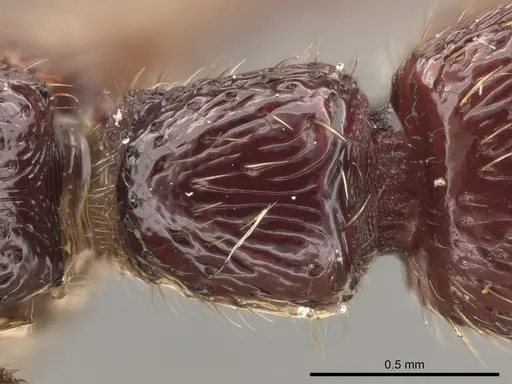
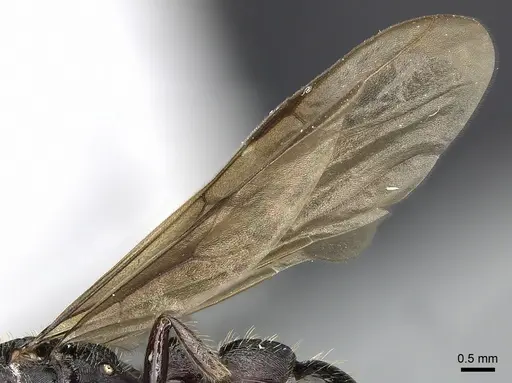
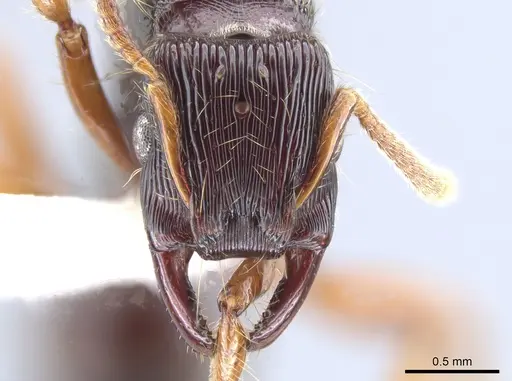
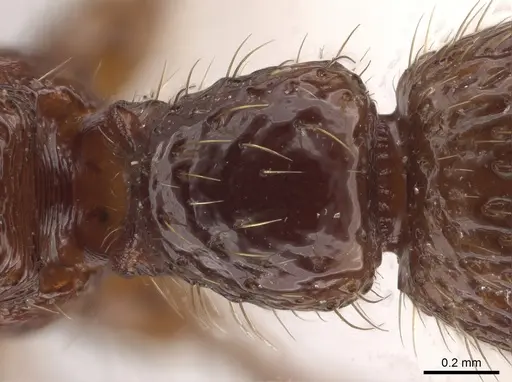
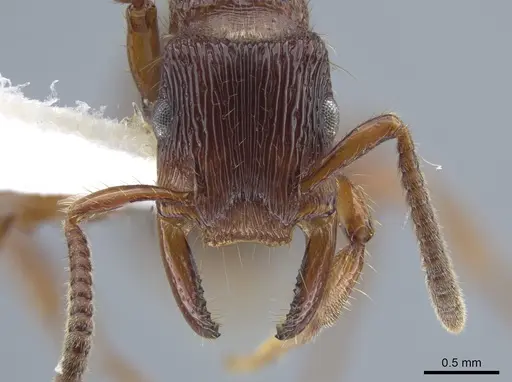
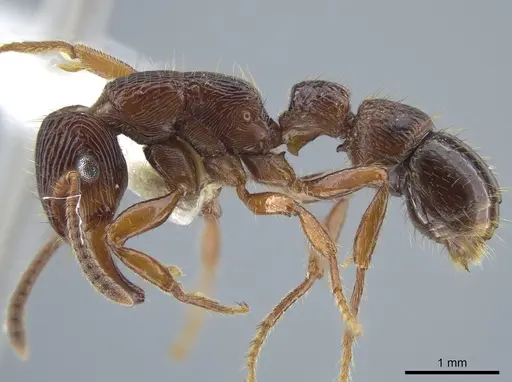
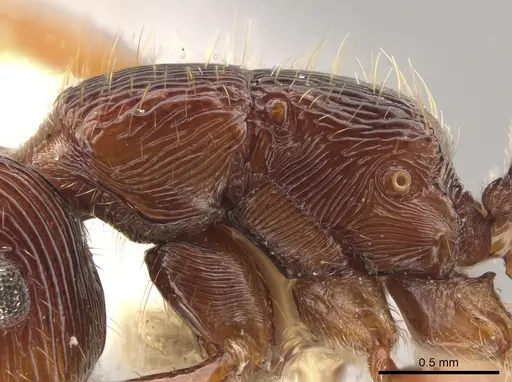
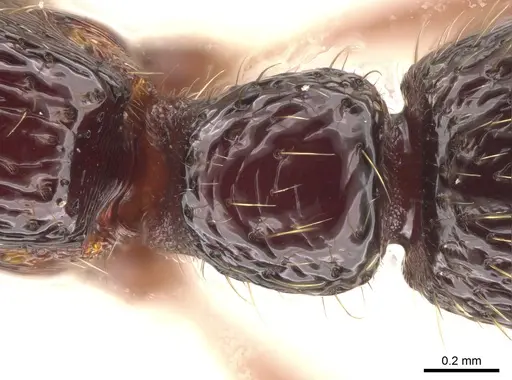
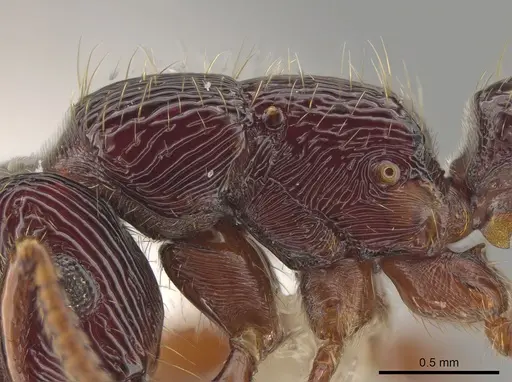
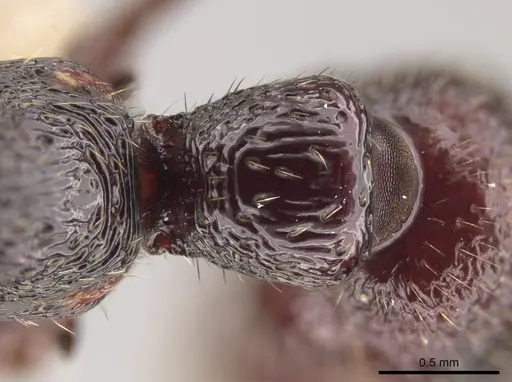
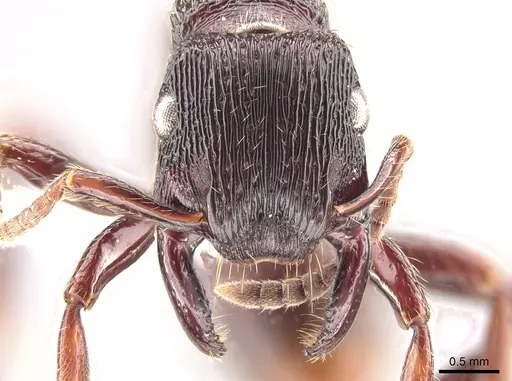
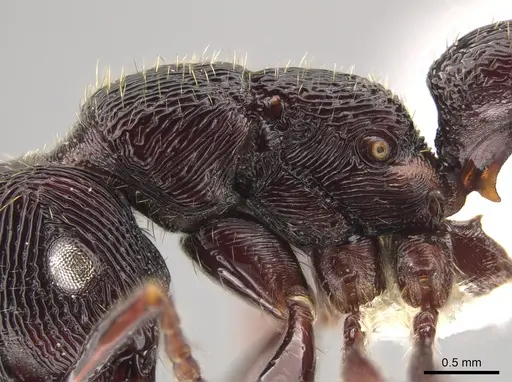
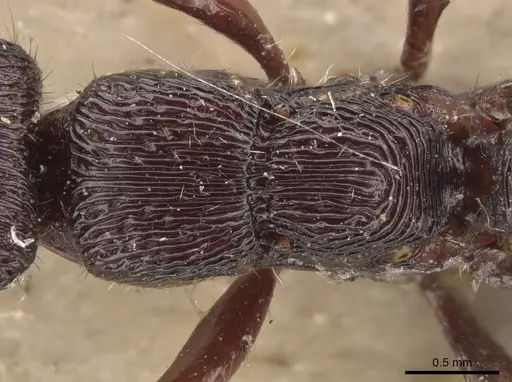
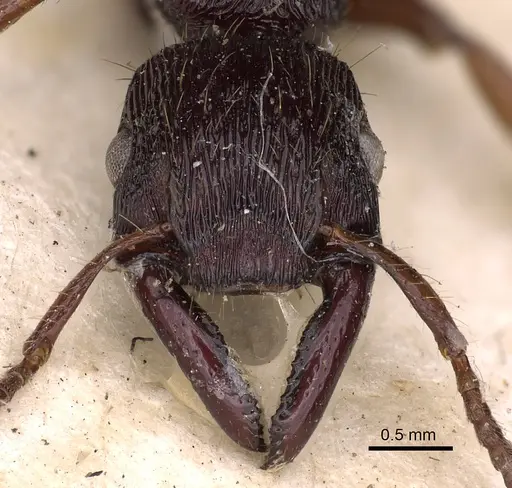
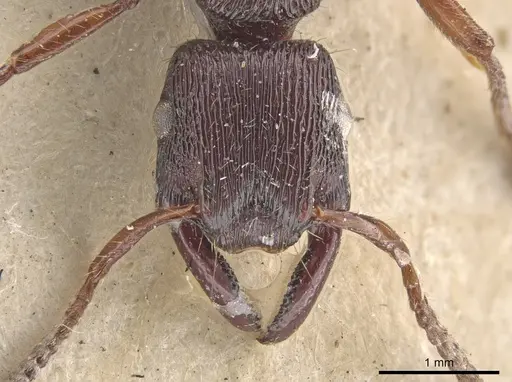
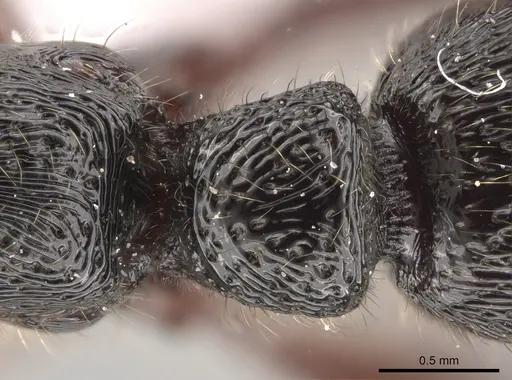
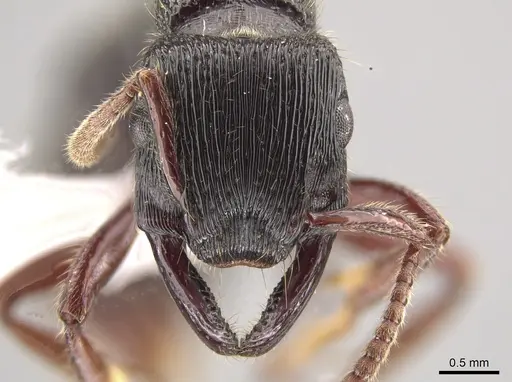
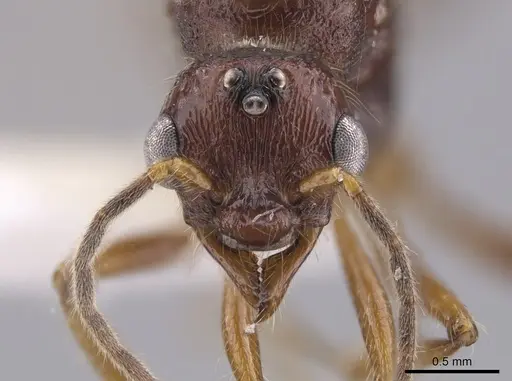
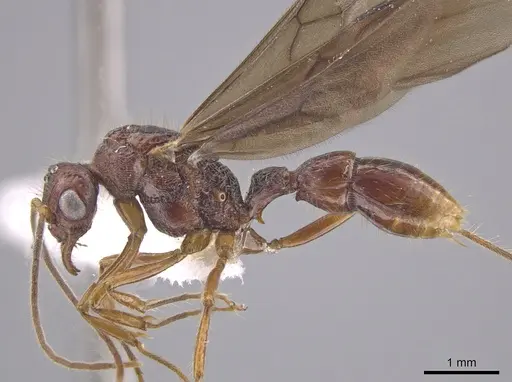
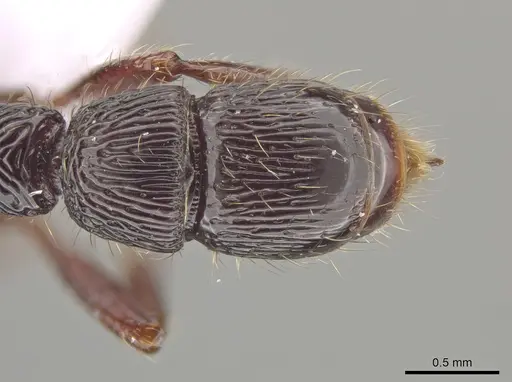
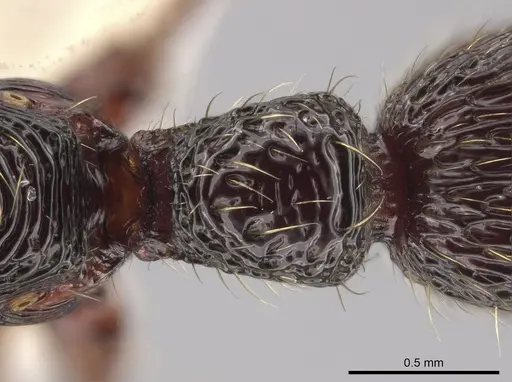
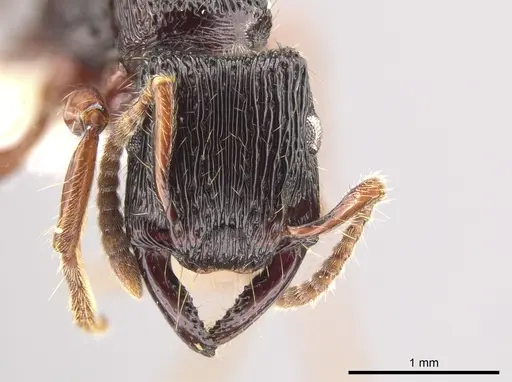
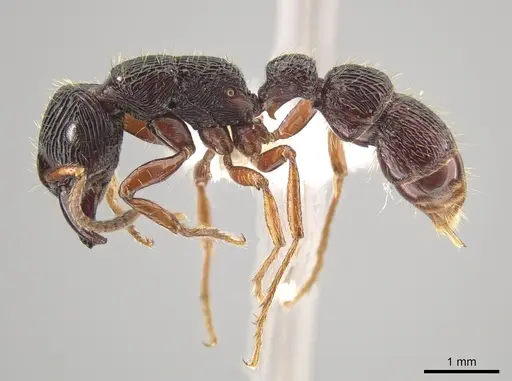
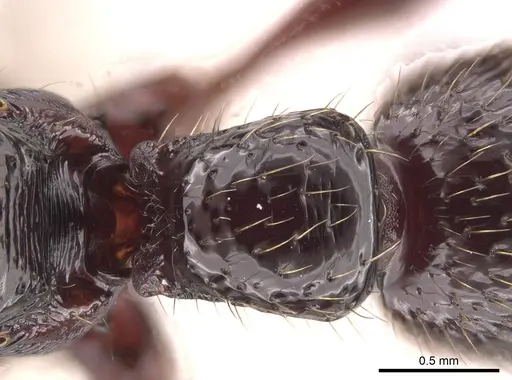
Gnamptogenys mordax is a distinctive medium-sized ant with a very dark, almost black-brown body and dark brown legs [2][3]. Workers measure 1.08-2.08mm in head width and 1.66-2.92mm in total body length, making them larger than many leaf-litter ants [2]. They have semi-triangular mandibles and a propodeal (the rear section of their mesosoma) face marked with distinctive transverse ridges or costae [2][3]. The second abdominal segment (gastral tergum II) shows significant variation, it can be completely smooth, have longitudinal ridges, or display a ridged-rugose texture depending on the individual [2]. Queens are considerably larger at approximately 9.5mm (4.5 lines) [1]. Smaller workers can be confused with the related species Gnamptogenys continua, so identification is best confirmed by examining multiple specimens [2][3].
Natural History and Behavior
These ants are predators with a strong preference for beetles. Nest debris analysis reveals they consume rove beetles (Staphylinidae), click beetle larvae (Elateridae), and millipedes (Diplopoda) [2][3][6]. Live Staphylinidae beetles and millipedes have been observed directly in their nests, confirming active predation on these arthropods [2][3]. Despite their relatively large size, Gnamptogenys mordax is not aggressive. When their nest is discovered, instead of attacking, they typically freeze completely, a passive defensive strategy that relies on remaining motionless to avoid detection [2][3]. They forage in leaf litter and decomposing wood on the forest floor, hunting their prey in the humid microenvironments of the forest understory [5]. This species is assigned to the Tropical Climate Specialists (TCS) functional group based on its distribution and habitat preferences [7].
Distribution and Habitat
Gnamptogenys mordax has one of the broadest distributions of any Neotropical ant species, ranging from central Mexico (Veracruz) all the way to southeastern Brazil and northern Argentina [4][5]. In Colombia, they have been recorded in the departments of Amazonas, Antioquia, Caquetá, Chocó, Cundinamarca, Norte de Santander, Risaralda, Santander, and Valle del Cauca [2][3]. They inhabit humid forests at elevations ranging from sea level to nearly 2,000 meters [2][3]. These ants are found in both primary (undisturbed) and secondary (regrown) forests, and they even thrive in shaded coffee plantations where the forest-like understory provides suitable humidity and leaf litter [2][3]. Their presence across such a wide geographic range and variety of habitats demonstrates adaptability, though they consistently require humid conditions.
Feeding and Diet in Captivity
Gnamptogenys mordax is a specialized predator with a strong preference for beetles and other arthropods. In the wild, their diet consists primarily of rove beetles (Staphylinidae), click beetle larvae (Elateridae), and millipedes (Diplopoda) [2][3][6]. This specialized diet is one of the most important factors to consider for captive care, they will likely struggle on a diet of only standard ant foods. In captivity, you should offer small live prey that mimics their natural diet. Suitable options include small rove beetles, darkling beetles, mealworms, and other small arthropods. Small millipedes may also be accepted. Sugar sources are not a significant part of their diet in the wild, so do not rely on honey or sugar water. Feed protein prey 2-3 times per week, adjusting based on colony size and consumption rate. Always remove uneaten prey to prevent mold issues.
Temperature and Humidity Requirements
As inhabitants of humid tropical forests, Gnamptogenys mordax requires warm and humid conditions. Keep the nest area at 24-28°C, which mimics their natural environment in lowland and mid-elevation Neotropical forests. A temperature gradient is beneficial, allowing workers to move between warmer and cooler areas as needed. Humidity is critical, these ants naturally live in leaf litter and decaying wood on the forest floor where humidity remains consistently high. Keep the nest substrate moist but never waterlogged. A water reservoir connected to the nest helps maintain humidity through evaporation. Avoid allowing the nest to dry out completely, as this will stress the colony. Good ventilation is necessary to prevent mold, but avoid excessive airflow that dries out the substrate. [5]
Nesting Preferences
In the wild, Gnamptogenys mordax nests in leaf litter and decomposing wood on the ground [5]. They are not arboreal and do not build elaborate underground nests, instead, they occupy the humid microhabitats found in forest floor debris. For captive care, a naturalistic setup works best. Provide a layer of moist substrate (soil or a soil-like mixture) with pieces of decaying wood, leaves, and other debris that mimics their natural leaf-litter environment. This serves both as nesting material and foraging territory. Alternatively, a Y-tong (acrylic) nest or plaster nest with good humidity retention can work, especially if you add a foraging area with moist leaf litter. Regardless of nest type, maintain consistently high humidity and provide darkness for the nest area.
Frequently Asked Questions
How long does it take for Gnamptogenys mordax to produce first workers?
The exact egg-to-worker development time is unknown, no scientific studies have documented their development timeline. Based on related Poneromorph ants from tropical regions, expect approximately 6-10 weeks from egg to first worker at optimal temperatures (24-28°C). However, this is an estimate and actual timing may vary.
What do Gnamptogenys mordax ants eat?
They are specialized predators that primarily eat beetles, especially rove beetles (Staphylinidae) and their larvae, plus millipedes. In captivity, offer small live prey like mealworms, small darkling beetles, and other tiny arthropods. They are not significant sugar feeders, so do not rely on honey or sugar water.
Are Gnamptogenys mordax ants aggressive?
No, they are not aggressive. Despite their relatively large size, they are quite docile. When threatened, they freeze completely rather than attack, this is their primary defensive strategy. They may bite if handled roughly, but they are generally safe to work with.
Do Gnamptogenys mordax ants need hibernation?
Given their tropical distribution from Mexico to Brazil, they likely do not require a true hibernation or diapause. However, cooler winter temperatures may naturally slow their activity. If you keep them in a climate-controlled environment, maintaining stable temperatures year-round is probably best.
What temperature and humidity do Gnamptogenys mordax need?
Keep them warm at 24-28°C with high humidity. These are humid forest ants, so the nest substrate should remain consistently moist but not waterlogged. A humidity gradient with a water reservoir helps maintain appropriate conditions.
Can I keep multiple Gnamptogenys mordax queens together?
The colony structure (monogyne vs polygyne) has not been documented in scientific literature. Combining unrelated queens is not recommended since this has not been studied and could result in aggression.
How big do Gnamptogenys mordax colonies get?
The maximum colony size is unknown, no scientific studies have documented colony size for this species. Based on their distribution and behavior as solitary or small-group foragers, colonies are likely moderate in size rather than supercolonial.
Are Gnamptogenys mordax good for beginners?
They are rated as medium difficulty. The main challenges are their specialized diet (requiring live beetle prey rather than standard ant foods) and high humidity requirements. If you can provide appropriate humidity and suitable prey, they can be kept by intermediate antkeepers.
What size are Gnamptogenys mordax workers?
Workers measure 1.08-2.08mm in head width and 1.66-2.92mm in body length (WL = Weber's length measurement) [2]. Queens are considerably larger at approximately 9.5mm [1].
Where is Gnamptogenys mordax found?
They range from central Mexico (Veracruz) through Central America and across northern South America to Brazil and Argentina. They live in humid forests up to 2,000m elevation, including shaded coffee plantations [2][3][4][5].
References

This caresheet is licensed under CC BY-SA 4.0 .
AMNH
View on AntWeb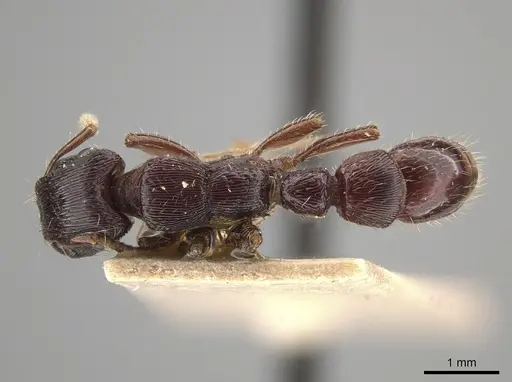
CASENT0178516
View on AntWeb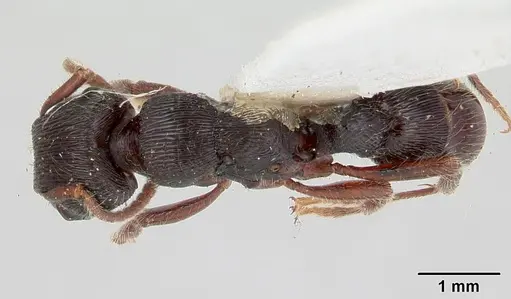
CASENT0249603
View on AntWeb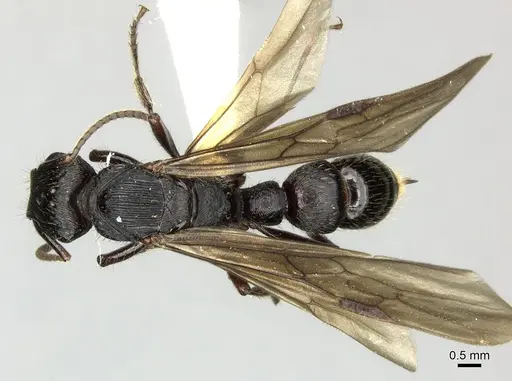
CASENT0281215
View on AntWeb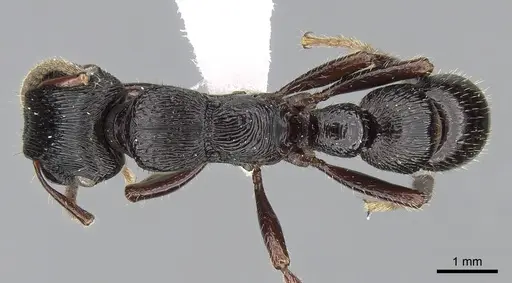
CASENT0648486
View on AntWeb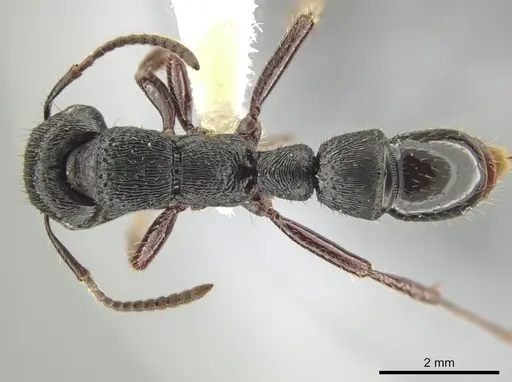
CASENT0651501
View on AntWeb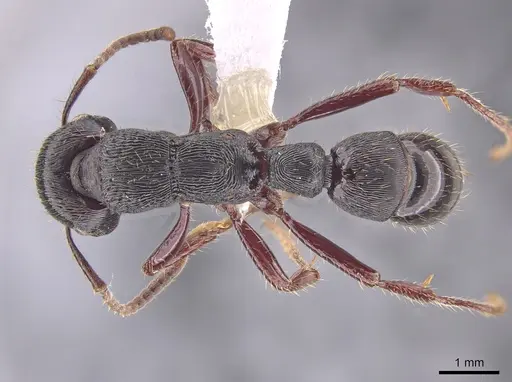
CASENT0884108
View on AntWeb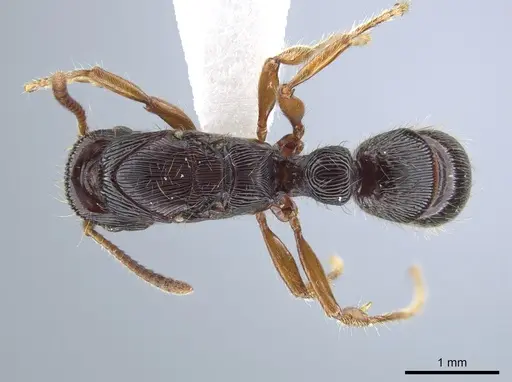
CASENT0884118
View on AntWeb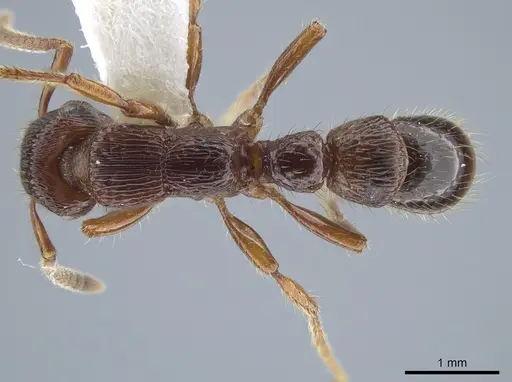
CASENT0884121
View on AntWeb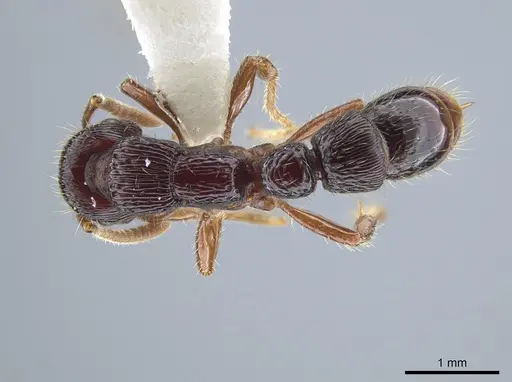
CASENT0884123
View on AntWeb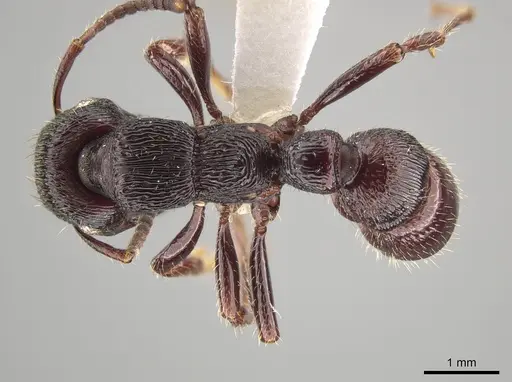
CASENT0900547
View on AntWeb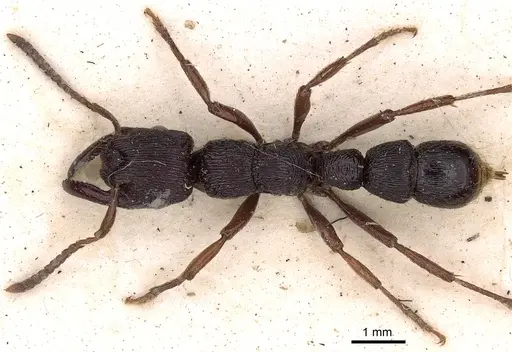
CASENT0907188
View on AntWeb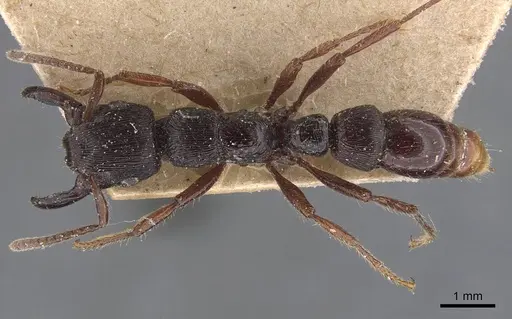
ICN007887
View on AntWeb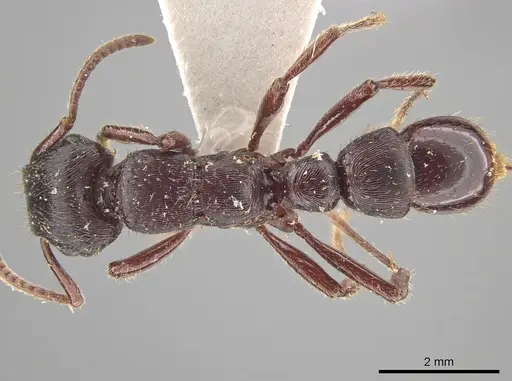
ICN007889
View on AntWeb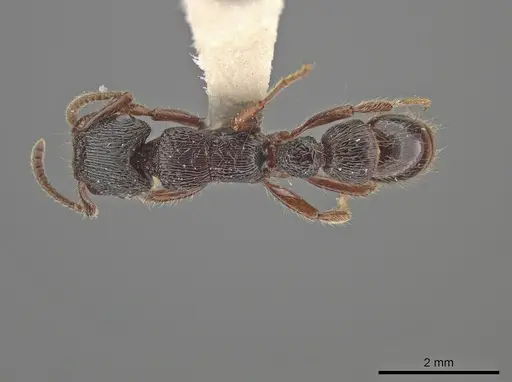
ICN047082
View on AntWeb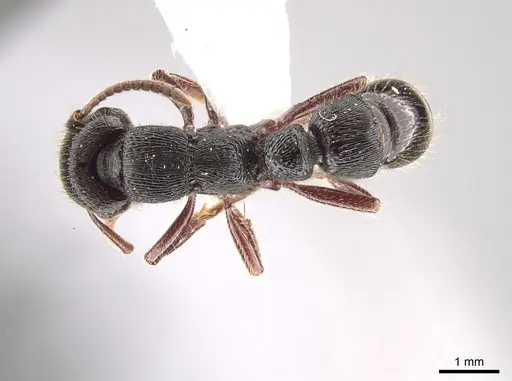
ICN103571
View on AntWeb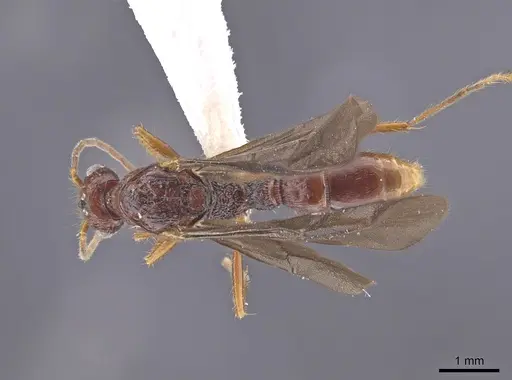
ICN103574
View on AntWeb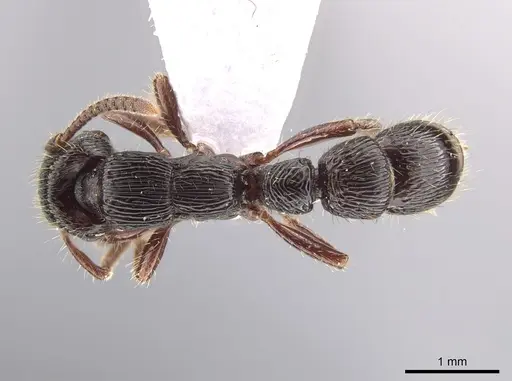
ICN103588
View on AntWeb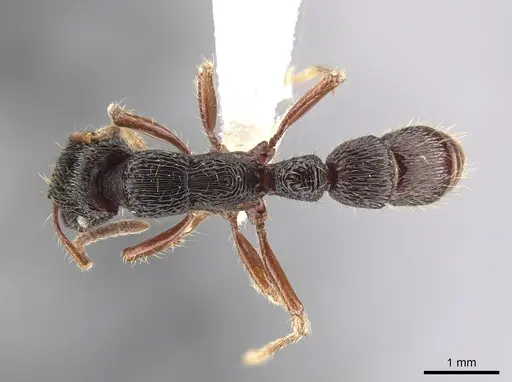
LACMENT683036
View on AntWeb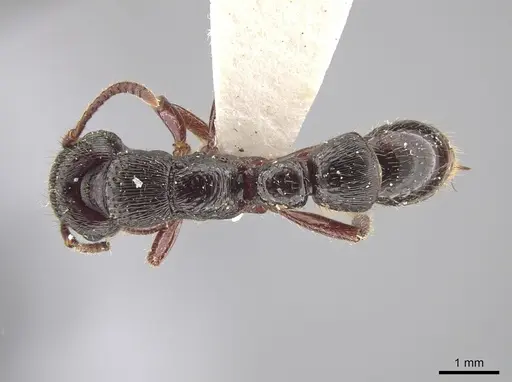
USNMENT01128031
View on AntWeb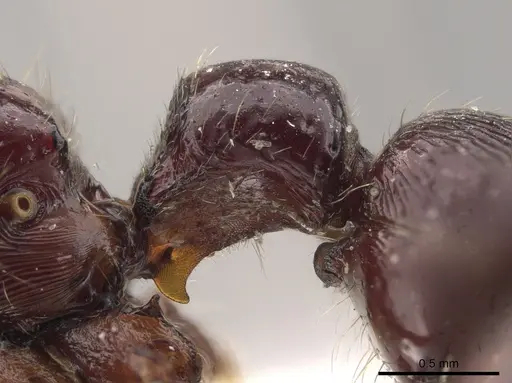
Literature
Loading...Loading products...