

Gnamptogenys continua
- Scientific Name
- Gnamptogenys continua
- Tribe
- Ectatommini
- Subfamily
- Ectatomminae
- Author
- Mayr, 1887
- Distribution
- Found in 10 countries
Gnamptogenys continua Overview
Gnamptogenys continua is an ant species of the genus Gnamptogenys. It is primarily documented in 10 countries , including Bolivia, Plurinational State of, Brazil. Detailed taxonomic data and occurrence records can be further explored via authoritative databases such as AntWeb or the Global Biodiversity Information Facility (GBIF).
Gnamptogenys continua
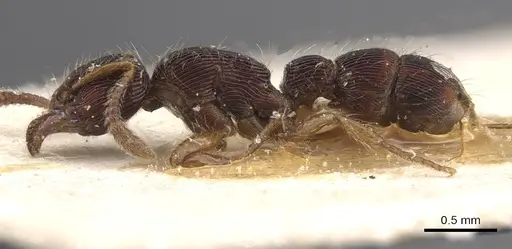
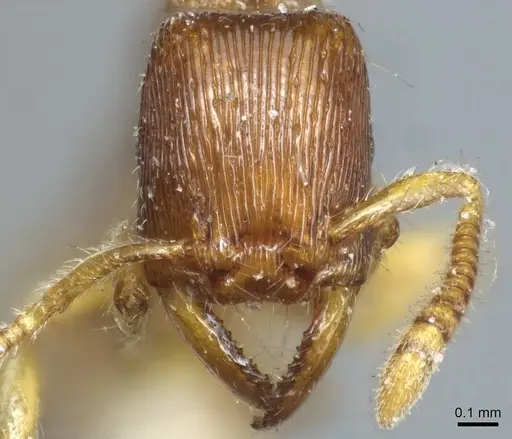
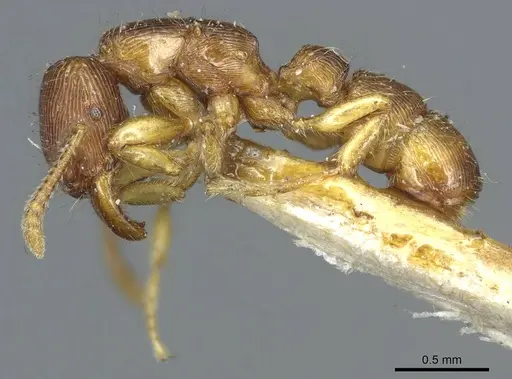
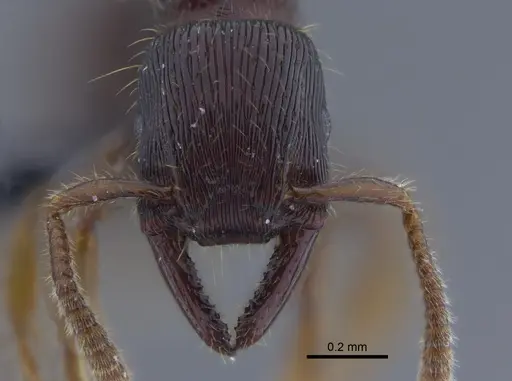
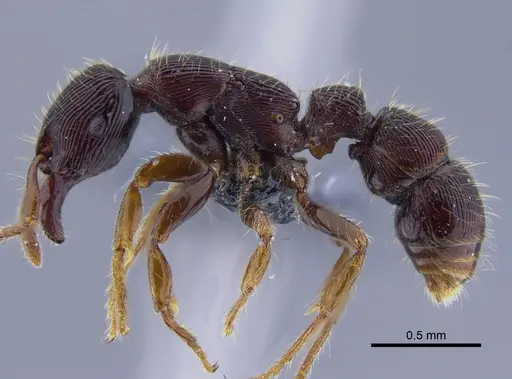
Gnamptogenys continua is a small predatory ant species found throughout the Neotropics, from Mexico down to Argentina. Workers measure around 1mm in head width and 1.8mm in body length, with distinctive features including a costulate (ridged) head, impressed metanotal groove, and small propodeal lobes. They belong to the mordax species group and are confirmed predators based on their stinger morphology. These ants nest in decaying wood on the forest floor in humid primary forests, making them a specialist species that thrives in intact rainforest environments.
Quick Summary
- Difficulty: Medium
- Origin & Habitat: Neotropical region, humid primary forests from Mexico to Brazil and Paraguay. Found in leaf litter and decaying wood at elevations up to 1,500m [1][2]. This is a habitat specialist restricted to primary forest, they are not found in secondary forest or plantation environments [3].
- Colony Type: Colony structure is unconfirmed. Based on related Gnamptogenys species, likely monogyne (single queen) but this has not been directly studied.
- Size & Growth:
- Queen: Unconfirmed, no specific measurements found in research
- Worker: Head width
- Colony: Likely small to moderate based on typical Gnamptogenys patterns, exact colony size unconfirmed
- Growth: Unknown, no development data available for this species
- Development: Unconfirmed, no direct measurements found. Based on related Neotropical Poneromorphs, estimate 6-10 weeks at optimal temperature. (Development timeline has not been directly studied. Related species in the genus suggest moderate growth rates.)
- Antkeeping:
- Temperature: Based on their Neotropical distribution and primary forest habitat, keep in the warm range of 22-27°C. Avoid temperatures below 20°C as they are a tropical species.
- Humidity: High humidity is essential, these ants live in humid forest leaf litter. Keep nest substrate consistently moist but not waterlogged. Aim for 70-85% humidity in the nest area.
- Diapause: Unlikely, as a Neotropical species from humid forests, they probably do not require a true diapause. However, they may slow down during cooler periods.
- Nesting: In nature they nest in decaying wood on the forest floor. In captivity, a naturalistic setup with moist substrate (coco fiber, soil mix) and small decaying wood pieces works well. They can also be kept in test tubes with moist substrate chambers. Avoid dry conditions entirely.
- Behavior: Gnamptogenys continua is a predatory ant species, they hunt small invertebrates in the leaf litter. They are likely moderate to shy in temperament, not particularly aggressive. Workers forage individually in the leaf litter layer. Escape prevention should be moderate, they are small ants but not among the tiniest. They have a functional stinger as members of Ectatomminae and are confirmed to be in a predatory lineage [4].
- Common Issues: primary forest specialist, they do poorly in modified habitats or dry conditions, humidity requirements are critical, dry conditions will kill colonies, predatory diet means they need live prey, not just sugar water, slow growth may cause keepers to overfeed or disturb the colony, small size means escape prevention matters, though not as critical as for tiny ants
Natural History and Distribution
Gnamptogenys continua has an extensive range across the Neotropics, from Mexico through Central America and into South America as far as Argentina and Paraguay [2]. They are found in multiple countries including Brazil, Colombia, Ecuador, Peru, Venezuela, Bolivia, and others. This species is a habitat specialist that requires primary forest environments, research shows they occupy 34 regions in primary forest but are not found in secondary forest or rubber plantations [3]. They live in humid forest leaf litter and nest in decaying wood on the forest floor at elevations up to 1,500 meters [1][5]. Their absence from secondary growth and plantations makes them a good indicator species for forest health.
Identification and Morphology
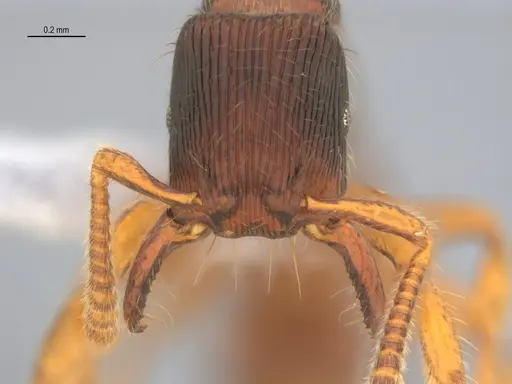
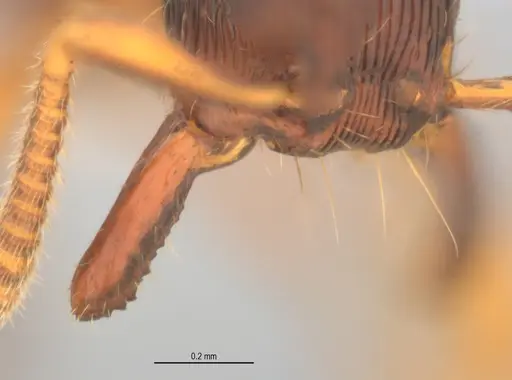
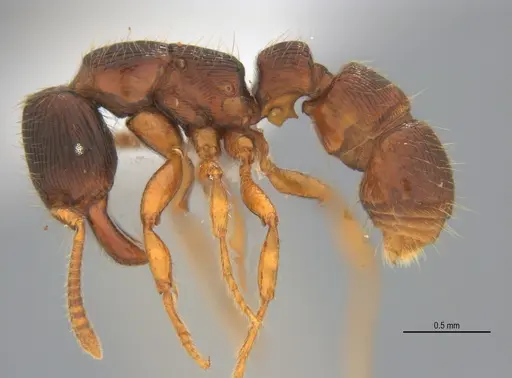
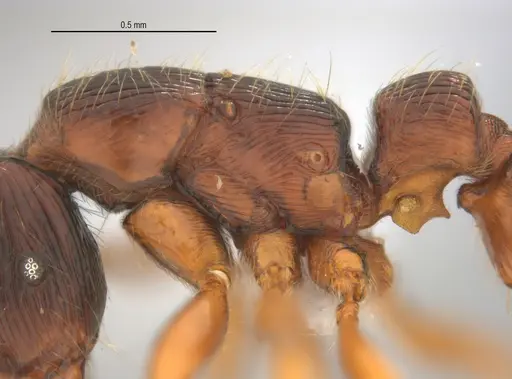
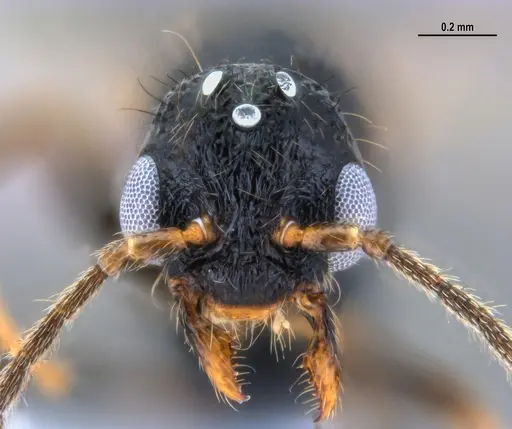
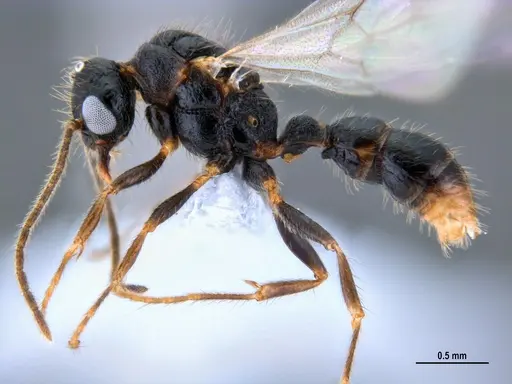
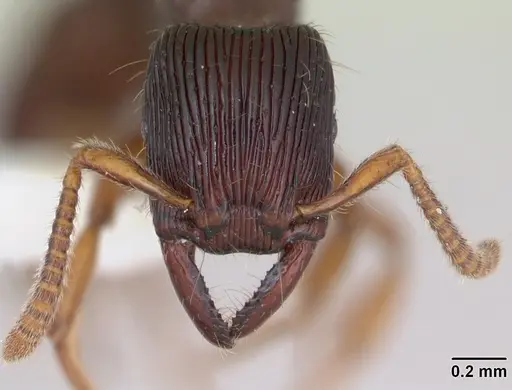
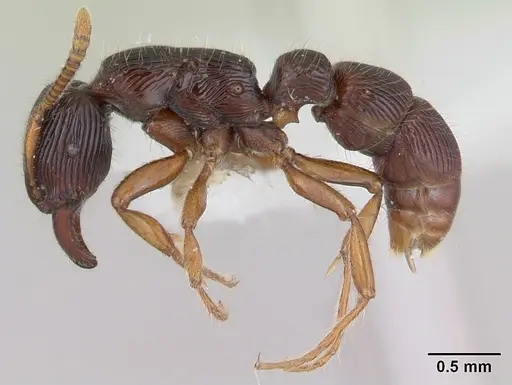
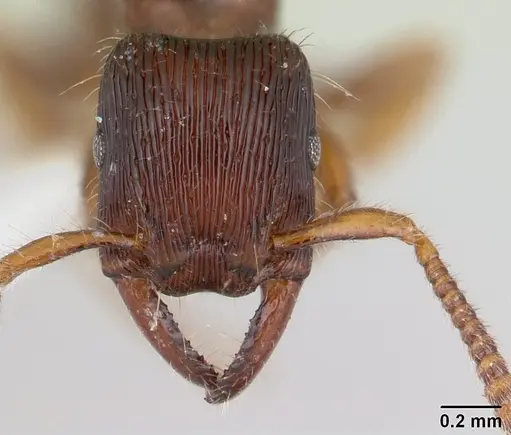
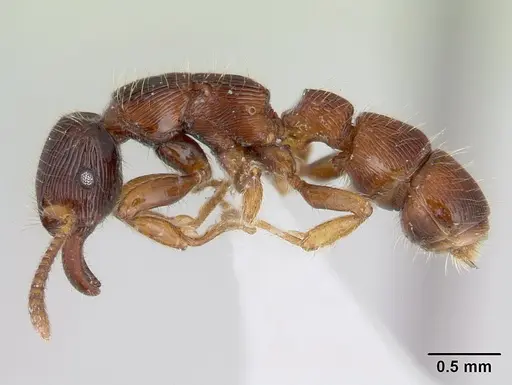
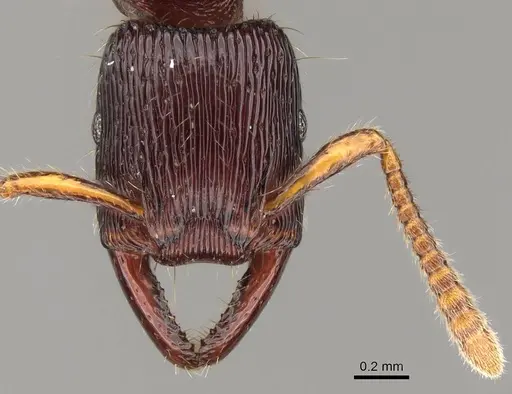
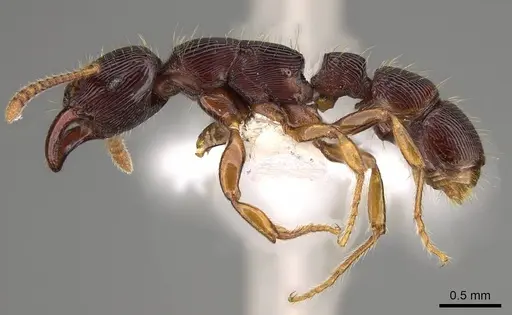
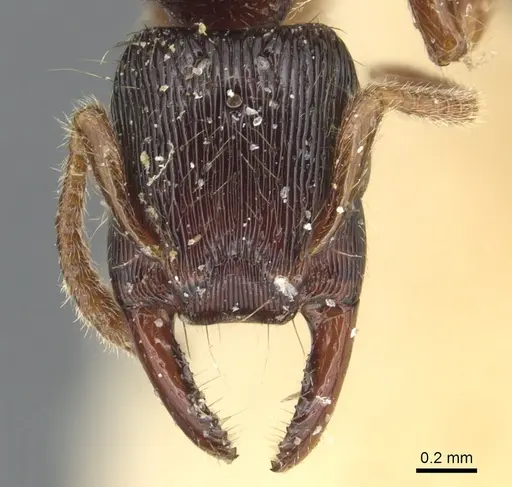
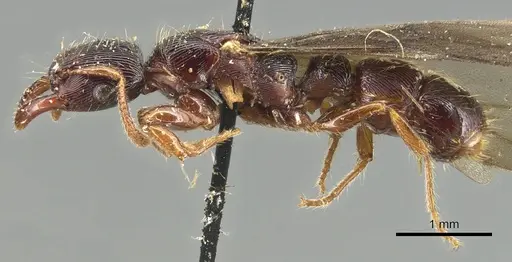
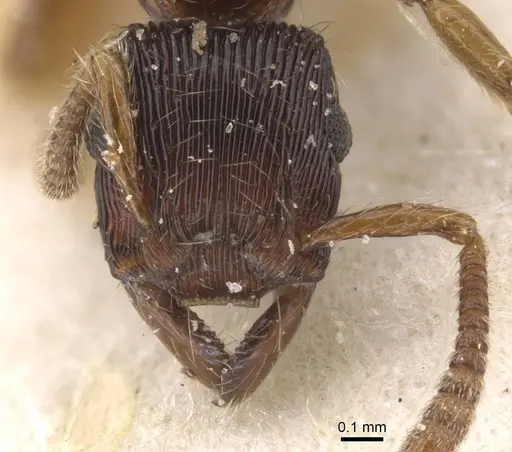
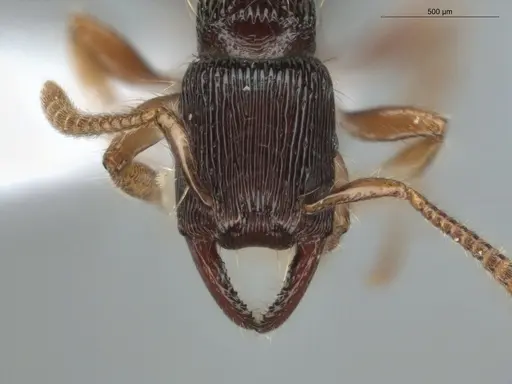
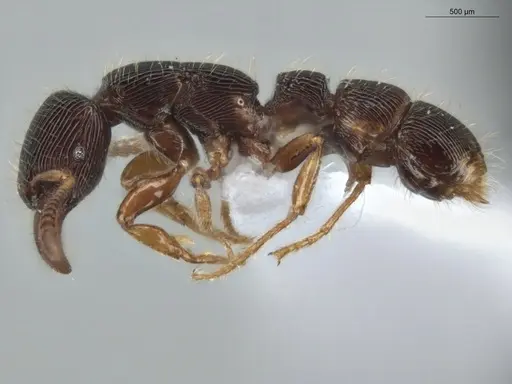
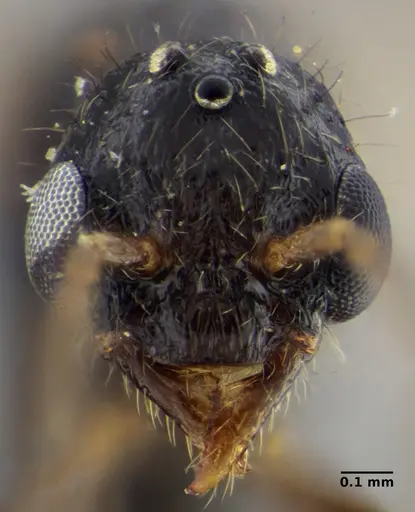
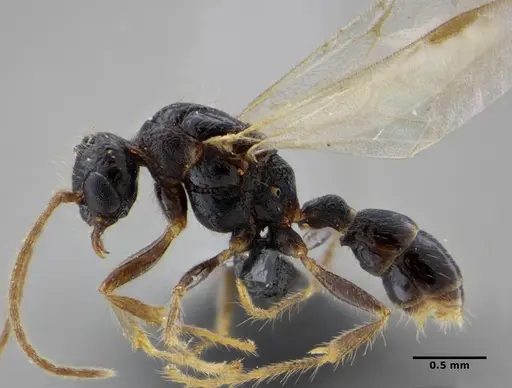
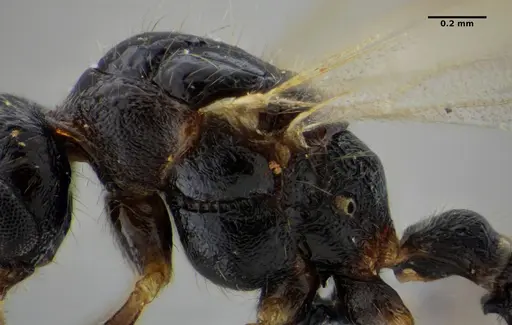
Workers of Gnamptogenys continua are small ants with head width under 1.12mm and Weber's length under 1.81mm [6]. They have distinctive morphological features including mandibles with a linear tendency, an impressed (visible) metanotal groove, and a propodeal declivity with small upper lateral lobes. The upper half of the propodeal declivity has longitudinal costae (ridges) while the lower half has transverse costae. The cephalic dorsum is costulate (covered in fine ridges), and the postpetiolar sternal disc is smooth. The anterior face of the petiolar node is rugose with some lower transverse costae [1][7]. These features place them in the mordax subgroup of the mordax species group.
Nest Preferences and Housing
In their natural habitat, Gnamptogenys continua nests in decomposing wood on the forest floor in forested areas [1][5]. They are leaf-litter specialists, foraging in the upper soil and litter layers. For captive care, a naturalistic setup works best, use a mixture of coco fiber and soil as substrate, kept consistently moist. Add small pieces of decaying wood or bark for them to nest in or near. Test tube setups can work if connected to a foraging area with moist substrate. The key requirement is maintaining high humidity without flooding, the substrate should feel damp but water should not pool. Provide a gradient so they can choose their preferred moisture level.
Feeding and Diet
As a member of Ectatomminae and confirmed predatory lineage based on stinger morphology analysis [4], Gnamptogenys continua is a predator that hunts small invertebrates in the leaf litter. They likely prey on springtails, mites, tiny beetles, and other micro-arthropods common in forest floor ecosystems. In captivity, their primary food should be small live prey such as springtails, fruit flies, and other tiny insects. They may accept small pieces of mealworms or other protein sources, but live prey is essential for their natural hunting behavior. Sugar sources may be accepted occasionally but should not be a primary food source, these are predatory ants, not sugar-seekers. Feed small amounts every 2-3 days and remove uneaten prey after 24 hours.
Temperature and Humidity Requirements
Being a Neotropical species from humid primary forests, Gnamptogenys continua requires warm and humid conditions. Keep the nest area at 22-27°C, avoid dropping below 20°C as this is a tropical species that does not tolerate cool conditions. Humidity is critical: maintain 70-85% relative humidity in the nest area. The substrate should be consistently moist but never waterlogged. Using a moisture reservoir or water tube connected to the nest helps maintain stable humidity. Avoid placing the colony near air conditioning or heating vents that could cause drying. A small water dish in the foraging area also helps maintain humidity.
Behavior and Temperament
Gnamptogenys continua is a shy to moderate ant in temperament. As a leaf-litter predator, they forage individually rather than in large groups. They are not typically aggressive toward keepers and are unlikely to sting aggressively, though they do possess a functional stinger as confirmed by their predatory classification [4]. Workers are small and relatively slow-moving compared to some other ant genera. They are not escape artists in the same league as tiny ants like Pheidole, but standard escape prevention (Fluon on edges, tight-fitting lids) is still recommended. They are most active during warmer, humid periods and may reduce activity if conditions become dry or cool.
Frequently Asked Questions
Is Gnamptogenys continua a good ant for beginners?
Gnamptogenys continua is not ideal for complete beginners. They are a specialized leaf-litter species with specific humidity requirements and need a predatory diet of live prey. They also require primary-forest-like conditions that can be challenging to maintain. If you're experienced with Poneromorph ants or other humidity-demanding species, they can be a rewarding challenge.
What do Gnamptogenys continua ants eat?
They are predatory ants that hunt small invertebrates. Feed them live springtails, fruit flies, and other tiny arthropods. They may accept small pieces of mealworms or other insects, but live prey is essential. Sugar water is unlikely to be accepted as a primary food source.
How long does it take for Gnamptogenys continua to develop from egg to worker?
The exact development timeline has not been documented for this species. Based on related Neotropical Poneromorph ants, estimate 6-10 weeks from egg to first worker at optimal temperature (around 25°C).
Do Gnamptogenys continua ants sting?
Yes, they possess a functional stinger as confirmed by research on stinger morphology. They belong to a predatory lineage. However, being small ants, their sting is likely mild and rarely felt by humans.
What temperature should I keep Gnamptogenys continua at?
Keep them warm at 22-27°C. As a Neotropical species from humid forests, they do not tolerate cool temperatures well, avoid dropping below 20°C.
What humidity level do Gnamptogenys continua need?
High humidity is essential, aim for 70-85% in the nest area. Keep the substrate consistently moist but not waterlogged. These ants die quickly in dry conditions.
Can I keep Gnamptogenys continua in a test tube?
Yes, test tubes can work, but you must connect them to a foraging area with moist substrate to meet their humidity needs. A better approach is a naturalistic setup with damp substrate and decaying wood pieces, as they naturally nest in decomposing wood on the forest floor.
How big do Gnamptogenys continua colonies get?
Colony size is not well documented, but based on typical leaf-litter Gnamptogenys patterns, colonies likely reach a few hundred workers at most. They are not among the large colony species.
Do Gnamptogenys continua need hibernation?
No, they are a Neotropical tropical species and do not require hibernation. They may slow down slightly during cooler periods, but a true diapause is not necessary.
Where is Gnamptogenys continua found in the wild?
They range from Mexico to Argentina and Paraguay, throughout the Neotropics. They are a primary forest specialist found in humid leaf litter and decaying wood at elevations up to 1,500m. They are not found in secondary forest or plantations.
References

This caresheet is licensed under CC BY-SA 4.0 .
ANTWEB1047079
View on AntWeb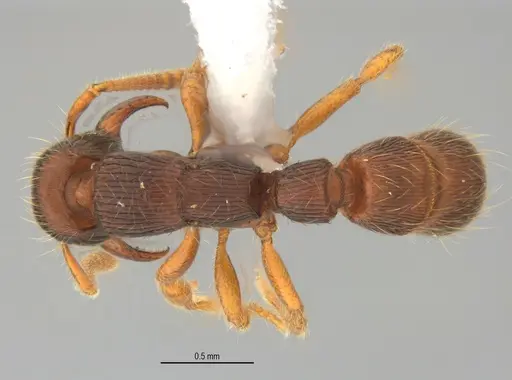
ANTWEB1047537
View on AntWeb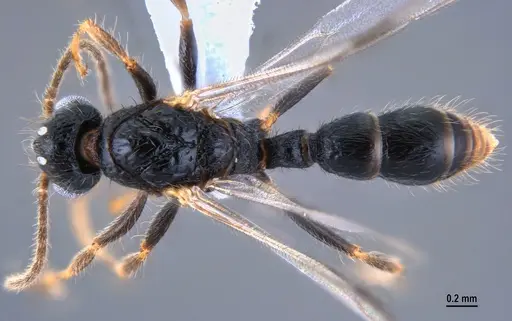
CASENT0173383
View on AntWeb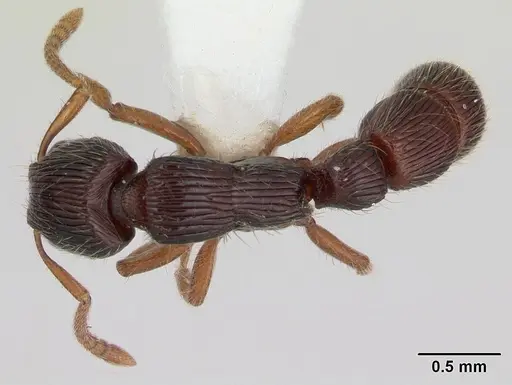
CASENT0178676
View on AntWeb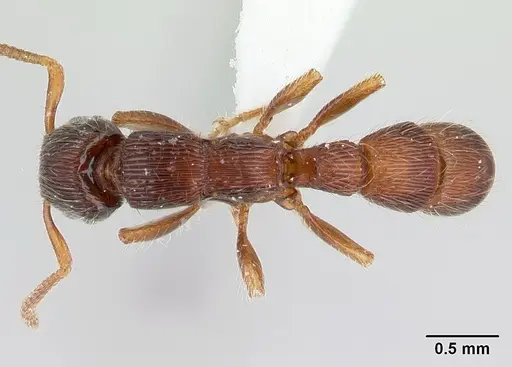
CASENT0281516
View on AntWeb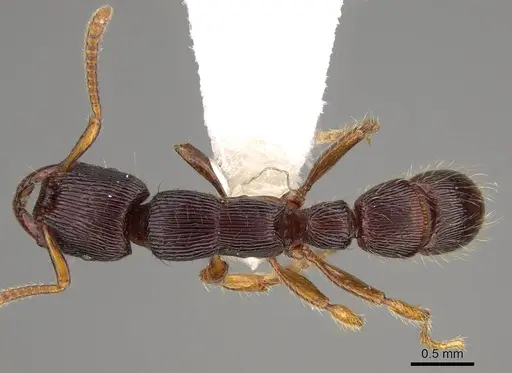
CASENT0903847
View on AntWeb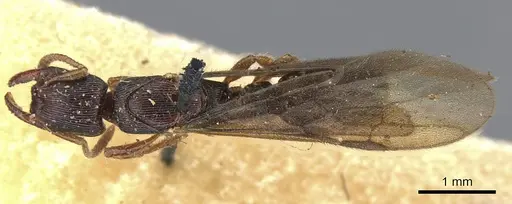
CASENT0915113
View on AntWeb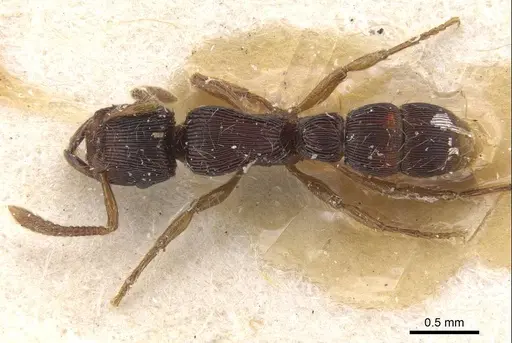
CASENT0915910
View on AntWeb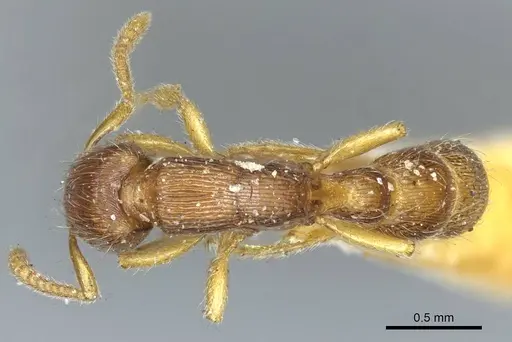
CBUMAGENT41756
View on AntWeb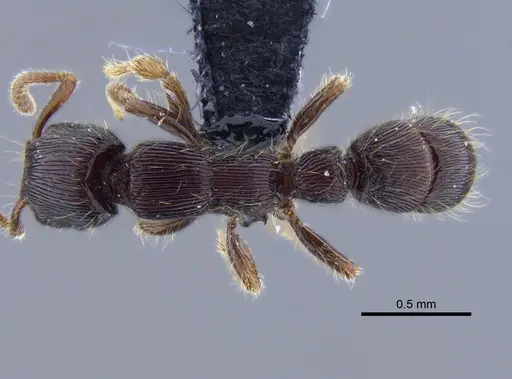
ECOFOG-GAL18-0226-24
View on AntWeb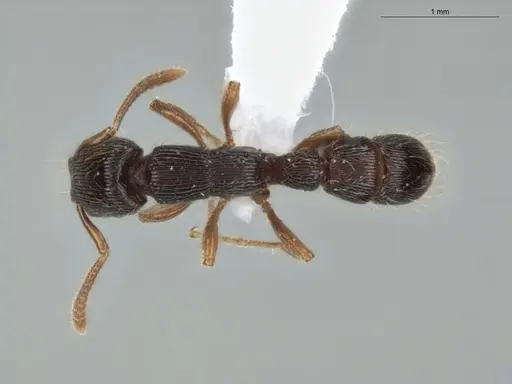
UFV-LABECOL-005686
View on AntWeb
Literature
Loading...Loading products...