

Gesomyrmex kalshoveni
- Scientific Name
- Gesomyrmex kalshoveni
- Tribe
- Gesomyrmecini
- Subfamily
- Formicinae
- Author
- Wheeler, 1929
- Distribution
- Found in 1 countries
Gesomyrmex kalshoveni Overview
Gesomyrmex kalshoveni is an ant species of the genus Gesomyrmex. It is primarily documented in 1 countries , including Indonesia. Detailed taxonomic data and occurrence records can be further explored via authoritative databases such as AntWeb or the Global Biodiversity Information Facility (GBIF).
Gesomyrmex kalshoveni
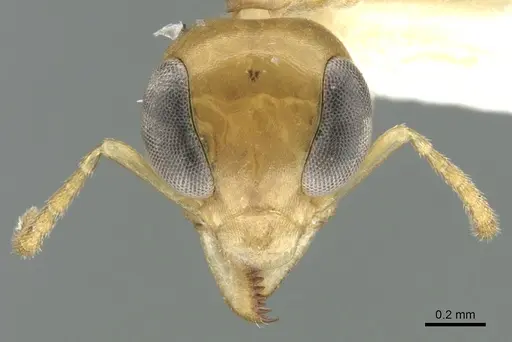
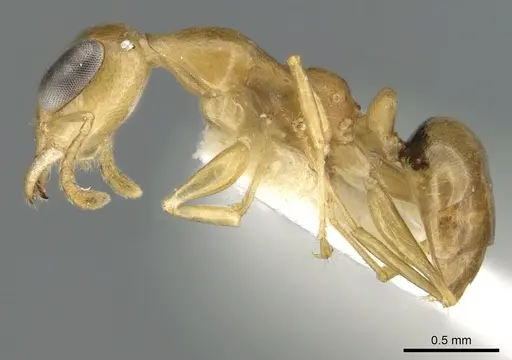
Gesomyrmex kalshoveni is a rare and fascinating arboreal ant from the Formicinae subfamily. Workers are highly polymorphic, ranging from tiny 2.8mm minima to impressive 6.6mm maxima, all from the same colony. They have a distinctive honey-yellow coloration with a paler gaster and legs, and their 8-jointed antennae and large eyes give them a unique appearance among ants. This species is a true living fossil, Gesomyrmex is an ancient genus that survived from the Eocene era, making these ants relicts of an ant fauna that once dominated tropical forests worldwide [1]. In the wild, they inhabit branches of trees in primary forest, living much like twig-dwelling Camponotus species [2]. The genus is extremely rare in captivity and represents a challenging but rewarding species for advanced antkeepers interested in arboreal ants.
Quick Summary
- Difficulty: Expert
- Origin & Habitat: Native to Indonesia (Java) and southern China (Yunnan province). This species is a habitat specialist restricted to primary tropical forest, it has never been found in secondary forest or rubber plantations [3]. In the wild, they nest in tree branches in old mixed forest amidst teak-forests [2].
- Colony Type: Colony structure is unconfirmed. Based on typical Formicinae patterns, likely single-queen colonies with highly polymorphic workers ranging from minima (2.8mm) through media (3.5-4.5mm) to major workers (5-6.6mm) [2].
- Size & Growth:
- Queen: Estimated 8-10mm based on genus patterns, queen size has not been directly documented in research
- Worker: 2.8-6.6mm, workers are highly polymorphic with distinct minima, media, and maxima castes [2]
- Colony: Unknown from research, likely moderate colonies based on related arboreal Formicinae
- Growth: Unknown, likely moderate growth rate typical of tropical Formicinae
- Development: Estimated 6-8 weeks at tropical temperatures based on related Formicinae species (Development timeline is not directly studied, estimates based on genus patterns)
- Antkeeping:
- Temperature: Keep at 24-28°C. As a tropical species from Java and southern China, they need consistent warmth. A heating cable on one side of the nest creates the stable temperatures they need [4].
- Humidity: High humidity required, aim for 70-85%. These are arboreal rainforest ants that need moist conditions. Use a humidifier or moisture-retaining nest material like Y-tong or plaster, with a water reservoir [2].
- Diapause: No, this is a tropical species that does not hibernate. Keep temperatures stable year-round [4].
- Nesting: Arboreal specialists, they naturally nest in tree branches and twigs. In captivity, they do well in Y-tong nests with narrow chambers scaled to their polymorphic workers, or in naturalistic setups with cork bark or artificial twig systems. Avoid fully soil-based nests, they prefer above-ground nesting [2].
- Behavior: Generally peaceful and non-aggressive for a Formicinae. Workers are active foragers that search for honeydew and small prey in the canopy. They have good vision due to their large eyes and are alert to disturbances. Escape prevention is important, while not the smallest ants, their arboreal nature means they will explore gaps and seams in setup. They do not have a painful sting [2].
- Common Issues: tropical warmth is essential, temperatures below 22°C can stress and kill colonies, primary forest habitat specialist means they are highly sensitive to habitat disturbance and may struggle in simplified captive environments, high humidity requirements can lead to mold problems if ventilation is poor, arboreal nesting means standard soil-based nests are inappropriate, they need above-ground setups, polymorphic colony with major workers may have different space requirements as they grow, ensure chambers are appropriately sized
Housing and Nest Setup
Gesomyrmex kalshoveni is an arboreal ant that naturally lives in tree branches and twigs. In captivity, they need setups that mimic this, Y-tong (AAC) nests work well, especially with narrow chambers that accommodate their polymorphic workers. You can also create naturalistic setups using cork bark, artificial twig systems, or vertical arrangements that allow them to nest above ground. Avoid horizontal soil-based formicariums, these do not match their natural arboreal lifestyle. The nest should have a water reservoir to maintain humidity without flooding. An outworld with some vertical space and climbing branches (real or artificial) helps them exhibit natural foraging behavior [2].
Temperature and Heating
As a tropical species from Java and southern China, Gesomyrmex kalshoveni needs consistent warmth. Keep the nest area at 24-28°C year-round. A heating cable placed on top of the nest (never underneath, as this causes excessive drying) can create a gentle warmth that these ants prefer. Room temperature may be sufficient if your home stays in the low-to-mid 20s°C range, but monitor colony activity, if workers cluster together excessively, they may need additional warmth. Never let temperatures drop below 22°C for extended periods, as this can stress and potentially kill tropical ants [4][5].
Feeding and Diet
Like other Formicinae, Gesomyrmex kalshoveni likely feeds on honeydew (a sugary substance from sap-sucking insects like aphids) and small insects. In captivity, offer sugar water or honey as a constant energy source, along with small protein sources like fruit flies, small crickets, or other tiny insects. They are arboreal foragers, so place food on elevated platforms or branches in their outworld rather than on the ground. Feed protein 2-3 times per week and keep sugar water available at all times. Remove uneaten prey after 24-48 hours to prevent mold [2].
Humidity Management
These are rainforest arboreal ants that need high humidity, aim for 70-85% relative humidity. Use a water reservoir in your nest setup (test tube water feeder or built-in reservoir in Y-tong) and mist the outworld occasionally. However, balance humidity with adequate ventilation to prevent mold growth, which can kill colonies. The key is consistency, avoid both drying out and waterlogging. Check substrate moisture regularly and adjust based on condensation levels and colony behavior [2].
Understanding Their Rare Status
Gesomyrmex kalshoveni represents an extraordinary opportunity to keep a living fossil. This genus dates back to the Eocene and once had a much wider distribution during ancient warm periods of Earth's history. Today, they survive as relict populations in primary forest pockets in Indonesia and southern China. Their extreme rarity in the wild translates to limited availability in the antkeeping hobby. If you obtain a colony, you are caring for one of the most unusual and historically significant ant species in existence. Their conservation value cannot be overstated, never release captive colonies into non-native areas [1][3].
Frequently Asked Questions
Is Gesomyrmex kalshoveni good for beginners?
No, this is an expert-level species. They are extremely rare in the hobby, require specific arboreal housing, need high humidity and tropical temperatures year-round, and are sensitive to habitat disturbance. They are a poor choice for beginners. If you are interested in Formicinae, consider starting with more common species like Lasius niger or Camponotus species first.
What size are Gesomyrmex kalshoveni workers?
Workers are highly polymorphic, meaning they come in different sizes. Minima workers are 2.8-3.2mm, media workers are 3.5-4.5mm, and major workers (maxima) reach 5-6.6mm. All three castes can exist in the same colony [2].
What do Gesomyrmex kalshoveni eat?
They likely feed on honeydew (sugary secretions from aphids and scale insects) and small insects in the wild. In captivity, offer sugar water or honey as a constant food source, along with small protein sources like fruit flies, small crickets, or other tiny insects.
Where is Gesomyrmex kalshoveni found in the wild?
This species is native to Indonesia (Java, the type locality) and southern China (Yunnan province). They are a primary forest specialist and have never been found in secondary forest or rubber plantations [3][5].
How long does it take for eggs to develop into workers?
The exact development timeline has not been studied for this species. Based on related tropical Formicinae, estimate 6-8 weeks from egg to worker at optimal temperatures (24-28°C).
Do Gesomyrmex kalshoveni need hibernation?
No, this is a tropical species from Java and southern China. They do not hibernate and need stable temperatures year-round. Do not expose them to cold temperatures.
Can I keep multiple queens together?
The colony structure of this species is not well documented. Based on typical Formicinae behavior, they likely form single-queen colonies. Combining unrelated queens is not recommended as it has not been studied for this species.
Why are they called living fossils?
Gesomyrmex is an ancient genus dating back to the Eocene period (about 50 million years ago). During the PETM (Paleocene-Eocene Thermal Maximum), this genus was widespread across tropical regions. Today, only a few species survive as relict populations in isolated primary forests, making them living fossils [1][4].
References

This caresheet is licensed under CC BY-SA 4.0 .
CASENT0906288
View on AntWeb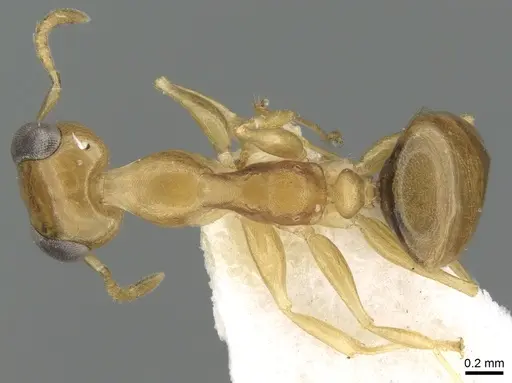
Literature
Loading...Loading products...