

Formica transmontanis
- Scientific Name
- Formica transmontanis
- Tribe
- Formicini
- Subfamily
- Formicinae
- Author
- Francoeur, 1973
- Distribution
- Found in 2 countries
Formica transmontanis Overview
Formica transmontanis is an ant species of the genus Formica. It is primarily documented in 2 countries , including Canada, United States of America. Detailed taxonomic data and occurrence records can be further explored via authoritative databases such as AntWeb or the Global Biodiversity Information Facility (GBIF).
Formica transmontanis
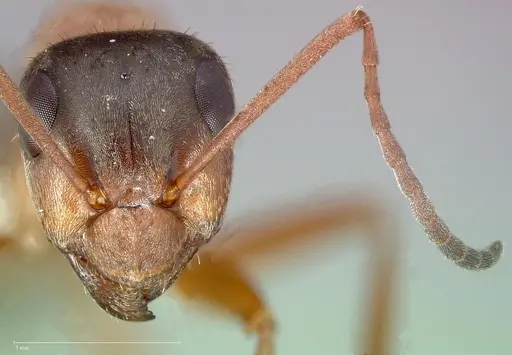
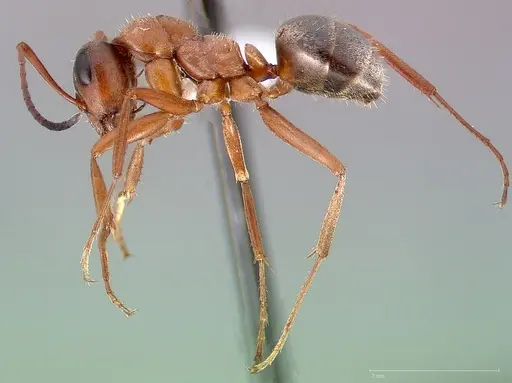
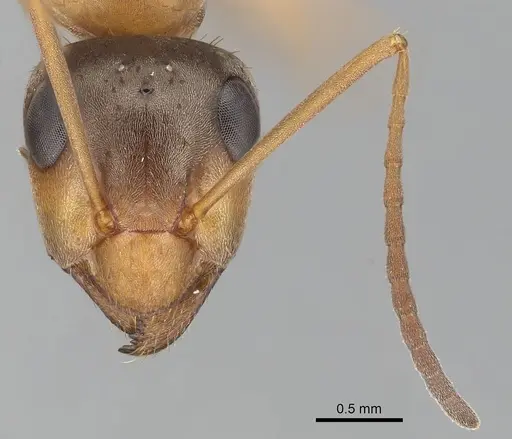
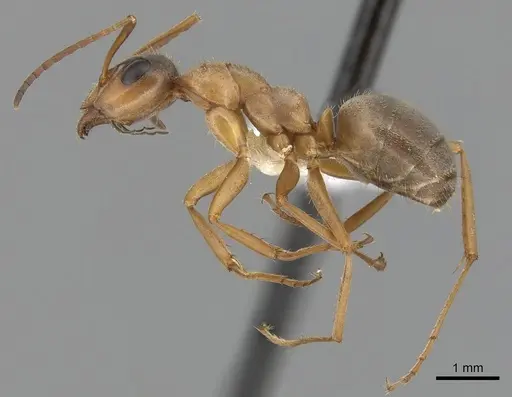
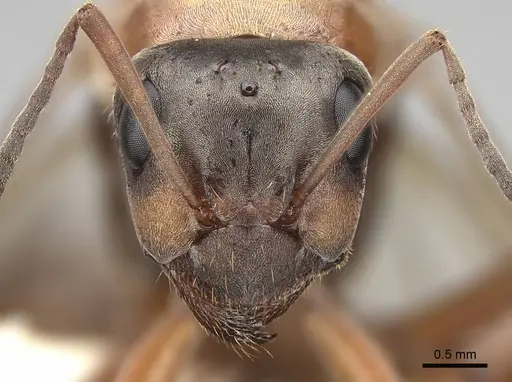
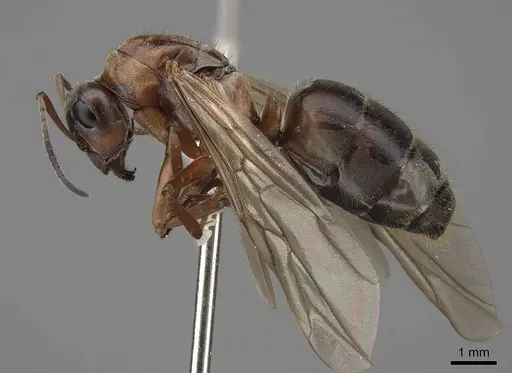
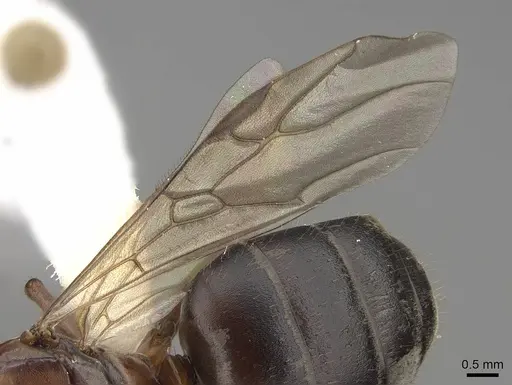
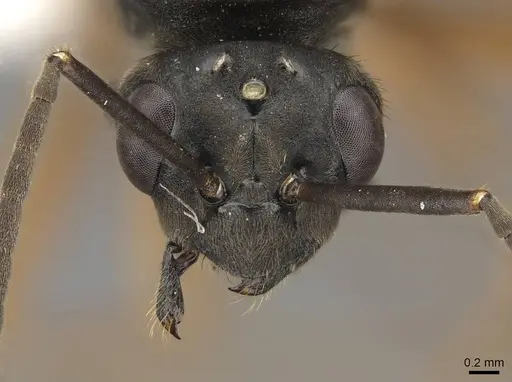
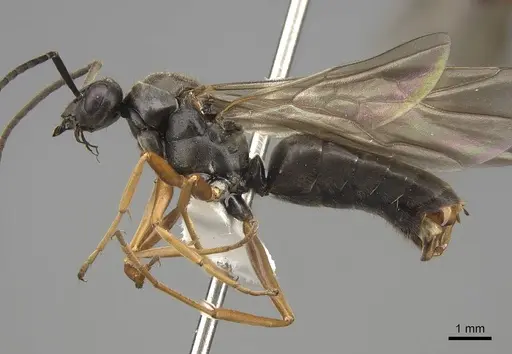
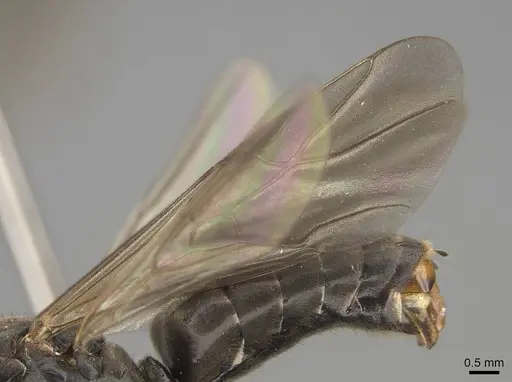
Formica transmontanis is a medium-sized ant species native to western North America, found throughout Canada and the United States in the Nearctic region. Workers are typically 4-9mm with the classic Formica appearance, dark body with reddish tones on the head and thorax. Queens are larger at 7-12mm and similarly colored. This species belongs to the Formicinae subfamily, making them related to carpenter ants and other Formica species known for their active foraging and colony organization. The species was formally described by Francoeur in 1973,with workers, queens, and males documented [1].
One notable aspect of this species is its genetic relationship, research has identified it in suspected hybrid combinations with Formica pacifica, suggesting ongoing evolutionary interactions with related species in its range [2]. Like other Formica ants, they form moderate-sized colonies with a single queen and are active foragers that exploit diverse food sources including honeydew and small insects.
Quick Summary
- Difficulty: Medium
- Origin & Habitat: Western North America, Canada and United States (Nearctic region). In nature, these ants typically nest in soil or under stones in open forests and grassland areas, common throughout their range in temperate regions [1].
- Colony Type: Single-queen (monogyne) colonies are typical for this genus. The colony starts with one claustral queen who seals herself in to raise the first brood alone. Colonies grow to several thousand workers over several years.
- Colony: Monogyne
- Founding: Claustral
- Size & Growth:
- Queen: 7-12 mm (estimated based on genus Formica patterns)
- Worker: 4-9 mm (estimated based on genus Formica patterns)
- Colony: Up to several thousand workers (typical for Formica species)
- Growth: Moderate, Formica species typically take 2-3 years to reach mature colony size
- Development: 6-10 weeks at optimal temperature (estimated based on related Formica species) (Development time varies with temperature, warmer conditions within range speed development. First workers (nanitics) are smaller than mature workers.)
- Antkeeping:
- Temperature: Keep nest area at 20-25°C with a gentle gradient. Room temperature in this range works well. Formica ants are temperate-adapted and do not require extreme heat [1].
- Humidity: Moderate humidity around 50-70%. Keep nest substrate moist but not waterlogged. These ants do well with standard formicarium humidity conditions, damp (not wet) soil or nesting material.
- Diapause: Yes, Formica species require a winter dormancy period. Reduce temperature to 5-10°C for 3-4 months during winter to simulate natural seasonal cycle and promote colony health [1].
- Nesting: Y-tong (acrylic) nests work well for this species, or test tube setups for founding colonies. They prefer nesting in soil or under stones in captivity. Provide a nest with chambers sized appropriately for their moderate colony size.
- Behavior: Formica transmontanis is an active forager with moderate aggression. Workers are quick-moving and will defend the colony if threatened. They readily forage for protein (insects) and sugar sources (honeydew, sugar water). Escape risk is moderate, their size makes them capable climbers, so standard barrier methods (fluon on rim edges) work well. They are diurnal and most active during daylight hours.
- Common Issues: colonies may fail if not given proper winter dormancy, this is essential for Formica health, overheating is more dangerous than being slightly cool, keep away from direct heat sources, wild-caught colonies may contain parasites that can devastate captive colonies, slow initial growth during founding phase can lead to overfeeding or disturbance by impatient keepers, queen loss during founding is common, avoid disturbing sealed founding chambers
Housing and Nest Setup
For founding colonies, a simple test tube setup works well. Fill a test tube with water and plug the end with cotton, this provides humidity for several weeks. Place the tube in a dark, quiet area and do not disturb until workers emerge (typically 4-8 weeks). Once the colony reaches 20-30 workers, you can move them to a proper formicarium. Y-tong (acrylic) nests are ideal for Formica, they allow you to observe the colony while providing appropriate chamber sizes. The nest should have chambers roughly 5-10mm deep with connecting tunnels. An outworld area for foraging is essential, this is where you will offer food. Use a barrier like fluon around the rim to prevent escapes. [1]
Feeding Your Colony
Formica ants are opportunistic feeders that accept both protein and sugar sources. For protein, offer small insects like fruit flies, small crickets, or mealworms. Feed protein 2-3 times per week, adjusting based on colony size and consumption. For sugar, provide sugar water, honey, or artificial honeydew. Sugar should be available constantly, a small dish or cotton ball soaked in sugar water works well. Fresh water should always be available. Remove uneaten protein within 24 hours to prevent mold. As colonies grow, increase food quantity accordingly. [1]
Temperature and Seasonal Care
Maintain nest temperature between 20-25°C. Room temperature in this range is typically sufficient. You can create a gentle temperature gradient by placing a heating mat on one side of the nest (on top, not underneath, to prevent moisture evaporation). Avoid temperatures above 30°C as this can kill brood. During winter (roughly November-February in the Northern Hemisphere), reduce temperatures to 5-10°C to provide dormancy. This winter rest is essential for Formica health and triggers proper reproductive cycles. Do not disturb the colony during dormancy, minimal feeding (once monthly) is sufficient. [1]
Growth and Development
After the queen lays her first eggs (usually within a week of finishing the claustral chamber), expect 6-10 weeks until first workers emerge. The queen will tend the eggs and larvae alone during this time, do not disturb. First workers (nanitics) are typically smaller than mature workers. Once workers emerge, the colony enters a growth phase. Growth rate is moderate, expect 1-2 years to reach 100 workers, and 2-3 years to reach several hundred. Colony growth accelerates as more workers means more foragers. Mature colonies can live for many years with the queen potentially living 15-20 years.
Behavior and Colony Dynamics
Formica transmontanis workers are active foragers that search the outworld for food. They communicate through chemical trails, when a worker finds a good food source, she will recruit others. This makes them entertaining to watch as they form chains carrying food back to the nest. Workers are moderately aggressive and will bite if the nest is threatened. They have formic acid spray as a defense mechanism (typical for Formicinae). The colony is centered around the queen, who continues laying eggs for years. Workers take on different roles as they age, younger workers tend brood while older workers forage. [1]
Frequently Asked Questions
How long does it take for Formica transmontanis to raise first workers?
Expect 6-10 weeks from egg to first worker at room temperature (around 21-24°C). The claustral queen seals herself in and raises the first brood alone. Do not disturb the founding chamber during this time.
Do Formica transmontanis ants need hibernation?
Yes, winter dormancy is essential. Reduce temperatures to 5-10°C for 3-4 months during winter. This rest period is required for colony health and proper reproductive cycles.
What do Formica transmontanis eat?
They accept both protein and sugar. Feed small insects (fruit flies, small crickets, mealworms) 2-3 times weekly. Provide constant access to sugar water or honey. Fresh water should always be available.
Can I keep multiple Formica transmontanis queens together?
No, this species is monogyne (single queen). Multiple unrelated queens will fight. Only one queen should be kept per colony.
How big do Formica transmontanis colonies get?
Mature colonies reach several thousand workers over 2-3 years. The queen can live 15-20 years, producing workers throughout her lifespan.
Are Formica transmontanis good for beginners?
This species is rated Medium difficulty. They are more forgiving than some exotic species but require proper winter dormancy. Beginners should start with a test tube founding setup and be patient during the slow founding phase.
When should I move my colony to a formicarium?
Move from test tube to formicarium once the colony reaches 20-30 workers. Earlier moves risk disturbing the queen. Ensure the formicarium has appropriate chamber sizes and an outworld for foraging.
Why is my Formica transmontanis colony not growing?
Common causes include: temperature too low (below 18°C slows development), insufficient food, disturbance during founding, or queen death. Check that conditions are within optimal range and avoid disturbing the nest.
References

This caresheet is licensed under CC BY-SA 4.0 .
CASENT0005378
View on AntWeb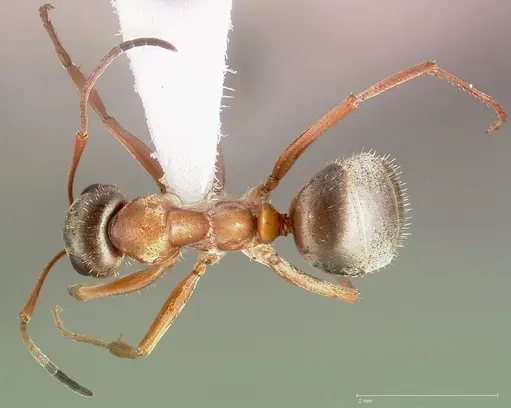
CASENT0008604
View on AntWeb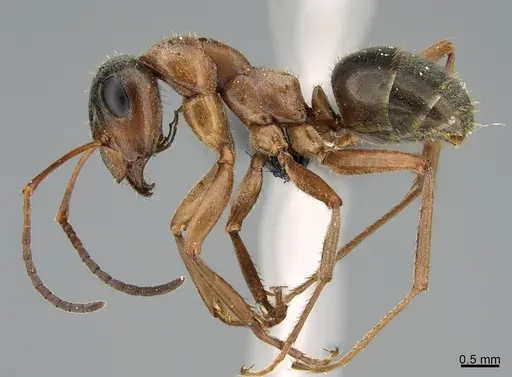
CASENT0280359
View on AntWeb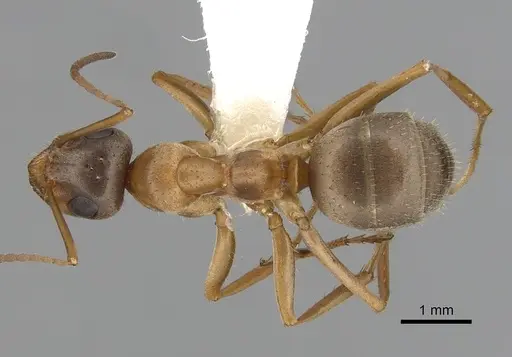
CASENT0843945
View on AntWeb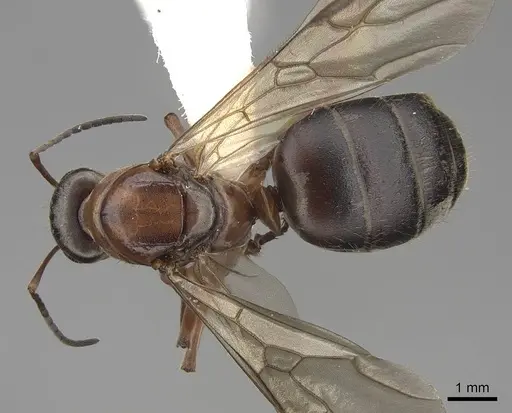
CASENT0843946
View on AntWeb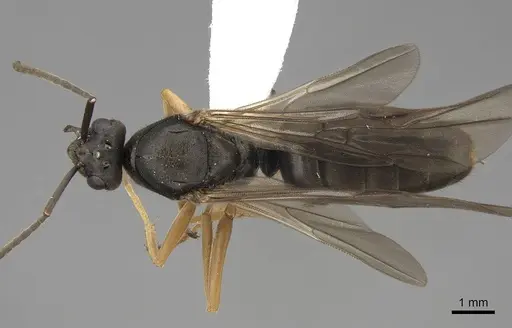
Literature
Loading...Loading products...