

Formica pacifica
- Scientific Name
- Formica pacifica
- Tribe
- Formicini
- Subfamily
- Formicinae
- Author
- Francoeur, 1973
- Common Name
- Pacific Field Ant
- Distribution
- Found in 2 countries
Formica pacifica Overview
Formica pacifica (commonly known as the Pacific Field Ant) is an ant species of the genus Formica. It is primarily documented in 2 countries , including Canada, United States of America. Detailed taxonomic data and occurrence records can be further explored via authoritative databases such as AntWeb or the Global Biodiversity Information Facility (GBIF).
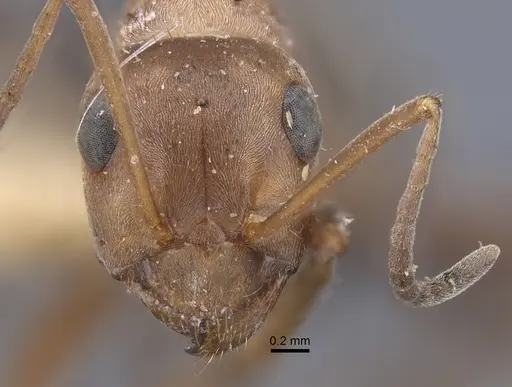
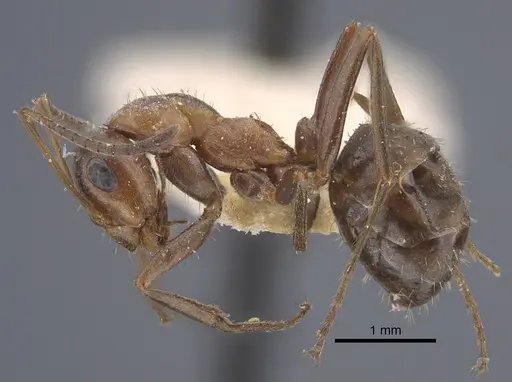
Formica pacifica - "Pacific Field Ant"
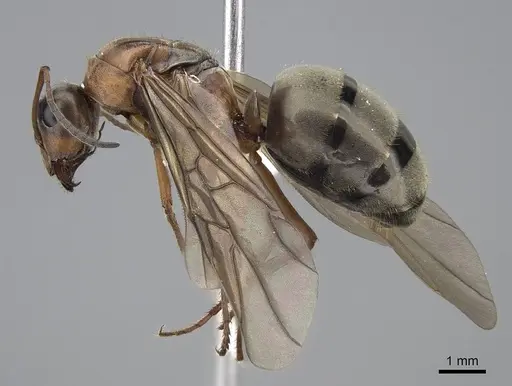
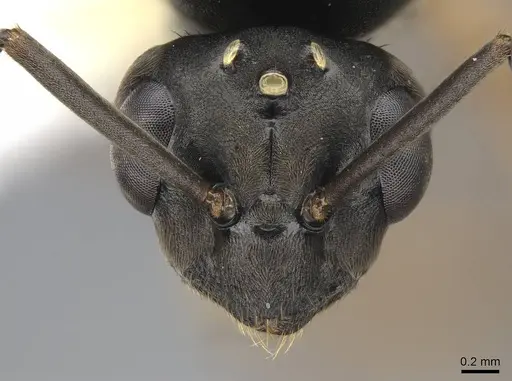
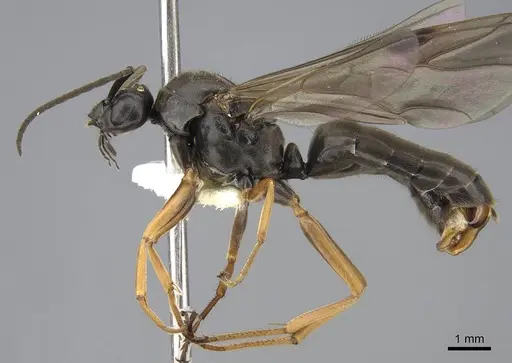
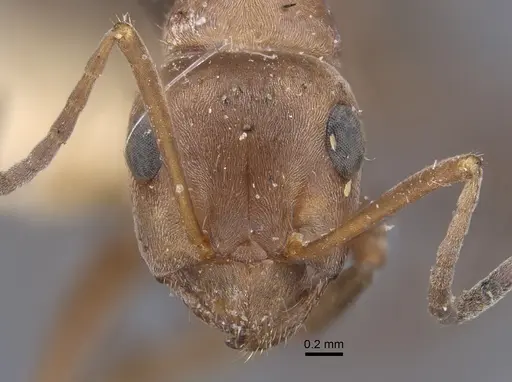
Formica pacifica is a brightly coloured ant species native to the west coast of the United States and Canada. Workers are typically reddish-brown with distinctive lighter markings, making them visually striking compared to many other Formica species. They belong to the F. fusca group and are medium-sized ants that form moderate colonies. This species plays an important ecological role as a host for the temporary social parasite Formica obscuripes, and may also serve as a host for other parasitic Formica species. In the wild, they nest in moderately dry locations and are active foragers during daytime hours, particularly in the afternoon.
Quick Summary
- Difficulty: Easy
- Origin & Habitat: West coast of United States and Canada. In nature, they nest in moderately dry locations with pupae stored near the surface under rocks and brood deeper in moister underground areas [1].
- Colony Type: Single-queen colonies (monogyne). This is typical for the F. fusca group.
- Colony: Monogyne
- Founding: Claustral
- Size & Growth:
- Queen: Estimated 9-11mm based on genus typical sizes for Formica [1]
- Worker: 4-7mm based on genus typical sizes [1]
- Colony: Moderate colonies, typical of F. fusca group species, likely several thousand workers at maturity
- Growth: Moderate
- Development: Estimated 6-8 weeks at optimal temperature based on related Formica species [1] (Development occurs faster in warmer conditions. Alate brood is produced after hibernation.)
- Antkeeping:
- Temperature: Keep at room temperature, roughly 20-24°C. They can tolerate a range and larger species in warmer environments follow converse Bergmann's rule, size increases with temperature [2]. A gentle gradient is beneficial.
- Humidity: Moderately dry nesting conditions preferred. Keep the nest substrate slightly moist but not wet, these ants prefer drier conditions compared to many other Formica species [1]. Provide some moister areas deeper in the nest for brood storage.
- Diapause: Yes, they require a hibernation period. Alate brood is produced after hibernation, and in British Columbia nuptial flights occur from July to mid-September. Dealate queens often overwinter before laying their first eggs [1].
- Nesting: Prefers moderately dry nest conditions. In captivity, a standard formicarium with some dry areas works well. They store pupae in upper, drier parts of the nest and deeper brood in moister areas, replicate this gradient in captivity.
- Behavior: Workers forage primarily during daytime, with peak activity in the afternoon. They forage alone but will form trails to aphid colonies and recruit help when large food items are found. They are scavengers, collecting dead arthropods and particularly favoring dead, dried worms. They also collect honeydew from aphids. Workers are not particularly aggressive but will defend the colony. Escape risk is moderate, standard barrier methods work well.
- Common Issues: Moderate colony size means they need space to expand, move to larger formicarium before they become cramped, Hibernation is required for reproductive development, skipping winter often prevents alate production, Their host status for parasitic Formica species means wild-caught colonies may have parasites that can affect the colony, As scavengers, they prefer dead prey, live prey may be ignored initially, Moderately dry preference means overwatering can cause problems, err on the drier side
Nest Preferences and Housing
Formica pacifica prefers moderately dry nesting conditions, which is unusual for the F. fusca group as many related species prefer damp environments. In captivity, provide a nest with a humidity gradient, drier upper chambers for pupae storage and slightly moister deeper areas for eggs and larvae. Standard formicariums work well, whether acrylic, ytong, or naturalistic setups. Ensure the nest has enough vertical space to allow for this humidity stratification. Workers will place pupae near the top of the nest, often under any solid surface, while keeping eggs and larvae deeper where it's moister. [1]
Feeding and Diet
These ants are scavengers with a strong preference for dead arthropods. They collect honeydew from aphids in the wild and will form foraging trails to aphid colonies. In captivity, offer protein sources like mealworms, crickets, and other small insects. Notably, they particularly favor dead, dried worms, you can offer small pieces of earthworm or bloodworms. Sugar water or honey can be offered as a supplement since they collect honeydew. Feed protein 2-3 times per week and keep a sugar source available constantly. Workers forage primarily in the afternoon, so afternoon feeding matches their natural rhythm. [1]
Temperature and Seasonal Care
Keep Formica pacifica at room temperature, ideally around 20-24°C. They can tolerate a range of temperatures and larger Formica species tend to grow larger in warmer environments following the converse of Bergmann's rule. A heating cable on one side of the nest can create a beneficial gradient, but is not strictly required if room temperature is suitable. Hibernation is essential, these ants require a winter rest period to produce alate brood. In British Columbia, nuptial flights occur from July to mid-September, with dealate queens often overwintering before laying eggs. Provide a hibernation period of 3-4 months at roughly 5-10°C. [2][1]
Behavior and Foraging
Workers are diurnal foragers with peak activity in the afternoon. They typically forage alone but will establish trails to aphid colonies and recruit nestmates when large food items are found. This recruitment involves workers helping to transport food back to the nest rather than chemical trail-following alone. They are not particularly aggressive toward keepers but will defend their colony if threatened. Escape prevention is straightforward, they are moderate-sized ants that cannot squeeze through standard barrier methods. Their moderate size and active foraging make them an engaging species to watch. [1]
Colony Founding
Like other Formica species, F. pacifica queens are claustral. After mating during nuptial flights (July to September in British Columbia), the queen seals herself in a small chamber and raises the first brood alone using stored fat reserves. The first workers, called nanitics, are smaller than normal workers but will begin foraging to support colony growth. Dealate queens often overwinter before laying their first eggs, which means founding colonies may need to experience winter before seeing eggs. Be patient during founding, it can take 6-8 weeks for the first workers to emerge. [1]
Frequently Asked Questions
How long does it take for Formica pacifica to raise first workers?
Expect 6-8 weeks from egg to first worker at room temperature. This is typical for Formica species. Founding colonies may take longer if the queen overwinters before laying eggs.
Do Formica pacifica ants need hibernation?
Yes, hibernation is required for proper colony development and alate production. Provide 3-4 months at 5-10°C during winter. Without hibernation, colonies may not produce reproductive brood.
What do Formica pacifica eat?
They are scavengers that prefer dead arthropods. Offer small insects like mealworms, crickets, or fruit flies. They particularly favor dead, dried worms. Also provide sugar water or honey since they collect honeydew in the wild.
Can I keep multiple Formica pacifica queens together?
No, this species is monogyne (single-queen). Unlike some Formica species, they do not found colonies pleometrotically (multiple queens together). Only keep one queen per colony.
Are Formica pacifica good for beginners?
Yes, they are considered easy to keep. They are moderately sized, not particularly aggressive, and have straightforward temperature and humidity requirements. Their preference for drier nest conditions makes them less prone to mold issues than many other ant species.
How big do Formica pacifica colonies get?
Colonies reach moderate size, typically several thousand workers at maturity. Growth is moderate, not as fast as some tropical species but faster than very slow-growing ants.
When do Formica pacifica have nuptial flights?
In their native range (British Columbia), nuptial flights occur from July to mid-September, typically on warm days. Males emerge first in early afternoon, followed by females.
References

This caresheet is licensed under CC BY-SA 4.0 .
CASENT0005372
View on AntWeb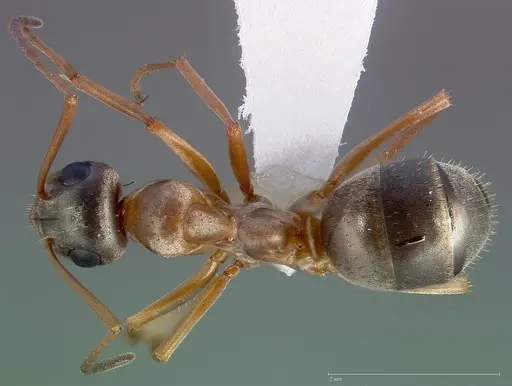
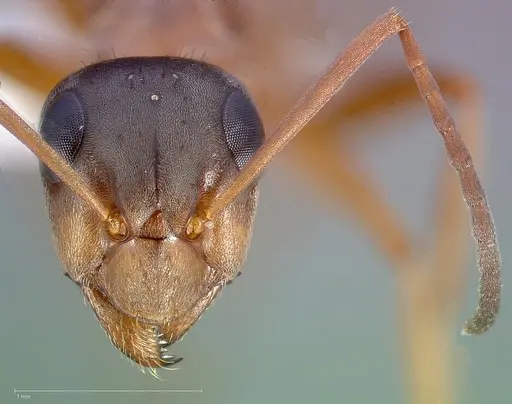
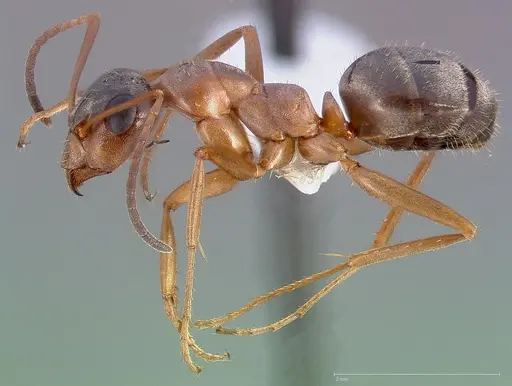
CASENT0280358
View on AntWeb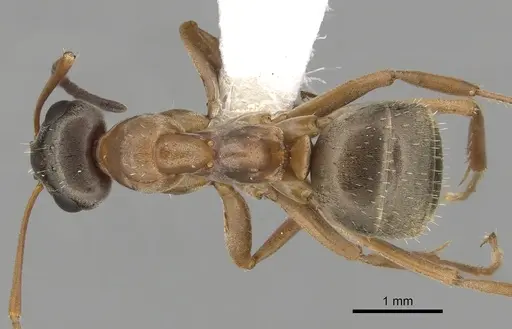
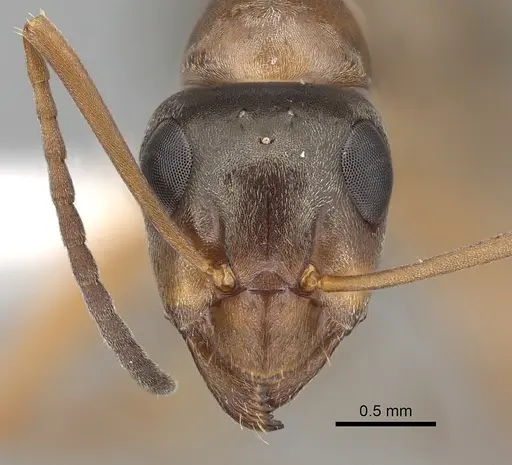
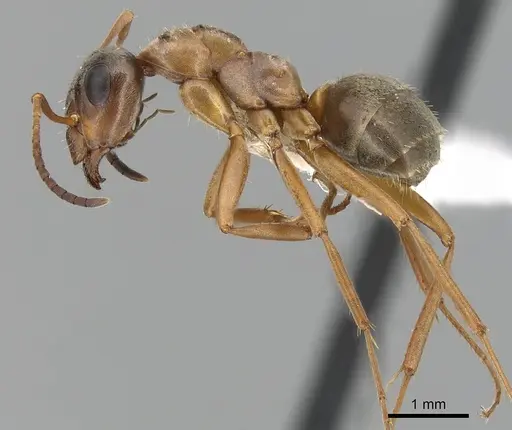
CASENT0761064
View on AntWeb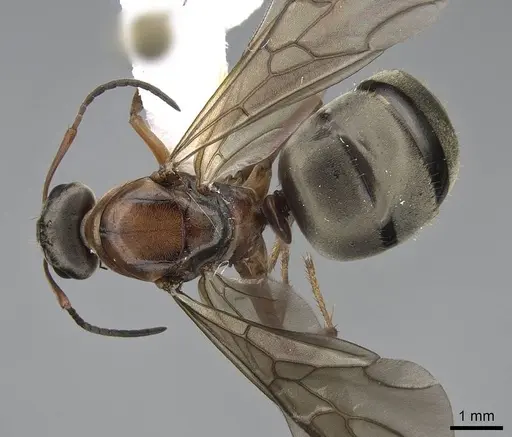
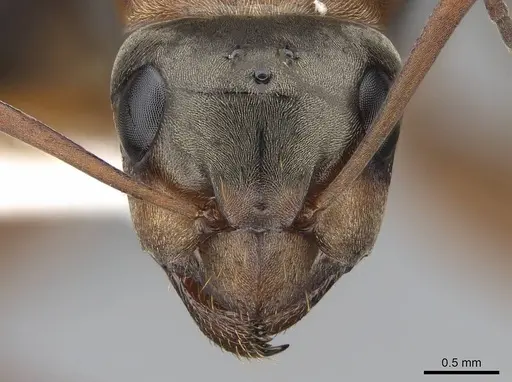
CASENT0761065
View on AntWeb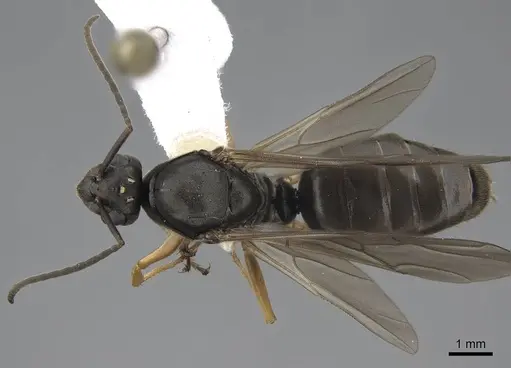
CASENT0917264
View on AntWeb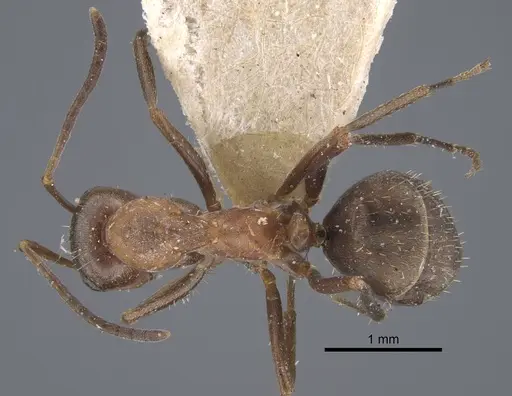
Literature
Loading...Loading products...