

Formica subpilosa
- Scientific Name
- Formica subpilosa
- Tribe
- Formicini
- Subfamily
- Formicinae
- Author
- Ruzsky, 1902
- Distribution
- Found in 7 countries
Formica subpilosa Overview
Formica subpilosa is an ant species of the genus Formica. It is primarily documented in 7 countries , including Afghanistan, Azerbaijan, Kyrgyzstan. Detailed taxonomic data and occurrence records can be further explored via authoritative databases such as AntWeb or the Global Biodiversity Information Facility (GBIF).
Formica subpilosa
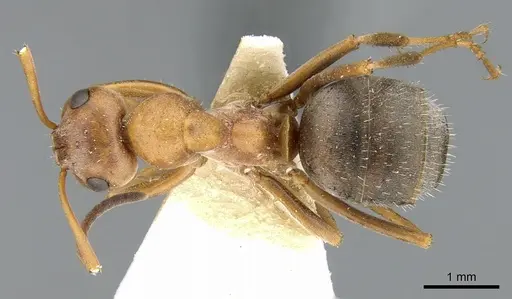
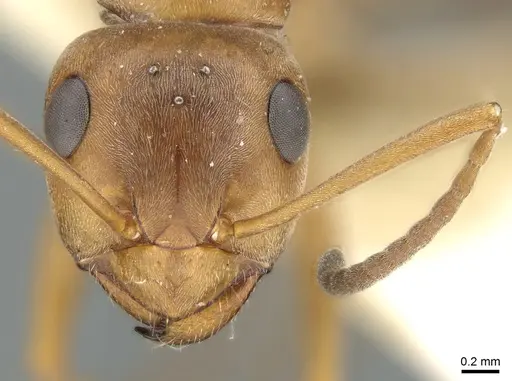
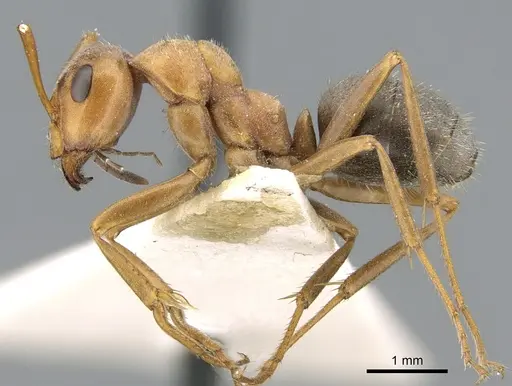
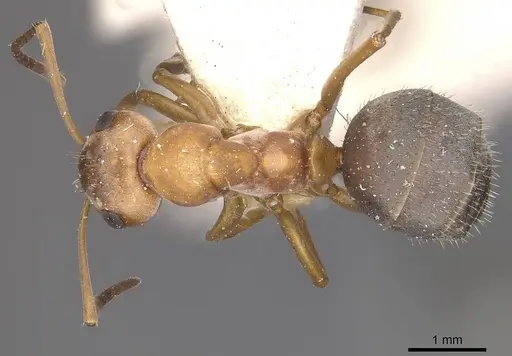
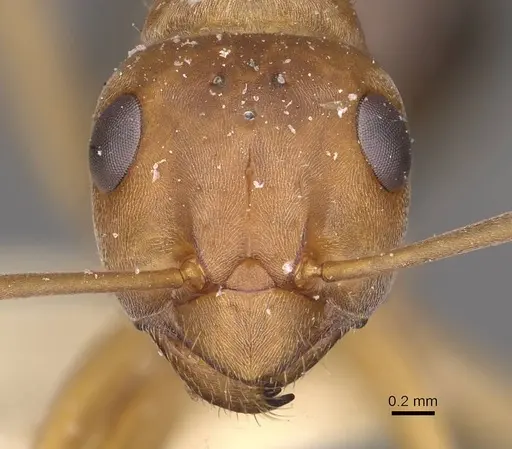
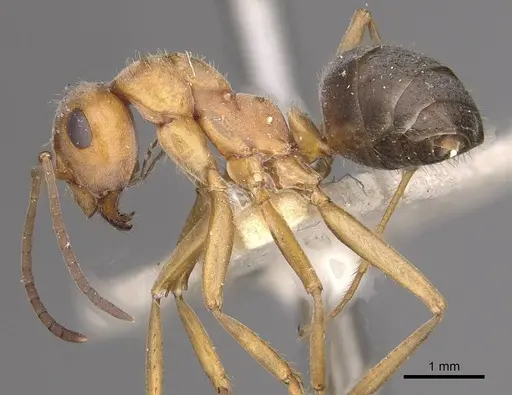
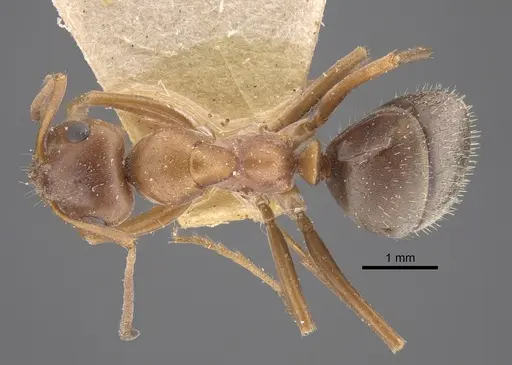
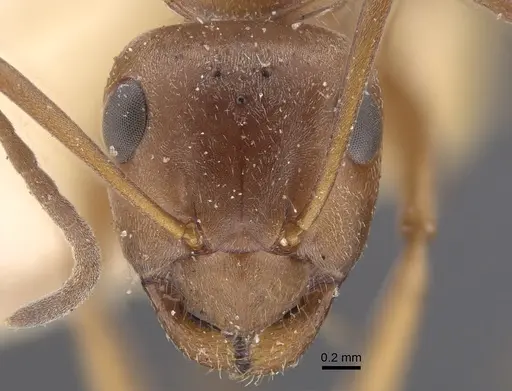
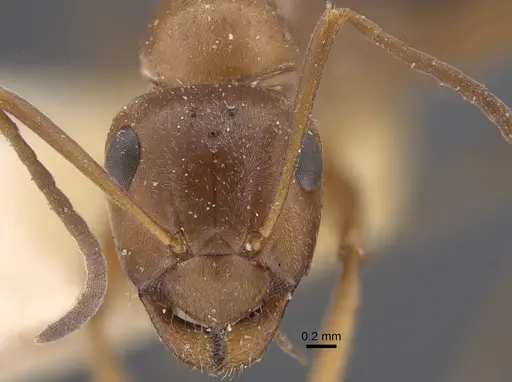
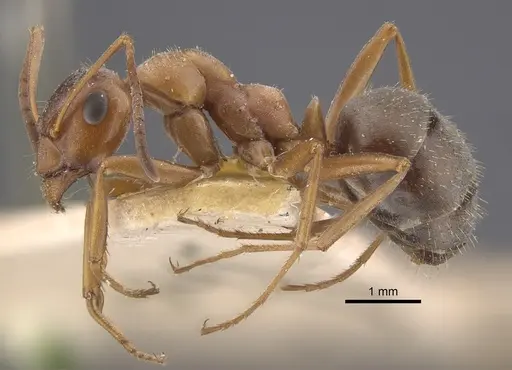
Formica subpilosa is a medium-sized ant with workers measuring 5-6mm, characterized by their reddish head and thorax contrasting with a dark brown abdomen [1]. The body is covered in dense silvery pubescence, giving them a distinctive fuzzy appearance [2]. They belong to the Formica cinerea species group and are found across Central Asia, from Turkey and the Caucasus through Kazakhstan, Kyrgyzstan, Turkmenistan, Uzbekistan, Afghanistan, and northwestern China [3][4]. This species is a warmth-loving ant that inhabits river valleys, oases, and semidesert areas, typically nesting in deep underground chambers [1][2]. They are both effective predators of other arthropods and attend aphids for honeydew, making them versatile foragers in their native habitat [5].
Quick Summary
- Difficulty: Medium
- Origin & Habitat: Central Asia, river valleys, oases, and semidesert regions from Turkey east to northwestern China. They inhabit lowland areas up to 1500m elevation, preferring warm river valleys and irrigated agricultural land [2][5].
- Colony Type: Monogyne or oligogyne, colonies can have a single queen or a few queens working together. Females establish new colonies independently without host ants [6].
- Colony: Optionally polygyne, Oligogyne
- Founding: Claustral
- Size & Growth:
- Queen: Estimated 9-11mm based on genus patterns (no direct measurement found)
- Worker: 5-6mm [1]
- Colony: Estimated several thousand workers based on typical Formica colony sizes, maximum not documented in research [6]
- Growth: Moderate, based on temperate Formica development patterns
- Development: Estimated 6-8 weeks at optimal temperature based on genus-level data for Formica species (Development time inferred from typical Formica patterns, direct measurements not available for this species)
- Antkeeping:
- Temperature: Keep at 20-26°C with a warm side around 24-26°C. This is a warmth-loving species that naturally inhabits lowland river valleys and oases [2]. A heating cable on one side of the nest creates the gradient they prefer.
- Humidity: Moderate humidity around 50-60%. They naturally inhabit river valleys and oases, so they need some moisture but not wet conditions. Keep the nest substrate lightly moist but allow some drying between waterings.
- Diapause: Yes, they require a winter rest period. Based on their temperate Central Asian distribution, provide 3-4 months of cold conditions around 5-10°C during winter [6].
- Nesting: Deep soil nests work best. In the wild they construct large, deep underground chambers with most tunnels at 50-70cm depth [7]. A naturalistic setup with deep soil or a large formicarium with multiple chambers mimics their natural nesting. Y-tong or plaster nests with adequate depth also work well.
- Behavior: These ants are active foragers during cooler parts of the day and retreat underground during peak heat [7]. They are effective predators that hunt arthropods but also tend aphids for honeydew [5]. Workers are moderately aggressive when defending the nest but not particularly territorial. They are not strong climbers, so escape risk is moderate, standard barrier methods work well. They form colonies that can grow quite large.
- Common Issues: deep nesting requirement means they need spacious setups, shallow nests will limit colony growth, colonies may struggle if kept too cold, their warmth-loving nature means temperatures below 18°C can slow activity and development, wild-caught colonies may carry parasites that affect captive survival, aphid farming behavior means they need protein prey regularly, not just sugar water, slow colony founding means new colonies need patience, queens seal themselves in and may take months before first workers appear
Nest Preferences and Housing
Formica subpilosa naturally constructs deep underground nests with most chambers located 50-70cm below the surface [7]. In captivity, they need a nest with significant depth or multiple connected chambers to accommodate their natural tunneling behavior. A naturalistic setup with deep soil (at least 10-15cm deep) works well, as does a large formicarium with multiple chambers. Y-tong nests can work but ensure adequate chamber size. The species prefers nesting in areas with some moisture, reflecting their natural habitat in river valleys and oases, but they avoid waterlogged conditions. Provide a water reservoir connected to the nest for humidity control. Because they are a larger Formica species, they need more space than tiny ants but not as much as the giant Camponotus species.
Feeding and Diet
These ants are opportunistic predators that hunt various arthropods, but they also significantly rely on honeydew from aphids [5]. In captivity, offer a varied diet: protein sources like small crickets, mealworms, or other insects 2-3 times per week, plus constant access to sugar water or honey. Their aphid-tending behavior means they will readily accept sweet liquids. They also scavenge dead insects, so occasional frozen prey is accepted. Workers forage individually during cooler parts of the day and may store food remains in dedicated chambers within their nest [7]. Remove uneaten prey after 24-48 hours to prevent mold.
Temperature and Seasonal Care
As a warmth-loving species from Central Asian lowlands, Formica subpilosa thrives at temperatures between 20-26°C [2]. They naturally occur at lower altitudes than related species and are found in warm river valleys and oases. Provide a temperature gradient with a warm side around 24-26°C and a cooler area around 20-22°C so workers can regulate their body temperature. During winter, they require a diapause period of 3-4 months at temperatures around 5-10°C, reflecting their adaptation to temperate Central Asian climates with cold winters [6]. Reduce feeding during diapause and keep the nest slightly cooler but not frozen.
Colony Structure and Development
This species can form both monogyne (single queen) and oligogyne (few queens) colonies [6]. Queens establish new colonies independently by sealing themselves in a underground chamber, raising the first brood alone until nanitic workers emerge. Based on typical Formica development, expect 6-8 weeks from egg to first worker at optimal temperature. Colonies grow moderately fast once established, with workers living several years. The species is not known to have ergatoid (wingless replacement) queens, if the queen dies, the colony will eventually die out unless workers have already produced reproductive individuals, which is not documented for this species. Maximum colony size is not precisely documented but likely reaches several thousand workers given typical Formica patterns.
Behavior and Foraging
Workers are primarily diurnal foragers, most active during cooler morning and afternoon hours [7]. During hot midday periods, they retreat deep into their nest or hide in soil cracks, which is an adaptation to their naturally hot habitat. They forage individually rather than using trail systems, searching for both live prey and aphid honeydew. Their predatory nature makes them effective pest controllers in their ecosystem. Workers are moderately defensive and will bite if threatened, but they are not particularly aggressive toward larger predators. They are not strong climbers and typically stay at ground level, so escape prevention is straightforward compared to tiny ants.
Frequently Asked Questions
How long does it take for Formica subpilosa queens to raise their first workers?
Based on typical Formica development, expect 6-8 weeks from egg to first worker at optimal temperatures (24-26°C). The queen seals herself in during claustral founding and relies on stored energy until the first nanitic workers emerge. Patience is essential as founding colonies can take several months before becoming established.
What temperature do Formica subpilosa ants need?
Keep them at 20-26°C with a warm side around 24-26°C. This is a warmth-loving species from Central Asian lowlands and river valleys. A heating cable on one side of the nest creates the temperature gradient they prefer. Avoid temperatures below 18°C for extended periods.
Do Formica subpilosa ants need hibernation?
Yes, they require a winter diapause period. Based on their Central Asian distribution, provide 3-4 months of cold conditions around 5-10°C during winter. Reduce feeding during this period and keep the colony slightly cool but not frozen. This mimics their natural seasonal cycle.
What do Formica subpilosa ants eat?
They are opportunistic predators that eat various small insects plus they tend aphids for honeydew. In captivity, offer protein prey (small crickets, mealworms) 2-3 times weekly plus constant access to sugar water or honey. They will also scavenge dead insects.
Can I keep multiple Formica subpilosa queens together?
This species can be either monogyne (single queen) or oligogyne (few queens) in the wild. However, combining unrelated foundress queens in captivity is not recommended as aggression between queens is likely. If you want a multi-queen colony, it is safer to capture a wild colony that already has multiple queens.
How big do Formica subpilosa colonies get?
Colony size is not precisely documented in research, but based on typical Formica patterns, colonies likely reach several thousand workers. They are a medium-sized Formica species with workers 5-6mm long. Growth is moderate, established colonies can expand significantly over several years.
What type of nest is best for Formica subpilosa?
They need deep nests since they naturally construct chambers 50-70cm below ground. A naturalistic setup with deep soil (10-15cm) or a large formicarium with multiple connected chambers works best. Y-tong or plaster nests can work if they provide adequate depth and chamber space.
Are Formica subpilosa ants good for beginners?
They are rated as medium difficulty. They require deeper nesting setups than most ants and need a winter diapause period. They are not as challenging as some exotic tropical species but require more experience than beginner-friendly ants like Lasius. Their moderate size and straightforward care make them suitable for antkeepers who have kept a few colonies already.
When do Formica subpilosa have nuptial flights?
Timing varies by latitude, in the southern parts of their range (Central Asia), nuptial flights occur from late May to early June, while in northern areas they happen around mid-July [6]. This timing aligns with warm summer conditions in their habitat.
References

This caresheet is licensed under CC BY-SA 4.0 .
Literature
Loading...Loading products...