

Formica subcyanea
- Scientific Name
- Formica subcyanea
- Tribe
- Formicini
- Subfamily
- Formicinae
- Author
- Wheeler, 1913
- Distribution
- Found in 1 countries
Formica subcyanea Overview
Formica subcyanea is an ant species of the genus Formica. It is primarily documented in 1 countries , including Mexico. Detailed taxonomic data and occurrence records can be further explored via authoritative databases such as AntWeb or the Global Biodiversity Information Facility (GBIF).
Formica subcyanea
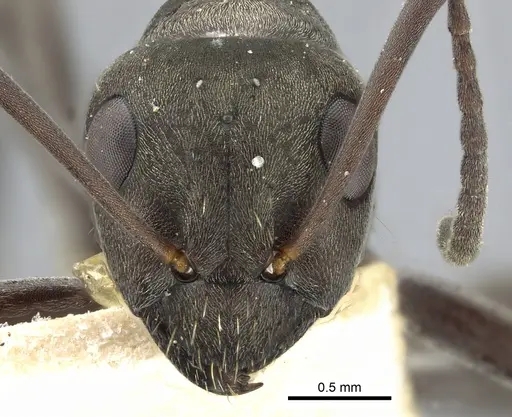
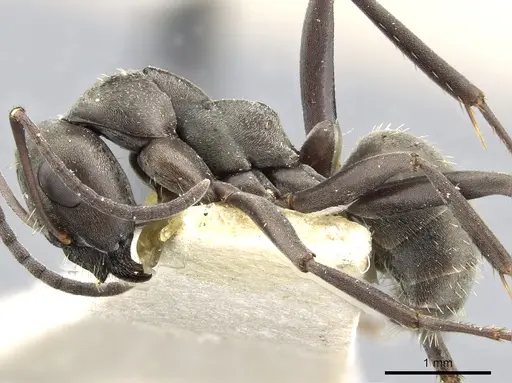
Formica subcyanea is a small to medium-sized ant native to central Mexico, specifically found in the states of Hidalgo and Durango. Workers are typically dark with a bluish or metallic sheen, which gives the species its name 'subcyanea' (meaning 'somewhat blue'). This species belongs to the Formica fusca group, a collection of closely related Formica species native to North America. They inhabit high-elevation areas, with specimens collected at around 2600m in the Sierra Madre Oriental region. The species was first described by Wheeler in 1913 and revised taxonomically by Francoeur in 1973. A notable aspect of this species is its role as a host for the myrmecophilic wasp Mannomicrus jessei, which lives in small numbers within their colonies.
Quick Summary
- Difficulty: Medium
- Origin & Habitat: Central Mexico (Hidalgo and Durango states) at high elevations around 2600m. Found in mountainous Neotropical regions with cooler, more temperate conditions than typical lowland tropical areas [1][2].
- Colony Type: Colony structure is unconfirmed. Based on typical Formica patterns, likely single-queen colonies (monogyne), though this has not been directly documented for this specific species.
- Size & Growth:
- Queen: Estimated 7-9mm based on typical Formica fusca group dimensions [2].
- Worker: Estimated 4-7mm based on typical Formica fusca group dimensions [2].
- Colony: Unknown for this specific species. Related Formica fusca group species typically reach several thousand workers.
- Growth: Moderate, estimated based on genus patterns.
- Development: Estimated 6-8 weeks at optimal temperature based on related Formica species [2]. (Development time is inferred from genus-level data, specific timing for F. subcyanea has not been documented.)
- Antkeeping:
- Temperature: Keep at room temperature, roughly 18-24°C. As a high-elevation Mexican species, they prefer cooler conditions than typical tropical ants. Avoid overheating, temperatures above 28°C may be stressful [3].
- Humidity: Moderate humidity around 50-60%. As a mountain-dwelling species, they prefer drier conditions than tropical forest ants. Allow the nest to partially dry between water additions.
- Diapause: Likely minimal or no true diapause given their Mexican highland origin. However, they may reduce activity during cooler winter months if kept in unheated spaces.
- Nesting: In nature, they likely nest in soil or under stones in mountainous areas. In captivity, a standard formicarium with soil chambers or a Y-tong nest works well. Provide a moisture gradient so ants can choose their preferred humidity level.
- Behavior: Workers are active foragers that likely scavenge and tend aphids for honeydew, typical of Formica species. They are not particularly aggressive but will defend the nest if threatened. Escape risk is moderate, use standard barrier methods. Workers are medium-sized and can be handled with reasonable care.
- Common Issues: high elevation origin means they prefer cooler conditions, avoid keeping them too warm, specific colony structure and founding behavior unconfirmed for this species, limited availability in the antkeeping hobby, few cultures exist, as a neotropical species, their exact temperature and humidity preferences are not well documented, wild-caught colonies may carry the associated wasp parasite, which typically does not harm the ant colony
Natural History and Distribution
Formica subcyanea is endemic to central Mexico, specifically the states of Hidalgo and Durango. The species was first described by William Morton Wheeler in 1913 based on specimens collected in Mexico. Later, André Francoeur revised the taxonomy of this species as part of his comprehensive revision of the Nearctic Formica fusca group in 1973. This ant has been collected at relatively high elevations around 2600 meters, particularly at locations like Guerrero Mill in Mineral del Monte, Hidalgo. This high-elevation habitat distinguishes them from many other Formica species and suggests they prefer cooler, more temperate conditions than typical lowland tropical ants. [1][3]
Nest Preferences and Housing
In the wild, Formica subcyanea likely nests in soil or under stones in mountainous areas, similar to other Formica fusca group species. For captive care, a standard formicarium with soil-filled chambers or a Y-tong (acrylic) nest works well. Provide a moisture gradient by keeping one side of the nest slightly damp while leaving another area drier. This allows the colony to self-regulate humidity. Since they come from high elevations, avoid overly humid conditions, aim for moderate humidity around 50-60%. A test tube setup can work for founding colonies, but be prepared to move them to a larger formicarium as the colony grows. [2]
Feeding and Diet
Like other Formica species, F. subcyanea workers are omnivorous foragers that likely scavenge for protein and sugar sources in nature. In captivity, offer a varied diet including sugar water or honey as a constant energy source, and protein sources such as mealworms, crickets, or other small insects. They likely also tend aphids for honeydew, so offering sweet solutions is important. Feed protein prey 2-3 times per week, and ensure sugar water is always available. Remove uneaten prey after 24-48 hours to prevent mold issues. [2]
Temperature and Seasonal Care
As a high-elevation Mexican species, Formica subcyanea prefers cooler temperatures than many tropical ant species. Keep them at room temperature, ideally between 18-24°C. Research on related Formica species shows that temperature affects worker size and development [3]. Avoid temperatures above 28°C, as this may stress the colony. During winter months, they may naturally reduce activity if your room temperature drops, but unlike temperate species, they likely do not require a true hibernation period. If anything, provide a slight cooling period (15-18°C) during winter rather than full diapause conditions.
Associated Species
A fascinating aspect of Formica subcyanea is its role as a host species for the myrmecophilic (ant-loving) wasp Mannomicrus jessei. This parasitic wasp lives within the ant colonies, with only one or two wasp individuals typically present per colony [4]. The wasps move slowly and freely among the ant workers, apparently tolerated by their hosts. If you collect a wild colony, you may observe these small wasps living in association with the ants. Fortunately, these wasps generally do not harm the ant colony and are simply interesting commensal guests.
Frequently Asked Questions
How long does it take for Formica subcyanea to produce first workers?
The exact timeline is unconfirmed for this species, but based on related Formica species, expect around 6-8 weeks from egg to first worker at optimal temperature. Be patient, founding colonies can take time to establish.
What temperature is best for Formica subcyanea?
Keep them at room temperature between 18-24°C. As a high-elevation Mexican species, they prefer cooler conditions than typical tropical ants. Avoid temperatures above 28°C.
Can I keep multiple queens together?
The colony structure of this species is not well documented. Based on typical Formica patterns, they likely form single-queen colonies. It is not recommended to combine unrelated queens without documented evidence that they can found colonies together.
Are Formica subcyanea good for beginners?
This species is rated as Medium difficulty. While not the most challenging ant to keep, there is limited specific care information available since this is not a common species in the antkeeping hobby. Experienced antkeepers will have better success with the uncertainties involved.
What do Formica subcyanea eat?
They are omnivorous. Offer sugar water or honey constantly, and protein sources such as small insects (mealworms, crickets) 2-3 times per week. They likely also scavenge and may accept other foods experimentally.
How big do Formica subcyanea colonies get?
The exact colony size is unknown for this species, but related Formica fusca group species typically reach several thousand workers. Expect moderate growth over several years.
Do they need hibernation?
As a Mexican highland species, they likely do not require true hibernation. They may reduce activity during cooler winter months, but a full diapause period is probably not necessary. A slight cooling to 15-18°C during winter may be beneficial.
What type of nest should I use?
A standard formicarium with soil chambers or a Y-tong acrylic nest works well. Provide a moisture gradient so the ants can choose their preferred humidity level. They prefer moderate humidity rather than constantly wet conditions.
Where is Formica subcyanea found in the wild?
This species is endemic to central Mexico, specifically the states of Hidalgo and Durango. They are found at high elevations around 2600m in mountainous areas, which is why they prefer cooler conditions than typical tropical ants.
References

This caresheet is licensed under CC BY-SA 4.0 .
CASENT0903287
View on AntWeb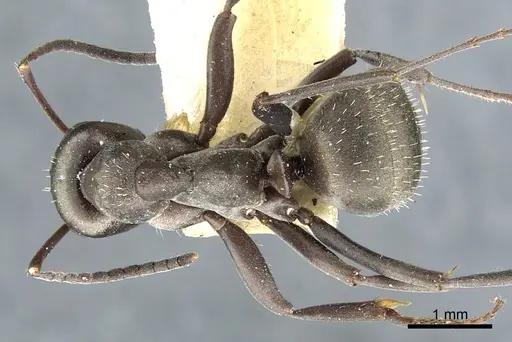
Literature
Loading...Loading products...