

Formica spatulata
- Scientific Name
- Formica spatulata
- Tribe
- Formicini
- Subfamily
- Formicinae
- Author
- Buren, 1944
- Distribution
- Found in 2 countries
Formica spatulata Overview
Formica spatulata is an ant species of the genus Formica. It is primarily documented in 2 countries , including Canada, United States of America. Detailed taxonomic data and occurrence records can be further explored via authoritative databases such as AntWeb or the Global Biodiversity Information Facility (GBIF).
Formica spatulata
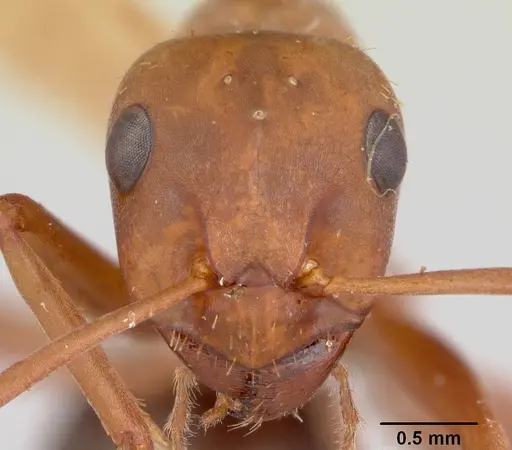
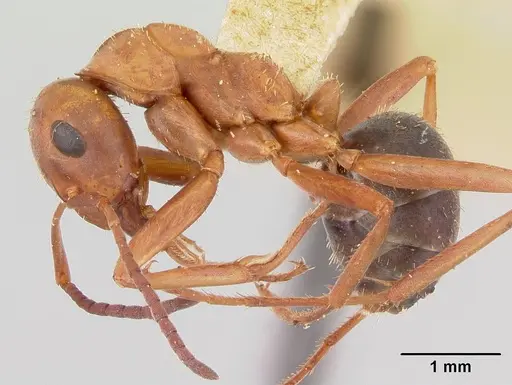
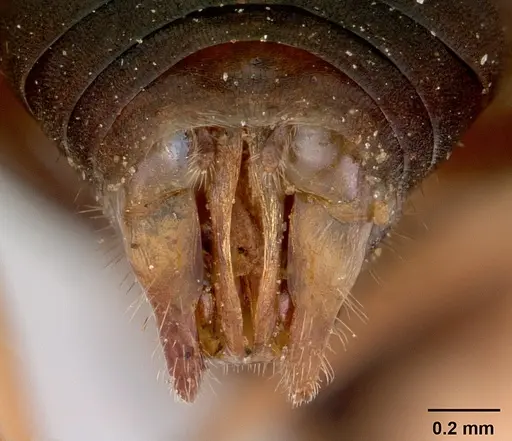
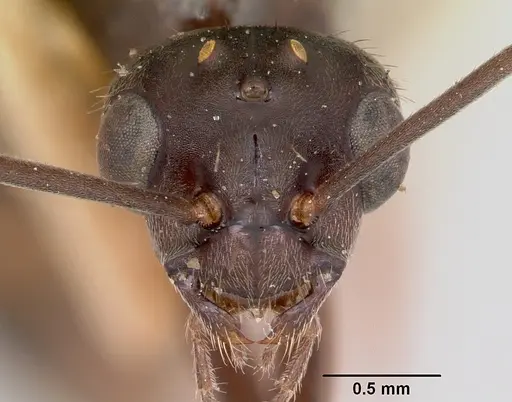
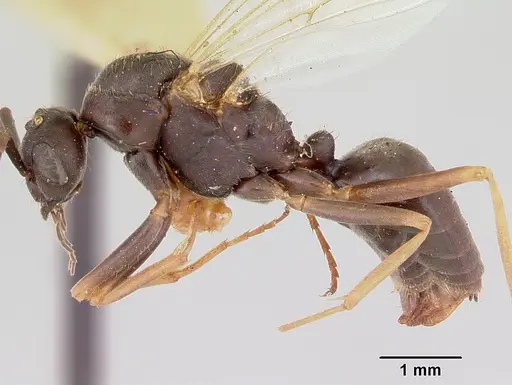
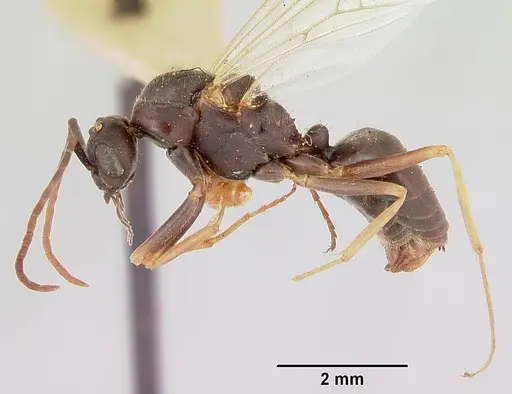
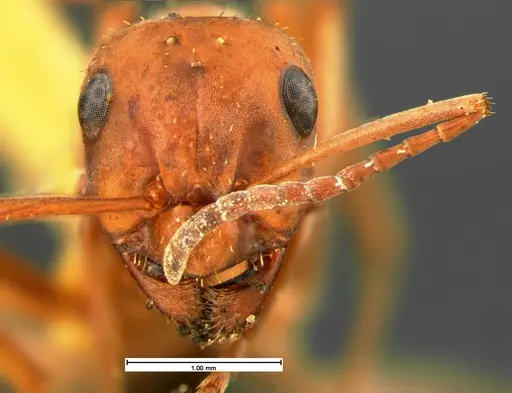
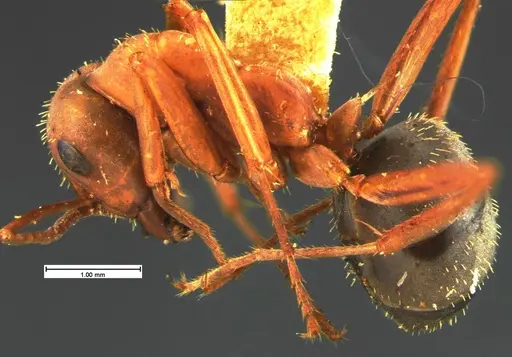
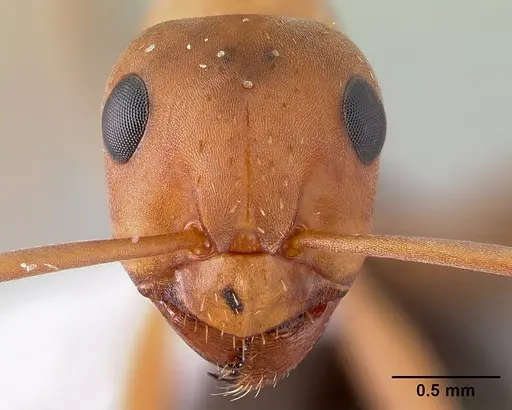
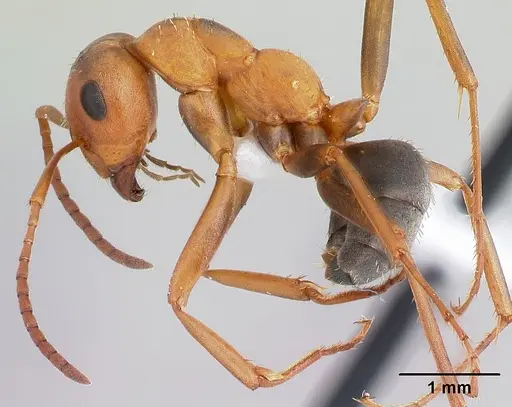
Formica spatulata is a North American ant species belonging to the Formica microgyna species group. Workers are easily recognized by their distinctive spoon-shaped (spatulate) hairs covering the pronotum and other body surfaces, which sets them apart from most other Formica species. Workers measure around 4-6mm with queens only slightly larger than the largest workers, a characteristic of the microgyna group. The head and mesosoma have abundant erect hairs, while the scape and tibiae lack erect hairs except for a row of bristles underneath [1].
This species is likely a temporary social parasite, meaning the queen invades a colony of another Formica species, kills the host queen, and uses the host workers to raise her first brood until her own workers emerge. The host species remains unknown. Found across the northern United States and southern Canada, these ants inhabit transition environments between boreal and temperate zones [2][3].
Quick Summary
- Difficulty: Medium
- Origin & Habitat: Native to North America, found throughout the northern United States and into southern Canada (Saskatchewan, Manitoba, Montana, Wyoming, South Dakota). Inhabits transition environments between boreal forest and temperate zones [2][3][1].
- Colony Type: Likely temporary social parasite of another Formica species. The queen invades a host colony, kills the host queen, and uses the host workers to raise her brood until her own workers take over. This is typical of the microgyna species group [1].
- Colony: Monogyne
- Queen: Temporary parasitic
- Size & Growth:
- Queen: Approximately 5-7mm, only slightly larger than the largest workers [1]
- Worker: 4-6mm [1]
- Colony: Unknown for this specific species, but related microgyna group species typically reach several thousand workers
- Growth: Moderate, typical for Formica species
- Development: Estimated 6-8 weeks at optimal temperature based on related Formica species (Development time is inferred from genus-level data for Formica species. Temperature around 20-24°C supports optimal development.)
- Antkeeping:
- Temperature: Keep nest area at 20-24°C. A gentle temperature gradient allows ants to regulate their own conditions. Room temperature in this range is typically suitable [1].
- Humidity: Moderate humidity around 50-60%. Keep nest substrate slightly moist but not waterlogged. These ants prefer drier conditions compared to many forest-dwelling ants.
- Diapause: Yes, as a temperate species, colonies require a winter rest period. Reduce temperature to 5-10°C for 3-4 months during winter, mimicking natural seasonal cycles [1].
- Nesting: Natural nests are typically under stones or in soil. In captivity, a standard formicarium with soil or plaster chambers works well. Provide a dark nesting area with moderate humidity. Y-tong nests or naturalistic setups with flat stones simulate their natural preferences [1].
- Behavior: Workers are active foragers that search for honeydew, nectar, and small insects. They are not particularly aggressive but will defend the nest if threatened. Workers are medium-sized and can climb smooth surfaces, though escape prevention with standard barriers is usually sufficient. They exhibit typical Formica behavior with well-organized colony structure [1].
- Common Issues: temporary parasitism makes founding difficult, queens need a host colony to establish, which is challenging in captivity, colonies may fail if the host species is not available or compatible, winter diapause is essential, colonies that are not hibernated properly often decline, slow initial growth during the parasitic founding phase before workers emerge, queens are difficult to locate since they parasitize existing colonies rather than founding independently
Understanding Temporary Social Parasitism
Formica spatulata belongs to the microgyna species group, members of which are temporary social parasites. This means the queen does not found a colony alone like most ants. Instead, after mating, she must locate and invade an established colony of another Formica species. She enters the host nest, kills or replaces the host queen, and uses the existing host workers to raise her first brood. Once her own workers emerge, they gradually replace the host workforce [1].
For antkeepers, this presents a unique challenge. You cannot simply set up a founding queen in a test tube. The queen needs host workers to survive. Some keepers have success by introducing a newly mated queen to a small colony of a compatible Formica species (often related species like Formica fusca or other Formica). The process is delicate and success rates vary. This parasitic requirement makes F. spatulata more suitable for experienced antkeepers who understand social parasitism [1].
Housing and Nest Setup
Once established, these ants do well in standard formicarium setups. They prefer nesting in soil or sandy substrates with moderate moisture. A naturalistic setup with a soil chamber and a connected outworld for foraging works well. You can also use Y-tong (acrylic) nests with appropriate chamber sizes for their worker size of 4-6mm.
Provide a dark nesting area, these ants prefer dim conditions and will often nest in the darker portions of a multi-chamber setup. Include a water tube for humidity and ensure the nest substrate stays slightly moist but never soggy. An outworld with a foraging area allows workers to hunt for prey and collect honeydew [1].
Feeding and Diet
Like other Formica species, these ants are omnivorous with a preference for sweet liquids and protein. Workers collect honeydew from aphids and will readily accept sugar water, honey, or nectar. For protein, offer small insects like fruit flies, small crickets, or mealworms. They are active foragers and will readily hunt prey in the outworld.
Feed protein sources 2-3 times per week, and keep a constant supply of sugar water or honey available. Remove uneaten prey after 24-48 hours to prevent mold. A varied diet supports colony growth and health [1].
Seasonal Care and Hibernation
As a temperate species native to northern North America, Formica spatulata requires a winter dormancy period. In autumn, as temperatures drop, the colony will become less active. Reduce the temperature gradually to around 5-10°C and maintain this for 3-4 months, typically from late October through February in the Northern Hemisphere.
During hibernation, keep the colony in a cool location like an unheated garage or basement. The nest should remain slightly moist but not wet. Do not feed during hibernation. In spring, gradually warm the colony back to room temperature and resume normal feeding. Colonies that are not properly hibernated often fail to thrive in subsequent seasons [1].
Frequently Asked Questions
How do I start a Formica spatulata colony?
Starting a colony is challenging because these ants are temporary social parasites. The queen cannot found a colony alone, she needs a host colony of another Formica species. You would need to obtain a newly mated queen and carefully introduce her to a small, compatible host colony. This process has variable success rates and is best attempted by experienced antkeepers. Purchasing an established colony from a breeder who has already accomplished the parasitic founding is often the most practical approach.
What do Formica spatulata ants eat?
They are omnivorous with a sweet tooth. Offer sugar water, honey, or nectar for carbohydrates. For protein, provide small insects like fruit flies, small crickets, or mealworms. Feed protein 2-3 times per week and keep sugar sources constantly available.
What temperature do Formica spatulata ants need?
Keep the nest area at 20-24°C. This is typical room temperature for most homes. A gentle temperature gradient allows ants to choose their preferred spot. Avoid temperatures above 28°C or below 15°C for extended periods.
Do Formica spatulata need hibernation?
Yes, as a temperate species from northern North America, they require a winter dormancy period. Reduce temperature to 5-10°C for 3-4 months during winter (typically late October to February). This rest period is essential for colony health and longevity.
Are Formica spatulata good for beginners?
No, they are not recommended for beginners. The temporary social parasitic founding method is complex and challenging. Additionally, the queen requires a host colony to establish, which is difficult to arrange. These ants are better suited for antkeepers with experience keeping parasitic or difficult-to-establish species.
How long does it take for Formica spatulata to develop from egg to worker?
Based on related Formica species, development takes approximately 6-8 weeks from egg to worker at optimal temperatures around 20-24°C. The first workers (nanitics) will be smaller than normal workers.
How big do Formica spatulata colonies get?
The exact colony size for this species is not documented, but related Formica species in the microgyna group typically reach several thousand workers at maturity. Growth is moderate with the colony expanding over several years.
Can I keep multiple Formica spatulata queens together?
This is not recommended. In temporary social parasites, only one queen establishes per host colony. Multiple unrelated queens would fight and the colony would fail. Even if you had a polygynous colony, it would not change the fundamental requirement for a host species.
What is the host species for Formica spatulata?
The specific host species is currently unknown. Research has not identified which Formica species F. spatulata parasatizes in the wild. Related species in the microgyna group typically target species like Formica fusca or other common Formica. In captivity, some keepers have experimented with related Formica species as potential hosts.
References

This caresheet is licensed under CC BY-SA 4.0 .
CASENT0103451
View on AntWeb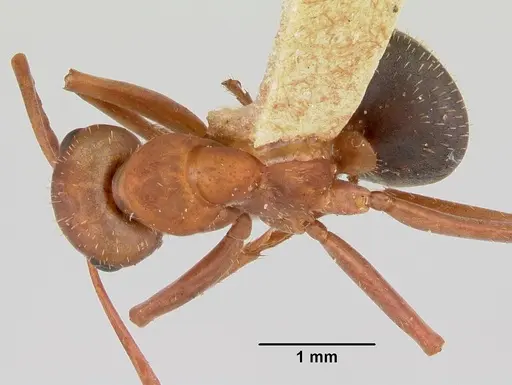
CASENT0103452
View on AntWeb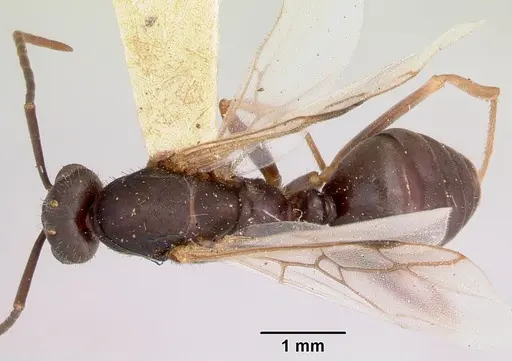
CASENT0103453
View on AntWeb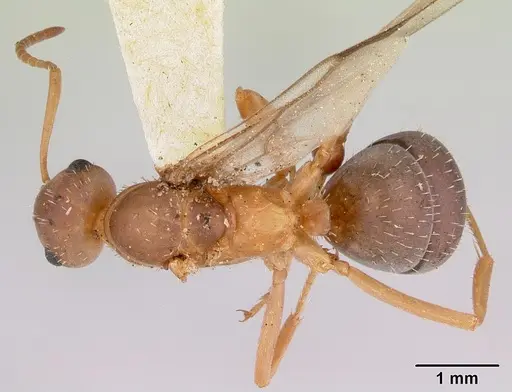
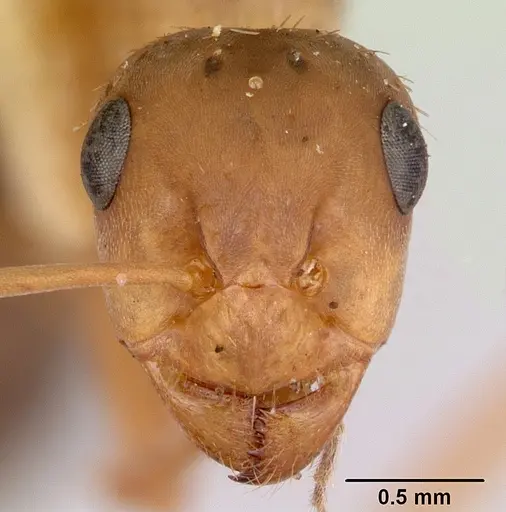
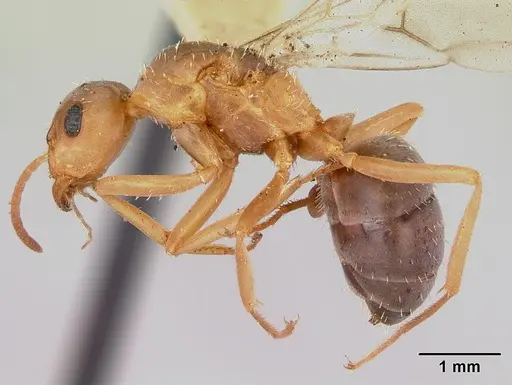
CASENT0105610
View on AntWeb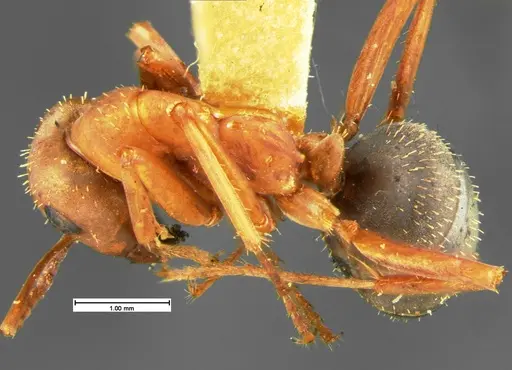
CASENT0179859
View on AntWeb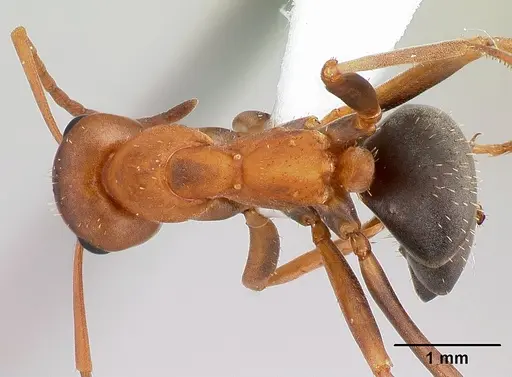
Literature
Loading...Loading products...