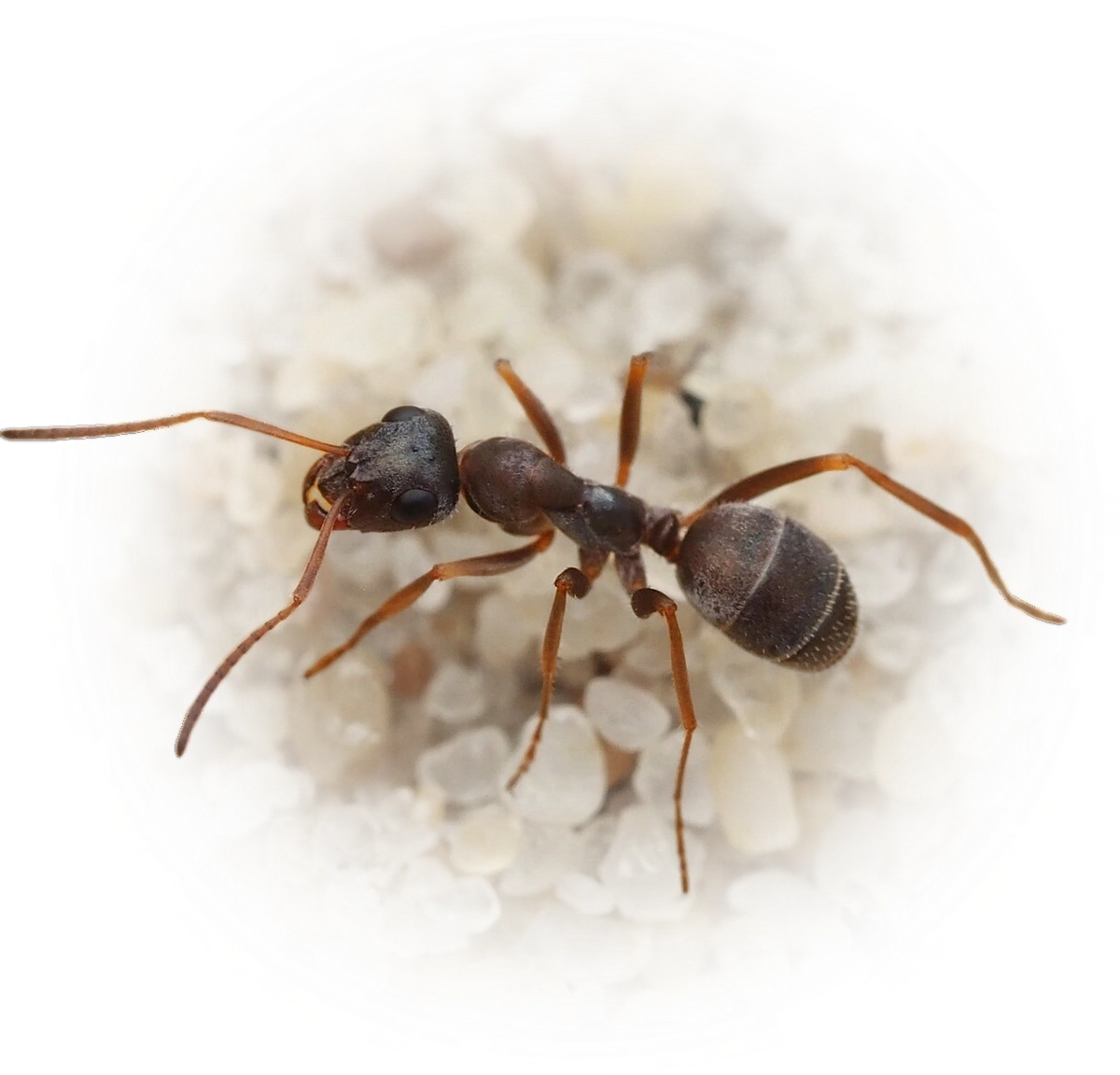

Formica selysi
- Scientific Name
- Formica selysi
- Tribe
- Formicini
- Subfamily
- Formicinae
- Author
- Bondroit, 1918
- Distribution
- Found in 3 countries
Formica selysi Overview
Formica selysi is an ant species of the genus Formica. It is primarily documented in 3 countries , including Switzerland, France, Italy. Detailed taxonomic data and occurrence records can be further explored via authoritative databases such as AntWeb or the Global Biodiversity Information Facility (GBIF).
Formica selysi
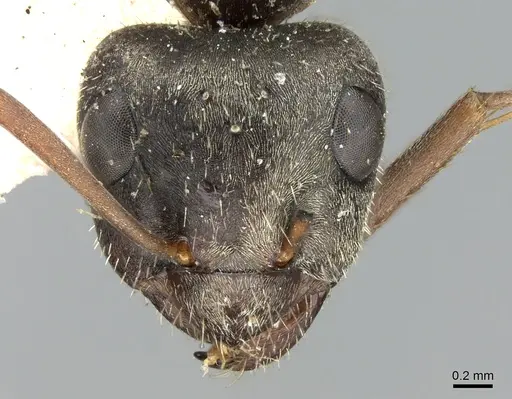
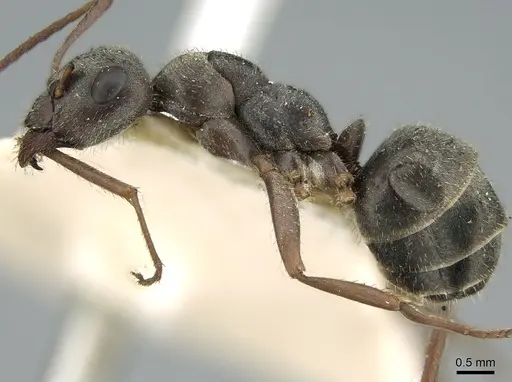
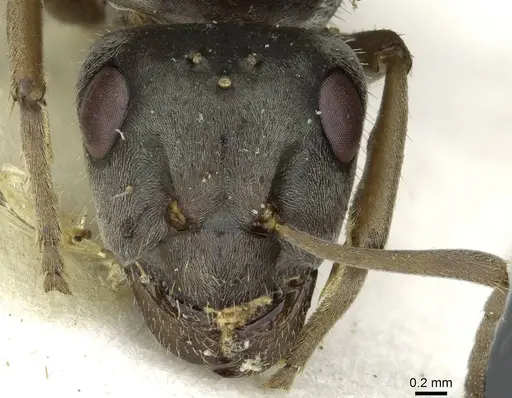
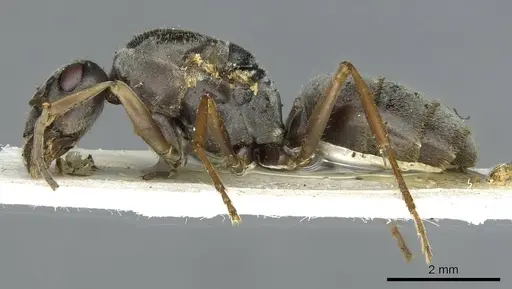
Formica selysi is a medium-sized black ant belonging to the Formica cinerea group, native to riverbank habitats across the Alps and surrounding regions of central Europe. Workers are characterized by their extremely hairy appearance, the most pilose (hairy) species in their group, with a dense silvery pubescence covering their dark brown body. They measure around 4-6mm as workers, with queens being significantly larger. This species is uniquely adapted to dynamic river environments, capable of surviving flooding by forming floating clusters and digging through deposited sediment. Their colonies show remarkable social flexibility, existing as either single-queen (monogyne) or multi-queen (polygyne) colonies, a trait controlled by a special genetic supergene.
Quick Summary
- Difficulty: Medium
- Origin & Habitat: River banks and gravel bars across the Alps and surrounding regions, from the Pyrenees east to the Alps, north to the Vosges and south to northern Italy. They inhabit dynamic, frequently flooded riverbanks with coarse gravel and sand, and can also be found in artificial habitats like river dams, roads, and city walls [1][2].
- Colony Type: Socially polymorphic, colonies can be either monogyne (single queen) or polygyne (multiple queens). Monogyne colonies average 3,000 workers with 10-year lifespan, while polygyne colonies can reach 30,000 workers and live 30 years [3]. The social form is determined by a supergene: monogyne colonies have Sm/Sm genotype, polygyne colonies have Sm/Sp or Sp/Sp [4].
- Colony: Optionally polygyne
- Founding: Claustral, Pleometrosis
- Size & Growth:
- Queen: Estimated 9-11mm based on related Formica species [1]
- Worker: 4-6mm [1]
- Colony: 3,000-30,000 workers depending on social form [3]
- Growth: Moderate
- Development: 6-8 weeks at optimal temperature (estimated from related Formica species) (Development time based on genus patterns, direct measurements unavailable for this species)
- Antkeeping:
- Temperature: Keep nest area at 20-24°C. This species prefers warmer conditions than many Formica, they thrive with mean soil temperatures of 10-15°C in the wild but can tolerate up to 24-28°C maximum [5]. A gentle gradient allowing workers to choose their preferred temperature is ideal.
- Humidity: Moderate, they prefer drier conditions than typical forest ants. Provide a moisture gradient with a damp side for brood and a drier side for foraging. Their natural habitat along riverbanks means they can tolerate occasional flooding but prefer well-drained nests.
- Diapause: Yes, this is a temperate species requiring winter hibernation. In their Alpine habitat, they experience cold winters and will need a 2-3 month diapause period at 5-10°C.
- Nesting: Y-tong (AAC) or plaster nests work well. They prefer tighter chambers and appreciate some substrate to dig in. Avoid overly humid conditions, they do best with good ventilation and a dry foraging area. Provide a sand/gravel section for natural behavior.
- Behavior: Active and aggressive foragers with strong territorial behavior. They are efficient predators of other arthropods and will readily scavenge. Workers are quick-moving and confident, making them engaging to watch. They show good nestmate recognition and will aggressively defend against intruders. Escape prevention is important, use fluon on edges as they are good climbers.
- Common Issues: colonies may fail if kept too humid, they prefer drier conditions than typical Formica, multi-queen colonies can be harder to establish as queens may fight unless compatible, slow founding means beginners may lose patience, queens can take weeks to lay first eggs, wild-caught colonies may carry parasites that cause problems in captivity, their aggressive nature means they may attack and stress smaller ant species if housed nearby
Nest Preferences and Housing
Formica selysi is a ground-nesting species that naturally colonies in open gravel and sand banks along rivers. In captivity, they do well in Y-tong (AAC) nests or plaster formicariums with a sand/gravel section. They prefer tighter chambers scaled to their size rather than large open spaces. The key is providing a humidity gradient, keep one area damp for brood development while allowing access to drier areas for foraging and resting. Good ventilation is important to prevent mold, as they come from dynamic river habitats with good air flow. Provide a shallow water tube and sugar water feeder in the outworld. [2]
Feeding and Diet
These ants are opportunistic predators and scavengers. They readily accept protein sources like mealworms, crickets, and other small insects. They also consume honeydew from aphids and will take sugar water or honey. In the wild, they are efficient predators of other arthropods including other ant species. Feed them small insects 2-3 times per week and keep a constant sugar water or honey supply. Remove uneaten prey after 24 hours to prevent mold. They are not picky eaters and adapt well to captive diets. [2]
Temperature and Seasonal Care
Formica selysi prefers warmer conditions than many European Formica species. Keep the nest area at 20-24°C with a gentle gradient so workers can regulate their own temperature. They naturally inhabit warm riverbanks and can tolerate soil temperatures up to 24-28°C. During summer, room temperature is usually sufficient. In winter, they require a 2-3 month diapause period at 5-10°C, mimicking their natural Alpine cycle. Place the colony in a cool basement or refrigerator for hibernation. Do not feed during diapause but ensure the nest substrate remains slightly moist. [5][3]
Social Structure and Colony Dynamics
This species is uniquely interesting because colonies can be either single-queen (monogyne) or multi-queen (polygyne), controlled by a genetic supergene. Monogyne colonies have one queen, produce only Sm males, and workers are Sm/Sm genotype. Polygyne colonies have multiple queens, produce Sp males, and workers can be Sm/Sp or Sp/Sp. Queens from monogyne colonies are larger than those from polygyne colonies. Polygyne colonies are larger (up to 30,000 workers) and live longer (30 years vs 10 years). When starting a colony, you may receive either type, both are equally valid. Multi-queen colonies require more space and can be more challenging to establish initially. [4][3]
Flooding Adaptations
One of the most remarkable aspects of Formica selysi is its adaptation to flooding. In the wild,72% of nests survive inundations lasting 9-43 hours. When floods occur, workers form floating clusters with the queen, brood, and alates in the center, using their legs and antennae to save detached larvae and eggs from the water surface. They can also dig through 10-20cm of sand or gravel deposited on nest entrances. In captivity, this translates to needing good drainage and avoiding water features that could flood the nest. However, they do appreciate occasional misting and should have access to fresh water. [2]
Behavior and Temperament
Formica selysi is an active, aggressive species that makes for engaging observation. Workers are quick-moving and confident foragers, readily investigating and attacking prey. They show strong nestmate recognition and will aggressively defend against foreign ants. In encounters with other Formica species, they are competitive and can displace other species from resources. They are not dangerous to humans, while they can bite, their jaws are small and the bite is mild. Escape prevention is important as they are good climbers. Use fluon on all edges and ensure any connections between nest and outworld are sealed.
Legal and Conservation Notes
Formica selysi is protected or considered threatened in several regions due to its specialized habitat requirements. It is endangered in Vorarlberg (Austria), threatened in Carinthia, and critically endangered in Bavaria. Their natural habitat of dynamic river gravel banks is increasingly rare due to river management. If you collect a colony from the wild, ensure you have permission and are not taking from protected areas. Captive-bred colonies are preferable when available. Never release captive colonies into the wild, especially outside their natural range, as this could harm local ecosystems.
Frequently Asked Questions
Can I keep Formica selysi in a test tube?
Test tubes can work for founding colonies, but you'll need to move them to a proper formicarium once the colony reaches 20-30 workers. They need more space and a humidity gradient that test tubes alone cannot provide. A Y-tong or plaster nest with an outworld is ideal for established colonies.
When should I move my colony to a formicarium?
Move them when the test tube becomes crowded or the water reservoir runs out, typically when you have 20-50 workers. Formica selysi grows moderately fast, so monitor regularly. They do well in Y-tong nests which provide good humidity control.
How long until first workers in Formica selysi?
Expect 6-8 weeks from egg to first worker at room temperature (20-24°C). This is typical for Formica species. The queen will seal herself in and not leave the founding chamber until nanitic (first) workers emerge.
Can I keep multiple queens together?
This species is socially polymorphic, both single-queen and multi-queen colonies exist naturally. However, combining unrelated foundress queens is not recommended as they may fight. If you receive multiple queens, it's best to house them separately unless they are already established as a polygyne colony.
How big do Formica selysi colonies get?
Monogyne colonies reach around 3,000 workers on average, while polygyne colonies can grow to 30,000 workers. Polygyne colonies also live much longer, up to 30 years compared to 10 years for monogyne colonies.
What do Formica selysi eat?
They are opportunistic predators and scavengers. Feed small insects like mealworms, fruit flies, or crickets 2-3 times per week. They also readily accept sugar water, honey, or syrup. Remove uneaten prey after 24 hours.
Are Formica selysi good for beginners?
They are rated as medium difficulty. They are more active and interesting than some ants, but require specific humidity conditions (drier than typical ants) and need winter hibernation. They are not as forgiving as Lasius species but not as challenging as tropical species.
Do Formica selysi need hibernation?
Yes, they require a 2-3 month winter diapause at 5-10°C. This mimics their natural Alpine cycle and is essential for colony health. Place them in a cool basement or refrigerator from late autumn through winter. Do not feed during this period but keep the substrate slightly moist.
Why are my Formica selysi dying?
Common causes include: too high humidity (they prefer drier conditions), poor ventilation causing mold, temperatures outside their 20-24°C range, or stress from disturbance during founding. Also ensure they have constant access to sugar water and protein. Check for parasites if wild-caught.
References

This caresheet is licensed under CC BY-SA 4.0 .
ANTWEB1041358
View on AntWeb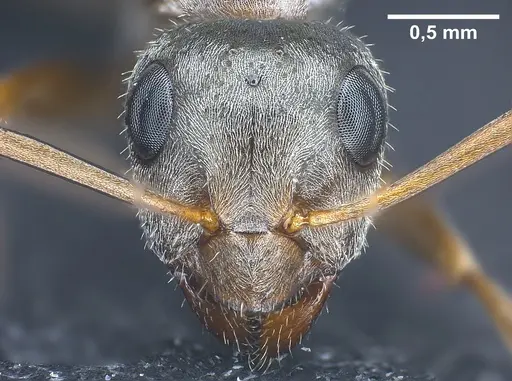
ANTWEB1041463
View on AntWeb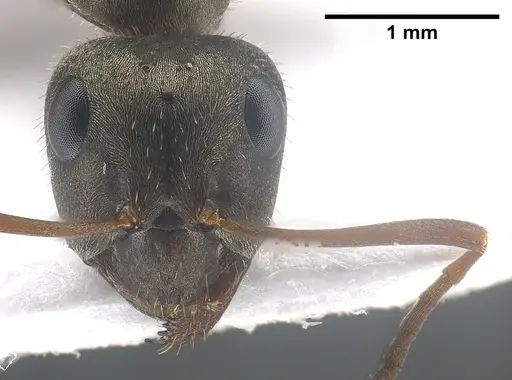
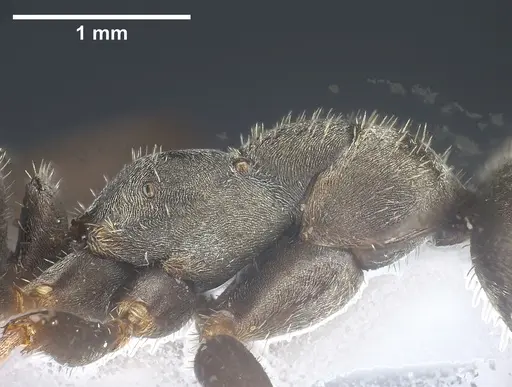
CASENT0906311
View on AntWeb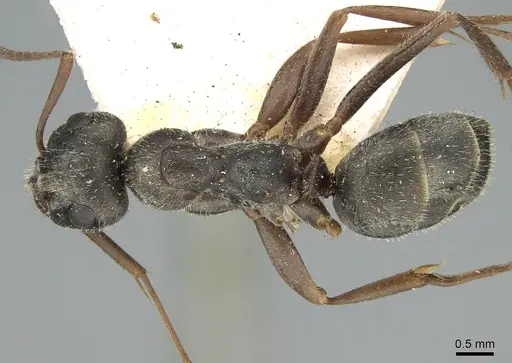
CASENT0913640
View on AntWeb
Literature
Loading...Loading products...