

Formica pyrenaea
- Scientific Name
- Formica pyrenaea
- Tribe
- Formicini
- Subfamily
- Formicinae
- Author
- Bondroit, 1918
- Distribution
- Found in 3 countries
Formica pyrenaea Overview
Formica pyrenaea is an ant species of the genus Formica. It is primarily documented in 3 countries , including Spain, France, Portugal. Detailed taxonomic data and occurrence records can be further explored via authoritative databases such as AntWeb or the Global Biodiversity Information Facility (GBIF).
Formica pyrenaea
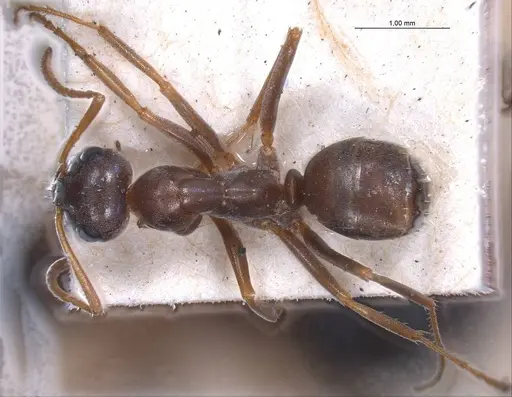
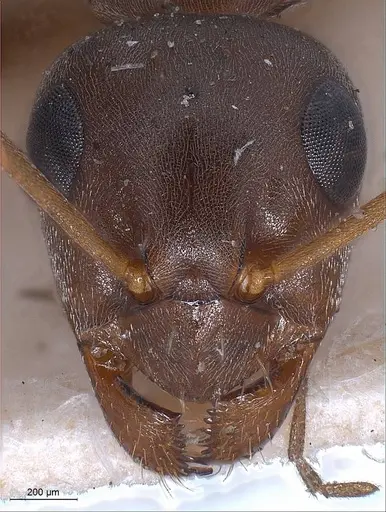
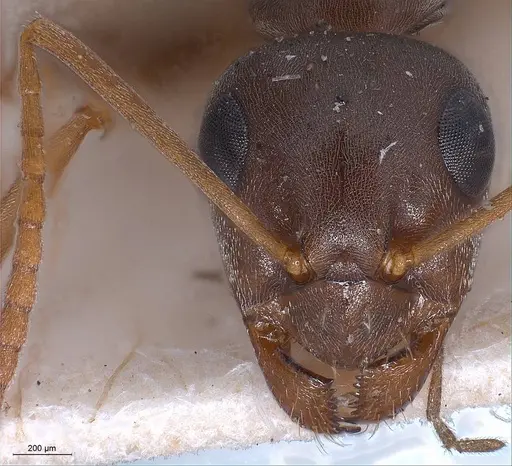
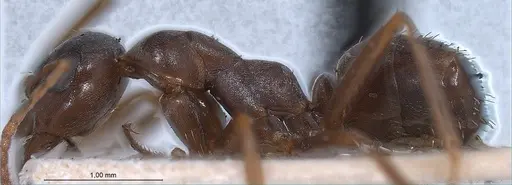
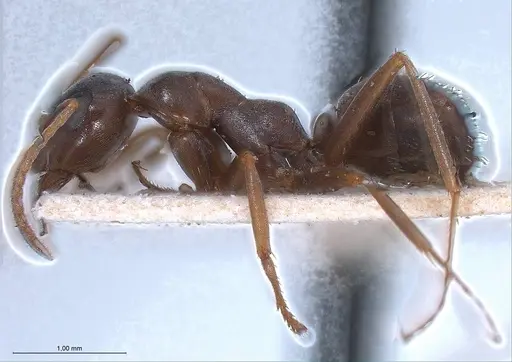
Formica pyrenaea is a small to medium-sized ant species native to the mountainous regions of southern Europe, particularly the Pyrenees and surrounding mountain ranges. Workers measure 1.10-1.36mm with a distinctive gray-brown coloration and remarkably dense pubescence, fine white overlapping hairs that largely mask the body surface, giving them a fuzzy or 'frosted' appearance [1]. The species was originally described in 1918 and later revived as a valid species in 1969 after being considered a subspecies of Formica fusca. These ants are primarily found in higher elevation habitats across the Pyrenees, Sierra de Guadarrama, and related mountain systems of France, Spain, Italy, and Portugal [2]. What makes F. pyrenaea distinctive is its strong preference for subalpine and alpine vegetation zones, making it one of the more cold-tolerant Formica species in the region [3].
Quick Summary
- Difficulty: Medium
- Origin & Habitat: Native to the Pyrenees and mountainous regions of southern Europe including France, Spain, Italy, and Portugal. Found in riparian zones with downy oaks, ashes, and poplars, as well as higher elevation grasslands up to 900m in the Albères massif and Sierra de Guadarrama [2][1][3].
- Colony Type: Single-queen colonies (monogyne), colony structure is typical of Formica species in this region
- Colony: Monogyne
- Founding: Claustral
- Size & Growth:
- Queen: 1.60-1.71 mm [1]
- Worker: 1.10-1.36 mm [1]
- Colony: Unknown for this species, typical Formica colonies reach several thousand workers
- Growth: Moderate, inferred from related Formica species
- Development: Estimated 6-8 weeks based on typical Formica development at optimal temperature (Development timeline not specifically studied for this species, estimates based on genus-level patterns for Formica in temperate climates)
- Antkeeping:
- Temperature: Keep at room temperature (18-22°C) with a slight gradient. This species prefers cooler conditions typical of its mountain habitat, avoid overheating. Room temperature is likely suitable given their subalpine origin [3][1].
- Humidity: Moderate humidity is appropriate. Provide a water tube and keep the nest substrate slightly moist but not waterlogged. Their natural habitat includes riparian zones and wet mountain areas [1].
- Diapause: Yes, as a mountain species from temperate Europe, they require a winter dormancy period. Provide 2-3 months at 5-10°C during winter.
- Nesting: Use a standard formicarium or test tube setup. They do well in acrylic, plaster, or naturalistic setups. Provide moderate chamber space as colonies expand. Given their small worker size, ensure escape prevention is adequate though they are not as tiny as some Formica species.
- Behavior: Workers are active foragers, typical of Formica species. They are not particularly aggressive but will defend their nest if threatened. Workers are medium-sized at 1.10-1.36mm, making them moderate escape risks, standard barrier methods should suffice. They likely form single-queen colonies and show typical Formica foraging behavior, including tending aphids and collecting honeydew. Their dense pubescence gives them a distinctive fuzzy appearance that is unusual among Formica species [1].
- Common Issues: mountain species may be sensitive to overheating, keep away from direct heat sources, winter dormancy is essential, colonies that are not allowed to cool may have reduced longevity, wild-caught colonies may carry parasites that can devastate captive colonies, slow founding, claustral queens take time to raise first workers, patience is required, dense pubescence can make them appear lighter in color, this is normal, not a health indicator
Housing and Nest Setup
Formica pyrenaea does well in standard ant keeping setups. Use an acrylic formicarium, plaster nest, or a well-prepared naturalistic setup. Since workers are 1.10-1.36mm, they are not extremely small, but good escape prevention is still important, standard barriers like fluon work well. Provide a water tube for humidity and ensure the nest area stays moderately moist. These ants do not require elaborate heating, room temperature is appropriate given their preference for cooler mountain conditions. A small outworld area allows for foraging and waste disposal. Because they come from higher elevations, avoid placing the colony in direct sunlight or near heat sources that could cause overheating. [1]
Feeding and Diet
Like other Formica species, F. pyrenaea is omnivorous and will accept a variety of foods. Offer sugar water, honey, or diluted syrup as a constant energy source. For protein, provide small insects like fruit flies, small crickets, or mealworms. In the wild, they likely forage for honeydew from aphids and tend scale insects, so occasional sweet treats are appreciated. Feed protein 2-3 times per week and ensure sugar water is always available. Remove uneaten prey after 24-48 hours to prevent mold. Workers are active foragers and will readily collect food from the outworld.
Temperature and Seasonal Care
This species prefers cooler conditions than many other Formica species. Keep them at room temperature (18-22°C), they do not need additional heating and may struggle in warm conditions. Their natural habitat in the Pyrenees and subalpine zones means they are adapted to cooler temperatures. During winter, provide a dormancy period of 2-3 months at 5-10°C, such as in an unheated garage or basement. This mimics their natural seasonal cycle and helps maintain colony health. Do not force hibernation if the colony is small (fewer than 50 workers), wait until the colony is established before allowing winter dormancy. [3][1]
Colony Development
Founding is claustral, the queen seals herself in a chamber and raises the first workers alone using stored fat reserves. This means you do not need to feed the founding queen. First workers (nanitics) will be smaller than normal workers. Development from egg to worker likely takes 6-8 weeks at room temperature, based on typical Formica patterns. Growth is moderate, do not expect rapid expansion. Colonies build up over several years. One interesting note from research: colonies can produce pseudogynes (abnormal workers with queen-like mesosoma) due to pathology in the labial gland [1]. This is a natural occurrence in some colonies and not a sign of poor care.
Behavior and Observation
Workers are active and engaging to watch. They forage individually and will explore the outworld systematically. The species is not particularly aggressive but will bite if the nest is disturbed. Their most distinctive physical feature is the dense pubescence, fine white overlapping hairs that give them a 'frosted' appearance, quite different from smoother Formica species like F. fusca or F. cunicularia [1]. This pubescence is particularly visible in males and is a key identification feature. Workers communicate using chemical signals and will recruit nestmates to good food sources through tandem running or chemical trails.
Frequently Asked Questions
How long does it take for Formica pyrenaea to raise first workers?
Expect first workers (nanitics) around 6-8 weeks after the queen lays her first eggs, at room temperature. This is typical for Formica species in temperate conditions. The queen is claustral, she seals herself in and raises the first brood alone without needing food.
Do Formica pyrenaea ants need hibernation?
Yes, they do. As a mountain species from the Pyrenees and subalpine zones, they require a winter dormancy period. Provide 2-3 months at 5-10°C during winter, typically from late autumn to early spring. This is essential for colony health and longevity.
What temperature is best for Formica pyrenaea?
Keep them at room temperature, around 18-22°C is ideal. They prefer cooler conditions than many other Formica species due to their mountain origin. Avoid additional heating and keep them away from direct sunlight or heat sources that could cause overheating.
Are Formica pyrenaea good for beginners?
They are rated as medium difficulty. While not as challenging as some exotic species, they do require understanding of seasonal care including hibernation. They are not as aggressive as some Formica species, making them easier to handle. The main challenges are providing proper winter dormancy and being patient during the slow founding phase.
How big do Formica pyrenaea colonies get?
Colony size is not specifically documented, but typical Formica species reach several thousand workers over several years. They are not among the largest Formica species, but colonies can still become quite substantial with proper care.
What do Formica pyrenaea ants eat?
They are omnivorous. Offer sugar water, honey, or syrup as a constant energy source. For protein, provide small insects like fruit flies, small crickets, or mealworms 2-3 times per week. They will also collect honeydew in captivity if offered.
Can I keep multiple Formica pyrenaea queens together?
No, this species is monogyne, single queen colonies. Unlike some Formica species that can be polygynous, F. pyrenaea forms colonies with only one queen. If you capture a wild colony, it will have a single queen.
When should I move Formica pyrenaea to a formicarium?
Keep founding colonies in a test tube setup until they have 20-30 workers. Once the colony outgrows the test tube or the water reservoir is depleted, you can move them to a formicarium. Do not disturb the queen during the founding phase.
Why does my Formica pyrenaea look fuzzy?
This is normal and actually a key identifying feature of the species. F. pyrenaea has remarkably dense pubescence, fine white overlapping hairs that cover the body and largely mask the surface. This 'frosted' appearance is more pronounced than in most other Formica species [1].
References

This caresheet is licensed under CC BY-SA 4.0 .
ANTWEB1008420
View on AntWeb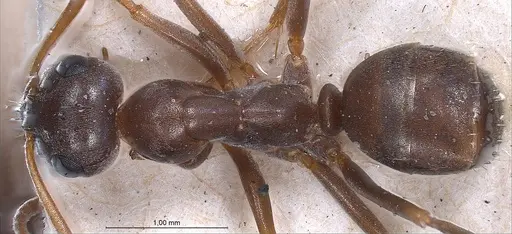
Literature
Loading...Loading products...