

Formica planipilis
- Scientific Name
- Formica planipilis
- Tribe
- Formicini
- Subfamily
- Formicinae
- Author
- Creighton, 1940
- Common Name
- Flat-haired Mound Ant
- Distribution
- Found in 2 countries
Formica planipilis Overview
Formica planipilis (commonly known as the Flat-haired Mound Ant) is an ant species of the genus Formica. It is primarily documented in 2 countries , including Canada, United States of America. Detailed taxonomic data and occurrence records can be further explored via authoritative databases such as AntWeb or the Global Biodiversity Information Facility (GBIF).
Formica planipilis - "Flat-haired Mound Ant"
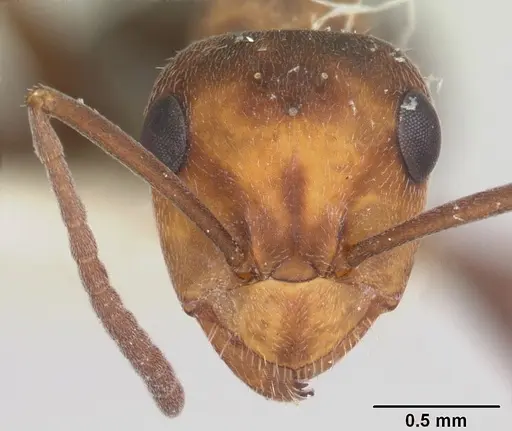
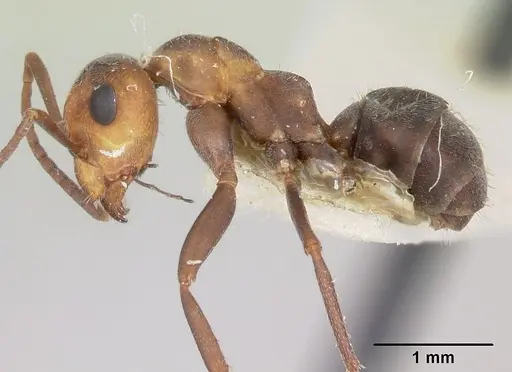
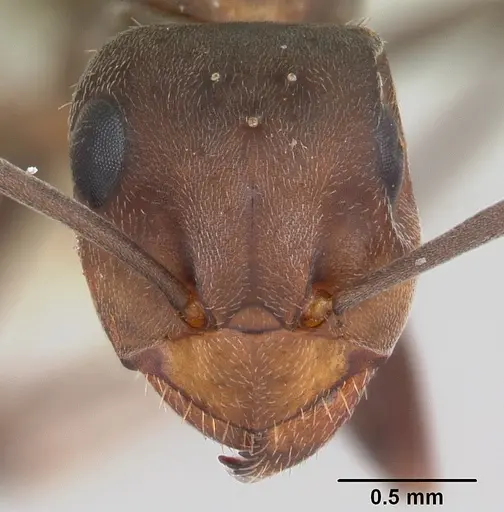
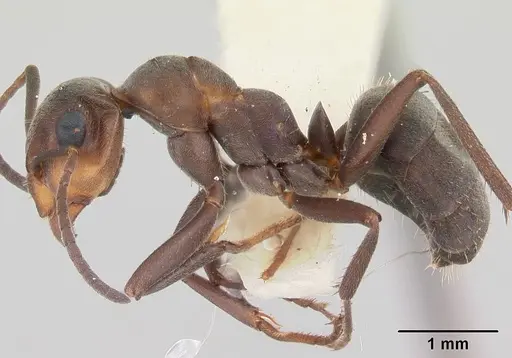
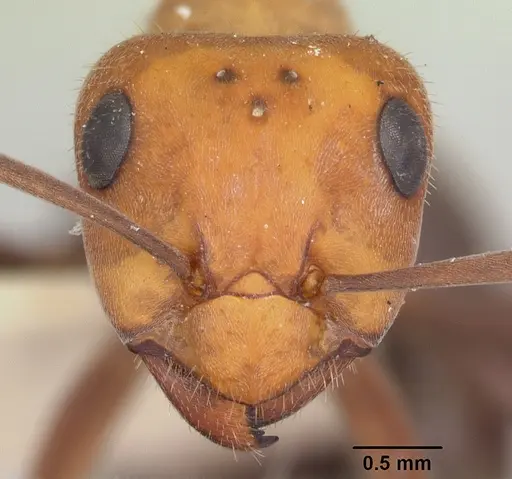
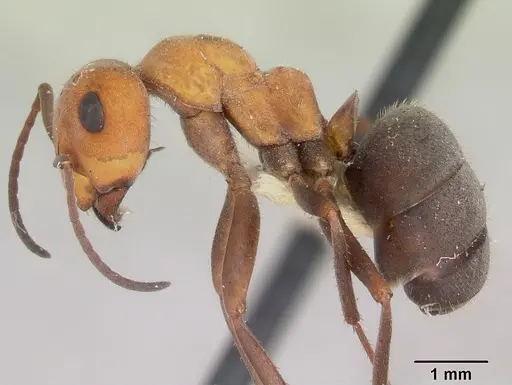
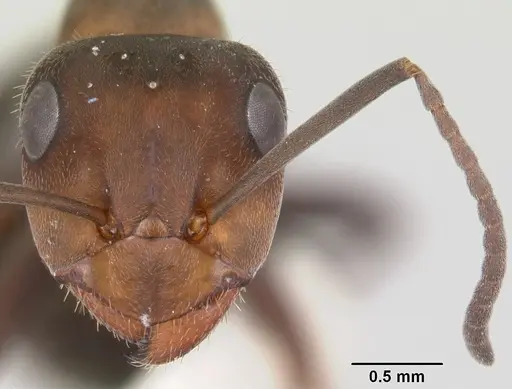
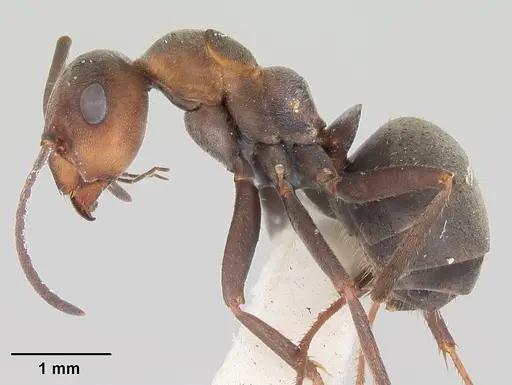
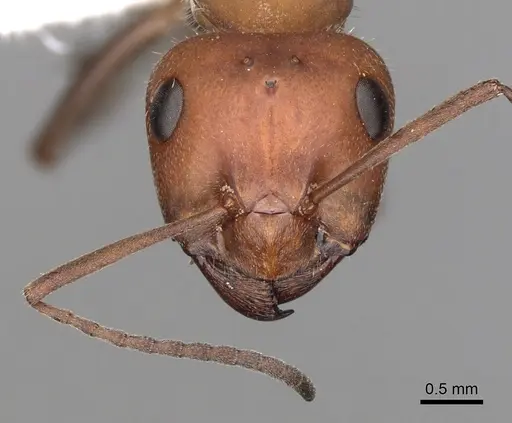
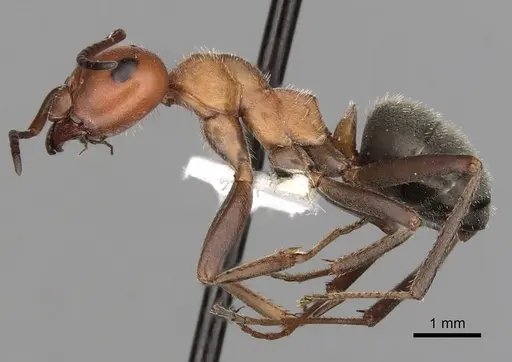
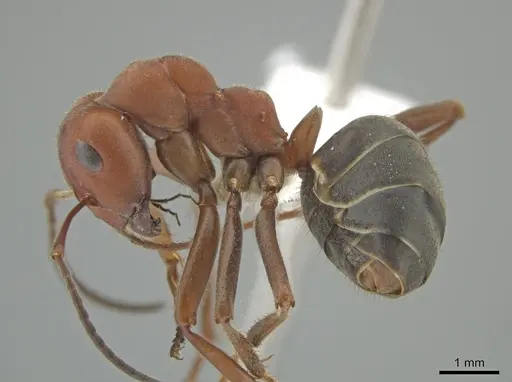
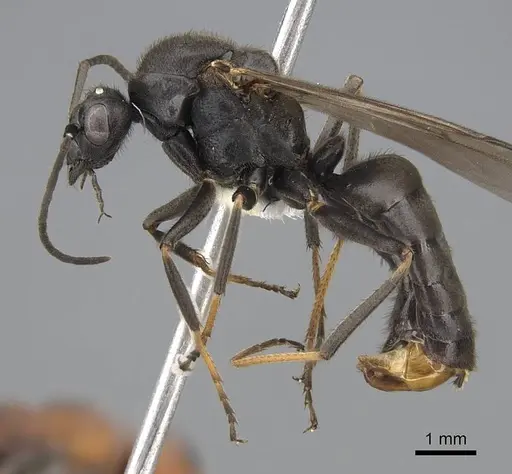
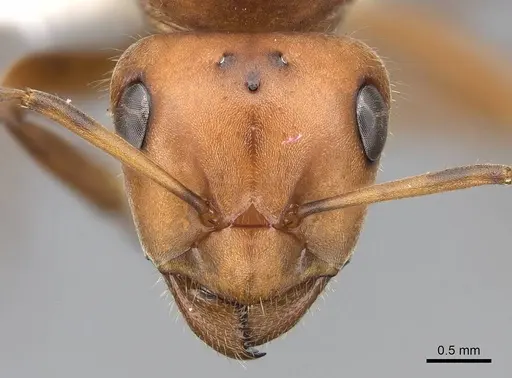
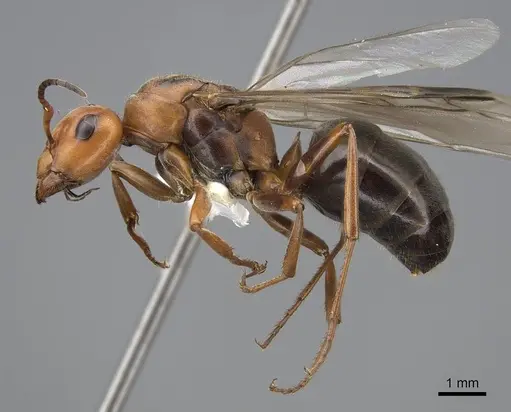
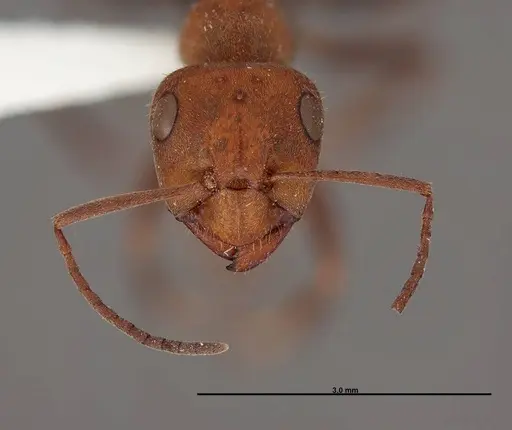
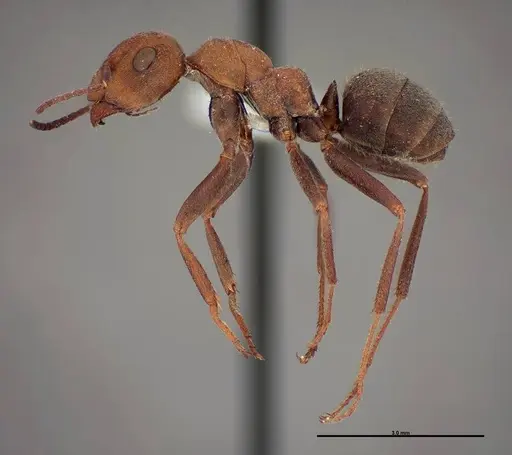
Formica planipilis is a large North American ant belonging to the rufa group, known for building impressive thatched mounds. Workers are robust and measure 4-9mm, with majors having a head longer than broad and a dark reddish-brown coloration heavily infuscated on the head and thorax [1]. These ants are native to western North America, ranging from British Columbia and Alberta south through Washington, Nevada, New Mexico, Colorado, and Kansas [2]. They inhabit grasslands, open forests, and ponderosa pine forests up to 3,000 meters elevation, with most records coming from 6,000-9,000 feet in Nevada [2]. This species is very similar to Formica obscuripes and may actually be synonymous with it [2].
What makes F. planipilis stand out is their polydomous nesting behavior, they create multiple connected nest chambers rather than a single nest [3]. They build characteristic thatched mounds using pine needles, grass culms, and juniper sprays, with typical domes reaching 53cm in diameter and 28cm in height [2]. Workers forage up into tree canopies, following established trunk trails to collect honeydew from aphids and scale insects [3].
Quick Summary
- Difficulty: Medium
- Origin & Habitat: Western North America, Canada (Alberta, British Columbia) and United States (Washington to North Dakota, south through Nevada, New Mexico, Colorado, Kansas). Found in grasslands, open forests, ponderosa pine forests, riparian areas, and poplar-spruce forests up to 3,000 meters elevation [2].
- Colony Type: Polydomous, colonies have multiple queens and maintain multiple connected nest sites. This is different from monogyne (single queen) or polygyne (multiple queens in one nest), polydomous colonies spread across several locations that workers move freely between [3].
- Colony: Polygyne
- Founding: Claustral
- Size & Growth:
- Queen: Estimated 9-11mm based on rufa group patterns
- Worker: 4-9mm (majors larger) [1]
- Colony: Likely several thousand workers based on rufa group patterns
- Growth: Moderate
- Development: Estimated 6-8 weeks at optimal temperature based on genus-level data (Development time is inferred from related Formica species, actual timing may vary. First workers (nanitics) are typically smaller than normal workers.)
- Antkeeping:
- Temperature: Keep nest area at 20-24°C. They tolerate cooler temperatures given their high-elevation habitat (found up to 10,200 ft in Nevada). Room temperature is likely suitable. A heating cable on one side of the nest can create a gentle gradient if needed.
- Humidity: Moderate humidity. These ants naturally nest in areas with some moisture but good drainage. Keep nest substrate moist but not waterlogged. Provide a water tube as their primary water source.
- Diapause: Yes, they require a winter rest period. In their native range, broods and reproductives are found in nests from late June to mid August [2], suggesting they enter dormancy by fall. Provide 3-4 months of cold storage at 5-10°C.
- Nesting: Y-tong (AAC) nests work well for founding colonies. Established colonies can be moved to naturalistic setups with soil and thatching material. They prefer nests with chambers they can connect, polydomous arrangements mimic their natural behavior. Avoid overly humid plaster nests as they prefer better drainage.
- Behavior: Workers are moderately aggressive and will defend the nest vigorously, this is typical of rufa group Formicas. They are active foragers that establish trunk trails leading to food sources in trees [3]. Escape risk is moderate, they are large enough to be contained with standard barriers, but use fluon on test tube rims as a precaution. Workers can spray formic acid as a defense, which is irritating but not dangerous to humans. They are diurnal and heavily active during daylight hours.
- Common Issues: polydomous colonies can be difficult to house, they may try to expand to multiple locations, they require protein-rich food and honeydew/sugar sources, diet is more specialized than some ants, escape prevention is important during feeding times when the outworld is open, winter diapause is mandatory, colonies that don't cool down may fail to produce brood the following year, founding colonies are slow to establish, patience is required during the claustral period
Nest Preferences and Housing
In the wild, Formica planipilis builds thatched mounds in open areas. Nest material includes grass culms (about 5cm long), juniper sprays, and pine needles [2]. Typical domes measure 53cm in diameter and 28cm in height, with some soil bases reaching 76cm [2]. They often start nests at the base of small plants, frequently sagebrush, and prefer open areas without ground cover [2].
For captive care, start founding colonies in test tubes with a water reservoir. Once established (6+ months with 20+ workers), you can move them to a Y-tong (AAC) formicarium with soil chambers. These ants do well in naturalistic setups where you can provide thatching material like shredded paper or dried grass. Because they are polydomous, consider providing multiple connected chambers or a setup that allows them to expand. Avoid overly humid environments, they prefer better drainage than some ants. A water tube should always be available.
Feeding and Diet
Formica planipilis workers forage up into tree canopies to collect honeydew from aphids and scale insects [3]. This means their diet in captivity should include both sugar sources and protein. Provide sugar water, honey, or diluted maple syrup as a constant energy source. For protein, offer insects like mealworms, crickets, and other small arthropods.
These ants are not strictly predatory, they prefer collecting honeydew and will tend aphids if given the opportunity. You can offer them small pieces of fruit or provide a sugar water feeder. Feed protein 2-3 times per week, and keep sugar water available at all times. Remove uneaten prey after 24-48 hours to prevent mold. Given their arboreal foraging behavior, they may be more interested in elevated food sources, try placing sugar water on a cotton ball or in a small dish elevated above the substrate.
Temperature and Seasonal Care
These ants are found at high elevations (most records from 6,000-9,000 feet in Nevada) and tolerate cool conditions [2]. Keep the nest area at 20-24°C, room temperature is likely suitable for most keepers. They can tolerate temperatures toward the lower end of this range better than excessive heat.
Winter diapause is essential. In their native range, broods and reproductives are found in nests from late June to mid August [2], indicating they enter dormancy by fall. Provide 3-4 months of cold storage at 5-10°C during winter. This can be in a refrigerator (not freezer), garage, or basement that stays cool but above freezing. Reduce feeding to once monthly or less during diapause. Do not skip diapause, colonies that remain warm all year often fail to produce healthy brood the following season.
Colony Structure and Growth
Formica planipilis is polydomous, meaning colonies maintain multiple connected nest sites rather than a single location [3]. This is different from simple polygyny, the colony spreads across several chambers or locations that workers move freely between. This behavior is reflected in their natural nest construction, where they build extensive mound systems.
Colony growth is moderate. Founding queens are claustral, they seal themselves in a chamber and survive entirely on stored body fat until their first workers emerge. Expect 6-8 weeks for first workers to develop, though this is estimated from related species. Initial colonies grow slowly as the queen transitions from producing nanitics (smaller first workers) to normal-sized workers. Once established, colonies can grow to several thousand workers over several years. The polydomous nature means you may need to provide expansion space as the colony grows.
Behavior and Defense
Workers are moderately aggressive and will vigorously defend their nest, this is typical of the rufa group. They establish well-defined trunk trails leading to food sources [3], and foragers will patrol established paths. When threatened, they can spray formic acid as a defense, which causes irritation but is not dangerous to humans.
These ants are diurnal and most active during daylight hours. They are effective foragers and will readily explore their outworld for food. Escape risk is moderate, they are large enough to be contained with standard barriers, but always use fluon on test tube rims and formicarium openings as a precaution. Their large size makes them easier to contain than tiny ants, but they are strong and determined.
Their polydomous behavior means established colonies may try to expand to multiple locations. If housing them in a multi-chamber setup, ensure all chambers are connected and accessible.
Frequently Asked Questions
How long does it take for Formica planipilis to produce first workers?
Expect 6-8 weeks from egg to first worker at optimal temperature (around 20-24°C). This is estimated from related Formica species, actual timing may vary. The queen will produce nanitics (smaller first workers) initially before producing normal-sized workers.
Do Formica planipilis ants need hibernation?
Yes, they require a winter dormancy period. In their native high-elevation habitat, they are active from roughly May through August, with broods and reproductives present in nests from late June to mid August. Provide 3-4 months of cold storage at 5-10°C during winter.
What do Formica planipilis eat?
They collect honeydew in the wild and should be fed sugar sources (sugar water, honey, maple syrup) constantly, plus protein (mealworms, crickets, other insects) 2-3 times per week. They are not strict predators, they prefer honeydew and sugar sources over hunting.
Are Formica planipilis good for beginners?
They are intermediate in difficulty. They require more specialized care than some ants (honeydew diet, polydomous housing, mandatory diapause) but are not as challenging as tropical or parasitic species. They are a good next step after keeping easier ants like Lasius or Tetramorium.
Can I keep multiple Formica planipilis queens together?
This species is naturally polydomous with multiple queens per colony. However, combining unrelated foundress queens is not recommended, there is no documented research on whether they accept unrelated queens. If you have multiple founding queens, keep them separate until each establishes a healthy colony.
What size colony do Formica planipilis reach?
Based on rufa group patterns, colonies likely reach several thousand workers over several years. They are polydomous, meaning they spread across multiple connected nest locations, so they can support large populations.
When should I move Formica planipilis to a formicarium?
Keep founding colonies in test tubes for 6-12 months until you have 20+ workers and the colony is clearly established. Once established, they can be moved to a Y-tong or naturalistic setup. Because they are polydomous, provide multiple connected chambers or expansion space.
Why is my Formica planipilis colony dying?
Common causes include: skipping winter diapause, keeping them too humid (they prefer better drainage), insufficient protein or sugar in diet, or stress from too frequent disturbances. Check that they have constant sugar water, protein 2-3 times weekly, and proper winter cooling.
What is the best nest type for Formica planipilis?
Y-tong (AAC) nests work well for established colonies. They prefer chambers they can connect, a multi-chamber setup mimics their natural polydomous behavior. Avoid overly humid plaster nests. Provide some thatching material (shredded paper, dried grass) if possible.
References

This caresheet is licensed under CC BY-SA 4.0 .
CASENT0103234
View on AntWeb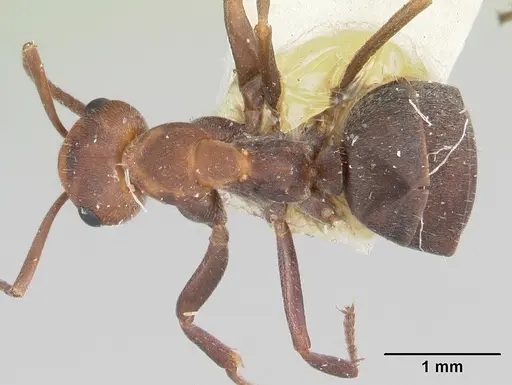
CASENT0103374
View on AntWeb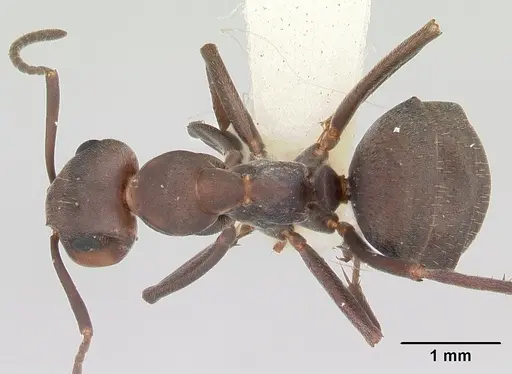
CASENT0103375
View on AntWeb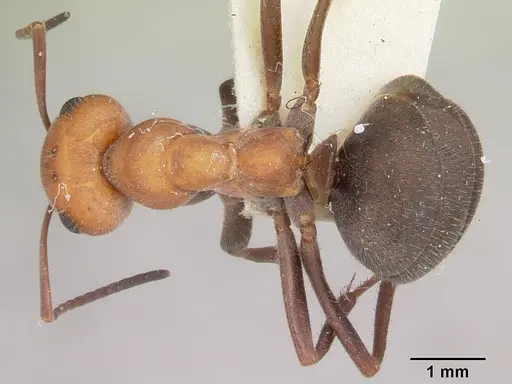
CASENT0105753
View on AntWeb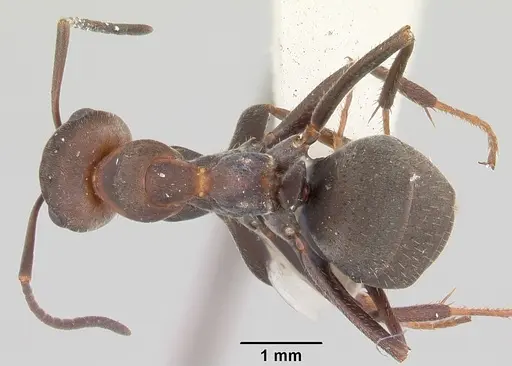
CASENT0280402
View on AntWeb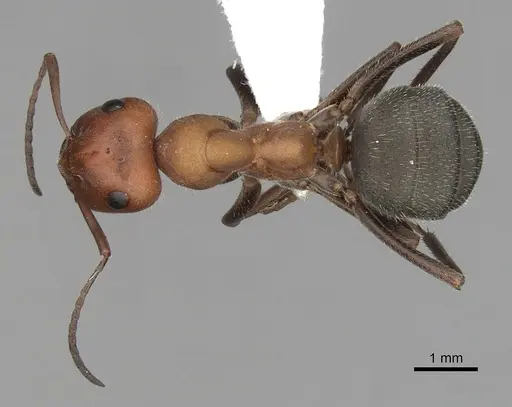
CASENT0649741
View on AntWeb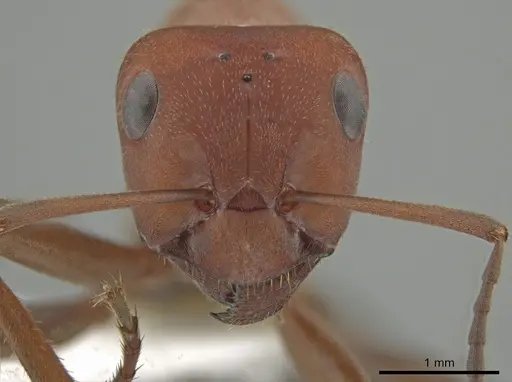
CASENT0843931
View on AntWeb
CASENT0843932
View on AntWeb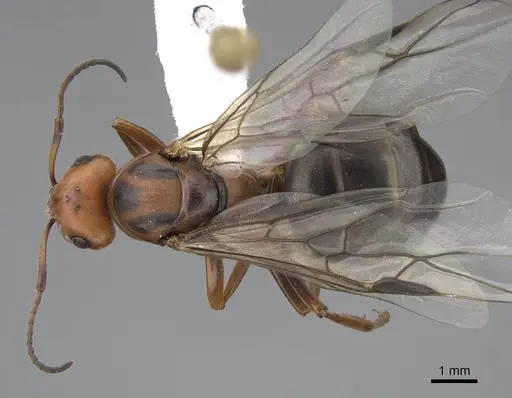
FMNHINS0000062707
View on AntWeb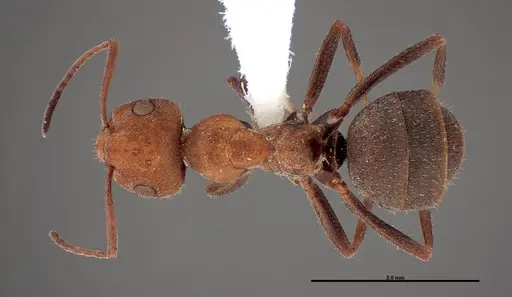
Literature
Loading...Loading products...